
Dec . 11, 2024 01:56 Back to list
24 Volt Submersible Pump for Efficient Water Pumping Solutions
Exploring 24 Volt Submersible Water Pumps A Comprehensive Guide
When it comes to managing water resources, whether for agricultural irrigation, residential use, or even in emergency situations, the choice of pump plays a vital role. Among the various types of pumps available in the market, the 24-volt submersible water pump stands out for its efficiency, versatility, and ease of use. This article delves into the features, benefits, applications, and maintenance of these pumps, providing a comprehensive perspective for enthusiasts and professionals alike.
What is a 24 Volt Submersible Water Pump?
A 24-volt submersible water pump is designed to operate while submerged in water, making it ideal for applications where water needs to be extracted from deep wells, rivers, or ponds. These pumps are powered by a 24-volt power supply, which can come from various sources such as battery systems, solar panels, or dedicated power adapters. The submersible design allows them to work efficiently underwater, preventing issues with overheating and maximizing longevity.
Key Features
1. Power Source Flexibility The 24-volt system allows for operation in remote areas where conventional power sources may not be accessible. Solar-powered setups are particularly popular for sustainable and off-grid applications.
2. High Efficiency These pumps are known for their energy efficiency, ensuring minimal power consumption while maximizing water output. Many models come with built-in protective motors to prevent overheating.
3. Corrosion Resistance Made from durable materials such as stainless steel or high-density thermoplastics, submersible pumps resist corrosion and wear, contributing to a longer lifespan in harsh environments.
4. Compact Design Their compact and lightweight construction makes them adaptable for various applications, including residential, agricultural, and industrial settings.
5. Easy Installation Unlike surface pumps that require complex setups, submersible pumps are straightforward to install. They can simply be submerged in water and connected to a power source.
Applications
The versatility of 24-volt submersible water pumps means they are used in numerous applications, including
24 volt submersible water pump
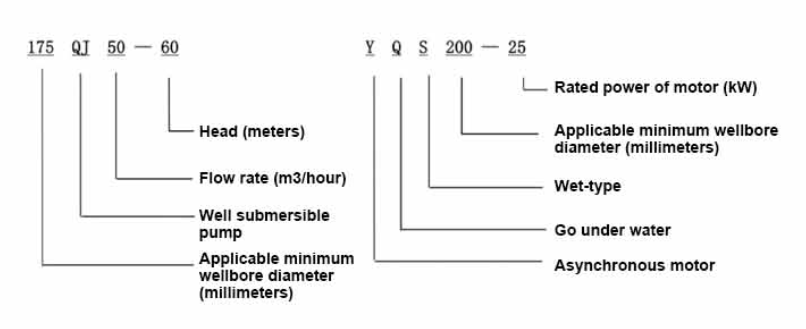
- Residential Water Supply Ideal for home use to supply water from wells or cisterns, these pumps can provide a steady flow for household needs. - Irrigation Systems Farmers and gardeners use these pumps to efficiently irrigate crops and gardens, particularly in areas with limited access to electricity.
- Aquaculture Submersible pumps are essential in maintaining water quality in fish farming and aquaponics systems.
- Drainage They are useful for draining flooded areas or managing standing water, making them invaluable during natural disasters.
- Fountain and Water Feature Enhancing aesthetic appeal, these pumps are often utilized in ornamental ponds, fountains, and water displays.
Maintenance Tips
To ensure the longevity and optimal performance of your 24-volt submersible water pump, regular maintenance is essential
1. Regular Checks Routine checks for any signs of wear and tear or damage can prevent unexpected failures. 2. Cleaning Clean the pump regularly to prevent debris accumulation that can lead to clogs.
3. Inspect Electrical Connections Ensure that all electrical connections are secure and free from corrosion. This helps maintain efficient power delivery.
4. Seasonal Maintenance In regions that experience freezing temperatures, ensure that the pump is properly winterized to avoid damage from ice.
5. Monitor Performance Keep an eye on the pump's performance. Any changes, such as decreased flow rate or unusual noises, may indicate that maintenance or repairs are needed.
Conclusion
The 24-volt submersible water pump is an exceptional tool for a wide range of water management needs. Its efficiency, flexibility, and compact design make it an ideal choice for residential, agricultural, and industrial applications. By understanding its features and adhering to proper maintenance practices, users can ensure that their pumping systems remain functional and reliable for years to come. Whether you're an enthusiast or a professional, investing in a quality 24-volt submersible water pump can significantly enhance your water management capabilities.
-
Submersible Water Pump: The Efficient 'Power Pioneer' of the Underwater World
NewsJul.01,2025
-
Submersible Pond Pump: The Hidden Guardian of Water Landscape Ecology
NewsJul.01,2025
-
Stainless Well Pump: A Reliable and Durable Pumping Main Force
NewsJul.01,2025
-
Stainless Steel Submersible Pump: An Efficient and Versatile Tool for Underwater Operations
NewsJul.01,2025
-
Deep Well Submersible Pump: An Efficient 'Sucker' of Groundwater Sources
NewsJul.01,2025
-
Deep Water Well Pump: An Efficient 'Sucker' of Groundwater Sources
NewsJul.01,2025
-
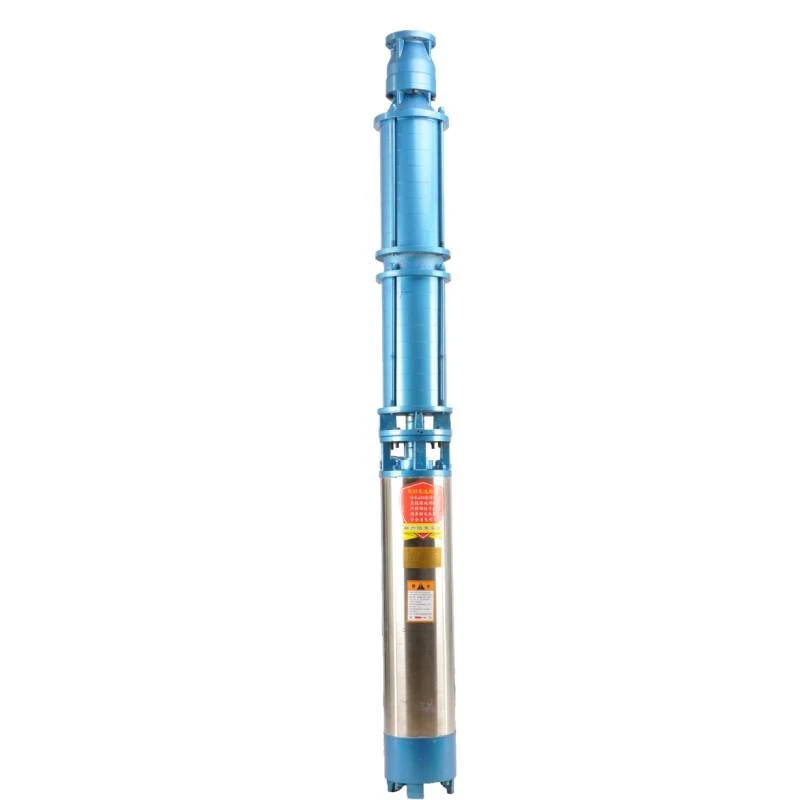 Submersible Water Pump: The Efficient 'Power Pioneer' of the Underwater WorldIn the field of hydraulic equipment, the Submersible Water Pump has become the core equipment for underwater operations and water resource transportation due to its unique design and excellent performance.Detail
 -
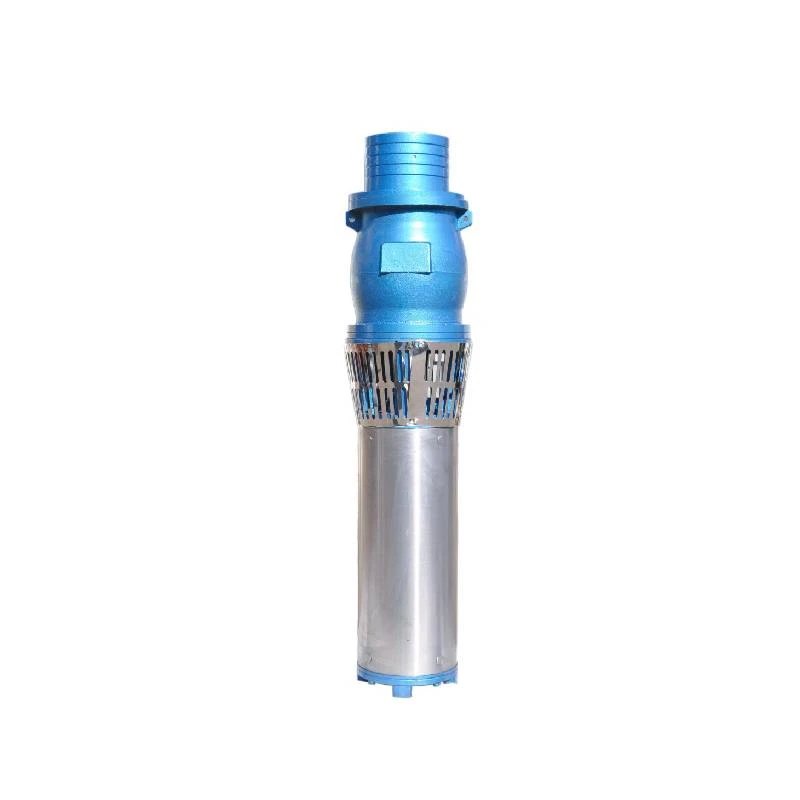 Submersible Pond Pump: The Hidden Guardian of Water Landscape EcologyIn courtyard landscapes, ecological ponds, and even small-scale water conservancy projects, there is a silent yet indispensable equipment - the Submersible Pond Pump.Detail
 -
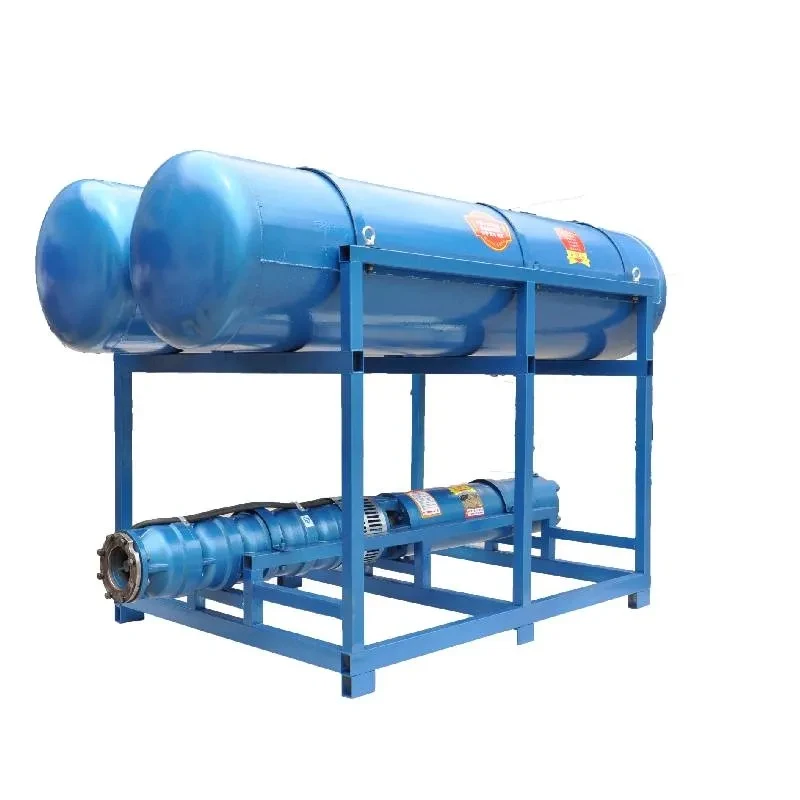 Stainless Well Pump: A Reliable and Durable Pumping Main ForceIn the field of water resource transportation, Stainless Well Pump has become the core equipment for various pumping scenarios with its excellent performance and reliable quality.Detail
 English
  Afrikaans
  Albanian
  Amharic
  Arabic
  Armenian
  Azerbaijani
  Basque
  Belarusian
  Bengali
  Bosnian
  Bulgarian
  Catalan
  Cebuano
  Corsican
  Croatian
  Czech
Czech  Danish
  Dutch
Dutch  Esperanto
  Estonian
  Finnish
  French
  Frisian
  Galician
  Georgian
  German
  Greek
Greek  Gujarati
  Haitian Creole
  Hausa
Hausa  Hawaiian
  Hebrew
  Hindi
Hindi  Miao
Miao  Hungarian
  Icelandic
  Igbo
Igbo  Indonesian
  Irish
Irish  Italian
  Japanese
  Javanese
  Kannada
  Kazakh
  Khmer
Khmer  Rwandese
  Korean
  Kurdish
  Kyrgyz
  Lao
Lao  Latin
Latin  Latvian
  Lithuanian
  Luxembourgish
  Macedonian
  Malgashi
  Malay
Malay  Malayalam
  Maltese
  Maori
Maori  Marathi
  Mongolian
  Myanmar
  Nepali
  Norwegian
  Norwegian
  Occitan
  Pashto
  Persian
  Polish
  Portuguese
  Punjabi
  Romanian
  Russian
  Samoan
  Scottish Gaelic
  Serbian
  Sesotho
  Shona
Shona  Sindhi
  Sinhala
  Slovak
  Slovenian
  Somali
  Spanish
  Sundanese
  Swahili
  Swedish
  Tagalog
  Tajik
Tajik  Tamil
Tamil  Tatar
Tatar  Telugu
  Thai
Thai  Turkish
  Turkmen
  Ukrainian
  Urdu
Urdu  Uighur
  Uzbek
Uzbek  Vietnamese
  Welsh
Welsh  Bantu
Bantu  Yiddish
  Yoruba
  Zulu
Zulu