
Dec . 11, 2024 12:30 Back to list
3 phase water pump
Understanding Three-Phase Water Pumps An In-Depth Overview
Water pumps are essential devices in a wide range of applications, from agricultural irrigation and industrial processes to residential water supply systems. Among the various types of pumps available, three-phase water pumps have gained popularity due to their efficiency, reliability, and ability to handle larger volumes of water with ease. This article explores the working mechanism, advantages, and applications of three-phase water pumps.
What is a Three-Phase Water Pump?
A three-phase water pump operates on three-phase electrical power, which is a type of alternating current (AC) power. In a three-phase system, three separate currents are delivered, offset by 120 degrees, which allows for a more balanced and efficient power supply. This configuration is especially advantageous in high-powered applications, where single-phase systems may struggle to provide the necessary energy.
The three-phase water pump consists of an electric motor, an impeller, and a casing. The motor powers the impeller, which is responsible for moving water through the pump. The impeller spins rapidly, creating a centrifugal force that draws water into the pump and then pushes it out at a higher pressure.
Advantages of Three-Phase Water Pumps
1. Increased Efficiency One of the main advantages of three-phase water pumps is their efficiency. These pumps can handle larger volumes of water compared to their single-phase counterparts, making them ideal for industrial and agricultural applications where significant water movement is required.
2. Stable Operation Three-phase motors provide a more stable and smooth operation, reducing vibrations and ensuring a longer lifespan for the pump. This stability is crucial in applications where consistent water flow is necessary, such as in cooling systems or water treatment facilities.
3. Higher Power Output The three-phase system can transmit more power than single-phase systems, enabling pumps to operate at higher capacities. This is particularly useful in applications requiring high flow rates or significant pressure, such as fire suppression systems or large-scale irrigation.
4. Reduced Energy Costs Due to their efficiency and higher power output, three-phase water pumps can help reduce energy costs in the long run. While the initial investment may be higher compared to single-phase pumps, the savings on electricity bills and maintenance can be significant.
3 phase water pump
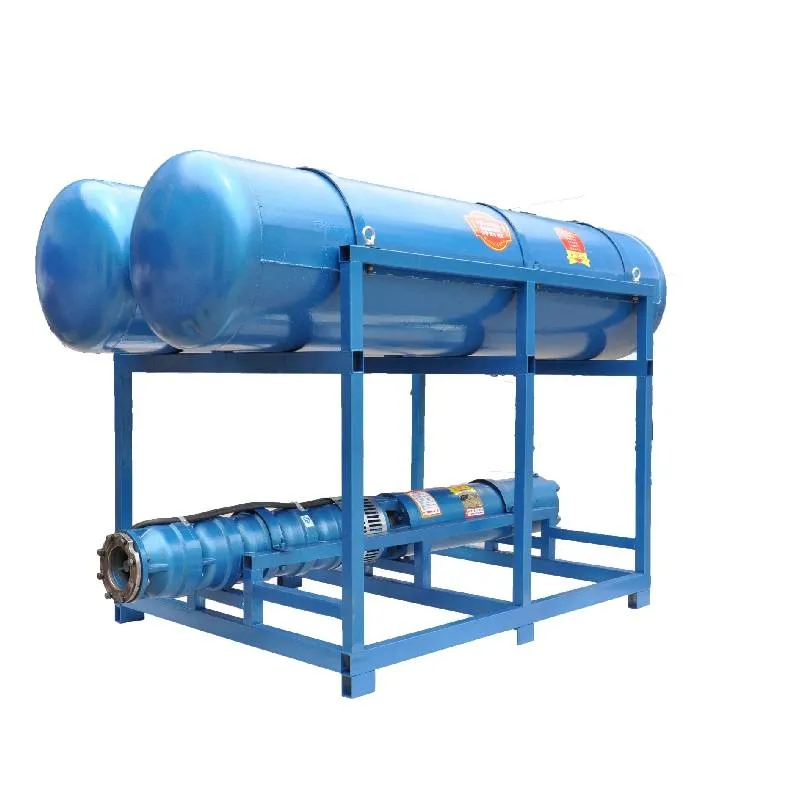
5. Durability Three-phase water pumps are generally constructed with robust materials and designed to withstand tough working conditions. This durability means less frequent replacements and repairs, saving both time and money.
Applications of Three-Phase Water Pumps
Three-phase water pumps are used in various sectors, including
- Industrial Applications They play a crucial role in manufacturing processes, supplying water for cooling systems, and transporting chemicals or wastewater. - Agriculture Farmers use three-phase pumps for irrigation, aiding in the efficient distribution of water across large fields and crop areas.
- Municipal Water Systems Many cities rely on three-phase pumps for their water supply systems, ensuring a consistent and reliable flow for residential and commercial use.
- Fire Protection Systems The ability to pump large volumes of water quickly makes these pumps ideal for fire suppression systems, ensuring that emergency response teams have the resources they need.
- Mining and Construction In industries that require heavy-duty water movement, such as mining and construction, three-phase pumps are indispensable.
Conclusion
Three-phase water pumps are vital in many applications that require efficient and reliable water movement. Their advantages, including increased efficiency, stable operation, and reduced energy costs, make them an excellent choice for both industrial and agricultural use. As technology continues to evolve, these pumps will undoubtedly play an even more significant role in managing water resources in various sectors, contributing to a more efficient and sustainable future.
-
Submersible Water Pump: The Efficient 'Power Pioneer' of the Underwater World
NewsJul.01,2025
-
Submersible Pond Pump: The Hidden Guardian of Water Landscape Ecology
NewsJul.01,2025
-
Stainless Well Pump: A Reliable and Durable Pumping Main Force
NewsJul.01,2025
-
Stainless Steel Submersible Pump: An Efficient and Versatile Tool for Underwater Operations
NewsJul.01,2025
-
Deep Well Submersible Pump: An Efficient 'Sucker' of Groundwater Sources
NewsJul.01,2025
-
Deep Water Well Pump: An Efficient 'Sucker' of Groundwater Sources
NewsJul.01,2025
-
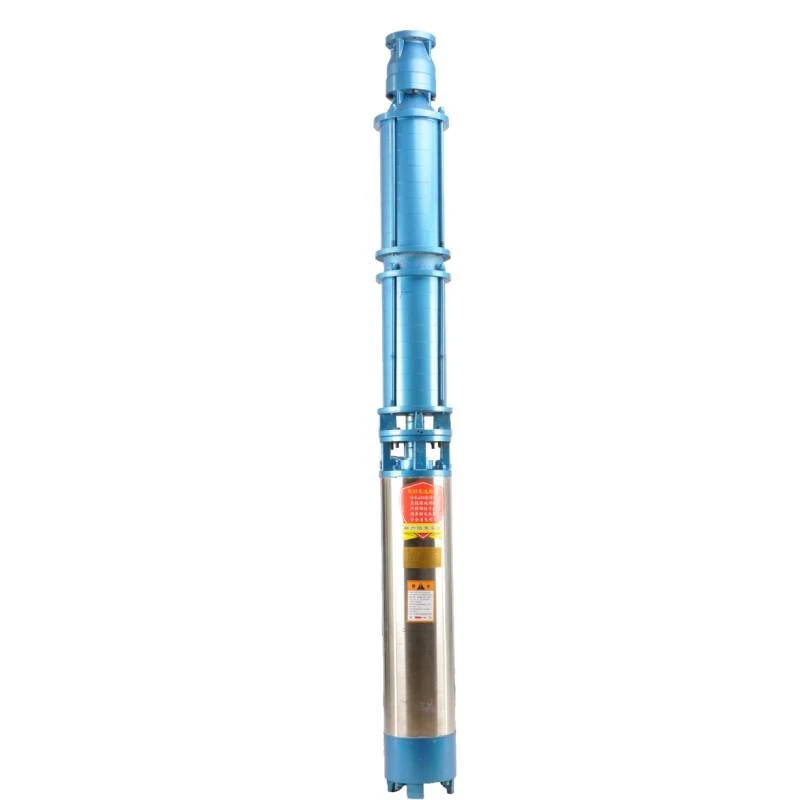 Submersible Water Pump: The Efficient 'Power Pioneer' of the Underwater WorldIn the field of hydraulic equipment, the Submersible Water Pump has become the core equipment for underwater operations and water resource transportation due to its unique design and excellent performance.Detail
 -
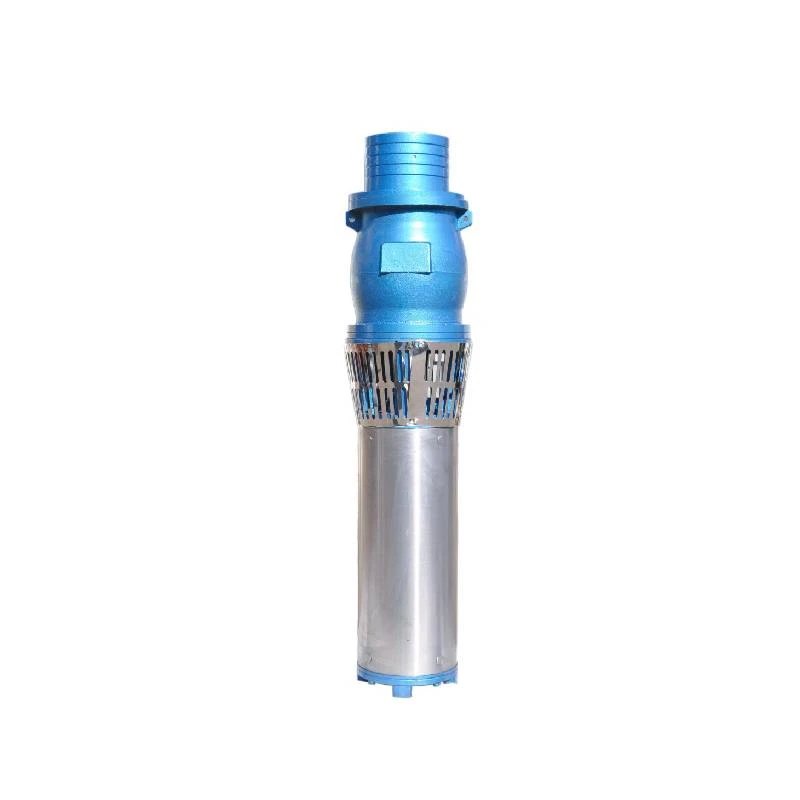 Submersible Pond Pump: The Hidden Guardian of Water Landscape EcologyIn courtyard landscapes, ecological ponds, and even small-scale water conservancy projects, there is a silent yet indispensable equipment - the Submersible Pond Pump.Detail
 -
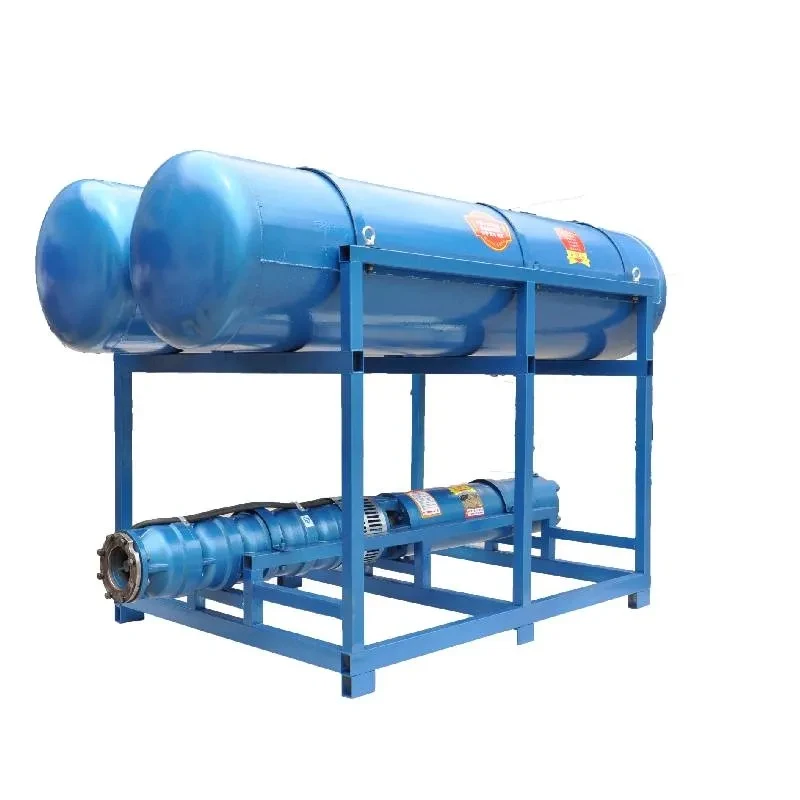 Stainless Well Pump: A Reliable and Durable Pumping Main ForceIn the field of water resource transportation, Stainless Well Pump has become the core equipment for various pumping scenarios with its excellent performance and reliable quality.Detail
 English
  Afrikaans
  Albanian
  Amharic
  Arabic
  Armenian
  Azerbaijani
  Basque
  Belarusian
  Bengali
  Bosnian
  Bulgarian
  Catalan
  Cebuano
  Corsican
  Croatian
  Czech
Czech  Danish
  Dutch
Dutch  Esperanto
  Estonian
  Finnish
  French
  Frisian
  Galician
  Georgian
  German
  Greek
Greek  Gujarati
  Haitian Creole
  Hausa
Hausa  Hawaiian
  Hebrew
  Hindi
Hindi  Miao
Miao  Hungarian
  Icelandic
  Igbo
Igbo  Indonesian
  Irish
Irish  Italian
  Japanese
  Javanese
  Kannada
  Kazakh
  Khmer
Khmer  Rwandese
  Korean
  Kurdish
  Kyrgyz
  Lao
Lao  Latin
Latin  Latvian
  Lithuanian
  Luxembourgish
  Macedonian
  Malgashi
  Malay
Malay  Malayalam
  Maltese
  Maori
Maori  Marathi
  Mongolian
  Myanmar
  Nepali
  Norwegian
  Norwegian
  Occitan
  Pashto
  Persian
  Polish
  Portuguese
  Punjabi
  Romanian
  Russian
  Samoan
  Scottish Gaelic
  Serbian
  Sesotho
  Shona
Shona  Sindhi
  Sinhala
  Slovak
  Slovenian
  Somali
  Spanish
  Sundanese
  Swahili
  Swedish
  Tagalog
  Tajik
Tajik  Tamil
Tamil  Tatar
Tatar  Telugu
  Thai
Thai  Turkish
  Turkmen
  Ukrainian
  Urdu
Urdu  Uighur
  Uzbek
Uzbek  Vietnamese
  Welsh
Welsh  Bantu
Bantu  Yiddish
  Yoruba
  Zulu
Zulu