The demand for reliable and sustainable water access is a global imperative, particularly in areas facing water scarcity or challenging geographical conditions. dc submersible well pump systems have emerged as a critical technology for addressing this need, offering a robust and efficient solution for extracting groundwater. Understanding the principles, applications, and advancements in dc submersible well pump technology is therefore essential for engineers, policymakers, and communities seeking secure and dependable water sources.
Globally, access to safe water remains a significant challenge. According to the World Health Organization, billions lack access to safely managed drinking water services. dc submersible well pumps are increasingly deployed in rural areas, developing countries, and remote industrial operations where traditional water infrastructure is impractical or unavailable. This technology provides a lifeline for agriculture, sanitation, and basic human needs, driving economic development and improving public health.
The rise in popularity of dc submersible well pump technology is fueled by its ability to overcome limitations of conventional pumping systems. These pumps, powered by direct current, are designed to operate completely submerged in the well, eliminating the need for priming and reducing energy loss. This makes them ideal for a wide range of applications, from residential wells to large-scale irrigation projects, especially in regions with limited power grid access.
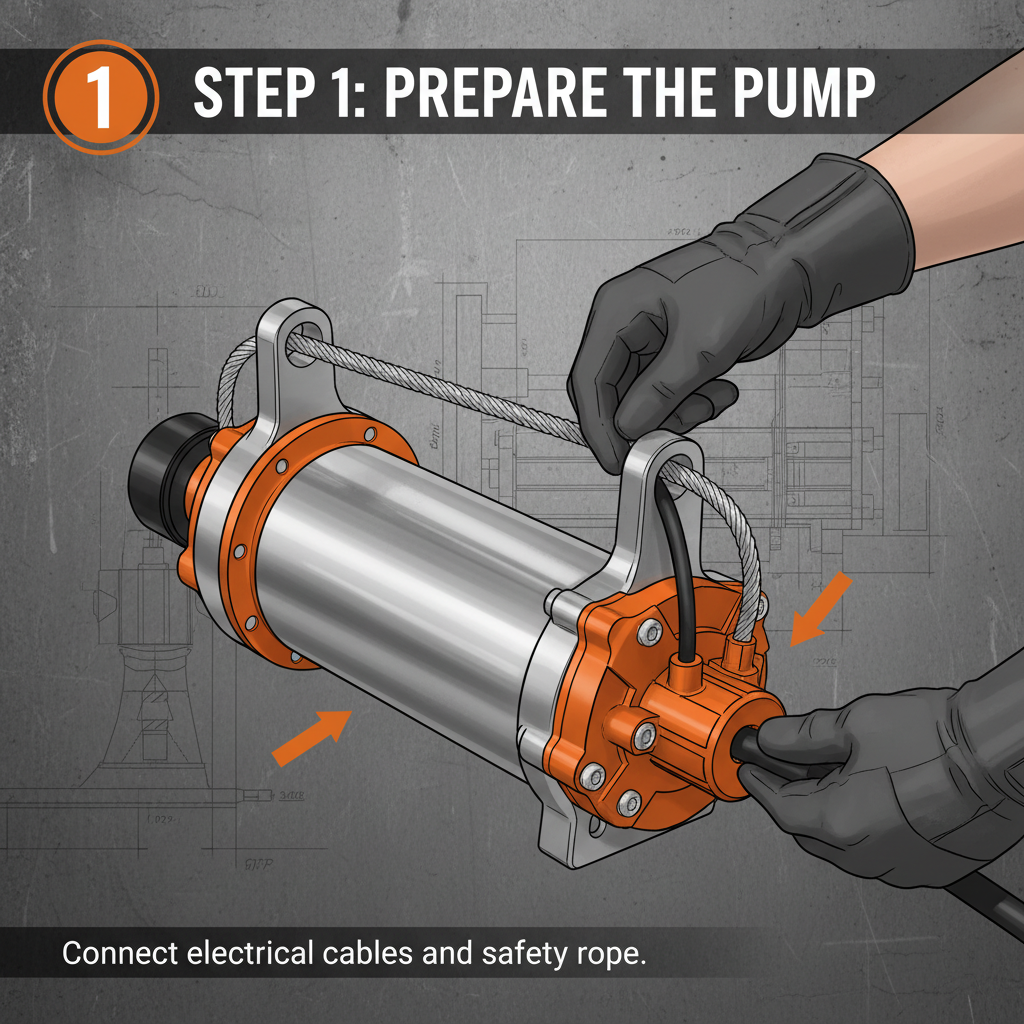
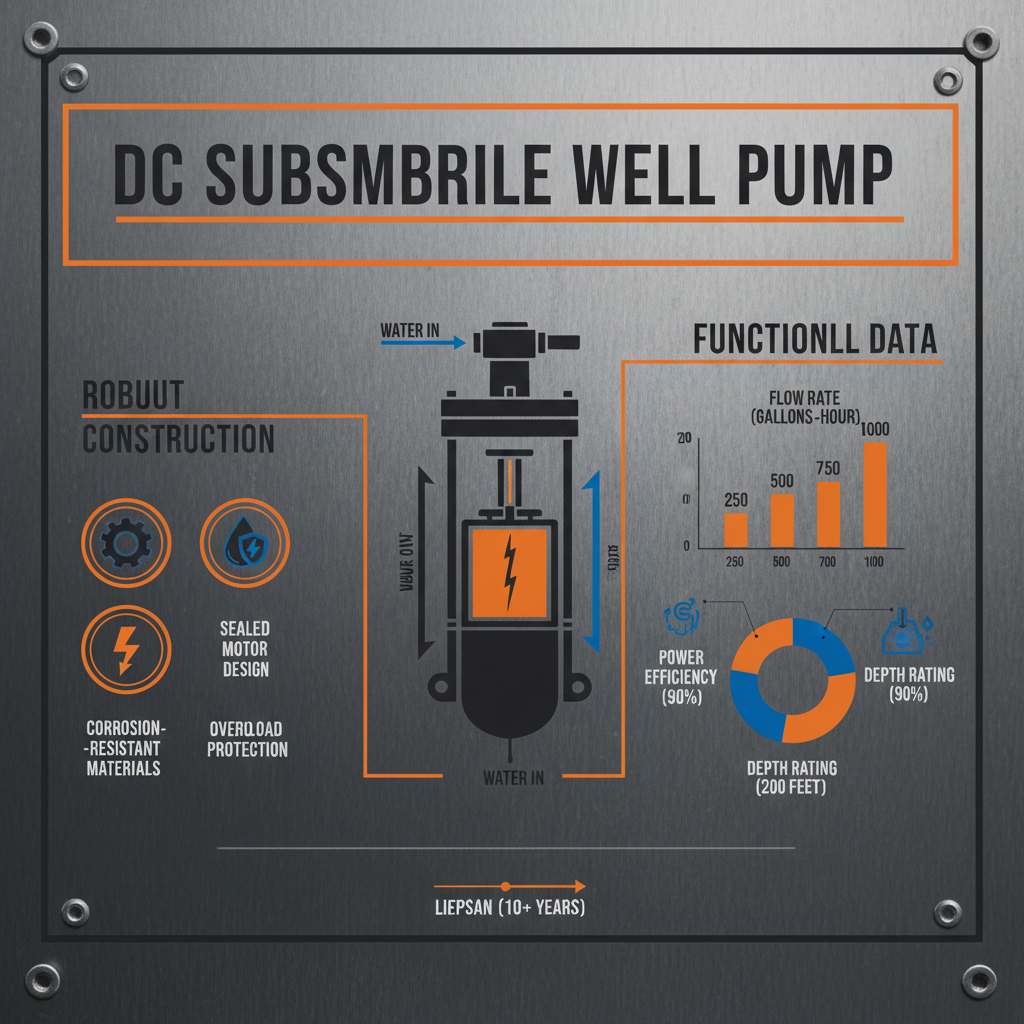
dc submersible well pumps represent a significant advancement in water extraction technology, offering distinct advantages over traditional pumping methods. They’re integral to providing clean water access in remote locations and addressing growing water demands across diverse sectors. The continuous innovation in materials and design is further expanding their capabilities and efficiency.
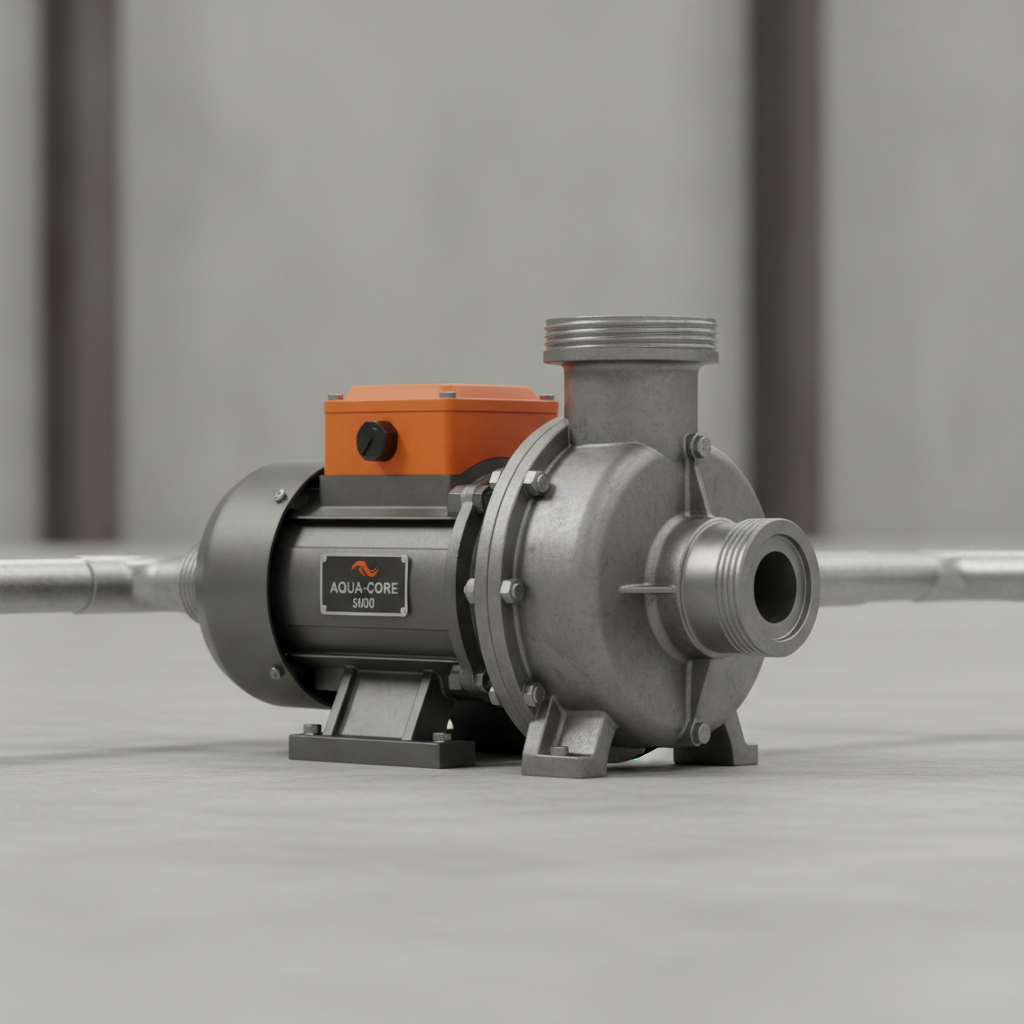
The functionality of these pumps relies on a motor directly coupled to a pump assembly, submerged entirely within the well’s water column. This configuration negates the need for surface priming, minimizes energy loss due to suction lift, and offers quieter operation. This makes them a preferred solution for both residential and industrial applications, especially where noise pollution is a concern.
The lifespan of a dc submersible well pump typically ranges from 10 to 20 years, depending on several factors including water quality, usage frequency, maintenance practices, and the quality of the pump itself. Regular inspections and adherence to manufacturer’s recommendations can significantly extend its operational life. Factors like high sand content or corrosive water can shorten the lifespan, necessitating more frequent maintenance or replacement.
Determining the correct pump size involves considering two key factors: the well’s yield (gallons per minute) and the total dynamic head (the vertical distance the water needs to be lifted, plus friction losses in the piping). It’s crucial to select a pump that can deliver the required flow rate at the specified head without being overloaded. Consulting with a qualified well drilling or pump specialist is recommended for accurate sizing and optimal performance.
Yes, dc submersible well pumps are ideally suited for solar power applications. They require DC electricity, making them a direct match for photovoltaic (PV) systems. A solar pump controller manages the power from the solar panels, ensuring the pump operates efficiently and protects it from voltage fluctuations. This provides a sustainable and cost-effective off-grid water solution.
Common failure causes include motor burnout due to overheating or voltage issues, impeller wear from abrasive particles, seal failures leading to water leakage, and cable damage. Regular water quality testing, proper well development to minimize sediment, and periodic inspection of the power cable can help prevent these issues. Also, ensuring correct voltage supply is vital for longevity.
Annual inspection is generally recommended. This includes checking the power cable for damage, inspecting the pump intake screen for debris, and monitoring the pump's performance (flow rate and pressure). More frequent maintenance may be required if the water source is known to have high sediment content or corrosive properties. Keeping detailed maintenance records is crucial for tracking performance and identifying potential issues.
Always disconnect the power supply before attempting any maintenance or repair work. Use appropriate personal protective equipment (PPE), including gloves and safety glasses. Avoid working in confined spaces without proper ventilation. If you’re not comfortable performing the work yourself, consult a qualified technician. Never attempt to lift or lower the pump using the power cable.
dc submersible well pump technology stands as a vital solution for addressing global water challenges, offering reliable, efficient, and sustainable water extraction capabilities. From residential use to large-scale agricultural projects, and humanitarian aid, these pumps are increasingly crucial. Understanding their operational principles, key performance factors, and emerging trends is essential for maximizing their benefits and ensuring long-term water security.
As technology continues to advance, we can expect even greater improvements in efficiency, durability, and integration with renewable energy sources. Embracing these innovations will not only lower costs and reduce environmental impact but also expand access to clean water for communities worldwide. Visit our website at www.wellpumpact.com to learn more about our range of dc submersible well pump solutions and how we can help you meet your water needs.
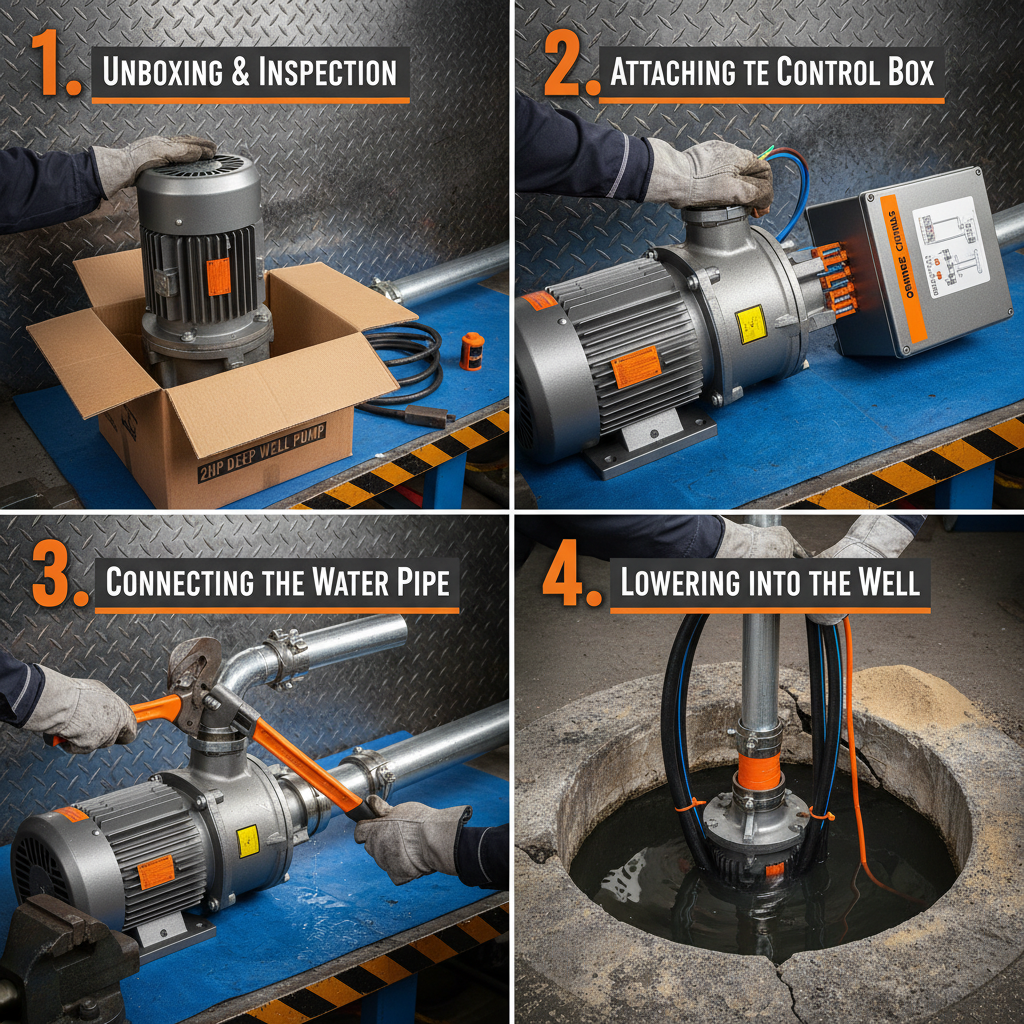
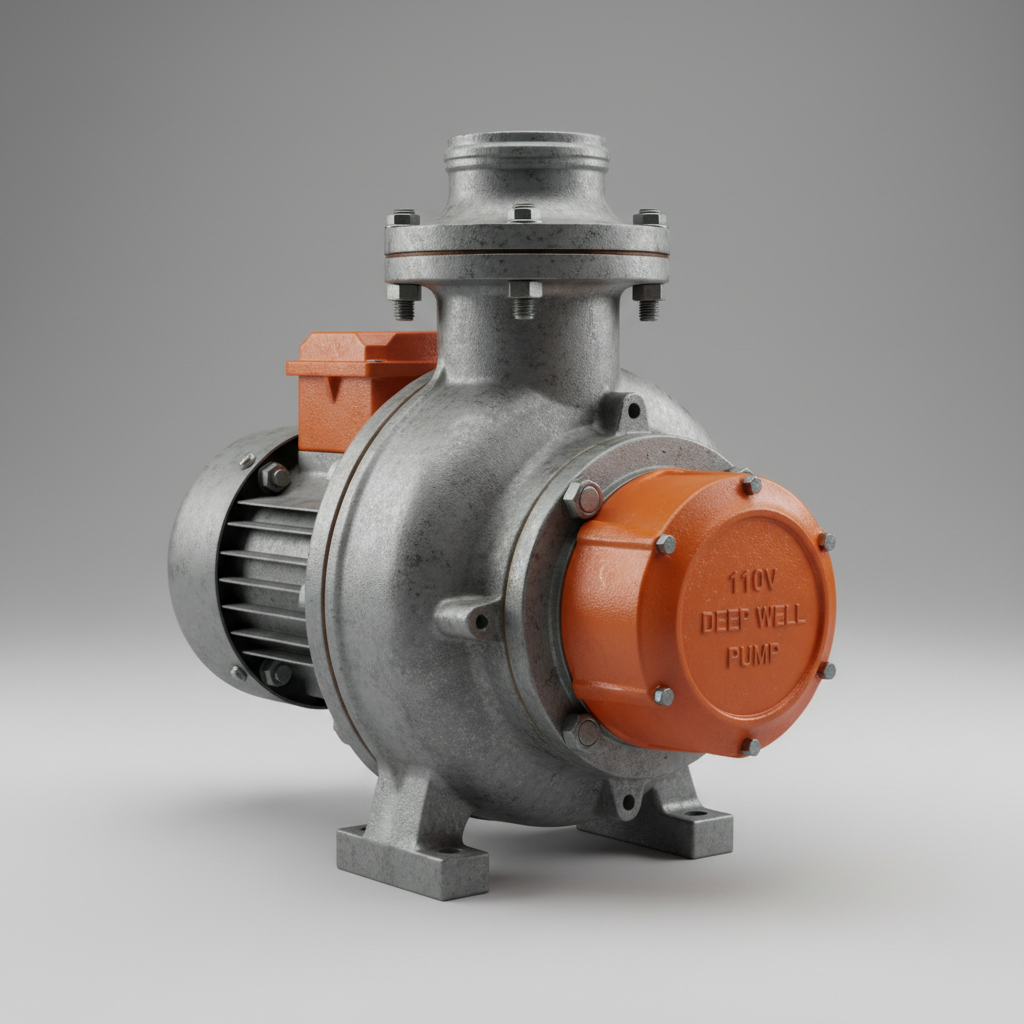


 Afrikaans
 Albanian
 Amharic
 Arabic
 Armenian
 Azerbaijani
 Basque
 Belarusian
 Bengali
 Bosnian
 Bulgarian
 Catalan
 Cebuano
 Corsican
 Croatian
 Czech
Czech
 Danish
 Dutch
Dutch
 Esperanto
 Estonian
 Finnish
 French
 Frisian
 Galician
 Georgian
 German
 Greek
Greek
 Gujarati
 Haitian Creole
 Hausa
Hausa
 Hawaiian
 Hebrew
 Hindi
Hindi
 Miao
Miao
 Hungarian
 Icelandic
 Igbo
Igbo
 Indonesian
 Irish
Irish
 Italian
 Japanese
 Javanese
 Kannada
 Kazakh
 Khmer
Khmer
 Rwandese
 Korean
 Kurdish
 Kyrgyz
 Lao
Lao
 Latin
Latin
 Latvian
 Lithuanian
 Luxembourgish
 Macedonian
 Malgashi
 Malay
Malay
 Malayalam
 Maltese
 Maori
Maori
 Marathi
 Mongolian
 Myanmar
 Nepali
 Norwegian
 Norwegian
 Occitan
 Pashto
 Persian
 Polish
 Portuguese
 Punjabi
 Romanian
 Russian
 Samoan
 Scottish Gaelic
 Serbian
 Sesotho
 Shona
Shona
 Sindhi
 Sinhala
 Slovak
 Slovenian
 Somali
 Spanish
 Sundanese
 Swahili
 Swedish
 Tagalog
 Tajik
Tajik
 Tamil
Tamil
 Tatar
Tatar
 Telugu
 Thai
Thai
 Turkish
 Turkmen
 Ukrainian
 Urdu
Urdu
 Uighur
 Uzbek
Uzbek
 Vietnamese
 Welsh
Welsh
 Bantu
Bantu
 Yiddish
 Yoruba
 Zulu
Zulu
 English