
Dec . 10, 2024 23:03 Back to list
Choosing the Right Submersible Aquarium Pump for Your Needs and Setup
Understanding Submersible Aquarium Pumps Essential Equipment for Aquarists
Aquariums are beautiful and tranquil additions to homes and offices, but they also require careful maintenance to ensure a healthy environment for the aquatic life within. One crucial piece of equipment that every aquarist needs is a reliable submersible pump. In this article, we will explore what submersible aquarium pumps are, their benefits, and how to choose the right one for your aquarium.
What is a Submersible Aquarium Pump?
A submersible aquarium pump is designed to be placed underwater, where it is used to circulate and filter water in the aquarium. These pumps are typically compact, quiet, and energy-efficient, making them suitable for various types of aquariums, from small fish tanks to large aquatic ecosystems. Unlike external pumps, submersible pumps work by pushing water through filters or other equipment from inside the tank, helping to maintain water clarity and quality.
Benefits of Using Submersible Pumps
1. Space Efficiency Because they are placed directly in the water, submersible pumps save space in your aquarium setup. There are no bulky external components taking up room, which is especially beneficial for smaller tanks or aquascapes.
2. Noise Reduction Many aquarists prefer submersible pumps due to their quiet operation. Since these pumps are submerged in water, the noise of the motor is significantly muted compared to external pumps, allowing for a more peaceful aquarium environment.
3. Ease of Installation Setting up a submersible pump is generally straightforward. Simply drop the pump into the tank, connect the necessary hoses, and you’re good to go. This simplicity makes them ideal for beginners who might be intimidated by more complex systems.
4. Temperature Control Submersible pumps can help maintain stable water temperatures. Because they are located within the tank, they reduce the chances of introducing temperature fluctuations that can stress fish and other aquatic life.
5. Versatility Submersible pumps can be used not only for filtration but also for water features, such as fountains or waterfalls, and in various setups, including freshwater and marine tanks. Their versatility makes them a popular choice for a wide range of aquarists.
aquarium pumps submersible

Choosing the Right Submersible Pump
When shopping for a submersible aquarium pump, several factors should be taken into consideration to ensure you choose the right one for your needs
1. Pump Flow Rate The flow rate determines how quickly water can be circulated. For aquariums, it’s generally recommended to have a pump that can filter the entire volume of water in the tank at least four times per hour. Be sure to check the flow rate specifications in relation to your aquarium size.
2. Size and Design Consider the size of the pump and how it will fit inside your aquarium. Pumps come in various designs—some are compact, while others might be bulkier. Ensure that the pump fits comfortably in your tank without taking up too much space.
3. Durability and Material Look for pumps made from high-quality, corrosion-resistant materials, especially if you have a saltwater aquarium. The longevity of the pump will depend on its construction and material quality.
4. Energy Efficiency Opt for energy-efficient pumps that will reduce electricity costs over time. An energy-efficient model can help minimize operational expenses while providing optimal performance.
5. Noise Level If you're sensitive to noise or want to enjoy the serene ambiance of your aquarium, choose a pump noted for its quiet operation.
Conclusion
Submersible aquarium pumps are essential for maintaining a healthy aquatic environment. They offer numerous benefits, including space efficiency, quiet operation, and versatility. By carefully considering flow rates, size, durability, energy efficiency, and noise levels, you can select the right submersible pump to keep your aquarium thriving, ensuring a perfect home for your aquatic friends. With the right equipment in place, you can fully enjoy the beauty and tranquility that an aquarium brings to your space.
-
Submersible Water Pump: The Efficient 'Power Pioneer' of the Underwater World
NewsJul.01,2025
-
Submersible Pond Pump: The Hidden Guardian of Water Landscape Ecology
NewsJul.01,2025
-
Stainless Well Pump: A Reliable and Durable Pumping Main Force
NewsJul.01,2025
-
Stainless Steel Submersible Pump: An Efficient and Versatile Tool for Underwater Operations
NewsJul.01,2025
-
Deep Well Submersible Pump: An Efficient 'Sucker' of Groundwater Sources
NewsJul.01,2025
-
Deep Water Well Pump: An Efficient 'Sucker' of Groundwater Sources
NewsJul.01,2025
-
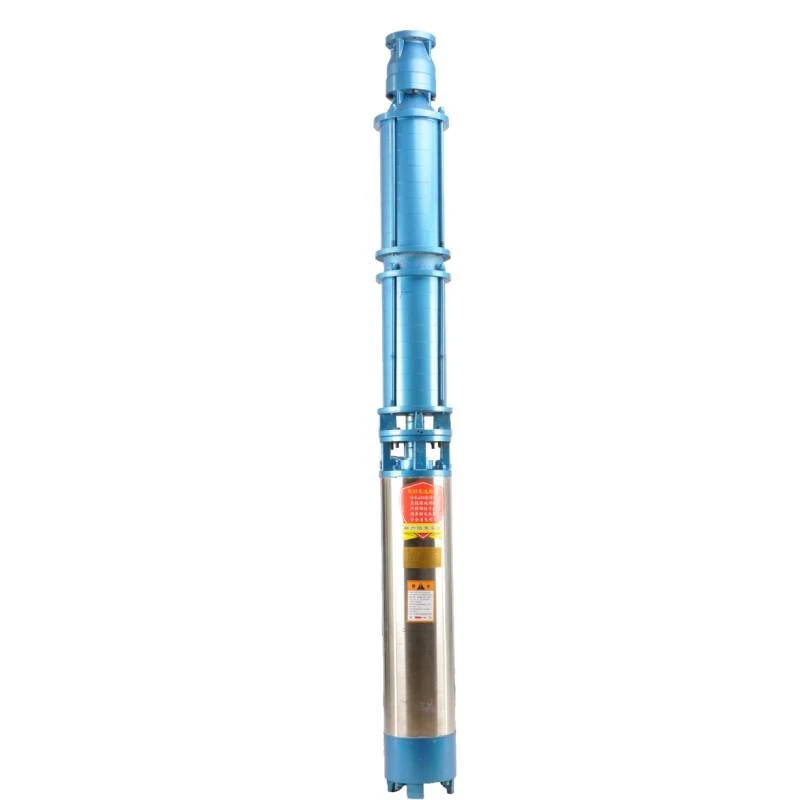 Submersible Water Pump: The Efficient 'Power Pioneer' of the Underwater WorldIn the field of hydraulic equipment, the Submersible Water Pump has become the core equipment for underwater operations and water resource transportation due to its unique design and excellent performance.Detail
 -
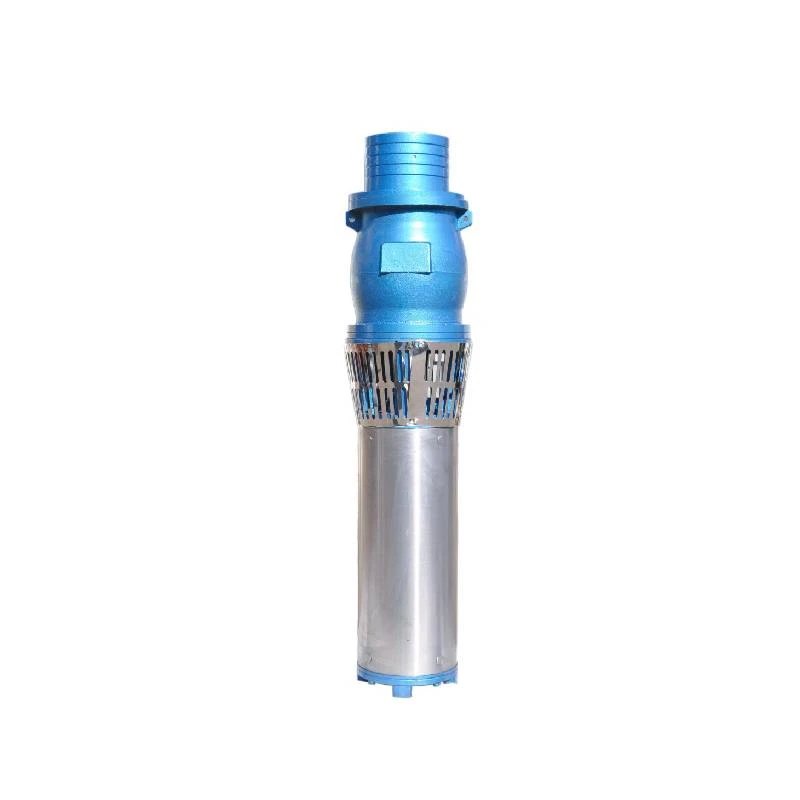 Submersible Pond Pump: The Hidden Guardian of Water Landscape EcologyIn courtyard landscapes, ecological ponds, and even small-scale water conservancy projects, there is a silent yet indispensable equipment - the Submersible Pond Pump.Detail
 -
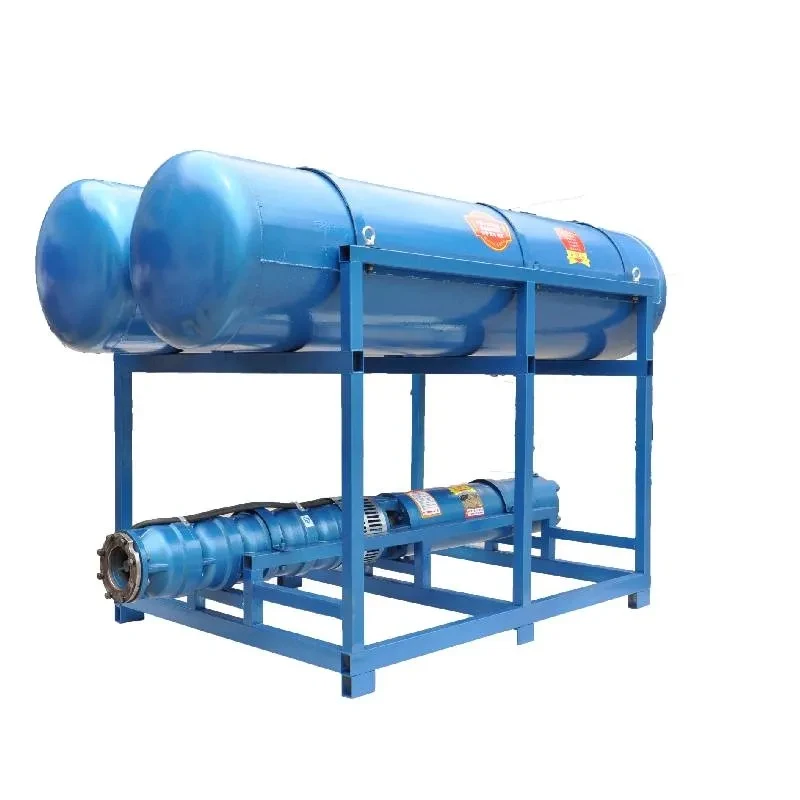 Stainless Well Pump: A Reliable and Durable Pumping Main ForceIn the field of water resource transportation, Stainless Well Pump has become the core equipment for various pumping scenarios with its excellent performance and reliable quality.Detail
 English
  Afrikaans
  Albanian
  Amharic
  Arabic
  Armenian
  Azerbaijani
  Basque
  Belarusian
  Bengali
  Bosnian
  Bulgarian
  Catalan
  Cebuano
  Corsican
  Croatian
  Czech
Czech  Danish
  Dutch
Dutch  Esperanto
  Estonian
  Finnish
  French
  Frisian
  Galician
  Georgian
  German
  Greek
Greek  Gujarati
  Haitian Creole
  Hausa
Hausa  Hawaiian
  Hebrew
  Hindi
Hindi  Miao
Miao  Hungarian
  Icelandic
  Igbo
Igbo  Indonesian
  Irish
Irish  Italian
  Japanese
  Javanese
  Kannada
  Kazakh
  Khmer
Khmer  Rwandese
  Korean
  Kurdish
  Kyrgyz
  Lao
Lao  Latin
Latin  Latvian
  Lithuanian
  Luxembourgish
  Macedonian
  Malgashi
  Malay
Malay  Malayalam
  Maltese
  Maori
Maori  Marathi
  Mongolian
  Myanmar
  Nepali
  Norwegian
  Norwegian
  Occitan
  Pashto
  Persian
  Polish
  Portuguese
  Punjabi
  Romanian
  Russian
  Samoan
  Scottish Gaelic
  Serbian
  Sesotho
  Shona
Shona  Sindhi
  Sinhala
  Slovak
  Slovenian
  Somali
  Spanish
  Sundanese
  Swahili
  Swedish
  Tagalog
  Tajik
Tajik  Tamil
Tamil  Tatar
Tatar  Telugu
  Thai
Thai  Turkish
  Turkmen
  Ukrainian
  Urdu
Urdu  Uighur
  Uzbek
Uzbek  Vietnamese
  Welsh
Welsh  Bantu
Bantu  Yiddish
  Yoruba
  Zulu
Zulu