
Dec . 06, 2024 22:35 Back to list
automatic submersible water pump
Exploring Automatic Submersible Water Pumps A Reliable Solution for Water Management
In today’s world, effective water management is essential for various applications, ranging from agricultural irrigation to industrial processes and even household maintenance. One indispensable tool in achieving efficient water control is the automatic submersible water pump. These devices offer a practical solution for pumping water from wells, reservoirs, or flooded areas, operating efficiently while requiring minimal human intervention. This article delves into the features, applications, and advantages of automatic submersible water pumps, emphasizing their role in modern water management systems.
What is an Automatic Submersible Water Pump?
An automatic submersible water pump is a type of pump designed to function while submerged in water. Unlike traditional pumping systems that require external equipment to lift water, submersible pumps operate underwater, utilizing an electric motor to drive an impeller that pushes water to the surface. The automatic feature typically refers to built-in sensors that allow the pump to operate without manual control, automatically starting and stopping based on the water level.
Key Features
1. Built-in Float Switch One of the defining characteristics of automatic submersible water pumps is the float switch. This sensor rises and falls with the water level, activating the pump when the water reaches a certain height and deactivating it when the water level drops. This feature prevents over-pumping and dry running, protecting the pump from damage.
2. Durability and Construction These pumps are generally constructed from robust materials such as stainless steel or high-grade plastic, allowing them to withstand harsh conditions, including corrosive and abrasive environments. Their design also incorporates waterproof seals to prevent leaks and internal damage.
3. Efficiency and Power Automatic submersible pumps are engineered for high efficiency. They minimize energy consumption while delivering substantial pumping capacity. Depending on the model and application, they can pump thousands of gallons per hour.
4. Ease of Use Installation and operation are straightforward. Users can simply place the pump into the water source, connect it to a power supply, and let the automatic features handle the rest. This ease of use makes these pumps highly accessible for both professional and personal applications.
Applications
Automatic submersible water pumps are versatile and can be used in numerous settings
1. Residential Use Homeowners often employ these pumps for draining flooded basements, removing water from ponds, or managing irrigation systems.
automatic submersible water pump
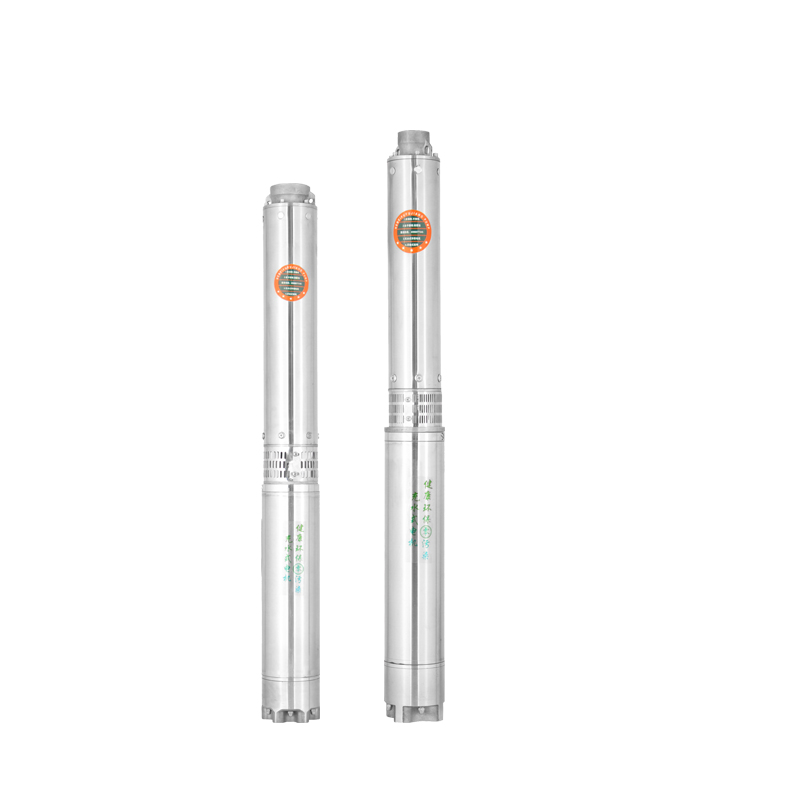
3. Construction Sites These pumps facilitate the removal of water from excavations and foundations, preventing delays in construction projects due to water accumulation.
4. Industrial Applications Factories and industrial sites utilize automatic submersible pumps for processing, wastewater treatment, and cooling systems. Their ability to handle large volumes of water makes them ideal for industrial uses.
5. Emergency Services In emergencies, such as natural disasters or flooding, these pumps can quickly evacuate water, helping to protect properties and restore order.
Advantages
The advantages of using automatic submersible water pumps are numerous
1. Automatic Operation The self-activating feature saves time and labor, making it a cost-effective solution for water management.
2. Space Efficiency Since they operate submerged, these pumps take up less space and can be used in confined areas where traditional pumps would be impractical.
3. Safety Submersible pumps reduce the risk of electrical hazards associated with water management, as they operate fully enclosed in the water.
4. Adaptability With various models available, including those designed for clean water, dirty water, or even sewage, users can select pumps tailored to their specific needs.
5. Environmentally Friendly Many modern automatic submersible pumps are designed to be energy-efficient, thus reducing their carbon footprint while performing effectively.
In conclusion, automatic submersible water pumps represent a critical advancement in water management technology. With their efficient operation, durability, and versatility, these pumps are making a significant impact across multiple industries. As the demand for effective water management solutions grows, embracing technologies like automatic submersible pumps will be paramount in ensuring sustainable and reliable water usage in our communities. Whether for personal, agricultural, or industrial applications, these pumps demonstrate their value as indispensable tools in our ever-changing world.
-
Submersible Water Pump: The Efficient 'Power Pioneer' of the Underwater World
NewsJul.01,2025
-
Submersible Pond Pump: The Hidden Guardian of Water Landscape Ecology
NewsJul.01,2025
-
Stainless Well Pump: A Reliable and Durable Pumping Main Force
NewsJul.01,2025
-
Stainless Steel Submersible Pump: An Efficient and Versatile Tool for Underwater Operations
NewsJul.01,2025
-
Deep Well Submersible Pump: An Efficient 'Sucker' of Groundwater Sources
NewsJul.01,2025
-
Deep Water Well Pump: An Efficient 'Sucker' of Groundwater Sources
NewsJul.01,2025
-
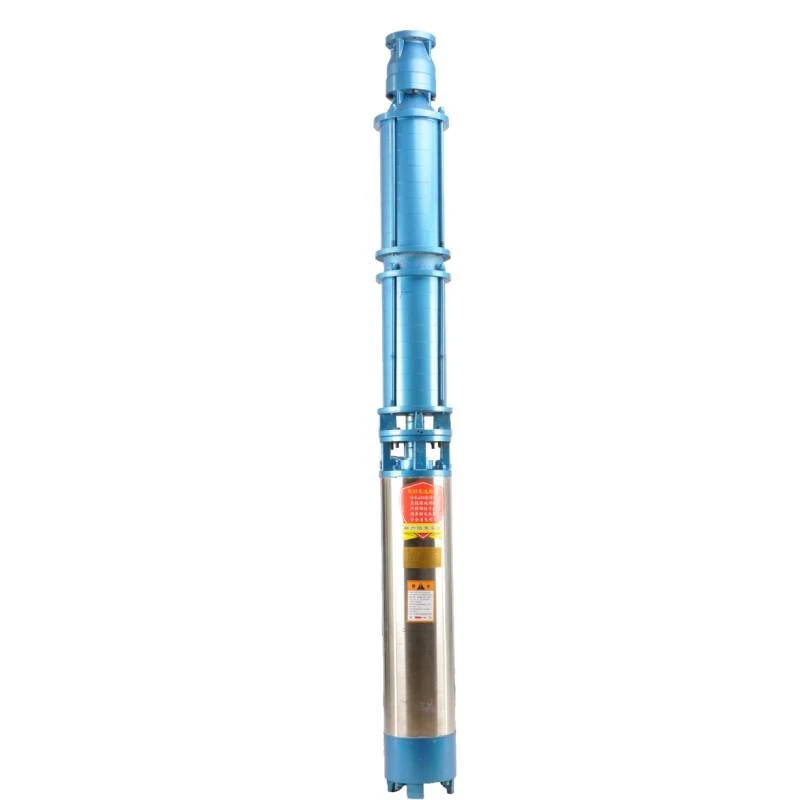 Submersible Water Pump: The Efficient 'Power Pioneer' of the Underwater WorldIn the field of hydraulic equipment, the Submersible Water Pump has become the core equipment for underwater operations and water resource transportation due to its unique design and excellent performance.Detail
 -
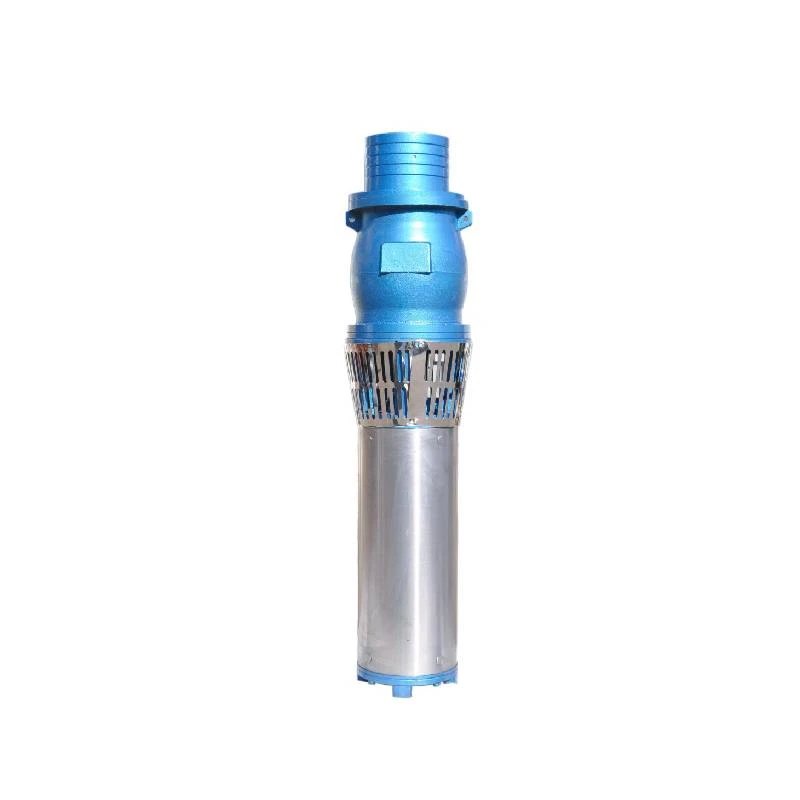 Submersible Pond Pump: The Hidden Guardian of Water Landscape EcologyIn courtyard landscapes, ecological ponds, and even small-scale water conservancy projects, there is a silent yet indispensable equipment - the Submersible Pond Pump.Detail
 -
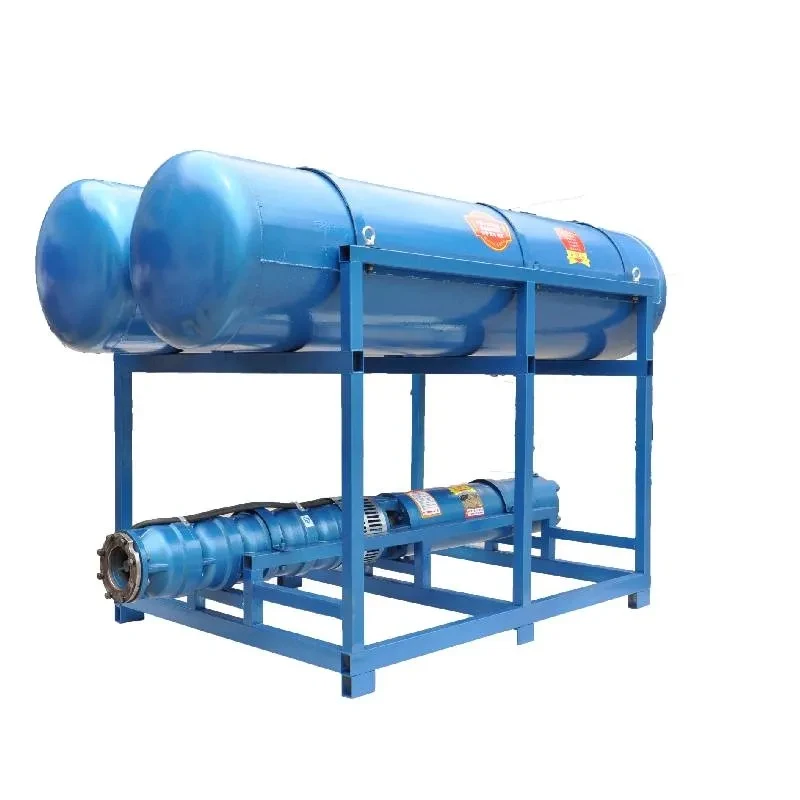 Stainless Well Pump: A Reliable and Durable Pumping Main ForceIn the field of water resource transportation, Stainless Well Pump has become the core equipment for various pumping scenarios with its excellent performance and reliable quality.Detail
 English
  Afrikaans
  Albanian
  Amharic
  Arabic
  Armenian
  Azerbaijani
  Basque
  Belarusian
  Bengali
  Bosnian
  Bulgarian
  Catalan
  Cebuano
  Corsican
  Croatian
  Czech
Czech  Danish
  Dutch
Dutch  Esperanto
  Estonian
  Finnish
  French
  Frisian
  Galician
  Georgian
  German
  Greek
Greek  Gujarati
  Haitian Creole
  Hausa
Hausa  Hawaiian
  Hebrew
  Hindi
Hindi  Miao
Miao  Hungarian
  Icelandic
  Igbo
Igbo  Indonesian
  Irish
Irish  Italian
  Japanese
  Javanese
  Kannada
  Kazakh
  Khmer
Khmer  Rwandese
  Korean
  Kurdish
  Kyrgyz
  Lao
Lao  Latin
Latin  Latvian
  Lithuanian
  Luxembourgish
  Macedonian
  Malgashi
  Malay
Malay  Malayalam
  Maltese
  Maori
Maori  Marathi
  Mongolian
  Myanmar
  Nepali
  Norwegian
  Norwegian
  Occitan
  Pashto
  Persian
  Polish
  Portuguese
  Punjabi
  Romanian
  Russian
  Samoan
  Scottish Gaelic
  Serbian
  Sesotho
  Shona
Shona  Sindhi
  Sinhala
  Slovak
  Slovenian
  Somali
  Spanish
  Sundanese
  Swahili
  Swedish
  Tagalog
  Tajik
Tajik  Tamil
Tamil  Tatar
Tatar  Telugu
  Thai
Thai  Turkish
  Turkmen
  Ukrainian
  Urdu
Urdu  Uighur
  Uzbek
Uzbek  Vietnamese
  Welsh
Welsh  Bantu
Bantu  Yiddish
  Yoruba
  Zulu
Zulu