
Dec . 07, 2024 08:41 Back to list
auto submersible pump
Understanding Auto Submersible Pumps Key Features and Applications
Auto submersible pumps, also known as automatic submersible pumps, are specialized devices designed to operate underwater and efficiently manage the transfer of fluids, particularly in situations where gravity drainage is not feasible. These pumps are typically employed in various applications, including water extraction, sewage management, and industrial fluid transfer. Their automatic features, robustness, and versatility make them an essential tool in both domestic and commercial settings.
Design and Functionality
Auto submersible pumps are engineered to be submerged in the fluid they are designed to pump. This characteristic eliminates the need for suction lines and minimizes the risk of cavitation, making them highly efficient. The pump is usually encased in a sealed housing to protect it from corrosion and wear, as they often operate in harsh environments. Most auto submersible pumps are constructed from durable materials such as stainless steel or thermoplastic, ensuring longevity and reliability.
The core functionality of an auto submersible pump revolves around its impeller mechanism, which creates low pressure to draw water or other fluids into the pump housing. The fluids are then expelled through a discharge pipe. One of the standout features of these pumps is their automatic operation, which is facilitated by built-in sensors. These sensors monitor water levels and can turn the pump on or off as needed, enhancing efficiency and preventing overflow or dry running scenarios.
Key Features
1. Automatic Operation The hallmark of auto submersible pumps is their automatic start and stop functionality. This is often controlled by float switches that detect liquid levels, allowing for seamless operation without manual intervention.
2. Self-Priming Capability Unlike many pumps that need to be primed before use, auto submersible pumps can self-prime, making them ideal for various applications, especially in drainage situations.
3. Versatility These pumps can handle a wide range of fluids, from clear water to more viscous liquids. They are commonly used in residential, agricultural, and industrial contexts, making them highly versatile tools.
4. Energy Efficiency Many modern auto submersible pumps are designed with energy efficiency in mind. With advancements in motor technology and pump design, they are capable of achieving greater flow rates while consuming less energy.
auto submersible pump

5. Portability Many models are designed to be lightweight and easily transportable, allowing for convenient use in various locations, whether it’s for temporary jobs or fixed installations.
Applications
Auto submersible pumps have a multitude of applications across different sectors
- Residential Use In homes, these pumps are invaluable for draining flooded basements, managing stormwater, or watering gardens. They provide a practical solution for homeowners dealing with excess water.
- Agriculture Farmers utilize auto submersible pumps for irrigation purposes, ensuring that crops receive adequate water supply. They are ideal for extracting water from wells or ponds and distributing it to fields.
- Industrial Applications Many manufacturing and construction sites implement these pumps to manage water collection, control process wastewater, and facilitate various fluid handling tasks. Their robustness makes them suitable for tough industrial environments.
- Sewage Management Auto submersible pumps are often employed in wastewater treatment facilities and sewage systems to transport effluent to treatment plants. This application highlights their reliability and capacity for handling solid materials present in sewage.
Conclusion
Auto submersible pumps play a crucial role in fluid management across various sectors and applications. Their automatic functionality, efficiency, and versatility make them an indispensable tool for both domestic and industrial purposes. As technology continues to advance, we can expect even greater improvements in their design and efficiency, ensuring they remain a reliable choice for tackling fluid transfer challenges in the years to come. Whether for managing excess water in a home or handling industrial waste, these pumps are a testament to innovative engineering that meets diverse fluid management needs.
-
Submersible Water Pump: The Efficient 'Power Pioneer' of the Underwater World
NewsJul.01,2025
-
Submersible Pond Pump: The Hidden Guardian of Water Landscape Ecology
NewsJul.01,2025
-
Stainless Well Pump: A Reliable and Durable Pumping Main Force
NewsJul.01,2025
-
Stainless Steel Submersible Pump: An Efficient and Versatile Tool for Underwater Operations
NewsJul.01,2025
-
Deep Well Submersible Pump: An Efficient 'Sucker' of Groundwater Sources
NewsJul.01,2025
-
Deep Water Well Pump: An Efficient 'Sucker' of Groundwater Sources
NewsJul.01,2025
-
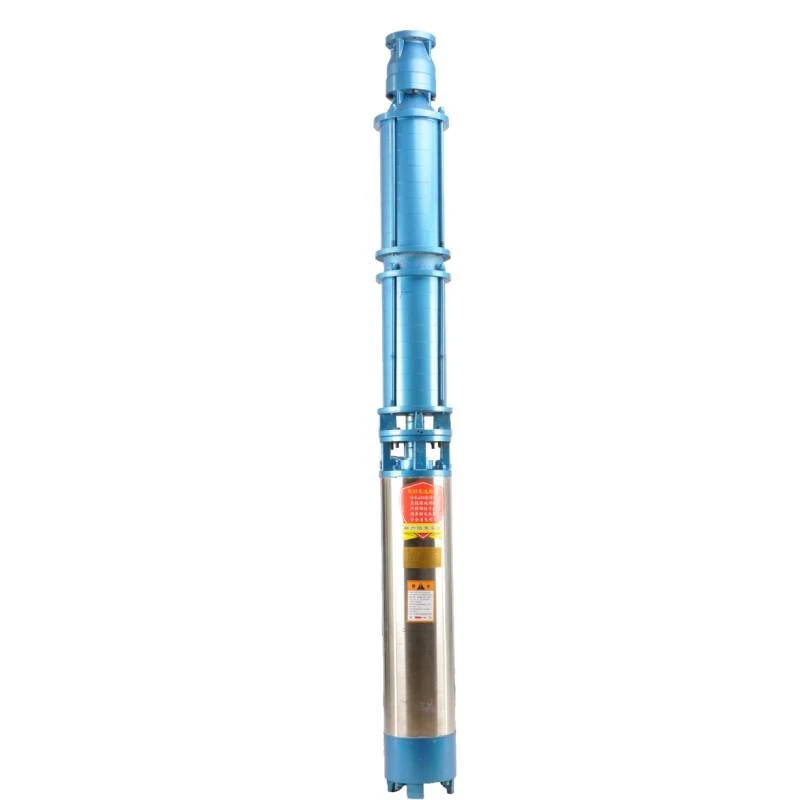 Submersible Water Pump: The Efficient 'Power Pioneer' of the Underwater WorldIn the field of hydraulic equipment, the Submersible Water Pump has become the core equipment for underwater operations and water resource transportation due to its unique design and excellent performance.Detail
 -
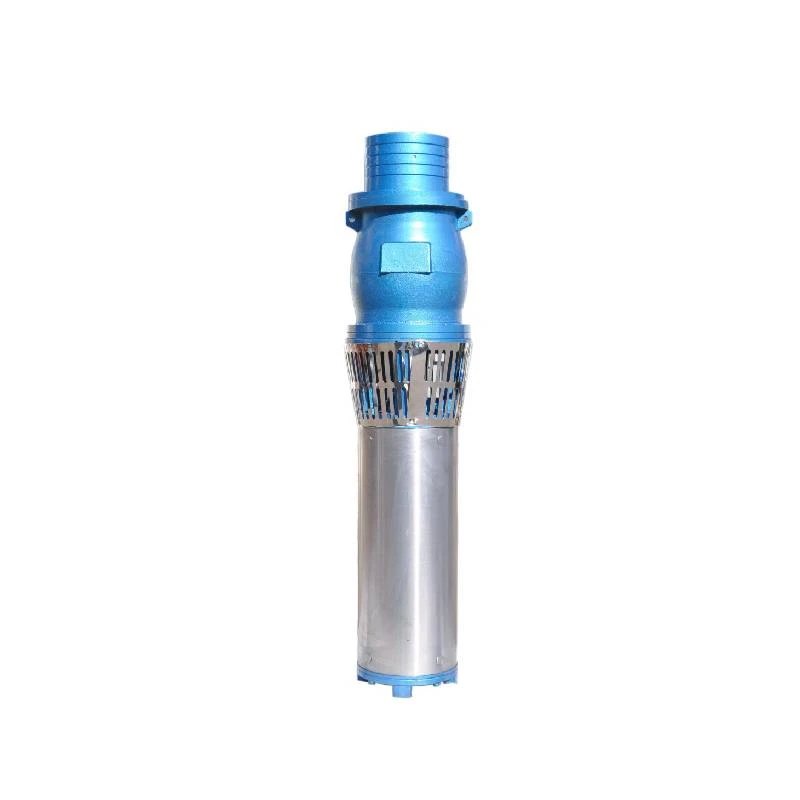 Submersible Pond Pump: The Hidden Guardian of Water Landscape EcologyIn courtyard landscapes, ecological ponds, and even small-scale water conservancy projects, there is a silent yet indispensable equipment - the Submersible Pond Pump.Detail
 -
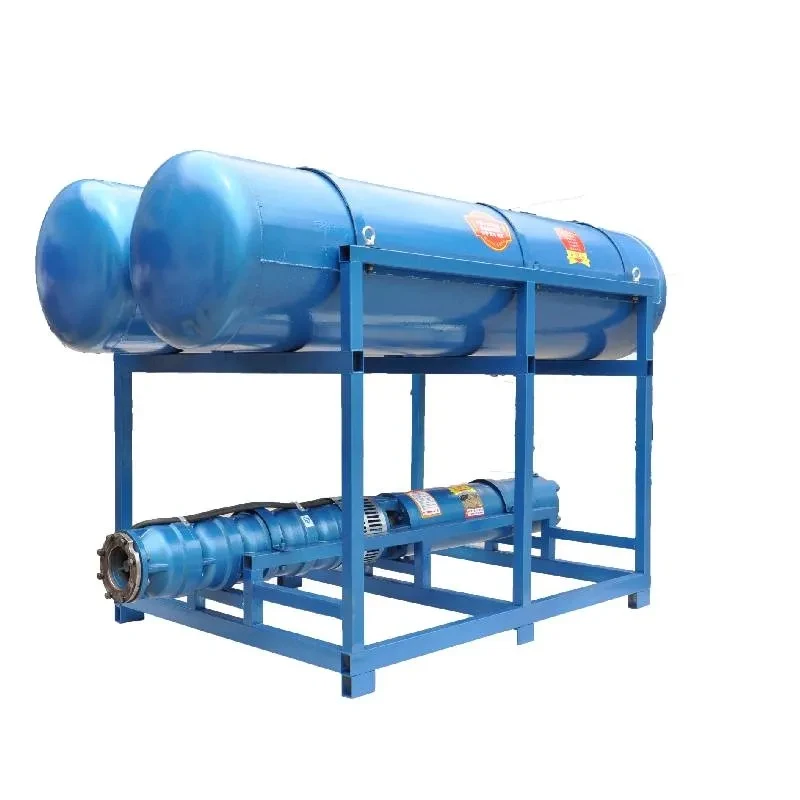 Stainless Well Pump: A Reliable and Durable Pumping Main ForceIn the field of water resource transportation, Stainless Well Pump has become the core equipment for various pumping scenarios with its excellent performance and reliable quality.Detail
 English
  Afrikaans
  Albanian
  Amharic
  Arabic
  Armenian
  Azerbaijani
  Basque
  Belarusian
  Bengali
  Bosnian
  Bulgarian
  Catalan
  Cebuano
  Corsican
  Croatian
  Czech
Czech  Danish
  Dutch
Dutch  Esperanto
  Estonian
  Finnish
  French
  Frisian
  Galician
  Georgian
  German
  Greek
Greek  Gujarati
  Haitian Creole
  Hausa
Hausa  Hawaiian
  Hebrew
  Hindi
Hindi  Miao
Miao  Hungarian
  Icelandic
  Igbo
Igbo  Indonesian
  Irish
Irish  Italian
  Japanese
  Javanese
  Kannada
  Kazakh
  Khmer
Khmer  Rwandese
  Korean
  Kurdish
  Kyrgyz
  Lao
Lao  Latin
Latin  Latvian
  Lithuanian
  Luxembourgish
  Macedonian
  Malgashi
  Malay
Malay  Malayalam
  Maltese
  Maori
Maori  Marathi
  Mongolian
  Myanmar
  Nepali
  Norwegian
  Norwegian
  Occitan
  Pashto
  Persian
  Polish
  Portuguese
  Punjabi
  Romanian
  Russian
  Samoan
  Scottish Gaelic
  Serbian
  Sesotho
  Shona
Shona  Sindhi
  Sinhala
  Slovak
  Slovenian
  Somali
  Spanish
  Sundanese
  Swahili
  Swedish
  Tagalog
  Tajik
Tajik  Tamil
Tamil  Tatar
Tatar  Telugu
  Thai
Thai  Turkish
  Turkmen
  Ukrainian
  Urdu
Urdu  Uighur
  Uzbek
Uzbek  Vietnamese
  Welsh
Welsh  Bantu
Bantu  Yiddish
  Yoruba
  Zulu
Zulu