
Dec . 03, 2025 10:04 Back to list
Comprehensive Guide to Automatic Submersible Utility Pumps: Uses, Benefits & Innovations
Understanding the Automatic Submersible Utility Pump: A Critical Tool in Modern Water Management
If you’ve ever dealt with flooding, irrigation, or even municipal water systems, you might appreciate what an automatic submersible utility pump can do. This humble machine quietly handles countless water challenges worldwide, from draining flooded basements to supporting industrial operations in remote locations. It’s not just about moving water; it’s about efficiency, safety, and sustainability — all wrapped up in a compact, reliable device. Today, we’re diving into what makes these pumps indispensable globally, exploring their inner workings, benefits, and the future innovations that keep them relevant.
Global Relevance of Automatic Submersible Utility Pumps
Globally, water management is a pressing issue. According to the United Nations, over 2 billion people worldwide live in water-stressed areas. In regions prone to flooding or drought, efficient water handling solutions become crucial. Automatic submersible utility pumps offer a practical response to these challenges. They provide quick, energy-efficient water removal or transfer that supports agriculture, construction, disaster relief, and municipal water supply.
For example, the World Bank highlights the critical role pumps play in irrigation, ensuring food security in developing countries with unpredictable rainfall patterns. Without reliable pumping solutions, entire communities could face the dire consequences of water shortage or property damage. On a more industrial scale, these pumps keep mining and manufacturing waters in check, reducing downtime and environmental hazards.
Defining the Automatic Submersible Utility Pump
In simple terms, an automatic submersible utility pump is a device designed to pump water (or other liquids) while completely submerged. What makes it “automatic” is its ability to start and stop without human intervention, typically triggered by a float switch or sensor that detects water level changes. This means it’s perfect for situations that require hands-free operation, like in sump pits or septic systems.
These pumps integrate seamlessly into modern industrial workflows and humanitarian projects alike. They’re vital where manual pumping is impractical or unsafe — think of flood-prone urban neighborhoods or remote disaster zones. The fact that they are “utility” pumps implies they’re versatile, handling a range of liquids and conditions, including murky water with sediment, which broadens their practical use.
Key Components and Factors That Make a Difference
Durability
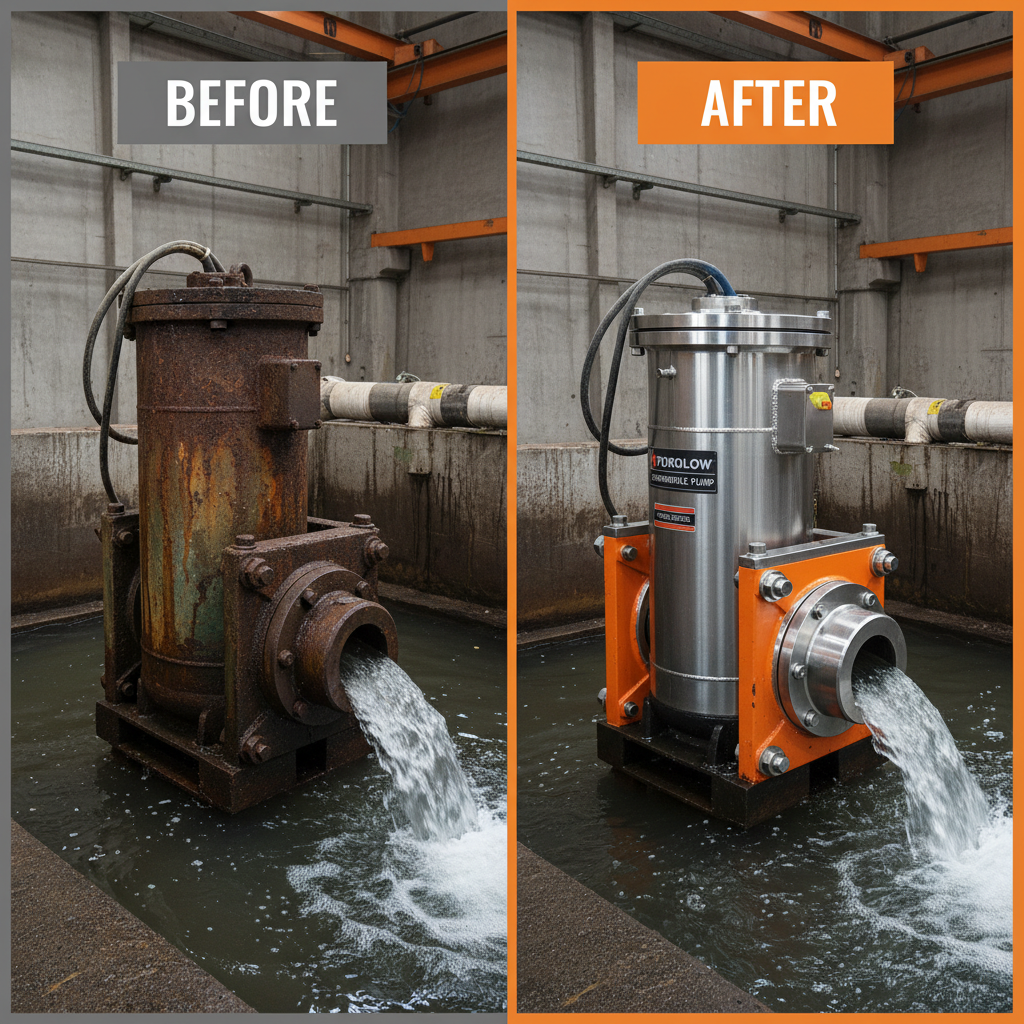
These pumps often find themselves immersed in harsh environments — grit, corrosive chemicals, extreme temperatures. Thus, materials like stainless steel or high-grade polymers are common. A pump that fails after a few uses isn’t just an inconvenience; it’s a risk to operations and safety.
Scalability
Whether you’re draining a small basement or supporting an industrial dewatering project, pumping needs vary widely. The ability to select models ranging from a few hundred watts to several kilowatts, with varying flow rates and head heights, allows customization that meets both small-scale and large-scale demands.
Cost Efficiency
Energy consumption can be a hidden cost in pumping systems, especially where power supply isn’t cheap or reliable. Automatic submersible pumps often boast energy-saving motors and automation to cut down unnecessary running time. Plus, lower maintenance means fewer service calls and downtime.
Ease of Installation and Maintenance
Time is money, and pumps that are tricky to install or require frequent attention quickly become burdens. Compact designs, plug-and-play electrical connections, and accessible parts simplify life for technicians.
Product Specification Snapshot
| Specification | Typical Value |
|---|---|
| Power Rating | 0.5 HP to 3 HP |
| Maximum Flow Rate | 100 to 250 gallons/minute |
| Material | Stainless Steel / High-grade Plastic |
| Automatic Control | Float Switch or Electronic Sensor |
| Discharge Diameter | 1.5 to 3 inches |
| Max Submersion Depth | Up to 20 meters |
Global Applications & Real-World Use Cases
Automatic submersible pumps have a broad footprint worldwide. In flood-prone cities like New Orleans or Dhaka, they are frontline defenders against water damage. In agriculture-heavy countries like India and Brazil, they support irrigation systems critical to food production. Humanitarian organizations utilize them during disaster relief efforts to remove stagnant floodwaters rapidly, limiting health risks from waterborne diseases.
Oddly enough, you’ll even find these pumps in indoor industrial environments managing cooling water or wastewater systems. Remote mining operations in Australia and Canada use them to keep shafts dry and operations running smoothly.
I came across an NGO case where an automatic submersible utility pump was installed in a post-hurricane shelter in the Caribbean. The hands-free operation allowed staff to focus on rebuilding efforts rather than manual water removal — a small but impactful difference.
Vendor Comparison Table
| Vendor | Price Range | Key Features | Warranty | Energy Efficiency |
|---|---|---|---|---|
| PumpTech Industries | $250 – $600 | Corrosion resistant, smart sensor integration | 3 years | High |
| HydroFlow Solutions | $300 – $700 | Heavy duty, easy maintenance design | 5 years | Medium |
| EcoPump Co. | $350 – $650 | Energy star certified, sustainable materials | 4 years | Very High |
Advantages & Long-Term Value
Why bother with an automatic submersible utility pump? For starters, they’re a robust source of peace of mind. No one enjoys finding flooded basements or stalled industrial equipment, but these pumps help prevent such headaches before they happen.
Besides reliability, the sustainability angle is increasingly important. Pumps incorporating energy-efficient motors reduce carbon footprints, while durable materials mean fewer replacements—a plus for cost-conscious operators and the planet.
Emotionally, it’s also about safety and dignity. For communities vulnerable to water-related disasters, having a dependable system restores a sense of control and hope. Functionally, it’s innovation answering practical needs — blending technology and everyday reality.
Future Trends and Innovations
Looking ahead, the next generation of these pumps is exciting. Many companies are embracing digital IoT (Internet of Things) technologies — enabling remote monitoring, predictive maintenance, and automated alerts. Imagine a pump that not only reacts automatically but also tells you when something’s about to go wrong.
Materials science innovations offer corrosion-resistant composites weighing less but lasting longer. Plus, green energy integration is on the rise. Solar-powered automatic submersible utility pumps are gaining traction, particularly in off-grid or disaster-prone locations.
The trend towards sustainability, efficiency, and digital interoperability is clear, but I suppose the challenge remains in balancing cost versus cutting-edge features for many users, especially in developing economies.
Common Challenges & Practical Solutions
It’s not all rosy. Pumps can face clogging, electrical hazards, and wear issues, particularly in demanding environments with sediment and debris. Manufacturers advise regular inspections and use of filters or screens to reduce these risks.
Another hurdle is power supply inconsistency, especially in remote areas. Here, hybrid solutions incorporating battery backup or renewables come into play, ensuring pumps can keep running during outages. I often recommend users choose models with easy-to-service motors and readily available parts to avoid costly downtime.
FAQ: Frequently Asked Questions About Automatic Submersible Utility Pumps
- Q: How does an automatic submersible utility pump detect when to switch on or off?
- A: These pumps typically use float switches or electronic sensors that monitor water levels. When the water rises to a specific height, the pump automatically activates. Once water drops below the threshold, it shuts off, eliminating manual intervention.
- Q: Can these pumps handle dirty or debris-filled water?
- A: Many utility pumps are designed to handle water containing small solids or sediment. However, it’s essential to check the maximum particle size rating and ensure proper filtration to prevent pump damage.
- Q: What maintenance steps are essential for prolonging pump life?
- Regular cleaning, checking seals and electrical components, and ensuring the float switch functions properly will keep the pump running longer. Also, avoid running the pump dry, as it can damage internal parts.
- Q: Is it feasible to operate these pumps using solar power?
- Yes, solar-powered automatic submersible pumps are increasingly common, especially for irrigation and remote water management. Ensure you select a solar-compatible model and have appropriate battery or energy storage systems.
- Q: How do I choose the right pump size for my application?
- Generally, consider your required flow rate, maximum pumping height (head), and liquid type. Consulting with a supplier or engineer to match these parameters avoids under- or over-sizing.
Conclusion: Looking Ahead with Confidence
In real terms, the automatic submersible utility pump isn’t just equipment; it’s a lifeline that quietly supports myriad industries and communities worldwide. Its blend of automation, durability, and efficiency makes it essential in addressing today’s water challenges and many yet to come. For those curious to explore more or invest in dependable solutions, I encourage you to visit automatic submersible utility pump. There you'll find expert advice and product options tailored to diverse needs.
Mini takeaway: The automatic submersible utility pump is an unsung hero of modern infrastructure, harmonizing technology and practicality to make water management smarter and safer.
References
-
Understanding the Price Submersible Pump and Buyer Guide
NewsApr.16,2026
-
Factors Affecting the Price for Submersible Pump a Buyers Guide
NewsApr.09,2026
-
Choosing the Right Mini Submersible Fountain Pump for Optimal Water Feature Performance
NewsApr.07,2026
-
A Detailed Guide to Installing a Submersible Pump for Optimal Performance
NewsApr.04,2026
-
Comprehensive Guide on How to Test a Submersible Water Well Pump Effectively
NewsMar.31,2026
-
Learn How to Replace a Submersible Well Pump Safely and Effectively
NewsMar.28,2026
-
 Understanding the Price Submersible Pump and Buyer GuideWhen searching for the ideal water management solution, understanding the price submersible pump options is crucial for balancing budget with performance. Whether you are dealing with a flooded basement, managing agricultural irrigation, or extracting water from a deep well, the cost of a submersible pump can vary significantly based on its build quality and capacity. Investing in a high-quality pump ensures long-term reliability and reduces the frequency of expensive replacements. In this guide, we will break down the factors that influence pricing and help you make an informed decision for your specific needs.Detail
 -
 Factors Affecting the Price for Submersible Pump a Buyers GuideWhen investing in water management systems, understanding the price for submersible pump options is essential for balancing performance with budget. Whether you are managing a residential well, an industrial drainage project, or agricultural irrigation, the cost of a pump is rarely a flat fee; it is a reflection of the engineering, materials, and capacity required for your specific environment. In this guide, we will break down the factors that influence pricing and help you determine the best value for your investment to ensure long-term reliability and efficiency.Detail
 -
 Choosing the Right Mini Submersible Fountain Pump for Optimal Water Feature PerformanceCreating a beautiful and relaxing water feature doesn't have to be complicated. A mini submersible fountain pump is the heart of any indoor or outdoor fountain, and selecting the right one is crucial for optimal performance and longevity. This article will guide you through the key considerations when choosing a mini submersible fountain pump, covering types, features, applications, and how to ensure you get the perfect pump for your project. We’ll also explore how Wellpumpact can provide you with the ideal solution.Detail
 Afrikaans
 Albanian
 Amharic
 Arabic
 Armenian
 Azerbaijani
 Basque
 Belarusian
 Bengali
 Bosnian
 Bulgarian
 Catalan
 Cebuano
 Corsican
 Croatian
 Czech
Czech
 Danish
 Dutch
Dutch
 Esperanto
 Estonian
 Finnish
 French
 Frisian
 Galician
 Georgian
 German
 Greek
Greek
 Gujarati
 Haitian Creole
 Hausa
Hausa
 Hawaiian
 Hebrew
 Hindi
Hindi
 Miao
Miao
 Hungarian
 Icelandic
 Igbo
Igbo
 Indonesian
 Irish
Irish
 Italian
 Japanese
 Javanese
 Kannada
 Kazakh
 Khmer
Khmer
 Rwandese
 Korean
 Kurdish
 Kyrgyz
 Lao
Lao
 Latin
Latin
 Latvian
 Lithuanian
 Luxembourgish
 Macedonian
 Malgashi
 Malay
Malay
 Malayalam
 Maltese
 Maori
Maori
 Marathi
 Mongolian
 Myanmar
 Nepali
 Norwegian
 Norwegian
 Occitan
 Pashto
 Persian
 Polish
 Portuguese
 Punjabi
 Romanian
 Russian
 Samoan
 Scottish Gaelic
 Serbian
 Sesotho
 Shona
Shona
 Sindhi
 Sinhala
 Slovak
 Slovenian
 Somali
 Spanish
 Sundanese
 Swahili
 Swedish
 Tagalog
 Tajik
Tajik
 Tamil
Tamil
 Tatar
Tatar
 Telugu
 Thai
Thai
 Turkish
 Turkmen
 Ukrainian
 Urdu
Urdu
 Uighur
 Uzbek
Uzbek
 Vietnamese
 Welsh
Welsh
 Bantu
Bantu
 Yiddish
 Yoruba
 Zulu
Zulu
 English