
Nov . 30, 2025 13:10 Back to list
Comprehensive Guide to Submerged Well Pumps – Benefits, Uses, and Future Trends
Why Understanding the Submerged Well Pump Matters Today
If you’ve ever wondered how water gets out of deep underground wells to homes and industries worldwide, the submerged well pump is right at the heart of that process. These specialized pumps aren’t just a piece of machinery; they’re the unsung heroes ensuring clean water access, irrigation, and industrial flow across countless regions. Understanding submerged well pumps is not only technical curiosity — it’s crucial for global water security and sustainable development.
In real terms, these pumps help tap into underground reserves with minimal surface disruption and are pivotal in areas lacking surface water. Given climate challenges and rising water demands, they’re growing in importance. So, whether you’re an engineer, policymaker, or simply someone interested in how modern infrastructure quietly works, this article offers a friendly yet semi-technical dive into submerged well pumps, their global significance, and why they matter beyond just pipes and motors.
Global Context: The Growing Need for Reliable Submerged Well Pumps
Here’s a stat that might surprise you: according to the United Nations, over 2 billion people globally experience water scarcity at least one month per year. Many of these populations rely heavily on groundwater sources pumped through submerged well pumps.
In agricultural hubs across Asia and Africa, these pumps irrigate vast fields. In urban centers, they supply drinking water hidden beneath concrete jungles. The International Organization for Standardization (ISO) has created norms to ensure quality and efficiency of such pumps, reflecting their critical role in industry and humanitarian projects alike.
However, challenges remain. Faulty pumps cause downtime, expensive repairs, and often endanger communities dependent on steady water flow. Hence, the emphasis on robust, scalable submerged well pump designs continues to rise worldwide — both in developed markets and emerging economies.
What Exactly Is a Submerged Well Pump?
In simple terms, a submerged well pump is a pump system installed below the surface of a water well, often submerged in water, that lifts water from deep underground to the surface for use. Unlike surface pumps, these devices are designed to withstand continuous submersion and handle variable pressures and temperatures effectively.
They usually consist of a motor and pump assembly stacked vertically inside a steel or PVC column pipe. When activated, the motor drives the pump impellers, pushing water upward through discharge pipes. This technology is widespread in everything from household wells to large-scale industrial operations or emergency disaster relief.
Their modern iterations increasingly incorporate corrosion-resistant materials and smart sensor interfaces, marrying engineering with real-world humanitarian needs. For example, NGOs deploying water systems in remote zones often prioritize submerged pumps due to their reliability and low maintenance.
Core Components That Define a Submerged Well Pump
1. Durability
One of the most talked-about features among field engineers is how long these pumps can last under harsh conditions. Submerged well pumps often spend years underwater, exposed to contaminants, mineral buildup, and mechanical wear. Hence, corrosion resistance — often via stainless steel or coated alloys — is crucial.
2. Scalability
Whether pulling a few gallons per minute for rural households or several thousand liters for an industrial complex, a submerged well pump’s design must scale. Variable horsepower motors and multi-stage impeller designs allow it to fit differing needs efficiently.
3. Energy Efficiency
Given pumping accounts for a significant chunk of industrial energy use, many manufacturers optimize submerged well pumps to consume less electricity while maintaining strong flow and pressure. High efficiency reduces operational costs, which is especially important in regions with unreliable power grids.
4. Ease of Maintenance
While submerged in water, accessibility for repairs is limited. Good designs factor in modular components and monitoring sensors so technicians can identify issues remotely and intervene timely — an increasingly popular trend.
5. Material Quality
From ultra-high molecular weight polyethylene for pipes to Grade 316 stainless steel in motors, materials define how long and well a pump runs under pressure and corrosion.
Mini Takeaway:
The best submerged well pumps marry rugged materials with smart engineering, tuning durability and efficiency to suit global water demands and varied use cases.
Where Are Submerged Well Pumps Making a Difference?
It’s fascinating how these pumps ripple through diverse industries and geographies:
- Agriculture: In the expansive agricultural belts of India and Egypt, groundwater irrigation powered by submerged well pumps ensures food security during dry seasons.
- Municipal Water Supply: Cities like Cape Town have leaned heavily on deep wells equipped with these pumps during drought crises.
- Industrial Operations: Mining and manufacturing plants use these pumps to control groundwater and supply process water efficiently.
- Humanitarian Projects: NGOs deploy submerged well pumps in refugee camps and disaster zones to provide clean drinking water reliably.
For example, after the 2010 Haiti earthquake, aid groups installed thousands of submerged pumps to foster sustainable water access, helping communities regain normalcy.
Advantages & Long-Term Value of Submerged Well Pumps
On the practical side, submerged well pumps offer several undeniable benefits:
- Cost-Effectiveness: Their longevity and ice-cold efficiency make them cheaper over decades compared to surface alternatives.
- Sustainability: By minimizing surface infrastructure, they reduce environmental disturbances and can integrate with solar or wind-powered setups.
- Reliability: Submersion breaks fewer parts and reduces vulnerability to weather extremes.
- Social Impact: Steady water access supports health and dignity — sometimes an overlooked emotional return on investment.
What struck me most while researching is how many communities talk about the pump almost like a household member — a trusted resource that ensures life flows smoothly.
Looking Ahead: Future Trends in Submerged Well Pump Technology
We’re seeing neat innovations shaping the next generation of these pumps:
- Smart Monitoring: IoT sensors provide real-time data on pump conditions, enabling predictive maintenance and reducing downtime.
- Green Energy Integration: Partnerships with solar power drastically reduce operational carbon footprints — critical for remote, off-grid applications.
- Advanced Materials: Nanocoatings and composite materials promise even better corrosion resistance and lighter units, boosting deployment ease.
- Design Customization: Software-driven engineering tailors pumps to site-specific needs, driving better efficiency.
Challenges and Practical Solutions
Of course, submerged well pumps aren’t perfect. Common issues include:
- Clogging from sediment or biofouling, which reduces flow over time.
- Electrical failures due to moisture ingress or voltage spikes.
- High upfront costs for premium materials and installation.
To counter these, experts recommend:
- Improved filtration systems to protect pumps at the intake.
- Routine inspection schedules aided by remote sensors.
- Financial models that spread investment cost over pump lifecycle.
Ultimately, sound project planning and technology adaptation go hand in hand.
Product Specification Table: Typical Submerged Well Pump Features
| Feature | Specification | Comments |
|---|---|---|
| Motor Power | 1.5 - 15 HP | Ranges per application need |
| Material | 304 / 316 Stainless Steel | Corrosion-resistant |
| Flow Rate | 10 - 500 L/min | Suitable for variable volumes |
| Max Depth | 150 meters | Ideal for deep wells |
| Operating Voltage | 220 - 480V AC | Single or three-phase |
Vendor Comparison: Choosing the Right Submerged Well Pump Supplier
| Vendor | Product Range | Price Range | Warranty | Notable Features |
|---|---|---|---|---|
| AquaFlow Pumps | Small to industrial scale | $800 - $12,000 | 3 years | Smart sensors included |
| DeepSource Tech | Heavy-duty and custom | $1500 - $20,000 | 5 years | Custom coatings, remote diagnostics |
| WaterWell Systems | Residential & Light Industry | $600 - $5,000 | 2 years | Affordable, quick delivery |
Common Questions About Submerged Well Pumps
- Q: How deep can a submerged well pump typically operate?
- A: Most pumps are designed to operate at depths up to 150 meters, depending on model and installation. For extremely deep wells, customized solutions often come into play.
- Q: What causes a submerged well pump to fail prematurely?
- A: Common causes include sediment clogging, electrical faults from moisture, and corrosion. Routine maintenance and quality materials reduce these risks significantly.
- Q: Can I use a solar-powered submerged well pump?
- A: Absolutely! Many modern pumps are compatible with solar systems, making them ideal for off-grid or eco-conscious applications, though power requirements must be matched carefully.
- Q: How often should I schedule maintenance for these pumps?
- A: Generally, yearly inspections combined with real-time sensor monitoring are recommended to catch issues early and extend the pump’s lifespan.
- Q: Is installation complex for submerged well pumps?
- A: Installation requires specialized knowledge, given submersion and depth factors. It’s often best handled by certified professionals to ensure safety and efficiency.
Wrapping It Up: Why the Submerged Well Pump Is a Lasting Investment
Over the years, I’ve come to see submerged well pumps not just as machines but as critical lifelines. Their ability to mesh rugged engineering with growing technological advances makes them essential for modern water management — be it in parched rural areas or bustling urban centers.
Investing time and thought into choosing and maintaining the right pump pays dividends in sustainability, cost savings, and community well-being. If you want to explore models or learn how these pumps can fit your project, don’t hesitate to visit our submerged well pump resource page for detailed guides and expert support.
References:
-
Understanding the Price Submersible Pump and Buyer Guide
NewsApr.16,2026
-
Factors Affecting the Price for Submersible Pump a Buyers Guide
NewsApr.09,2026
-
Choosing the Right Mini Submersible Fountain Pump for Optimal Water Feature Performance
NewsApr.07,2026
-
A Detailed Guide to Installing a Submersible Pump for Optimal Performance
NewsApr.04,2026
-
Comprehensive Guide on How to Test a Submersible Water Well Pump Effectively
NewsMar.31,2026
-
Learn How to Replace a Submersible Well Pump Safely and Effectively
NewsMar.28,2026
-
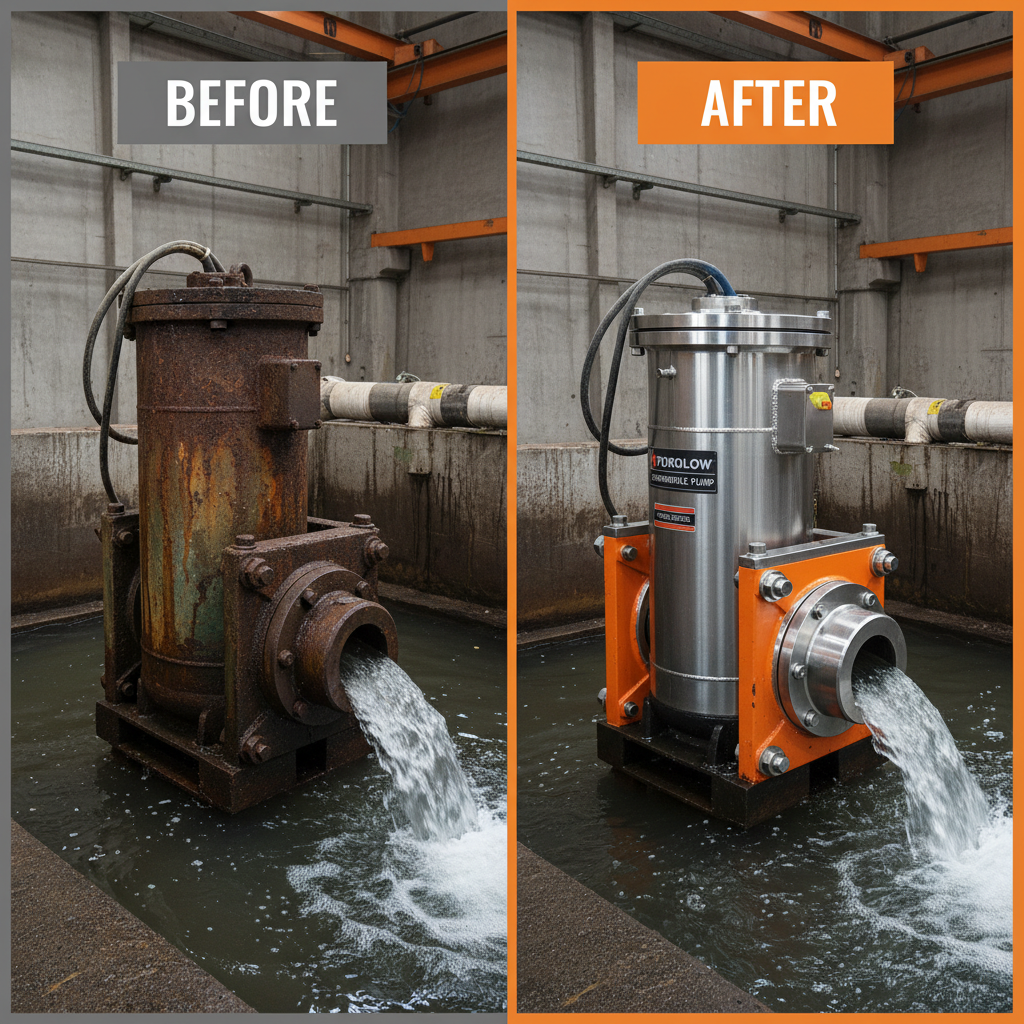 Understanding the Price Submersible Pump and Buyer GuideWhen searching for the ideal water management solution, understanding the price submersible pump options is crucial for balancing budget with performance. Whether you are dealing with a flooded basement, managing agricultural irrigation, or extracting water from a deep well, the cost of a submersible pump can vary significantly based on its build quality and capacity. Investing in a high-quality pump ensures long-term reliability and reduces the frequency of expensive replacements. In this guide, we will break down the factors that influence pricing and help you make an informed decision for your specific needs.Detail
 -
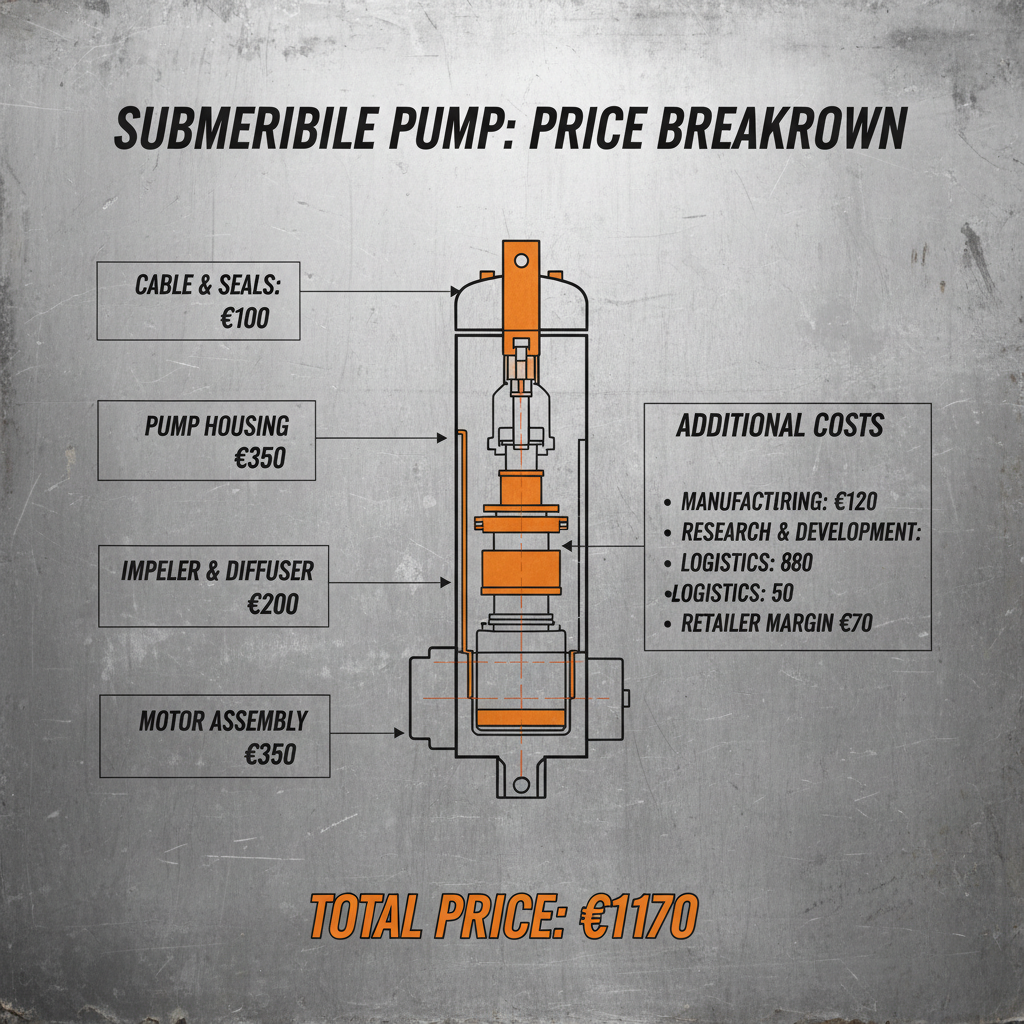 Factors Affecting the Price for Submersible Pump a Buyers GuideWhen investing in water management systems, understanding the price for submersible pump options is essential for balancing performance with budget. Whether you are managing a residential well, an industrial drainage project, or agricultural irrigation, the cost of a pump is rarely a flat fee; it is a reflection of the engineering, materials, and capacity required for your specific environment. In this guide, we will break down the factors that influence pricing and help you determine the best value for your investment to ensure long-term reliability and efficiency.Detail
 -
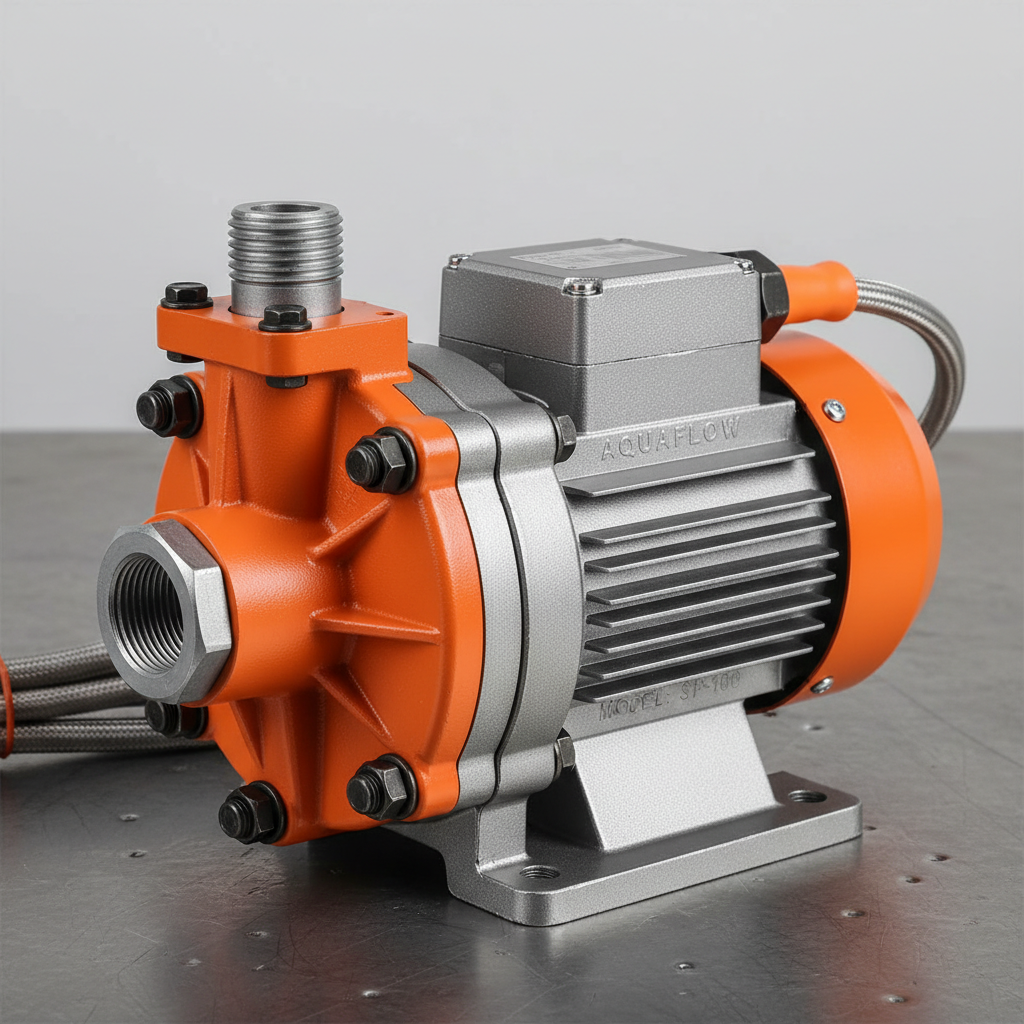 Choosing the Right Mini Submersible Fountain Pump for Optimal Water Feature PerformanceCreating a beautiful and relaxing water feature doesn't have to be complicated. A mini submersible fountain pump is the heart of any indoor or outdoor fountain, and selecting the right one is crucial for optimal performance and longevity. This article will guide you through the key considerations when choosing a mini submersible fountain pump, covering types, features, applications, and how to ensure you get the perfect pump for your project. We’ll also explore how Wellpumpact can provide you with the ideal solution.Detail
 Afrikaans
 Albanian
 Amharic
 Arabic
 Armenian
 Azerbaijani
 Basque
 Belarusian
 Bengali
 Bosnian
 Bulgarian
 Catalan
 Cebuano
 Corsican
 Croatian
 Czech
Czech
 Danish
 Dutch
Dutch
 Esperanto
 Estonian
 Finnish
 French
 Frisian
 Galician
 Georgian
 German
 Greek
Greek
 Gujarati
 Haitian Creole
 Hausa
Hausa
 Hawaiian
 Hebrew
 Hindi
Hindi
 Miao
Miao
 Hungarian
 Icelandic
 Igbo
Igbo
 Indonesian
 Irish
Irish
 Italian
 Japanese
 Javanese
 Kannada
 Kazakh
 Khmer
Khmer
 Rwandese
 Korean
 Kurdish
 Kyrgyz
 Lao
Lao
 Latin
Latin
 Latvian
 Lithuanian
 Luxembourgish
 Macedonian
 Malgashi
 Malay
Malay
 Malayalam
 Maltese
 Maori
Maori
 Marathi
 Mongolian
 Myanmar
 Nepali
 Norwegian
 Norwegian
 Occitan
 Pashto
 Persian
 Polish
 Portuguese
 Punjabi
 Romanian
 Russian
 Samoan
 Scottish Gaelic
 Serbian
 Sesotho
 Shona
Shona
 Sindhi
 Sinhala
 Slovak
 Slovenian
 Somali
 Spanish
 Sundanese
 Swahili
 Swedish
 Tagalog
 Tajik
Tajik
 Tamil
Tamil
 Tatar
Tatar
 Telugu
 Thai
Thai
 Turkish
 Turkmen
 Ukrainian
 Urdu
Urdu
 Uighur
 Uzbek
Uzbek
 Vietnamese
 Welsh
Welsh
 Bantu
Bantu
 Yiddish
 Yoruba
 Zulu
Zulu
 English