
Dec . 12, 2024 00:19 Back to list
Evaluating Expenses for Replacing Submersible Well Pumps and Their Impact on Budget
Understanding the Cost of Submersible Well Pump Replacement
Submersible well pumps are essential components of water supply systems, especially in rural areas, agricultural settings, and municipal water services. Over time, these pumps may experience wear and tear, requiring replacement for efficient water delivery. Understanding the costs associated with replacing a submersible well pump is crucial for homeowners and businesses alike, as it ensures an informed decision can be made when such maintenance is necessary.
Factors Influencing Replacement Costs
1. Type of Pump Submersible pumps come in various types and capacities. The cost will largely depend on the pump model selected, which is influenced by the depth of the well and the volume of water required. Generally, the more powerful the pump, the higher the price. For example, a basic 1/2 horsepower pump might cost around $500, while a larger, more powerful 5-horsepower pump could exceed $2,000.
2. Depth of the Well The depth of the well plays a significant role in the replacement costs. Deeper wells require longer, heavier pipes and potentially more powerful pumps, increasing both material and labor costs. If a well is particularly deep—say, over 250 feet—additional expenses may accrue for specialized equipment and prolonged labor time.
3. Labor Costs Hiring a professional for installation is highly recommended, and labor costs can vary widely based on geographic location and local wage rates. On average, homeowners may expect to pay between $50 and $150 per hour for a qualified technician. Installation typically takes several hours and may require additional time for disassembly and transportation.
cost of submersible well pump replacement
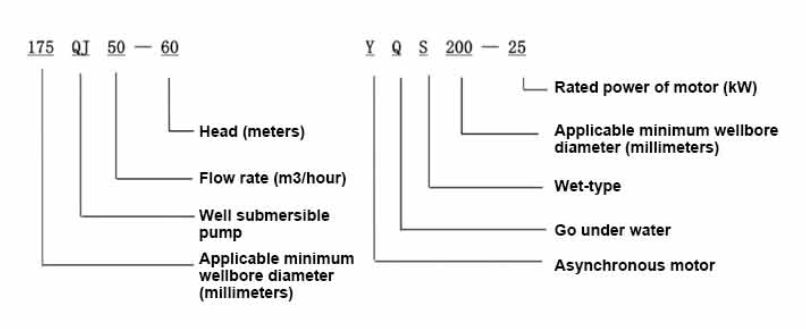
4. Additional Components When replacing a submersible pump, it may be necessary to replace associated components such as electrical wiring, circuitry, and pressure tanks. These additional components can substantially increase the overall replacement cost. It’s wise to budget for these extra expenses; otherwise, the finished job may not meet usage requirements.
5. Permits and Inspections In many areas, replacing a submersible well pump requires obtaining a permit, which may involve inspection fees. These costs should be factored into the total expense, as violations of local codes can lead to fines and additional repairs.
Average Total Costs
In general, the total cost for replacing a submersible well pump can range from $1,500 to $5,000, depending on the factors discussed. For instance, a more straightforward replacement involving a standard pump with an installation depth of less than 200 feet could run approximately $2,000 to $3,000, while complex scenarios involving deeper wells, upgraded pumps, and extensive additional repairs could push the costs to the upper end of the scale.
Conclusion
Understanding the myriad of factors affecting the cost of replacing submersible well pumps can empower homeowners and decision-makers to approach the situation with clarity and foresight. Prioritizing regular maintenance and installation by qualified professionals can help mitigate unforeseen costs and prolong the life of the system, optimizing water delivery for years to come. If you suspect issues with your submersible well pump, act quickly; early intervention can save money and reduce the extent of repairs required. Always seek three quotes from different contractors and check their credentials to ensure the best value for your investment.
-
Submersible Water Pump: The Efficient 'Power Pioneer' of the Underwater World
NewsJul.01,2025
-
Submersible Pond Pump: The Hidden Guardian of Water Landscape Ecology
NewsJul.01,2025
-
Stainless Well Pump: A Reliable and Durable Pumping Main Force
NewsJul.01,2025
-
Stainless Steel Submersible Pump: An Efficient and Versatile Tool for Underwater Operations
NewsJul.01,2025
-
Deep Well Submersible Pump: An Efficient 'Sucker' of Groundwater Sources
NewsJul.01,2025
-
Deep Water Well Pump: An Efficient 'Sucker' of Groundwater Sources
NewsJul.01,2025
-
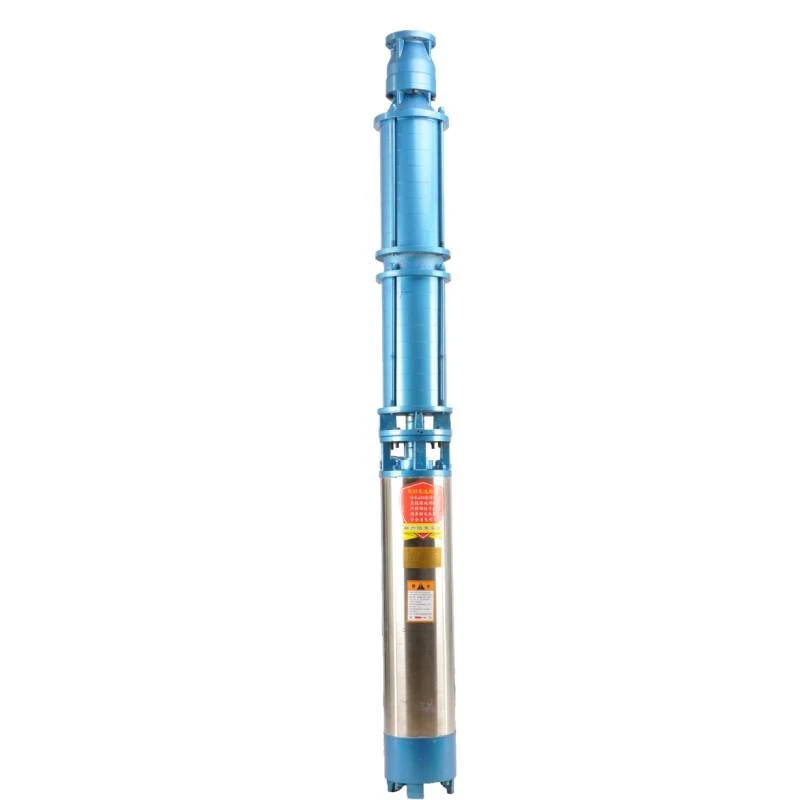 Submersible Water Pump: The Efficient 'Power Pioneer' of the Underwater WorldIn the field of hydraulic equipment, the Submersible Water Pump has become the core equipment for underwater operations and water resource transportation due to its unique design and excellent performance.Detail
 -
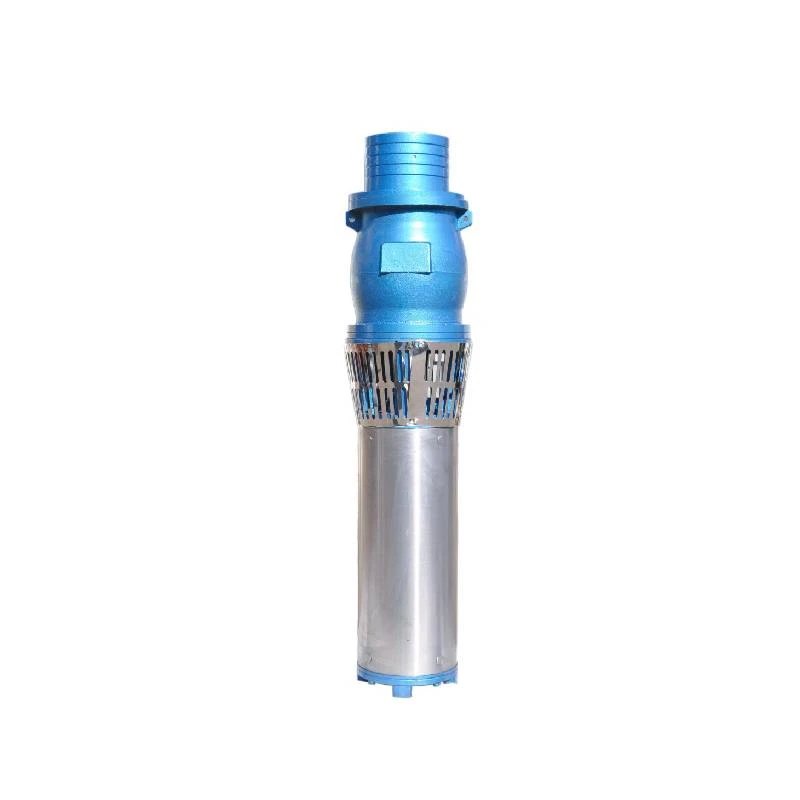 Submersible Pond Pump: The Hidden Guardian of Water Landscape EcologyIn courtyard landscapes, ecological ponds, and even small-scale water conservancy projects, there is a silent yet indispensable equipment - the Submersible Pond Pump.Detail
 -
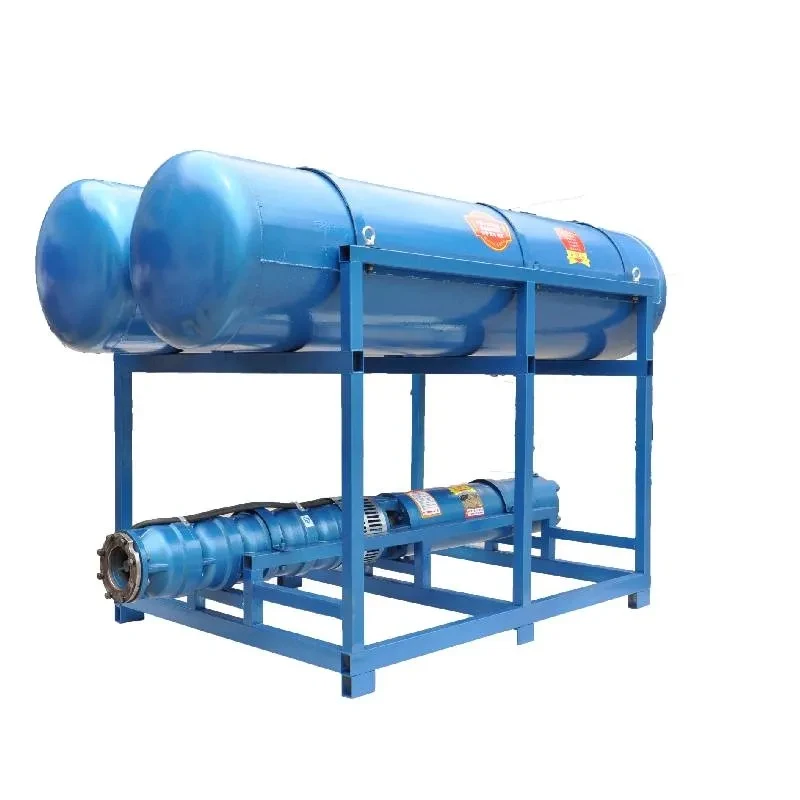 Stainless Well Pump: A Reliable and Durable Pumping Main ForceIn the field of water resource transportation, Stainless Well Pump has become the core equipment for various pumping scenarios with its excellent performance and reliable quality.Detail
 English
  Afrikaans
  Albanian
  Amharic
  Arabic
  Armenian
  Azerbaijani
  Basque
  Belarusian
  Bengali
  Bosnian
  Bulgarian
  Catalan
  Cebuano
  Corsican
  Croatian
  Czech
Czech  Danish
  Dutch
Dutch  Esperanto
  Estonian
  Finnish
  French
  Frisian
  Galician
  Georgian
  German
  Greek
Greek  Gujarati
  Haitian Creole
  Hausa
Hausa  Hawaiian
  Hebrew
  Hindi
Hindi  Miao
Miao  Hungarian
  Icelandic
  Igbo
Igbo  Indonesian
  Irish
Irish  Italian
  Japanese
  Javanese
  Kannada
  Kazakh
  Khmer
Khmer  Rwandese
  Korean
  Kurdish
  Kyrgyz
  Lao
Lao  Latin
Latin  Latvian
  Lithuanian
  Luxembourgish
  Macedonian
  Malgashi
  Malay
Malay  Malayalam
  Maltese
  Maori
Maori  Marathi
  Mongolian
  Myanmar
  Nepali
  Norwegian
  Norwegian
  Occitan
  Pashto
  Persian
  Polish
  Portuguese
  Punjabi
  Romanian
  Russian
  Samoan
  Scottish Gaelic
  Serbian
  Sesotho
  Shona
Shona  Sindhi
  Sinhala
  Slovak
  Slovenian
  Somali
  Spanish
  Sundanese
  Swahili
  Swedish
  Tagalog
  Tajik
Tajik  Tamil
Tamil  Tatar
Tatar  Telugu
  Thai
Thai  Turkish
  Turkmen
  Ukrainian
  Urdu
Urdu  Uighur
  Uzbek
Uzbek  Vietnamese
  Welsh
Welsh  Bantu
Bantu  Yiddish
  Yoruba
  Zulu
Zulu