
Dec . 10, 2024 03:37 Back to list
Multistage Submersible Pump for Deep Well Applications and Efficient Water Extraction
Deep Well Multistage Submersible Pumps A Comprehensive Overview
Deep well multistage submersible pumps play a critical role in various applications, particularly in agricultural irrigation, municipal water supply, and industrial processes. These pumps are engineered to operate effectively at significant depths, offering a reliable solution for extracting groundwater.
Operating Principle
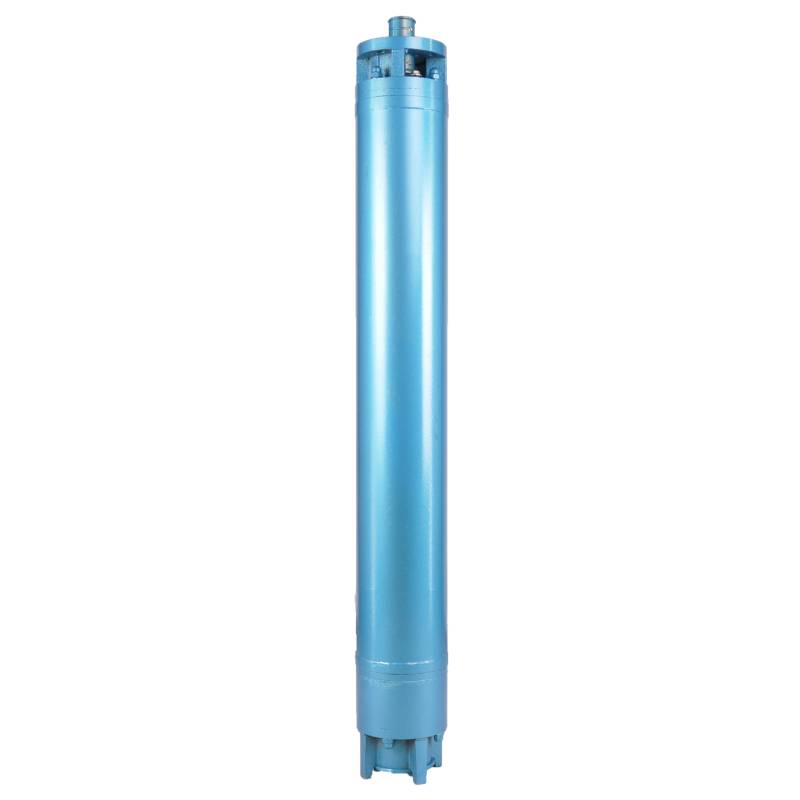
At its core, a deep well multistage submersible pump consists of a series of impellers and diffusers arranged in a vertical layout, allowing for high efficiency and significant pressure boosting capabilities. The pump is submerged in water, which eliminates issues like cavitation and reduces noise levels associated with surface pumps.
When the pump operates, the electric motor drives the impellers, which impart kinetic energy to the water. As water moves through each stage, the velocity converts to pressure, allowing the pump to lift water from deep underground aquifers. This multistage design ensures that these pumps can deliver water from depths ranging from hundreds to thousands of feet.
Applications
1. Agricultural Irrigation One of the primary uses of deep well multistage submersible pumps is in agriculture. Farmers rely on these pumps to extract groundwater for irrigation, maximizing crop yield in arid regions. Because they can operate in deep wells, these pumps are ideal for areas where surface water is scarce.
2. Municipal Water Supply In urban settings, these pumps are crucial for supplying clean drinking water to households. Municipal water departments utilize deep well submersible pumps to tap into aquifers and ensure a steady and reliable supply of water to meet the demands of growing populations.
3. Industrial Applications Industries that require large volumes of water for manufacturing processes also benefit from deep well multistage submersible pumps. These pumps can efficiently deliver water for cooling, processing, and other operational needs.
deep well multistage submersible pump
Benefits
1. Efficiency Multistage pumps are engineered to operate efficiently across a range of flow rates and pressures. The ability to adjust to different conditions without sacrificing performance makes them a valuable asset in both agricultural and industrial settings.
2. Durability Constructed from robust materials like stainless steel and corrosion-resistant alloys, deep well submersible pumps are designed to withstand harsh environments. This durability extends the lifespan of the pumps, reducing maintenance costs and downtime.
3. Space-saving Design Since these pumps are submerged, they do not require extensive above-ground infrastructure. This allows for a more aesthetically pleasing setup and frees up space for other uses.
4. Reduced Noise Levels With the motor and components submerged underwater, noise levels are significantly reduced, creating a more tranquil environment, especially in residential areas.
Considerations for Installation
When installing a deep well multistage submersible pump, several factors must be considered, including the well's depth, water quality, and desired flow rate. Proper sizing is crucial to ensure optimal performance and longevity. Additionally, using the correct installation techniques and materials is essential to prevent future operational issues.
Conclusion
Deep well multistage submersible pumps are indispensable in today’s water management landscape. Their efficiency, durability, and suitability for deep extraction make them a reliable choice across various sectors, from agriculture to municipal water supply and industrial applications. As global water challenges continue to grow, the importance of these pumps will only increase, driving innovation and advancements in pump technology to meet future demands. Whether for irrigation, municipal needs, or industrial processes, deep well multistage submersible pumps will remain at the forefront of sustainable water extraction solutions.
-
Submersible Water Pump: The Efficient 'Power Pioneer' of the Underwater World
NewsJul.01,2025
-
Submersible Pond Pump: The Hidden Guardian of Water Landscape Ecology
NewsJul.01,2025
-
Stainless Well Pump: A Reliable and Durable Pumping Main Force
NewsJul.01,2025
-
Stainless Steel Submersible Pump: An Efficient and Versatile Tool for Underwater Operations
NewsJul.01,2025
-
Deep Well Submersible Pump: An Efficient 'Sucker' of Groundwater Sources
NewsJul.01,2025
-
Deep Water Well Pump: An Efficient 'Sucker' of Groundwater Sources
NewsJul.01,2025
-
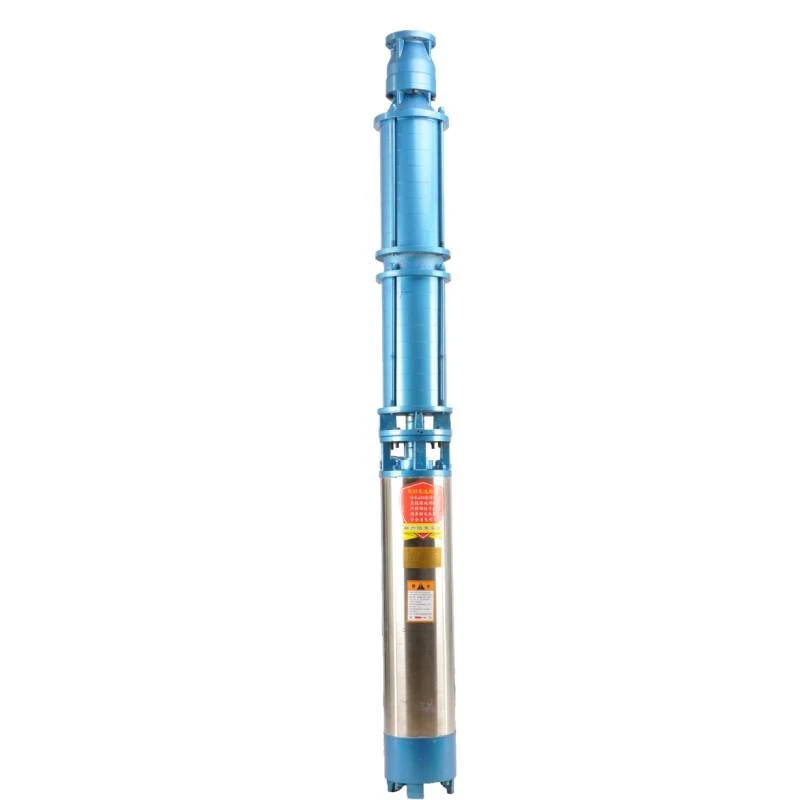 Submersible Water Pump: The Efficient 'Power Pioneer' of the Underwater WorldIn the field of hydraulic equipment, the Submersible Water Pump has become the core equipment for underwater operations and water resource transportation due to its unique design and excellent performance.Detail
 -
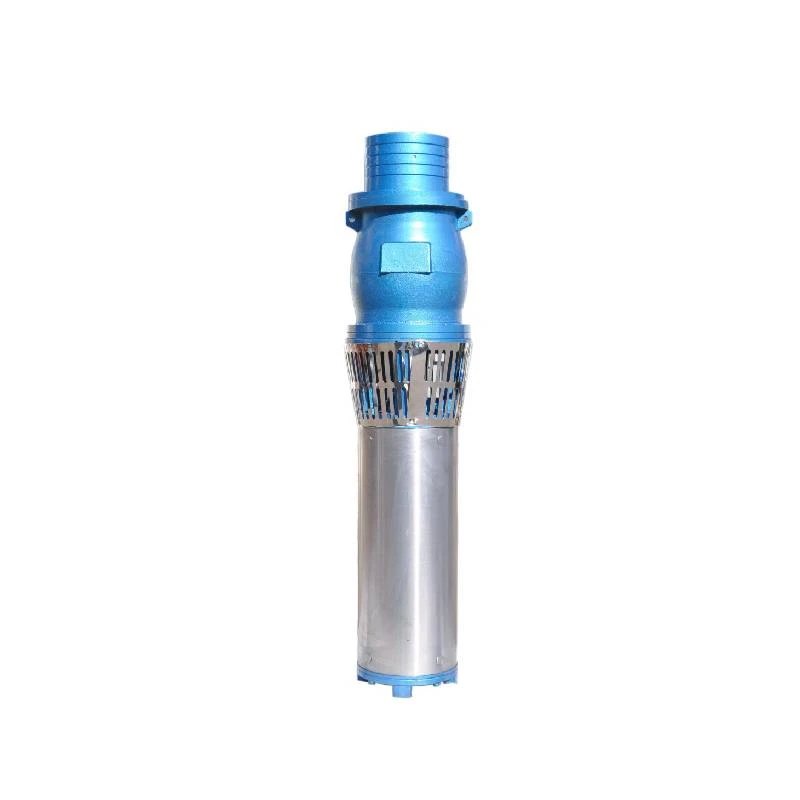 Submersible Pond Pump: The Hidden Guardian of Water Landscape EcologyIn courtyard landscapes, ecological ponds, and even small-scale water conservancy projects, there is a silent yet indispensable equipment - the Submersible Pond Pump.Detail
 -
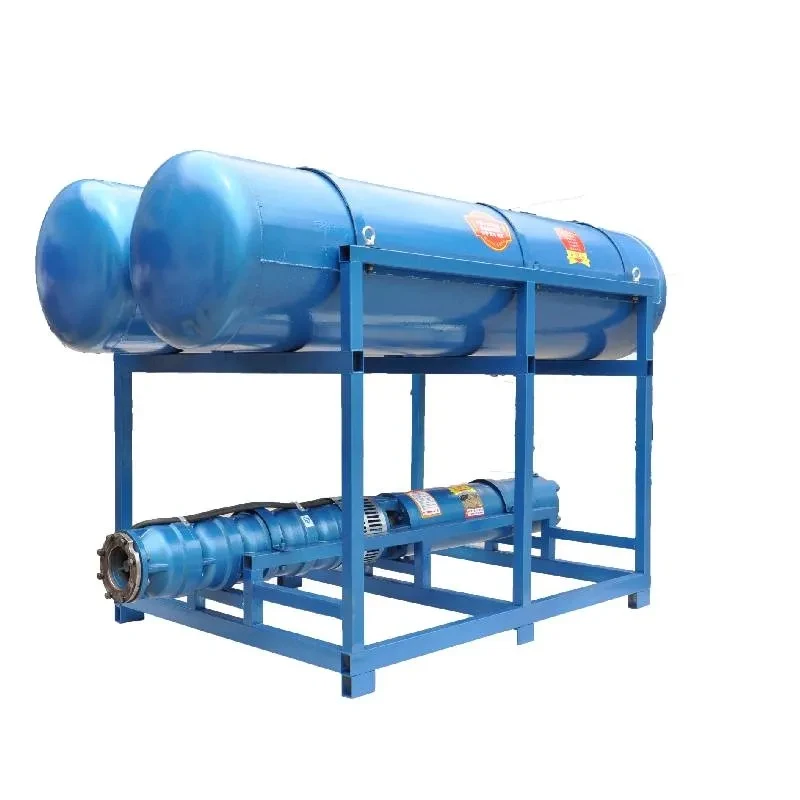 Stainless Well Pump: A Reliable and Durable Pumping Main ForceIn the field of water resource transportation, Stainless Well Pump has become the core equipment for various pumping scenarios with its excellent performance and reliable quality.Detail
 English
  Afrikaans
  Albanian
  Amharic
  Arabic
  Armenian
  Azerbaijani
  Basque
  Belarusian
  Bengali
  Bosnian
  Bulgarian
  Catalan
  Cebuano
  Corsican
  Croatian
  Czech
Czech  Danish
  Dutch
Dutch  Esperanto
  Estonian
  Finnish
  French
  Frisian
  Galician
  Georgian
  German
  Greek
Greek  Gujarati
  Haitian Creole
  Hausa
Hausa  Hawaiian
  Hebrew
  Hindi
Hindi  Miao
Miao  Hungarian
  Icelandic
  Igbo
Igbo  Indonesian
  Irish
Irish  Italian
  Japanese
  Javanese
  Kannada
  Kazakh
  Khmer
Khmer  Rwandese
  Korean
  Kurdish
  Kyrgyz
  Lao
Lao  Latin
Latin  Latvian
  Lithuanian
  Luxembourgish
  Macedonian
  Malgashi
  Malay
Malay  Malayalam
  Maltese
  Maori
Maori  Marathi
  Mongolian
  Myanmar
  Nepali
  Norwegian
  Norwegian
  Occitan
  Pashto
  Persian
  Polish
  Portuguese
  Punjabi
  Romanian
  Russian
  Samoan
  Scottish Gaelic
  Serbian
  Sesotho
  Shona
Shona  Sindhi
  Sinhala
  Slovak
  Slovenian
  Somali
  Spanish
  Sundanese
  Swahili
  Swedish
  Tagalog
  Tajik
Tajik  Tamil
Tamil  Tatar
Tatar  Telugu
  Thai
Thai  Turkish
  Turkmen
  Ukrainian
  Urdu
Urdu  Uighur
  Uzbek
Uzbek  Vietnamese
  Welsh
Welsh  Bantu
Bantu  Yiddish
  Yoruba
  Zulu
Zulu