
Dec . 11, 2024 02:21 Back to list
Optimizing Deep Well Pump Systems for Enhanced Water Tank Efficiency and Performance
Understanding Deep Well Pumps and Tanks A Comprehensive Overview
Deep well pumps and tanks are essential components of modern water supply systems, particularly in agriculture, residential, and industrial applications. They play a crucial role in accessing groundwater from deep underground sources and ensuring a reliable supply of water. In this article, we will explore the principles of deep well pumping, the types of pumps available, and the importance of storage tanks in maintaining water supply systems.
The Function of Deep Well Pumps
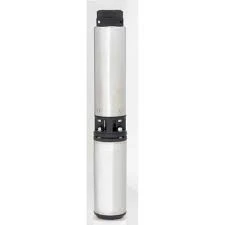
A deep well pump is designed to extract water from deep aquifers, which are geological formations that store water underground. Unlike shallow well pumps, which operate at depths of up to 25 feet, deep well pumps can reach depths of hundreds of feet, sometimes even exceeding 1,000 feet. The primary function of these pumps is to lift water from the well and transport it to the surface where it can be used for various purposes.
There are two main types of deep well pumps vertical turbine pumps and submersible pumps. Vertical turbine pumps are mounted above the ground, with long vertical shafts extending into the well. These pumps are especially suited for applications requiring high flow rates and pressures. On the other hand, submersible pumps are designed to operate underwater. They are hermetically sealed and can efficiently lift water while submerged. Submersible pumps are increasingly popular due to their compact design, energy efficiency, and ability to handle varying water levels.
Selection of a Deep Well Pump
Selecting the right deep well pump involves considering multiple factors such as the depth of the well, the desired flow rate, the water quality, and the specific application. A critical aspect is the pump's horsepower, which determines its ability to lift water. Additionally, one must account for the total dynamic head (TDH), which includes the height to which water must be pumped and the friction losses in the piping system.
deep well pump and tank
Importance of Water Storage Tanks
While deep well pumps are essential for drawing water, water storage tanks play an equally vital role in the overall water system. These tanks are used to store water for immediate use, ensuring a steady supply, especially during peak demand periods. They help maintain consistent water pressure within the system and reduce the wear and tear on pumps by minimizing the frequency of operation.
Storage tanks can be classified into two main types elevated tanks and ground-level tanks. Elevated tanks are placed high above the ground, using gravity to distribute water to the system. This design is advantageous for maintaining pressure and providing an emergency water supply in case of a power outage. Ground-level tanks, meanwhile, are typically used for larger volumes of water and can be constructed from various materials, including steel, concrete, and plastic.
Maintenance and Longevity
To ensure the longevity and efficiency of deep well pumps and storage tanks, regular maintenance is essential. This includes routine inspections, cleaning, and repair of any damaged components. It’s important to monitor water quality, as contaminants can affect both the pump’s performance and the safety of the water supply. Periodic testing of water for chemicals and bacteria is crucial to maintaining a safe and reliable water source.
Conclusion
Deep well pumps and tanks are integral to the efficient management of water resources. Understanding their functions, choosing the right equipment, and ensuring proper maintenance can significantly enhance the effectiveness of water supply systems. As our demand for clean water continues to grow, the significance of these systems becomes increasingly pronounced, highlighting the need for innovative technologies and sustainable practices in water management.
-
Submersible Water Pump: The Efficient 'Power Pioneer' of the Underwater World
NewsJul.01,2025
-
Submersible Pond Pump: The Hidden Guardian of Water Landscape Ecology
NewsJul.01,2025
-
Stainless Well Pump: A Reliable and Durable Pumping Main Force
NewsJul.01,2025
-
Stainless Steel Submersible Pump: An Efficient and Versatile Tool for Underwater Operations
NewsJul.01,2025
-
Deep Well Submersible Pump: An Efficient 'Sucker' of Groundwater Sources
NewsJul.01,2025
-
Deep Water Well Pump: An Efficient 'Sucker' of Groundwater Sources
NewsJul.01,2025
-
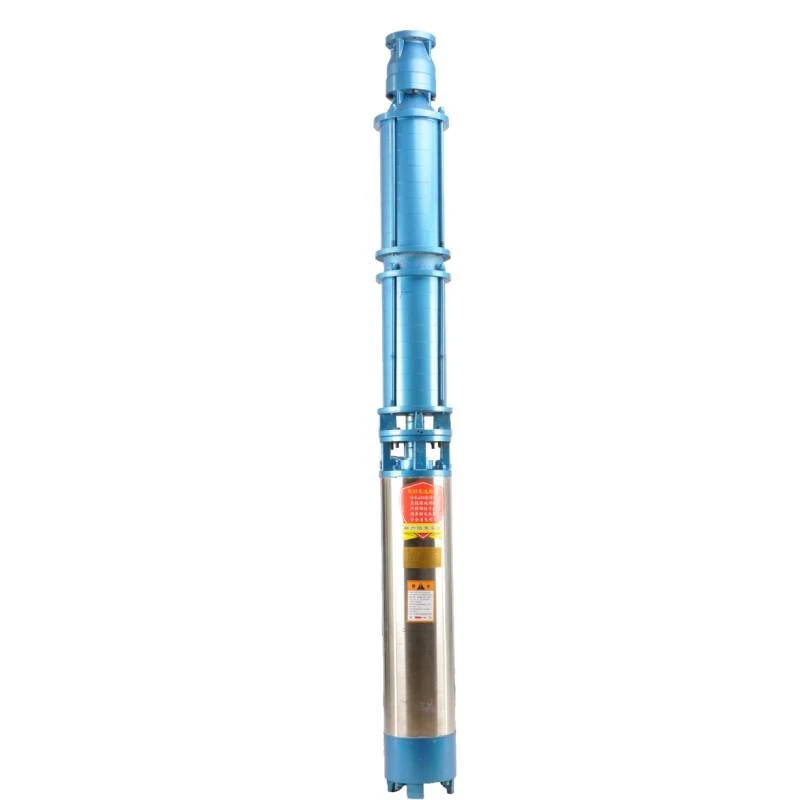 Submersible Water Pump: The Efficient 'Power Pioneer' of the Underwater WorldIn the field of hydraulic equipment, the Submersible Water Pump has become the core equipment for underwater operations and water resource transportation due to its unique design and excellent performance.Detail
 -
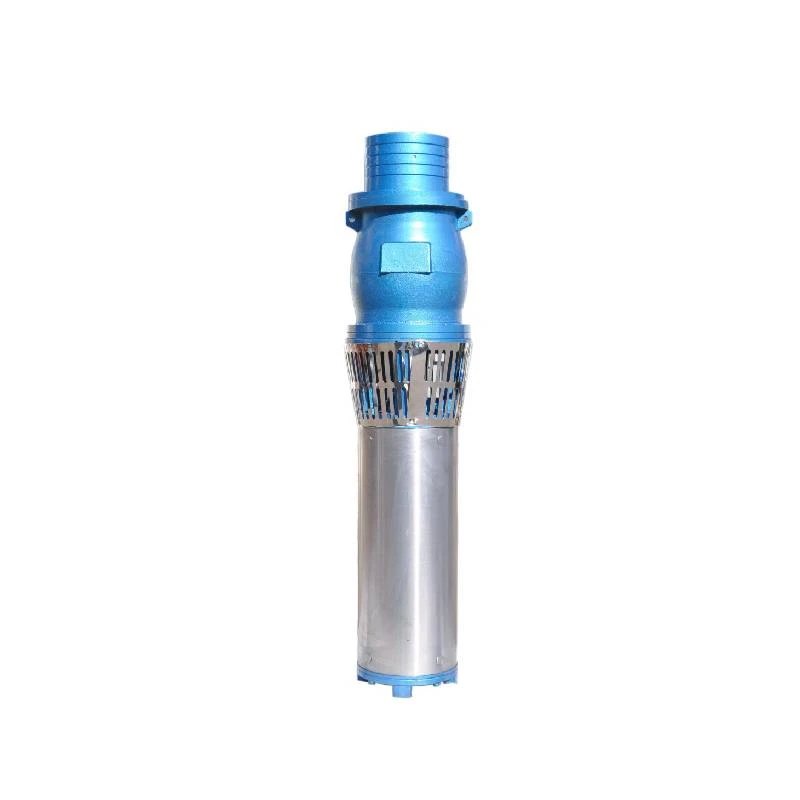 Submersible Pond Pump: The Hidden Guardian of Water Landscape EcologyIn courtyard landscapes, ecological ponds, and even small-scale water conservancy projects, there is a silent yet indispensable equipment - the Submersible Pond Pump.Detail
 -
 Stainless Well Pump: A Reliable and Durable Pumping Main ForceIn the field of water resource transportation, Stainless Well Pump has become the core equipment for various pumping scenarios with its excellent performance and reliable quality.Detail
 English
  Afrikaans
  Albanian
  Amharic
  Arabic
  Armenian
  Azerbaijani
  Basque
  Belarusian
  Bengali
  Bosnian
  Bulgarian
  Catalan
  Cebuano
  Corsican
  Croatian
  Czech
Czech  Danish
  Dutch
Dutch  Esperanto
  Estonian
  Finnish
  French
  Frisian
  Galician
  Georgian
  German
  Greek
Greek  Gujarati
  Haitian Creole
  Hausa
Hausa  Hawaiian
  Hebrew
  Hindi
Hindi  Miao
Miao  Hungarian
  Icelandic
  Igbo
Igbo  Indonesian
  Irish
Irish  Italian
  Japanese
  Javanese
  Kannada
  Kazakh
  Khmer
Khmer  Rwandese
  Korean
  Kurdish
  Kyrgyz
  Lao
Lao  Latin
Latin  Latvian
  Lithuanian
  Luxembourgish
  Macedonian
  Malgashi
  Malay
Malay  Malayalam
  Maltese
  Maori
Maori  Marathi
  Mongolian
  Myanmar
  Nepali
  Norwegian
  Norwegian
  Occitan
  Pashto
  Persian
  Polish
  Portuguese
  Punjabi
  Romanian
  Russian
  Samoan
  Scottish Gaelic
  Serbian
  Sesotho
  Shona
Shona  Sindhi
  Sinhala
  Slovak
  Slovenian
  Somali
  Spanish
  Sundanese
  Swahili
  Swedish
  Tagalog
  Tajik
Tajik  Tamil
Tamil  Tatar
Tatar  Telugu
  Thai
Thai  Turkish
  Turkmen
  Ukrainian
  Urdu
Urdu  Uighur
  Uzbek
Uzbek  Vietnamese
  Welsh
Welsh  Bantu
Bantu  Yiddish
  Yoruba
  Zulu
Zulu