
Dec . 12, 2024 09:59 Back to list
deep well pump working principle
The Working Principle of Deep Well Pumps
Deep well pumps are essential devices used in various applications, primarily for extracting water from deep underground sources. They play a crucial role in agriculture, municipal water systems, and industrial operations. Understanding the working principle of deep well pumps is vital for selecting the right pump for specific needs and ensuring its efficient operation.
Basic Structure
A deep well pump consists of several key components a motor, pump bowl assembly, column pipe, discharge head, and control system. The motor is typically located at the surface, while the pump bowl assembly is submerged in the well water at great depths, often exceeding 100 feet. The pump bowl assembly contains multiple impellers and diffusers, which are essential for creating pressure and moving water.
Operation Principle
The operation of a deep well pump is based on hydraulic principles and relies on creating a difference in pressure. When the motor is turned on, it drives the impellers located in the pump bowl assembly. These rotating impellers accelerate the water within the pump, converting mechanical energy from the motor into hydraulic energy.
The process begins as the impeller spins, drawing water into the pump bowl through an inlet. The water enters the rapidly spinning impeller, where it gains kinetic energy. As the impeller moves, it propels the water outward towards the diffuser—the stationary component that slows down the water flow and converts the kinetic energy into pressure energy. This increase in pressure allows the water to be pushed through the column pipe and towards the surface.
Column Pipe and Discharge Head
deep well pump working principle
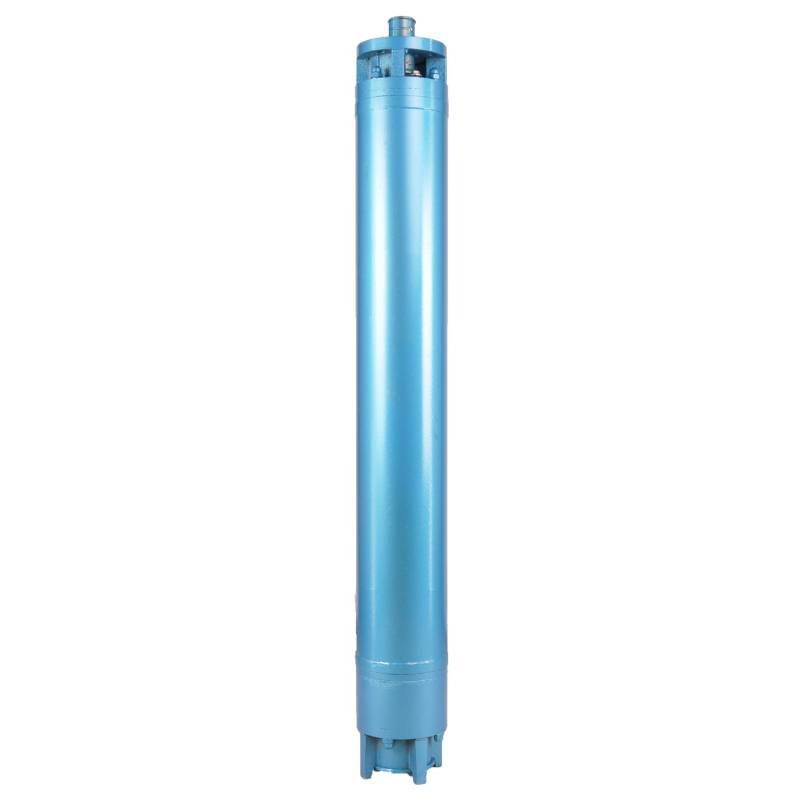
The column pipe, or vertical pipe, connects the pump bowl assembly to the discharge head at the surface. The pressurized water travels upward through this pipe. The discharge head serves as the exit point for the water and is where the pump is connected to the distribution system. This head also houses vital components, such as check valves, which prevent backflow and ensure that water does not return to the well when the pump is off.
Types of Deep Well Pumps
There are several types of deep well pumps, primarily categorized into submersible pumps and line-shaft turbine pumps. Submersible pumps are designed for operations where the entire pump assembly is submerged in water, often used for residential and agricultural purposes. Line-shaft turbine pumps, on the other hand, use a long shaft that connects the submersible pump to a motor at the surface, suitable for deeper wells and larger flow applications.
Efficiency and Maintenance
The efficiency of deep well pumps is influenced by several factors, including the depth of the water source, the pump design, and the horsepower of the motor. Regular maintenance is crucial to ensure optimal performance and extend the operational lifespan of the pump. This includes routine inspections, lubricating moving parts, checking for leaks, and monitoring electrical connections.
Conclusion
In summary, deep well pumps are integral to various water supply systems. By converting mechanical energy into hydraulic energy, these pumps efficiently move water from substantial depths to the surface. Understanding their working principle enhances the ability to select the appropriate pump type and implement proper maintenance practices, thereby ensuring a reliable and efficient water supply. As water resources become increasingly strained, the importance of such efficient pumping systems cannot be overstated, making an understanding of their operation essential for both users and industry professionals alike.
-
Submersible Water Pump: The Efficient 'Power Pioneer' of the Underwater World
NewsJul.01,2025
-
Submersible Pond Pump: The Hidden Guardian of Water Landscape Ecology
NewsJul.01,2025
-
Stainless Well Pump: A Reliable and Durable Pumping Main Force
NewsJul.01,2025
-
Stainless Steel Submersible Pump: An Efficient and Versatile Tool for Underwater Operations
NewsJul.01,2025
-
Deep Well Submersible Pump: An Efficient 'Sucker' of Groundwater Sources
NewsJul.01,2025
-
Deep Water Well Pump: An Efficient 'Sucker' of Groundwater Sources
NewsJul.01,2025
-
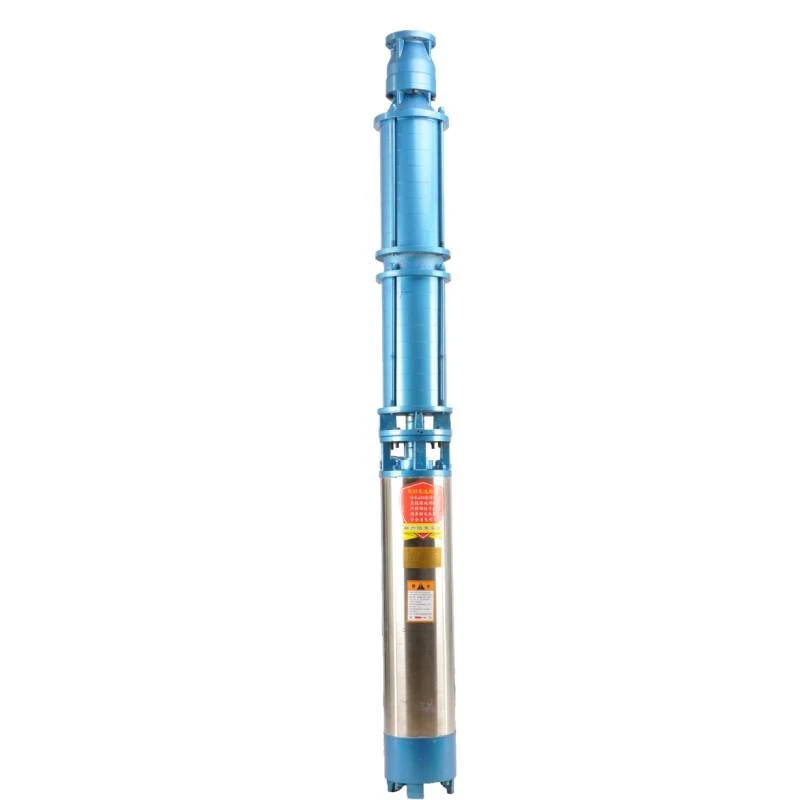 Submersible Water Pump: The Efficient 'Power Pioneer' of the Underwater WorldIn the field of hydraulic equipment, the Submersible Water Pump has become the core equipment for underwater operations and water resource transportation due to its unique design and excellent performance.Detail
 -
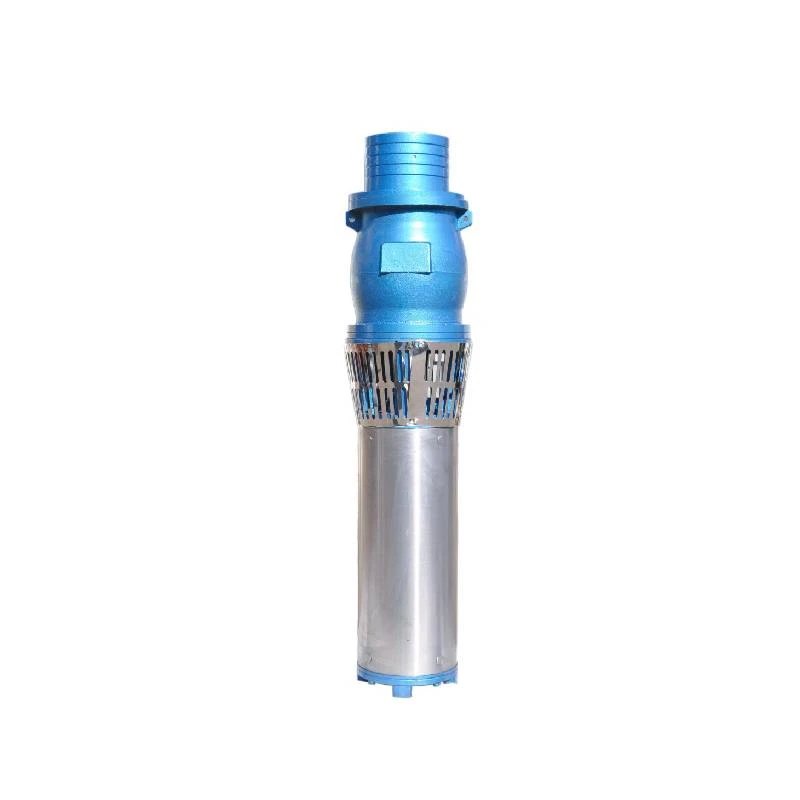 Submersible Pond Pump: The Hidden Guardian of Water Landscape EcologyIn courtyard landscapes, ecological ponds, and even small-scale water conservancy projects, there is a silent yet indispensable equipment - the Submersible Pond Pump.Detail
 -
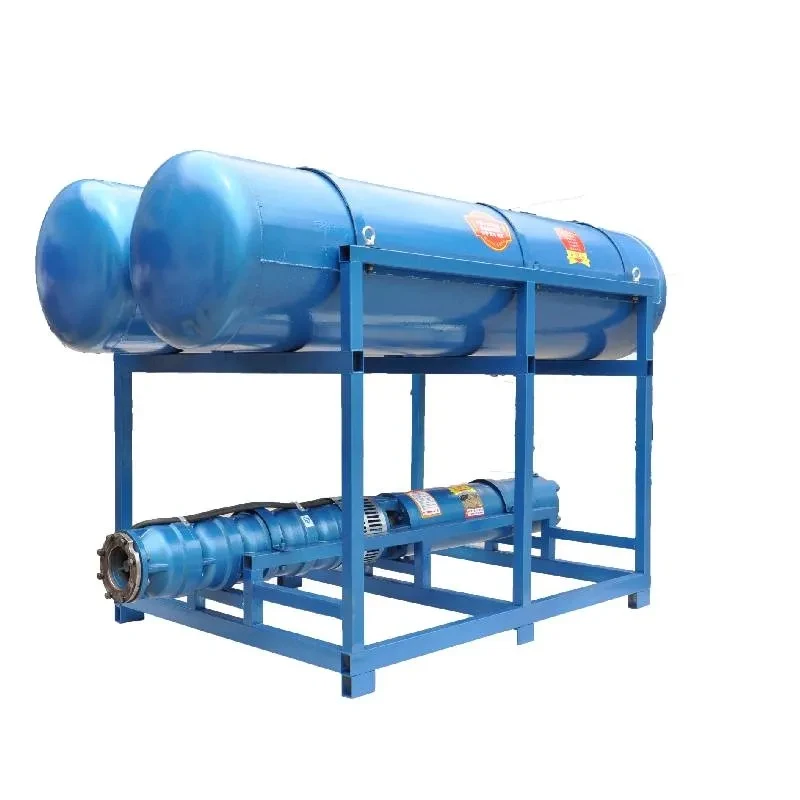 Stainless Well Pump: A Reliable and Durable Pumping Main ForceIn the field of water resource transportation, Stainless Well Pump has become the core equipment for various pumping scenarios with its excellent performance and reliable quality.Detail
 English
  Afrikaans
  Albanian
  Amharic
  Arabic
  Armenian
  Azerbaijani
  Basque
  Belarusian
  Bengali
  Bosnian
  Bulgarian
  Catalan
  Cebuano
  Corsican
  Croatian
  Czech
Czech  Danish
  Dutch
Dutch  Esperanto
  Estonian
  Finnish
  French
  Frisian
  Galician
  Georgian
  German
  Greek
Greek  Gujarati
  Haitian Creole
  Hausa
Hausa  Hawaiian
  Hebrew
  Hindi
Hindi  Miao
Miao  Hungarian
  Icelandic
  Igbo
Igbo  Indonesian
  Irish
Irish  Italian
  Japanese
  Javanese
  Kannada
  Kazakh
  Khmer
Khmer  Rwandese
  Korean
  Kurdish
  Kyrgyz
  Lao
Lao  Latin
Latin  Latvian
  Lithuanian
  Luxembourgish
  Macedonian
  Malgashi
  Malay
Malay  Malayalam
  Maltese
  Maori
Maori  Marathi
  Mongolian
  Myanmar
  Nepali
  Norwegian
  Norwegian
  Occitan
  Pashto
  Persian
  Polish
  Portuguese
  Punjabi
  Romanian
  Russian
  Samoan
  Scottish Gaelic
  Serbian
  Sesotho
  Shona
Shona  Sindhi
  Sinhala
  Slovak
  Slovenian
  Somali
  Spanish
  Sundanese
  Swahili
  Swedish
  Tagalog
  Tajik
Tajik  Tamil
Tamil  Tatar
Tatar  Telugu
  Thai
Thai  Turkish
  Turkmen
  Ukrainian
  Urdu
Urdu  Uighur
  Uzbek
Uzbek  Vietnamese
  Welsh
Welsh  Bantu
Bantu  Yiddish
  Yoruba
  Zulu
Zulu