
Dec . 10, 2024 14:29 Back to list
deep well submersible
The Deep Well Submersible Unlocking the Depths of Water Resources
The quest for reliable and sustainable access to water has never been more critical in today’s world. As populations grow and climate conditions shift, the demand for advanced technologies to tap into underground water sources is increasingly urgent. Enter the deep well submersible pump, a pivotal innovation in water extraction that has gained significant traction across agricultural, industrial, and municipal applications.
Understanding Deep Well Submersible Pumps
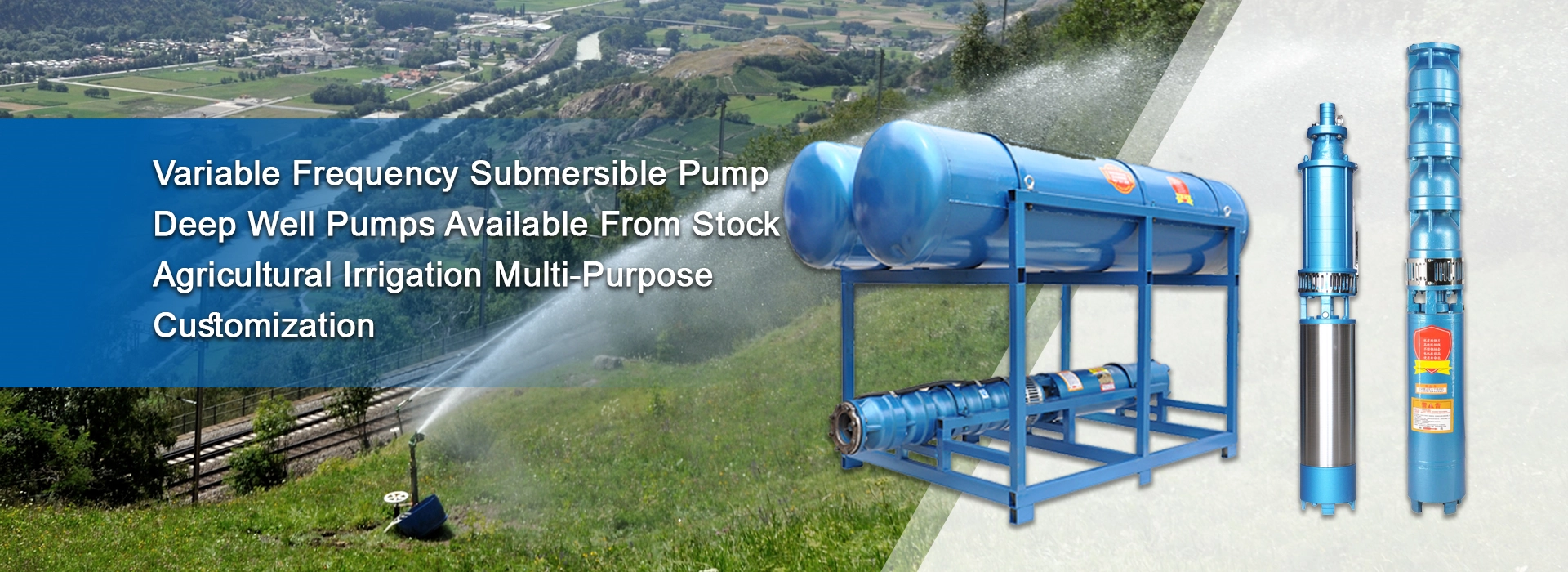
A deep well submersible pump is designed to operate underwater, making it an ideal solution for accessing deep aquifers. Unlike traditional pumps that may struggle to lift water from significant depths, submersible pumps are submerged directly into the water source. This unique positioning reduces the risk of cavitation (a phenomenon where vapor bubbles form in moving liquid and collapse, causing damage) and enhances efficiency.
These pumps work on a simple premise they consist of a motor that drives a pump impeller. The motor is usually hermetically sealed to prevent water ingress, ensuring longevity and reliability. The design allows for a compact system that can be positioned deep in the well, often several hundred meters below the surface. The pumped water is then transported to the surface through a discharge pipe.
Advantages of Deep Well Submersible Pumps
1. Efficiency Submersible pumps are generally more efficient than surface pumps, particularly for deeper wells. Their ability to push water to the surface rather than pulling it leads to less energy consumption and reduced utility costs.
2. Durability Built to resist corrosion and wear, deep well submersible pumps can handle the abrasive nature of groundwater, which often contains minerals and sediments. Their robust design ensures a longer lifespan, making them a cost-effective option in the long run.
3. Versatility These pumps are versatile in their applications. They are used not only for agricultural irrigation but also for municipal water supply, industrial processes, and geothermal heating. They can adapt to various sizes and depths, catering to diverse water needs.
4. Reduced Noise Since the pump is submerged, noise from its operation is minimal, providing a quieter solution for urban and residential areas. This feature makes them particularly appealing for community water systems.
deep well submersible
Applications in Various Sectors
In agriculture, deep well submersible pumps are essential for irrigation, enabling farmers to access groundwater resources efficiently. As water scarcity becomes a pressing issue, these pumps provide a crucial lifeline, helping ensure crop consistency and sustainability.
In industrial applications, deep well pumps are employed for processes requiring consistent water supply, such as in cooling systems or mineral extraction. Their reliability and efficiency can significantly enhance operational production while minimizing downtime due to water availability issues.
Municipal water supply systems also benefit from deep well submersible pumps. As urban areas expand and surface water resources dwindle, cities increasingly turn to groundwater to meet the needs of their populations. These pumps provide a dependable solution for drawing vast quantities of water, ensuring that residents have access to clean and safe drinking water.
Challenges and Considerations
Despite their many benefits, deep well submersible pumps are not without challenges. The installation process can be complex and often requires specialized skills. Moreover, regular maintenance is crucial to ensure optimal performance and longevity. Operators must be familiar with the unique mechanics of these systems to troubleshoot issues effectively.
Environmental considerations are also paramount. Over-extraction of groundwater resources can lead to significant ecological consequences, including land subsidence and the depletion of aquifers. As such, sustainable practices and regulatory oversight are essential to balance water needs with environmental preservation.
Conclusion
As the global demand for water continues to rise, deep well submersible pumps stand out as a formidable solution to harnessing underground water resources. Their efficiency, durability, and versatility position them as invaluable assets across various sectors. However, with this potential comes the responsibility to utilize them wisely to ensure that the delicate equilibrium of our environment remains intact. In the years to come, advancements in technology and best practices will likely shape the evolution of deep well submersible pumps, paving the way for sustainable water management in a rapidly changing world.
-
Water Pumps: Solutions for Every Need
NewsJul.30,2025
-
Submersible Well Pumps: Reliable Water Solutions
NewsJul.30,2025
-
Stainless Steel Water Pumps: Quality and Durability
NewsJul.30,2025
-
Powerful Water Pumps: Your Solution for Efficient Water Management
NewsJul.30,2025
-
Oil vs Water Filled Submersible Pumps: Which is Better?
NewsJul.30,2025
-
Deep Well Pumps: Power and Reliability
NewsJul.30,2025
-
 Water Pumps: Solutions for Every NeedWhen it comes to handling dirty water, the dirty water pump is a must-have.Detail
 -
 Submersible Well Pumps: Reliable Water SolutionsWhen it comes to ensuring a reliable water supply, submersible well pumps are a top choice.Detail
 -
 Stainless Steel Water Pumps: Quality and DurabilityWhen it comes to choosing a water pump, the stainless steel water pump price is a crucial factor.Detail
 English
  Afrikaans
  Albanian
  Amharic
  Arabic
  Armenian
  Azerbaijani
  Basque
  Belarusian
  Bengali
  Bosnian
  Bulgarian
  Catalan
  Cebuano
  Corsican
  Croatian
  Czech
Czech  Danish
  Dutch
Dutch  Esperanto
  Estonian
  Finnish
  French
  Frisian
  Galician
  Georgian
  German
  Greek
Greek  Gujarati
  Haitian Creole
  Hausa
Hausa  Hawaiian
  Hebrew
  Hindi
Hindi  Miao
Miao  Hungarian
  Icelandic
  Igbo
Igbo  Indonesian
  Irish
Irish  Italian
  Japanese
  Javanese
  Kannada
  Kazakh
  Khmer
Khmer  Rwandese
  Korean
  Kurdish
  Kyrgyz
  Lao
Lao  Latin
Latin  Latvian
  Lithuanian
  Luxembourgish
  Macedonian
  Malgashi
  Malay
Malay  Malayalam
  Maltese
  Maori
Maori  Marathi
  Mongolian
  Myanmar
  Nepali
  Norwegian
  Norwegian
  Occitan
  Pashto
  Persian
  Polish
  Portuguese
  Punjabi
  Romanian
  Russian
  Samoan
  Scottish Gaelic
  Serbian
  Sesotho
  Shona
Shona  Sindhi
  Sinhala
  Slovak
  Slovenian
  Somali
  Spanish
  Sundanese
  Swahili
  Swedish
  Tagalog
  Tajik
Tajik  Tamil
Tamil  Tatar
Tatar  Telugu
  Thai
Thai  Turkish
  Turkmen
  Ukrainian
  Urdu
Urdu  Uighur
  Uzbek
Uzbek  Vietnamese
  Welsh
Welsh  Bantu
Bantu  Yiddish
  Yoruba
  Zulu
Zulu