
Dec . 06, 2024 03:18 Back to list
Diagram of a Deep Well Submersible Pump System for Efficient Water Extraction
Understanding Deep Well Submersible Pumps Diagram and Functionality
Deep well submersible pumps are essential components in modern water extraction and management systems, particularly in agriculture, municipal water supply, and industrial applications. These pumps are designed to operate submerged in water, allowing them to effectively lift water from deep underground sources. In this article, we will explore the anatomy of a deep well submersible pump as illustrated in a typical diagram, its functionality, and its significance in various applications.
The Structure of a Deep Well Submersible Pump
A deep well submersible pump typically consists of several key components, each playing a critical role in the pump's operation. The primary elements highlighted in the diagram include
1. Pump Motor Located at the top of the assembly, the electric motor is responsible for powering the pump. It converts electrical energy into mechanical energy, enabling the pump to lift water from depth. Most modern submersible motors are designed to be robust and highly efficient, capable of operating under high pressure and temperatures.
2. Pump Bowl Assembly This is the core of the pump, consisting of multiple stages or bowls that house impellers. Each impeller increases the water pressure as it moves through the pump. The number of stages is determined by the required height from which water needs to be lifted. More stages allow for greater lift capacity.
3. Column Pipe The water is transported from the pump bowl assembly to the surface through a column pipe. The length and diameter of this pipe depend on the depth of the water source and the specific requirements of the system. The column pipe must be sturdy enough to withstand the pressure exerted by the water it conveys.
4. Discharge Head At the surface, the discharge head facilitates the exit of water from the pump system to the desired distribution network. It also supports the pump and motor assembly, maintaining stability. The discharge head usually contains additional features such as a check valve that prevents backflow, ensuring that water does not return to the well.
5. Electrical Cable Since submersible pumps operate underwater, they require a specialized electrical cable that can endure immersion without deteriorating. This cable transmits power from the surface to the motor situated deep underground.
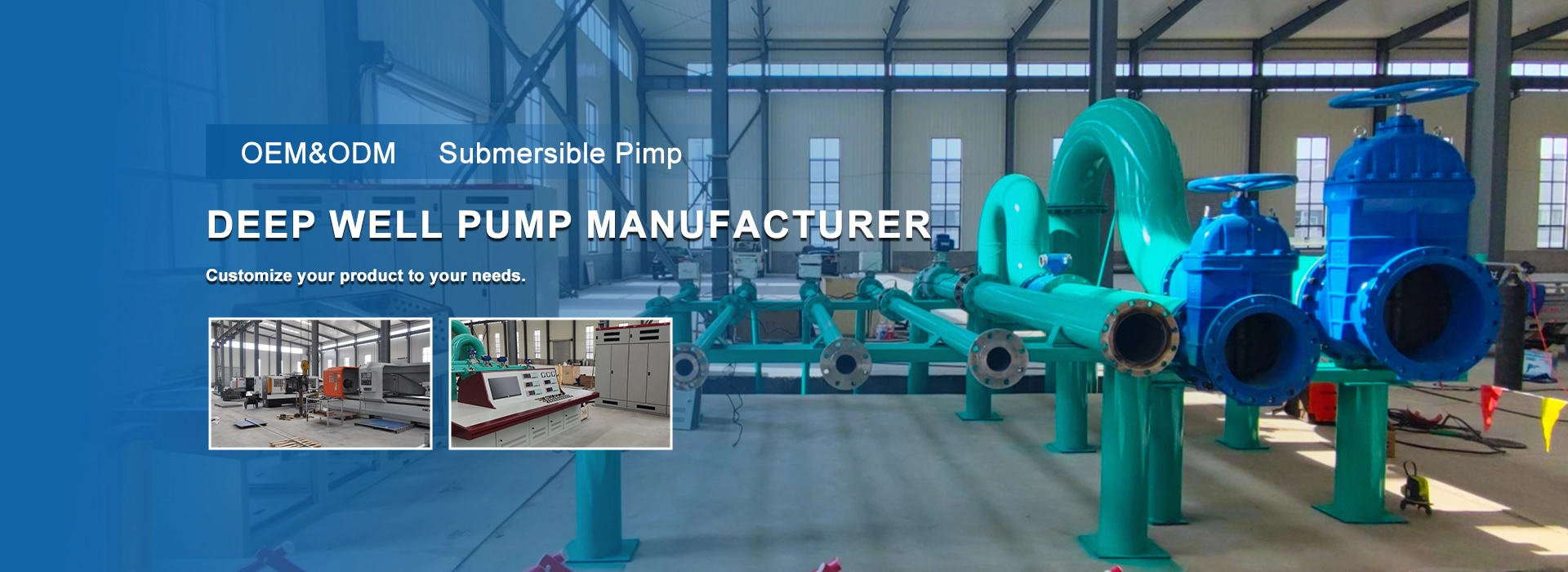
deep well submersible pump diagram
Functionality and Working Principle
The operation of a deep well submersible pump can be broken down into a series of steps. Initially, the electric motor is activated, causing the impellers within the pump bowls to rotate. As the impellers spin, they create centrifugal force, which draws water into the pump from the well.
Once the water enters the first stage, the impeller accelerates it, pushing it toward the next stage. This process continues through each stage of the pump, progressively raising the water's pressure until it reaches the surface. The pressurized water is then propelled through the column pipe and expelled at the discharge head.
Applications and Importance
Deep well submersible pumps are crucial for various applications, ranging from supplying water to agricultural fields and communities to supporting industrial processes. They are particularly valued in regions where surface water is scarce, as they can efficiently access deep aquifers. Their submersible nature also allows for quieter operation and reduced energy consumption compared to traditional pumps, which need to be installed above ground.
Moreover, these pumps are built to last, often featuring corrosion-resistant materials that enhance their longevity and reduce maintenance needs. This durability is vital in challenging environments where other pump types might fail.
Conclusion
In summary, deep well submersible pumps are vital assets in modern water management, capable of efficiently extracting groundwater from significant depths. Understanding the components represented in the deep well submersible pump diagram helps appreciate their functionality and importance across various applications. As water scarcity continues to be a pressing global issue, the role of these pumps in sustainable water management will only grow more critical.
-
Submersible Water Pump: The Efficient 'Power Pioneer' of the Underwater World
NewsJul.01,2025
-
Submersible Pond Pump: The Hidden Guardian of Water Landscape Ecology
NewsJul.01,2025
-
Stainless Well Pump: A Reliable and Durable Pumping Main Force
NewsJul.01,2025
-
Stainless Steel Submersible Pump: An Efficient and Versatile Tool for Underwater Operations
NewsJul.01,2025
-
Deep Well Submersible Pump: An Efficient 'Sucker' of Groundwater Sources
NewsJul.01,2025
-
Deep Water Well Pump: An Efficient 'Sucker' of Groundwater Sources
NewsJul.01,2025
-
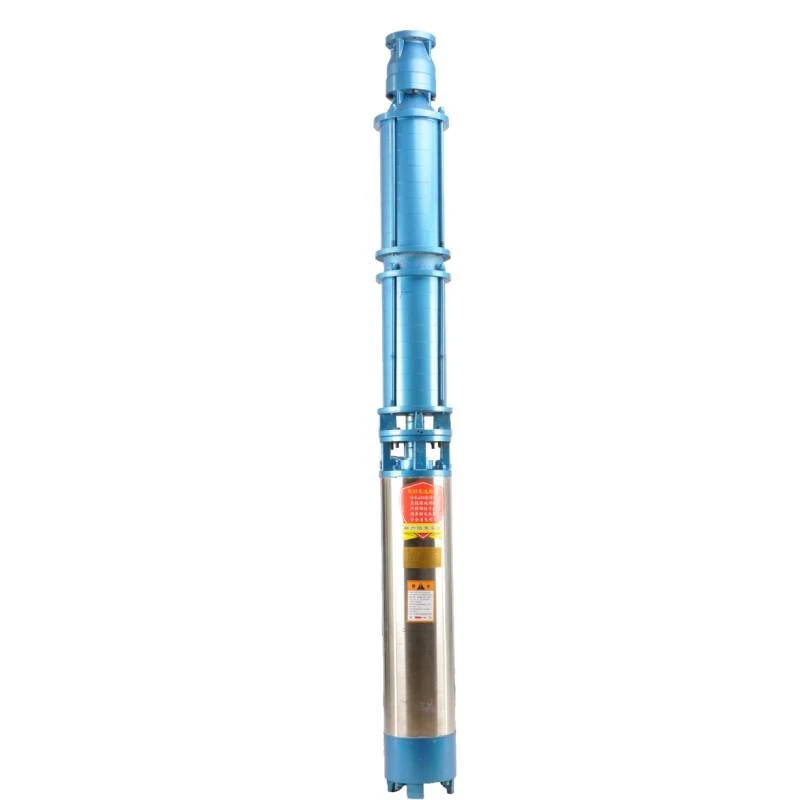 Submersible Water Pump: The Efficient 'Power Pioneer' of the Underwater WorldIn the field of hydraulic equipment, the Submersible Water Pump has become the core equipment for underwater operations and water resource transportation due to its unique design and excellent performance.Detail
 -
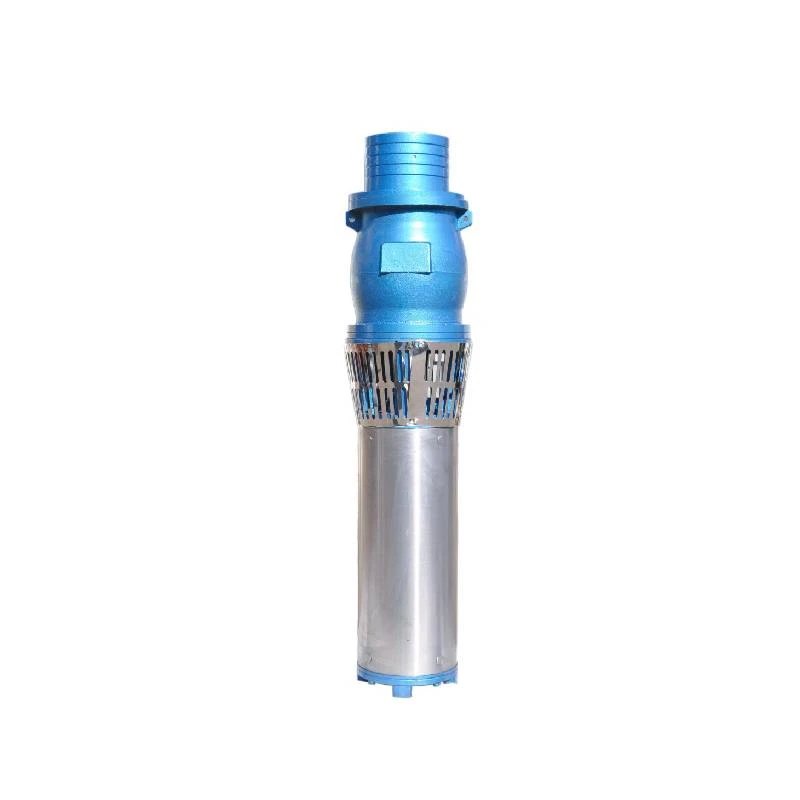 Submersible Pond Pump: The Hidden Guardian of Water Landscape EcologyIn courtyard landscapes, ecological ponds, and even small-scale water conservancy projects, there is a silent yet indispensable equipment - the Submersible Pond Pump.Detail
 -
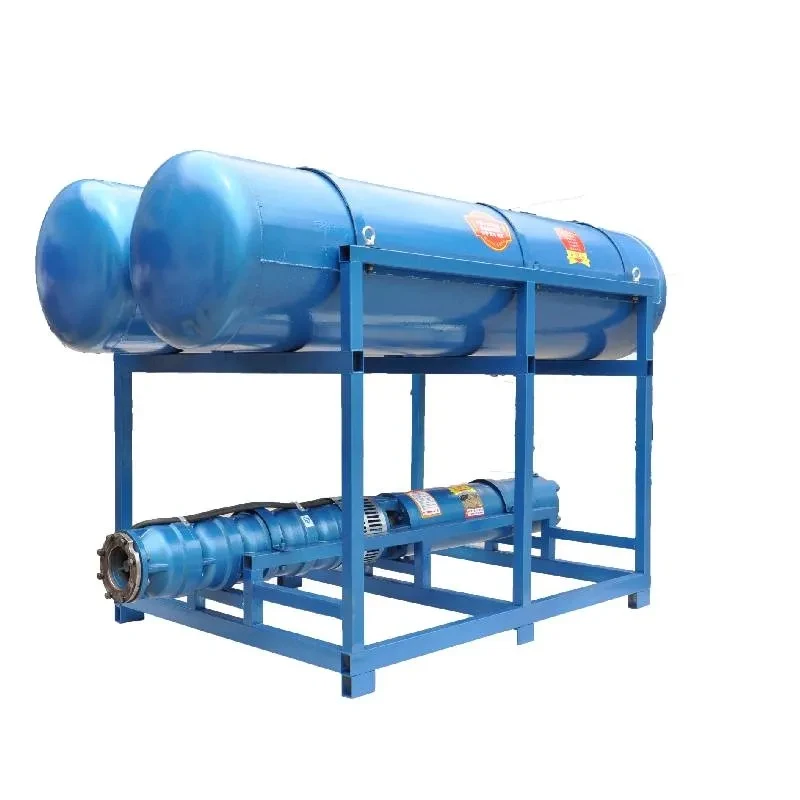 Stainless Well Pump: A Reliable and Durable Pumping Main ForceIn the field of water resource transportation, Stainless Well Pump has become the core equipment for various pumping scenarios with its excellent performance and reliable quality.Detail
 English
  Afrikaans
  Albanian
  Amharic
  Arabic
  Armenian
  Azerbaijani
  Basque
  Belarusian
  Bengali
  Bosnian
  Bulgarian
  Catalan
  Cebuano
  Corsican
  Croatian
  Czech
Czech  Danish
  Dutch
Dutch  Esperanto
  Estonian
  Finnish
  French
  Frisian
  Galician
  Georgian
  German
  Greek
Greek  Gujarati
  Haitian Creole
  Hausa
Hausa  Hawaiian
  Hebrew
  Hindi
Hindi  Miao
Miao  Hungarian
  Icelandic
  Igbo
Igbo  Indonesian
  Irish
Irish  Italian
  Japanese
  Javanese
  Kannada
  Kazakh
  Khmer
Khmer  Rwandese
  Korean
  Kurdish
  Kyrgyz
  Lao
Lao  Latin
Latin  Latvian
  Lithuanian
  Luxembourgish
  Macedonian
  Malgashi
  Malay
Malay  Malayalam
  Maltese
  Maori
Maori  Marathi
  Mongolian
  Myanmar
  Nepali
  Norwegian
  Norwegian
  Occitan
  Pashto
  Persian
  Polish
  Portuguese
  Punjabi
  Romanian
  Russian
  Samoan
  Scottish Gaelic
  Serbian
  Sesotho
  Shona
Shona  Sindhi
  Sinhala
  Slovak
  Slovenian
  Somali
  Spanish
  Sundanese
  Swahili
  Swedish
  Tagalog
  Tajik
Tajik  Tamil
Tamil  Tatar
Tatar  Telugu
  Thai
Thai  Turkish
  Turkmen
  Ukrainian
  Urdu
Urdu  Uighur
  Uzbek
Uzbek  Vietnamese
  Welsh
Welsh  Bantu
Bantu  Yiddish
  Yoruba
  Zulu
Zulu