
Dec . 12, 2024 05:21 Back to list
deep well submersible pump installation
Deep Well Submersible Pump Installation A Comprehensive Guide
Deep well submersible pumps are essential in various applications, including agricultural irrigation, municipal water supply, and industrial processes. These pumps are capable of lifting water from deep underground sources, making them ideal for areas where surface water is insufficient. However, the successful use of these systems heavily relies on proper installation. In this article, we will explore the key considerations and steps involved in the installation of a deep well submersible pump.
Understanding Deep Well Submersible Pumps
Before diving into installation, it’s crucial to understand how deep well submersible pumps function. Unlike traditional pumps that operate above ground, submersible pumps are designed to operate underwater. They consist of a sealed motor and a pump body that work together to push water to the surface. The submerged design reduces the risk of cavitation, maintains efficiency, and helps cool the motor while it operates.
Key Considerations Before Installation
1. Site Assessment Before purchasing a pump, ensure the site is suitable for a deep well installation. Conduct a geological survey to assess the depths of the water table and the type of soil present. This information will help in selecting the right pump size and specifications.
2. Pump Selection Choose a pump that matches your specific requirements. Consider the depth of the well, required flow rate, and total dynamic head (TDH). It’s advisable to consult with a pump specialist to ensure the selected model meets your needs.
3. Permitting and Regulations Before installation, check local regulations regarding well construction and pump installation. Some areas require permits to drill wells or install pumps, so it’s vital to be compliant with all legal requirements.
Installation Steps
1. Prepare the Well Start by cleaning the well casing and ensuring there is no debris that could impede the pump's operation. If necessary, conduct a well development to enhance the water flow and remove sediment.
deep well submersible pump installation

2. Assemble Equipment Gather all necessary equipment, including the submersible pump, discharge head, drop pipe, electrical supply cable, and any additional hardware needed for installation.
3. Install the Pump - Lower the Pump Attach the pump to the drop pipe and carefully lower it into the well. Ensure that it is suspended properly to avoid damage during installation. - Secure Discarge Head Once the pump reaches the desired depth, secure the discharge head at the surface. This component connects the pump to the surface piping and requires careful alignment to avoid stress fractures.
4. Connect Electrical Supply - Ensure that the electrical supply is suitable for the pump’s voltage and phase requirements. - Make necessary connections as outlined in the manufacturer’s manual, ensuring all wiring is appropriately insulated and protected from water ingress.
5. Test the System - Before putting the system into full operation, conduct a test run to ensure everything functions correctly. Check for unusual noises, vibrations, or leaks. - Measure the water output and check the pressure levels.
6. Finalize Installation If all systems check out, finalize the installation by securing any loose components and ensuring that access to the pump is maintained for future maintenance.
Maintenance Tip
After installation, regular maintenance is crucial to ensure the longevity and efficient operation of the deep well submersible pump. Schedule periodic checks to clean filters and inspect electrical connections for wear or corrosion.
Conclusion
The installation of a deep well submersible pump is a complex process that requires attention to detail and adherence to safety and regulatory standards. By following these steps and considerations, you can ensure a successful installation that meets your water supply needs efficiently. Whether for agricultural purposes or providing fresh water to households, a properly installed deep well pump can serve as a reliable resource for years to come.
-
Submersible Water Pump: The Efficient 'Power Pioneer' of the Underwater World
NewsJul.01,2025
-
Submersible Pond Pump: The Hidden Guardian of Water Landscape Ecology
NewsJul.01,2025
-
Stainless Well Pump: A Reliable and Durable Pumping Main Force
NewsJul.01,2025
-
Stainless Steel Submersible Pump: An Efficient and Versatile Tool for Underwater Operations
NewsJul.01,2025
-
Deep Well Submersible Pump: An Efficient 'Sucker' of Groundwater Sources
NewsJul.01,2025
-
Deep Water Well Pump: An Efficient 'Sucker' of Groundwater Sources
NewsJul.01,2025
-
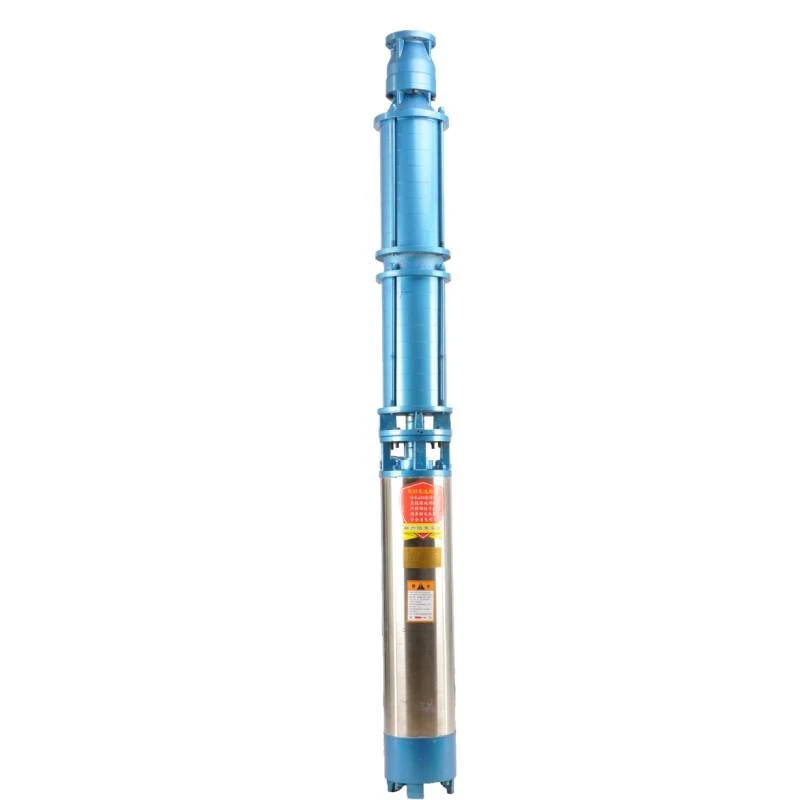 Submersible Water Pump: The Efficient 'Power Pioneer' of the Underwater WorldIn the field of hydraulic equipment, the Submersible Water Pump has become the core equipment for underwater operations and water resource transportation due to its unique design and excellent performance.Detail
 -
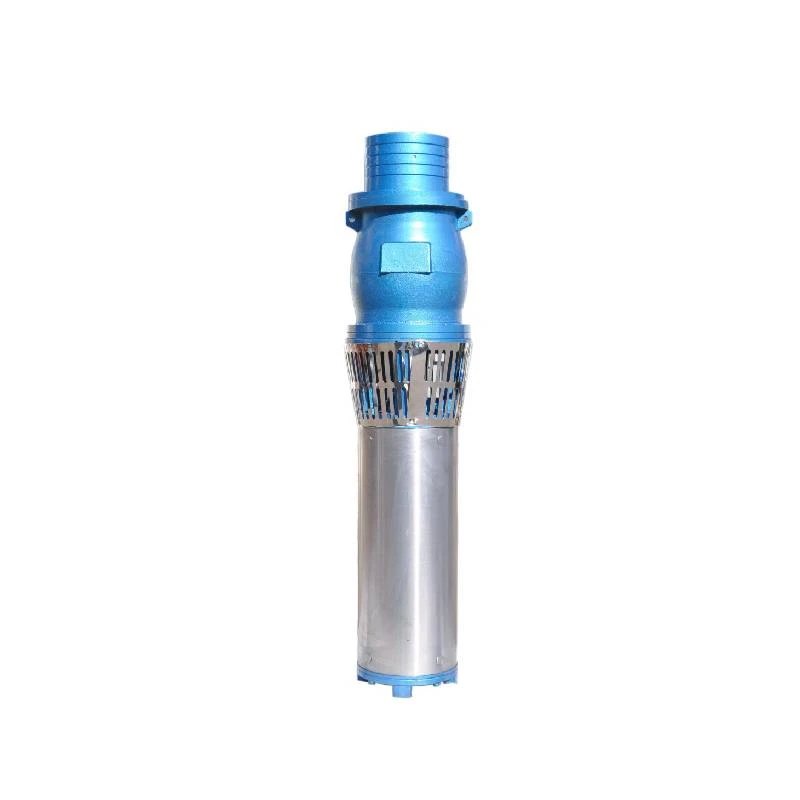 Submersible Pond Pump: The Hidden Guardian of Water Landscape EcologyIn courtyard landscapes, ecological ponds, and even small-scale water conservancy projects, there is a silent yet indispensable equipment - the Submersible Pond Pump.Detail
 -
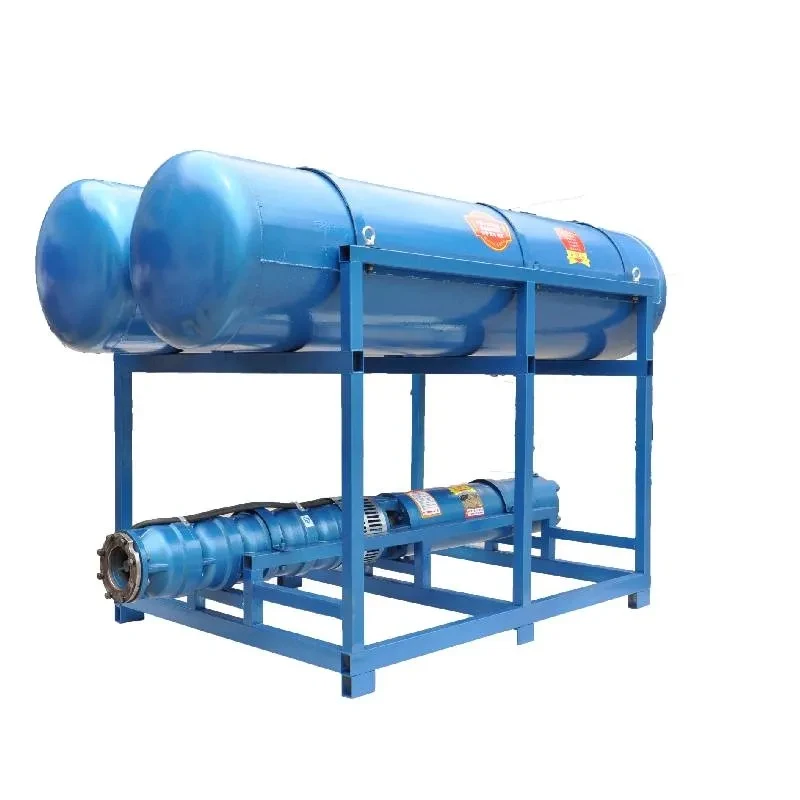 Stainless Well Pump: A Reliable and Durable Pumping Main ForceIn the field of water resource transportation, Stainless Well Pump has become the core equipment for various pumping scenarios with its excellent performance and reliable quality.Detail
 English
  Afrikaans
  Albanian
  Amharic
  Arabic
  Armenian
  Azerbaijani
  Basque
  Belarusian
  Bengali
  Bosnian
  Bulgarian
  Catalan
  Cebuano
  Corsican
  Croatian
  Czech
Czech  Danish
  Dutch
Dutch  Esperanto
  Estonian
  Finnish
  French
  Frisian
  Galician
  Georgian
  German
  Greek
Greek  Gujarati
  Haitian Creole
  Hausa
Hausa  Hawaiian
  Hebrew
  Hindi
Hindi  Miao
Miao  Hungarian
  Icelandic
  Igbo
Igbo  Indonesian
  Irish
Irish  Italian
  Japanese
  Javanese
  Kannada
  Kazakh
  Khmer
Khmer  Rwandese
  Korean
  Kurdish
  Kyrgyz
  Lao
Lao  Latin
Latin  Latvian
  Lithuanian
  Luxembourgish
  Macedonian
  Malgashi
  Malay
Malay  Malayalam
  Maltese
  Maori
Maori  Marathi
  Mongolian
  Myanmar
  Nepali
  Norwegian
  Norwegian
  Occitan
  Pashto
  Persian
  Polish
  Portuguese
  Punjabi
  Romanian
  Russian
  Samoan
  Scottish Gaelic
  Serbian
  Sesotho
  Shona
Shona  Sindhi
  Sinhala
  Slovak
  Slovenian
  Somali
  Spanish
  Sundanese
  Swahili
  Swedish
  Tagalog
  Tajik
Tajik  Tamil
Tamil  Tatar
Tatar  Telugu
  Thai
Thai  Turkish
  Turkmen
  Ukrainian
  Urdu
Urdu  Uighur
  Uzbek
Uzbek  Vietnamese
  Welsh
Welsh  Bantu
Bantu  Yiddish
  Yoruba
  Zulu
Zulu