
Nov . 29, 2025 03:20 Back to list
Discover Reliable & Efficient 3 Phase Submersible Pumps for Industrial & Humanitarian Needs
Why 3 Phase Submersible Pumps Are More Than Just Machinery
If you’ve ever wondered what powers modern irrigation systems, deep well water extractions, or certain industrial liquid transfers, the 3 phase submersible pump probably plays a starring role behind the scenes. Globally, these pumps quietly keep economies moving, deliver clean water to communities, and support critical infrastructure. The reason this technology matters today is not simply about moving water—it's about sustainability, efficiency, and resilience in a world that demands more reliable solutions.
Understanding the Global Context and Why It Matters
According to the United Nations, over 2 billion people live in water-stressed countries. Industrial agriculture, manufacturing hubs, and urban centers depend on dependable water systems. This is where three-phase submersible pumps come in — their ability to tap deep aquifers and move large volumes of water efficiently is critical.
But there’s a catch: conventional single-phase pumps just don’t keep up for heavy loads or high-demand conditions. By contrast, 3 phase submersible pumps leverage a three-phase electric power supply, enabling them to operate with more power and improved reliability. The industrial sector worldwide relies heavily on these units because they address the problem of consistent long-term operation even in challenging environments.
What Exactly Is a 3 Phase Submersible Pump?
Simply put, a 3 phase submersible pump is an electric pump designed to be fully submerged in water or other fluids. Unlike surface pumps, these sit underwater—think of a sturdy little worker that dives deep to pull water from wells, boreholes, or tanks.
The three-phase power supply means the pump receives power from three alternating currents offset by 120 degrees, which balances the load and increases efficiency, while also minimizing power loss. This makes it ideal for industrial uses, municipal water supply, and even emergency relief operations. In fact, many humanitarian agencies turn to these pumps because they’re robust, scalable, and low maintenance.
Key Components That Make These Pumps Tick
Durability and Corrosion Resistance
One of the first things you notice about 3 phase submersible pumps is how tough they are. They must withstand being underwater 24/7, often in salty or mineral-heavy environments. Stainless steel casings and specially coated parts make this possible.
Power and Efficiency
Thanks to the three-phase power input, these pumps offer superior torque and smooth operation even under demanding workloads. This means less stress on components and longer operational life.
Sealing and Waterproofing
The motor must be completely sealed from water ingress, which is no small feat. The shaft seal assembly typically uses mechanical seals or advanced elastomers to avoid breakdowns.
Scalability and Customization
Manufacturers often provide a range of pump sizes, power ratings, and materials. This flexibility makes it possible to find the right fit whether you’re pumping from 100 feet or 500 meters.
Mini takeaway:
These pumps aren't just "plunk and pump" units; they're precision-built machines engineered to last long term under punishing conditions.
How 3 Phase Submersible Pumps Are Changing Real-World Scenarios
From the rice paddies in Southeast Asia to the oil fields of the Middle East, these pumps are everywhere. Large-scale irrigation projects in arid regions depend on them for efficient water lifting, while urban water supply networks in Europe rely on them for deep well extraction.
In post-disaster relief operations, 3 phase submersible pumps serve vital functions: restoring potable water quickly, clearing floodwaters, or fueling mobile water treatment modules. For example, after the 2018 floods in Kerala, India, repair teams deployed these pumps in remote areas to restore clean water access faster than before.
Industrial applications are equally impressive. In mining and manufacturing zones, continuous reliable pumping avoids costly downtime. Regions with fluctuating grid stability value the pump’s ability to restart under heavy loads without tripping.
Product Specification Table
| Specification | Typical Value |
|---|---|
| Power Supply | 3 phase, 380-480V AC |
| Motor Power Range | 1 HP to 50 HP |
| Material | Stainless steel or cast iron |
| Max Pumping Depth | Up to 500 meters |
| Flow Rate | Up to 400 m³/hour |
| Sealing Technology | Mechanical and elastomer seals |
Advantages and Long-Term Value of 3 Phase Submersible Pumps
Saying that these pumps offer cost efficiency is an understatement. Their design lowers energy consumption compared to single-phase alternatives, meaning lower power bills — which really matters for operations running 24/7.
On the sustainability side, long-lasting materials reduce waste and the need for frequent replacements. In areas where electricity is supplied from renewable sources, the overall carbon footprint shrinks pretty fast.
Plus, there’s a social impact angle: clean water access from deep wells is often the difference between health and disease in remote communities. Many engineers say these pumps embody a perfect intersection of technology and humanitarian benefit.
Comparing Leading Vendors of 3 Phase Submersible Pumps
| Feature | Vendor A | Vendor B | Vendor C |
|---|---|---|---|
| Warranty | 3 years | 2 years | 5 years |
| Energy Efficiency | IE3 motor class | IE2 motor class | IE4 motor class |
| Material Options | Stainless steel, coated iron | Cast iron only | Stainless steel only |
| Price Range | $800 - $3,000 | $600 - $2,500 | $1,000 - $3,500 |
| Global Service Network | Yes | Limited | Yes |
Future Trends: What’s Next for 3 Phase Submersible Pumps?
Engineers and manufacturers are increasingly experimenting with smart sensors embedded inside pumps, enabling real-time monitoring and predictive maintenance.
There’s also growing interest in integrating renewable energy directly, such as submersible pumps powered by solar arrays — quite fitting given their frequent use in remote off-grid sites.
Material science innovations, like more corrosion-resistant alloys and eco-friendly coatings, promise to extend pump life and reduce environmental impact.
Lastly, tighter energy-efficiency regulations from international bodies like ISO are nudging all pump makers towards greener designs.
Challenges and Smart Solutions in Current Deployment
While 3 phase submersible pumps are robust, their installation requires expertise — poor wiring, or incorrect depth measurement, can lead to early failure. Also, variable power quality in some regions can trip protection devices repeatedly.
To mitigate these, professionals now recommend variable frequency drives (VFDs) to stabilize flow and reduce startup surges, plus rugged control panels tailored to site conditions. In training locals for maintenance — part of sustainable projects — teams promote diagnostics apps to catch issues before they grow.
FAQ: Frequently Asked Questions About 3 Phase Submersible Pumps
-
Q: How does a 3 phase pump differ from a single-phase pump in operation?
A: Three phase pumps provide more stable power with less vibration, delivering higher efficiency and longer life, especially under heavy load or continuous use. -
Q: Can a 3 phase submersible pump work with solar power?
A: Yes, when paired with the appropriate inverter and energy storage, they integrate well with solar systems — ideal for remote locations lacking grid access. -
Q: What maintenance is required for these pumps to last longer?
A: Routine checks of seals, bearings, and wiring are crucial; annual inspections and predictive monitoring extend service life substantially. -
Q: Are 3 phase submersible pumps suitable for saltwater environments?
A: With proper material choice, such as high-grade stainless steel and protective coatings, they can operate reliably in brackish or saltwater for desalination or marine applications.
Wrapping It Up: Your Next Step with 3 Phase Submersible Pumps
Ultimately, investing in a reliable 3 phase submersible pump means tapping into decades of engineering tuned for efficiency, longevity, and adaptability. Whether it’s to keep your industrial site humming or to bring fresh water to a thirsty community, these pumps deliver — quietly, powerfully, reliably.
Ready to explore options that fit your project? Visit our website for detailed specs, expert advice, and trusted brands at 3 phase submersible pump.
Reflection & References
As I dove into these pumps’ capabilities, it’s striking how a piece of submerged hardware can connect so many dots: industrial power, human survival, and eco-conscious innovation. The future feels bright — powered by three phases and a little ingenuity.
-
Understanding the Price Submersible Pump and Buyer Guide
NewsApr.16,2026
-
Factors Affecting the Price for Submersible Pump a Buyers Guide
NewsApr.09,2026
-
Choosing the Right Mini Submersible Fountain Pump for Optimal Water Feature Performance
NewsApr.07,2026
-
A Detailed Guide to Installing a Submersible Pump for Optimal Performance
NewsApr.04,2026
-
Comprehensive Guide on How to Test a Submersible Water Well Pump Effectively
NewsMar.31,2026
-
Learn How to Replace a Submersible Well Pump Safely and Effectively
NewsMar.28,2026
-
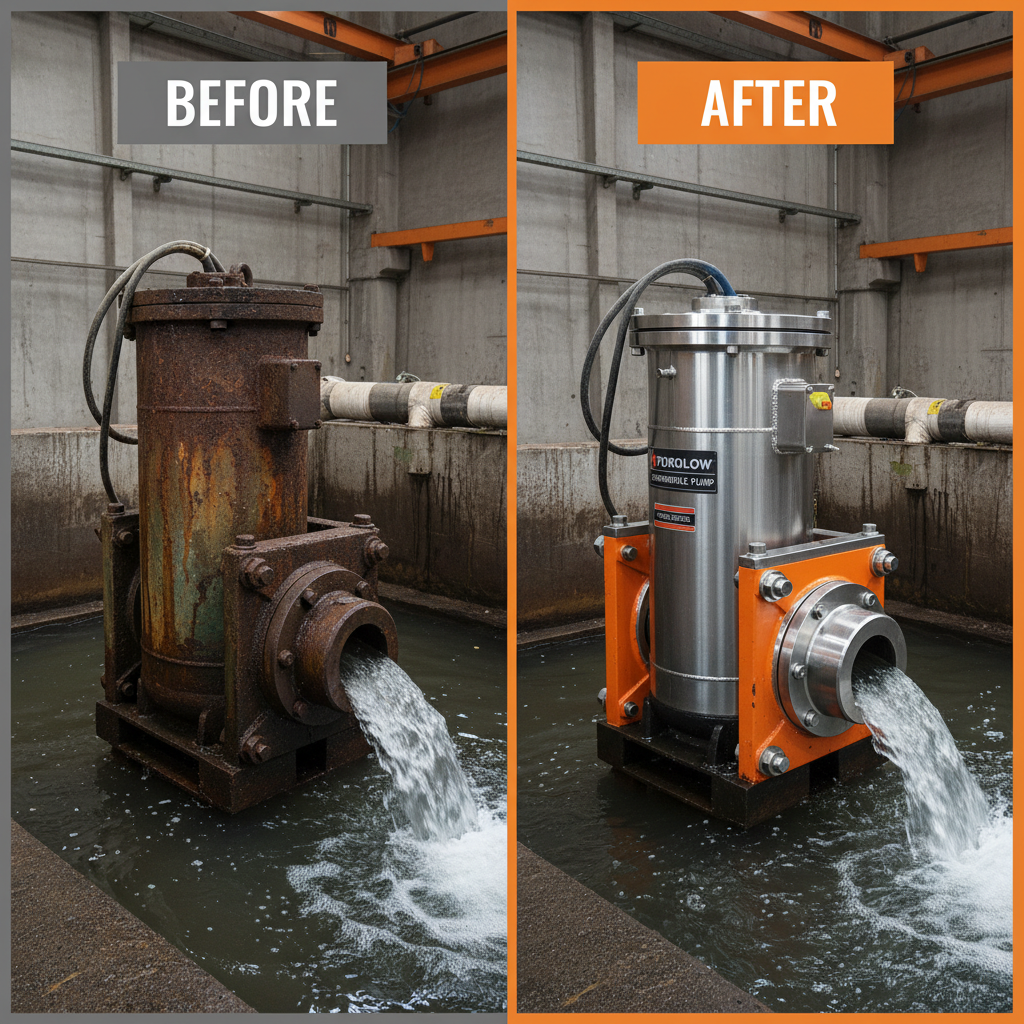 Understanding the Price Submersible Pump and Buyer GuideWhen searching for the ideal water management solution, understanding the price submersible pump options is crucial for balancing budget with performance. Whether you are dealing with a flooded basement, managing agricultural irrigation, or extracting water from a deep well, the cost of a submersible pump can vary significantly based on its build quality and capacity. Investing in a high-quality pump ensures long-term reliability and reduces the frequency of expensive replacements. In this guide, we will break down the factors that influence pricing and help you make an informed decision for your specific needs.Detail
 -
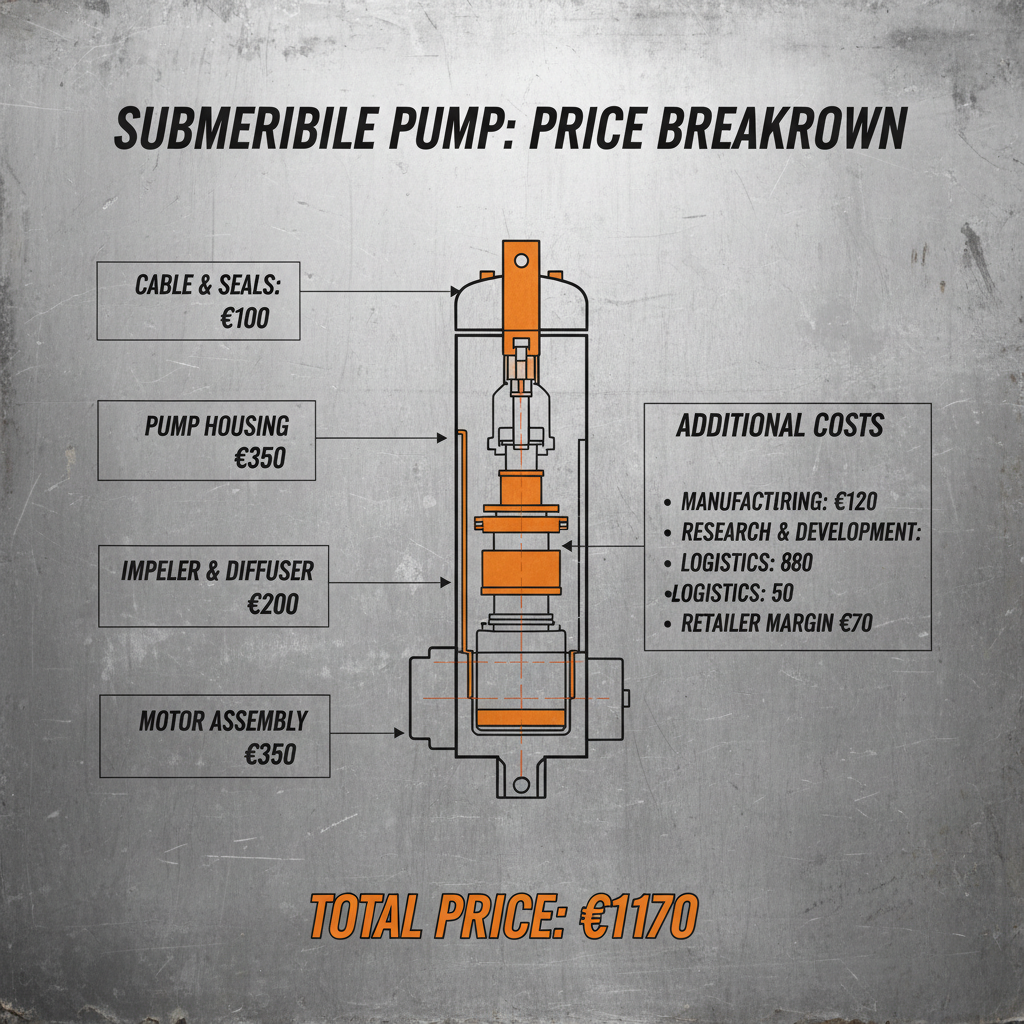 Factors Affecting the Price for Submersible Pump a Buyers GuideWhen investing in water management systems, understanding the price for submersible pump options is essential for balancing performance with budget. Whether you are managing a residential well, an industrial drainage project, or agricultural irrigation, the cost of a pump is rarely a flat fee; it is a reflection of the engineering, materials, and capacity required for your specific environment. In this guide, we will break down the factors that influence pricing and help you determine the best value for your investment to ensure long-term reliability and efficiency.Detail
 -
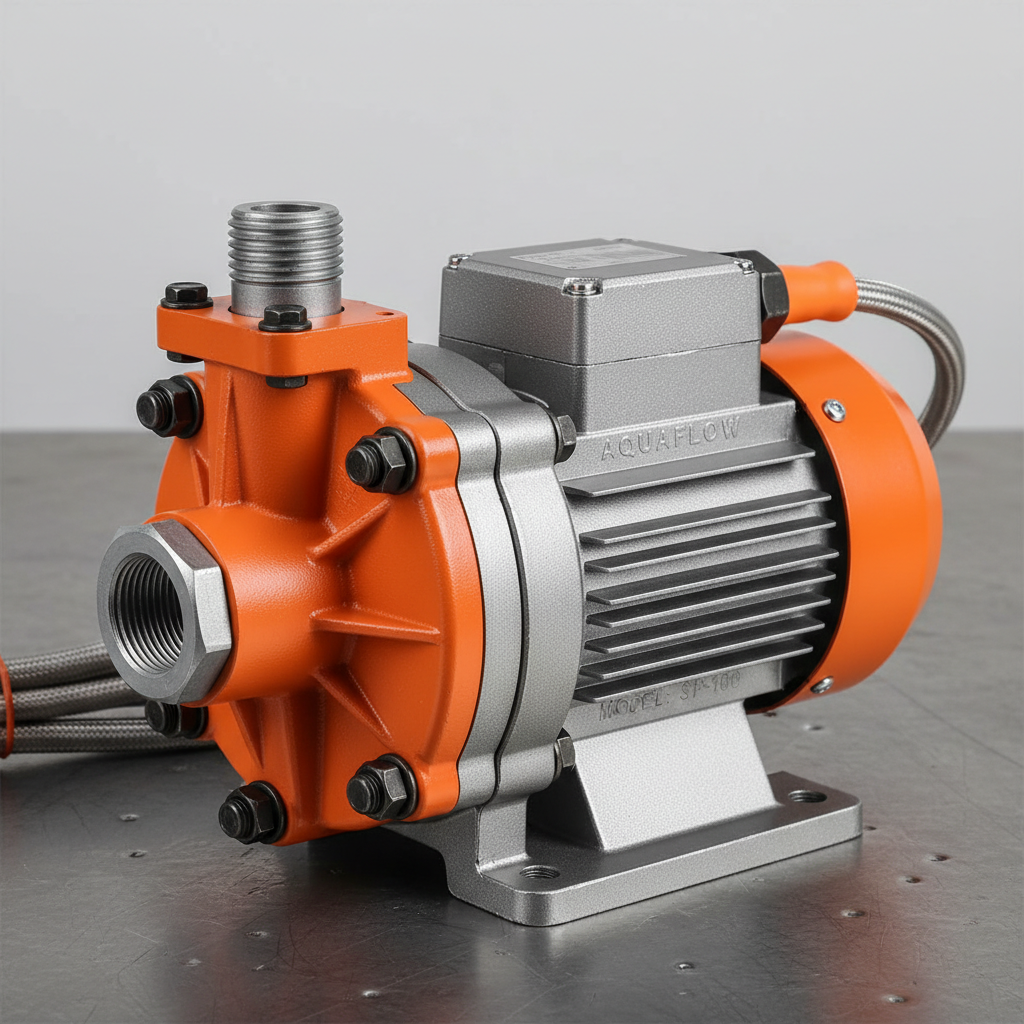 Choosing the Right Mini Submersible Fountain Pump for Optimal Water Feature PerformanceCreating a beautiful and relaxing water feature doesn't have to be complicated. A mini submersible fountain pump is the heart of any indoor or outdoor fountain, and selecting the right one is crucial for optimal performance and longevity. This article will guide you through the key considerations when choosing a mini submersible fountain pump, covering types, features, applications, and how to ensure you get the perfect pump for your project. We’ll also explore how Wellpumpact can provide you with the ideal solution.Detail
 Afrikaans
 Albanian
 Amharic
 Arabic
 Armenian
 Azerbaijani
 Basque
 Belarusian
 Bengali
 Bosnian
 Bulgarian
 Catalan
 Cebuano
 Corsican
 Croatian
 Czech
Czech
 Danish
 Dutch
Dutch
 Esperanto
 Estonian
 Finnish
 French
 Frisian
 Galician
 Georgian
 German
 Greek
Greek
 Gujarati
 Haitian Creole
 Hausa
Hausa
 Hawaiian
 Hebrew
 Hindi
Hindi
 Miao
Miao
 Hungarian
 Icelandic
 Igbo
Igbo
 Indonesian
 Irish
Irish
 Italian
 Japanese
 Javanese
 Kannada
 Kazakh
 Khmer
Khmer
 Rwandese
 Korean
 Kurdish
 Kyrgyz
 Lao
Lao
 Latin
Latin
 Latvian
 Lithuanian
 Luxembourgish
 Macedonian
 Malgashi
 Malay
Malay
 Malayalam
 Maltese
 Maori
Maori
 Marathi
 Mongolian
 Myanmar
 Nepali
 Norwegian
 Norwegian
 Occitan
 Pashto
 Persian
 Polish
 Portuguese
 Punjabi
 Romanian
 Russian
 Samoan
 Scottish Gaelic
 Serbian
 Sesotho
 Shona
Shona
 Sindhi
 Sinhala
 Slovak
 Slovenian
 Somali
 Spanish
 Sundanese
 Swahili
 Swedish
 Tagalog
 Tajik
Tajik
 Tamil
Tamil
 Tatar
Tatar
 Telugu
 Thai
Thai
 Turkish
 Turkmen
 Ukrainian
 Urdu
Urdu
 Uighur
 Uzbek
Uzbek
 Vietnamese
 Welsh
Welsh
 Bantu
Bantu
 Yiddish
 Yoruba
 Zulu
Zulu
 English