Alright, so deep well submersible pump installation… it’s everywhere these days, right? Seems like everyone’s digging deeper, needing more reliable water access. I’ve been on sites all over, seen the demand skyrocket, especially with climate change messing things up. Droughts are hitting harder, surface water’s getting scarce, and suddenly everyone needs to tap into what’s underground. It’s not just about agriculture anymore either; it’s towns, industries, even remote camps. Honestly, the pressure on getting these installs right is huge.
You wouldn’t believe the stuff I see. People thinking they can cut corners, using subpar materials… thinking a pump is just a pump. Nope. It’s a whole system. And it's more complex than a lot of folks realize. A bad installation, a poorly chosen pump, and suddenly you’ve got a whole lot of headaches, not to mention a potentially dry well.
We’re talking about systems that need to last for years, sometimes decades, in harsh environments. It’s not like plugging in a coffee maker. It's critical infrastructure. And the cost of not getting it right? Well, let's just say it's way more than the cost of doing it properly in the first place. Which, frankly, is something a lot of owners seem to forget.
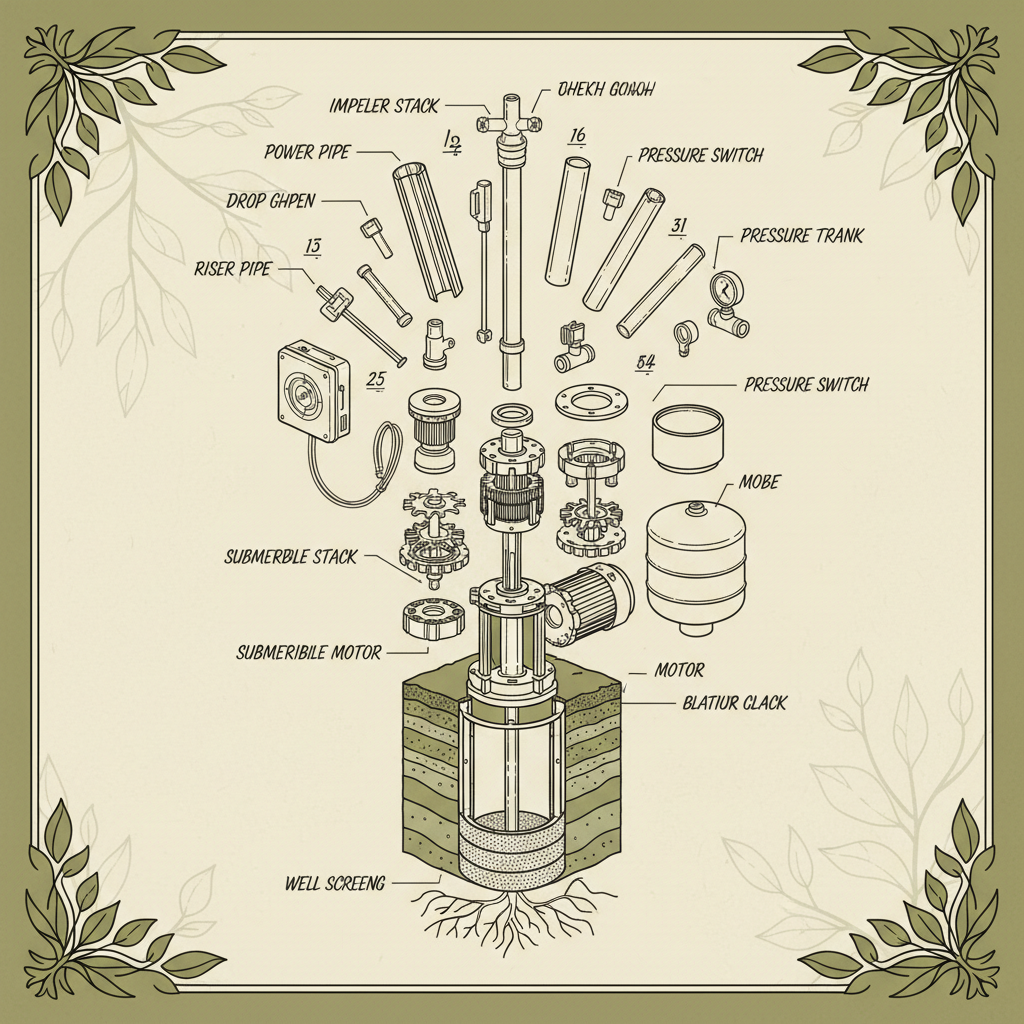
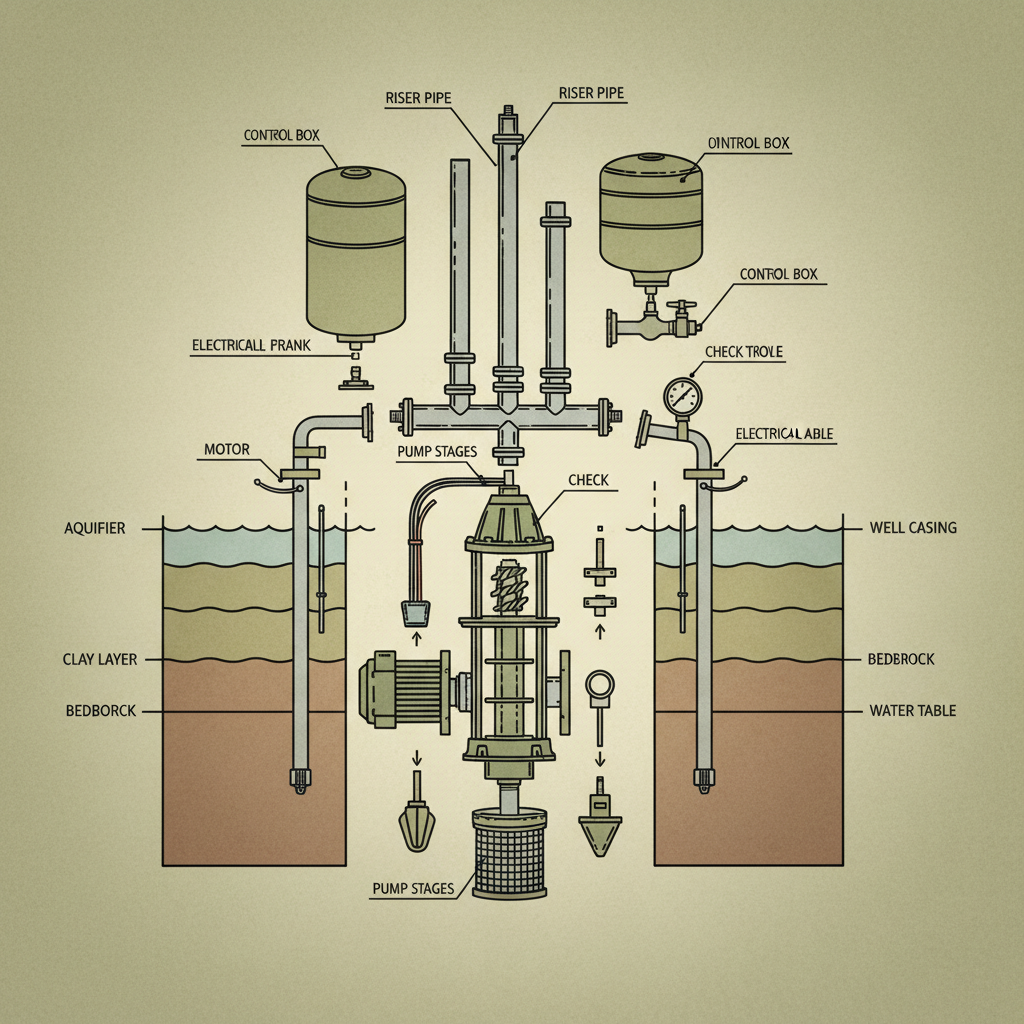
To be honest, the demand is insane. I was at a conference in Dubai last year, and everyone was talking about it – huge infrastructure projects, new residential areas, everything needing reliable water sources. The Middle East, Africa, parts of Asia… they’re all facing serious water stress. But it's not just developing countries. I've been doing installs in the US, in Texas especially, where drought conditions are forcing folks to drill deeper than ever before. The UN's been sounding the alarm for years, and now we’re seeing the consequences on construction sites.
You’ve got to remember, it’s not just about getting the water; it’s about getting it sustainably. Over-extraction can lead to land subsidence, saltwater intrusion… it’s a whole mess. So the installations have to be done right, with proper monitoring and management. That’s where things get complicated, and that’s why you need experienced guys, not just anyone with a drill.
Honestly, it varies a lot. But a well-maintained pump, properly sized for the application, can easily last 15-25 years, sometimes even longer. It depends on the water quality, the amount of use, and whether you stick to a regular maintenance schedule. Neglect it, and you'll be looking at replacement sooner rather than later. Key is to monitor the current draw – if it starts climbing, something’s starting to go wrong.
That’s a loaded question. It depends on a bunch of factors – well depth, water level, flow rate required, and the pressure you need. You’ll need to do a pump test to determine the well’s yield and then calculate the total dynamic head (TDH). There are online calculators, but it’s always best to consult with a qualified well professional to get it right. Oversizing a pump is just as bad as undersizing it.
At least once a year, ideally twice. Check the power cable for damage, listen for unusual noises during operation, and monitor the water flow. If you notice any changes, investigate immediately. A simple visual inspection can often catch problems before they become major headaches. And don't forget to check the electrical connections – corrosion can be a real issue.
Sometimes. Smaller pumps can often be repaired, but larger ones are usually replaced. The cost of labor and parts often outweighs the cost of a new pump. However, it’s always worth getting a quote to see if a repair is feasible. Replacing the motor is often possible, but the rest of the pump may be nearing the end of its life anyway.
Several things. Low water levels causing the pump to run dry is a big one. Also, clogged impellers, excessive wear, or a faulty motor. Overheating can quickly damage the pump, so it's crucial to address the issue immediately. Check the water levels, inspect the impeller for obstructions, and have a qualified technician check the motor if the problem persists.
Using corrosion-resistant materials is the first step – stainless steel, polymers, etc. You can also install a sacrificial anode to protect the pump components from corrosion. Regularly testing the water quality and treating it if necessary can also help. And make sure all electrical connections are properly sealed to prevent moisture from causing corrosion.
So, that’s deep well submersible pump installation in a nutshell. It's a complex process, but a vital one, especially as water scarcity becomes a more pressing issue. Getting it right requires careful planning, proper materials, skilled labor, and ongoing maintenance. It's not something to cut corners on.
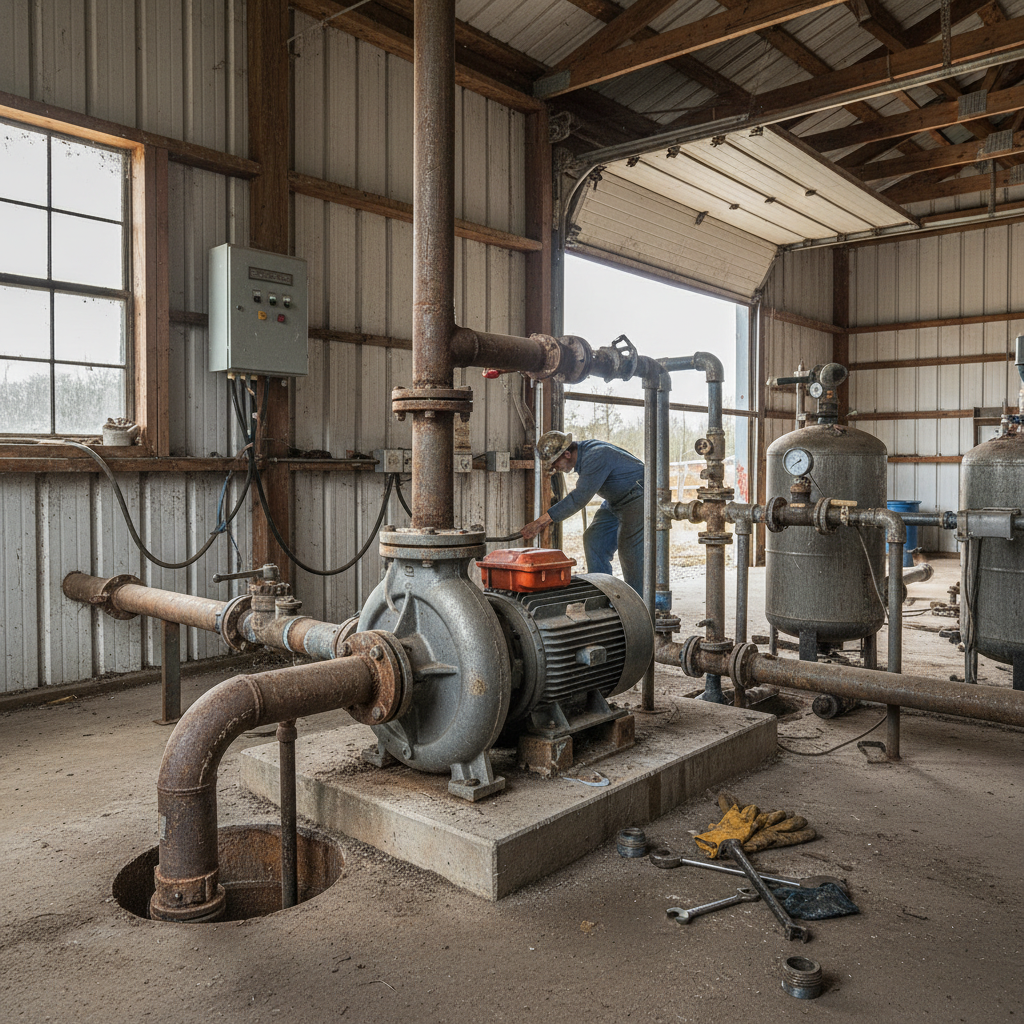
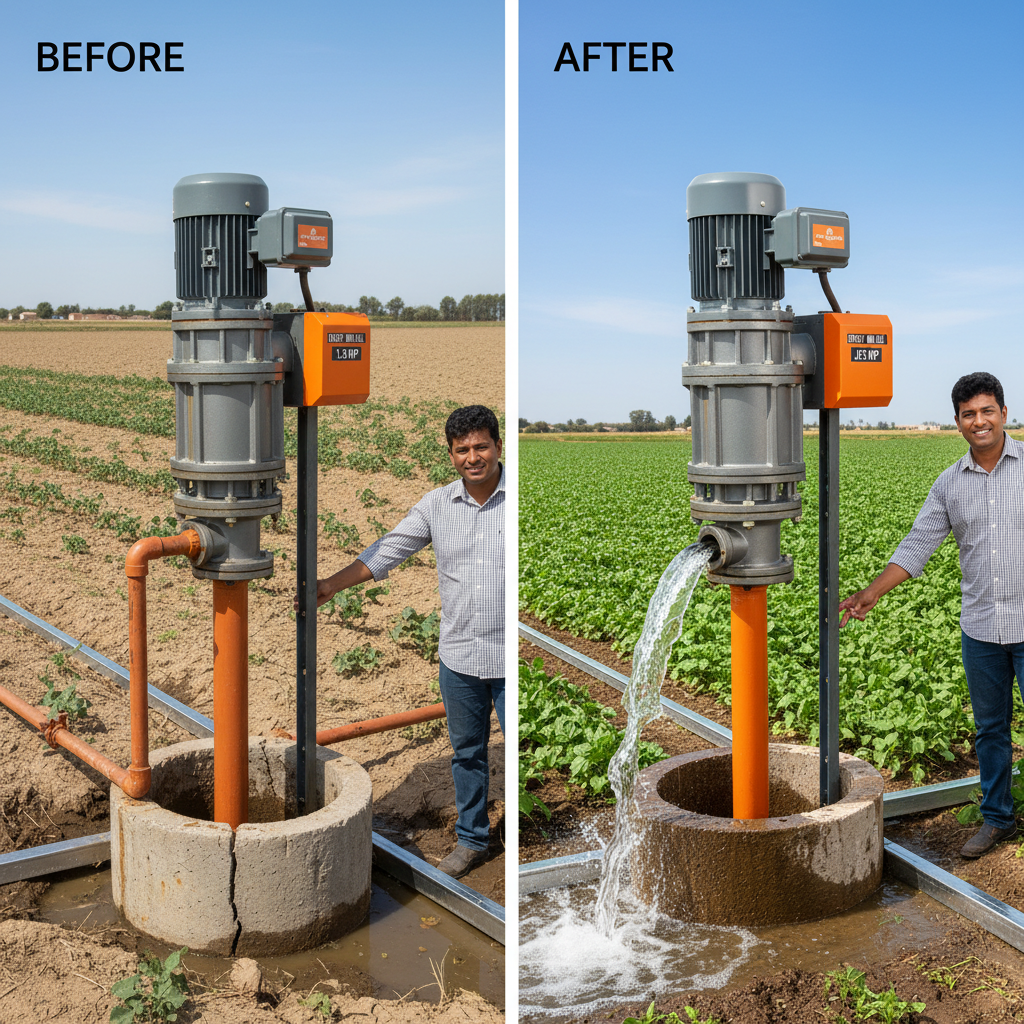
Ultimately, whether this thing works or not, the worker will know the moment he tightens the screw. Because you can spec out the fanciest pump, use the highest-grade materials, and run all the simulations you want, but if the installation isn’t solid, if it's not done right, it's all for nothing. That’s just how it is.
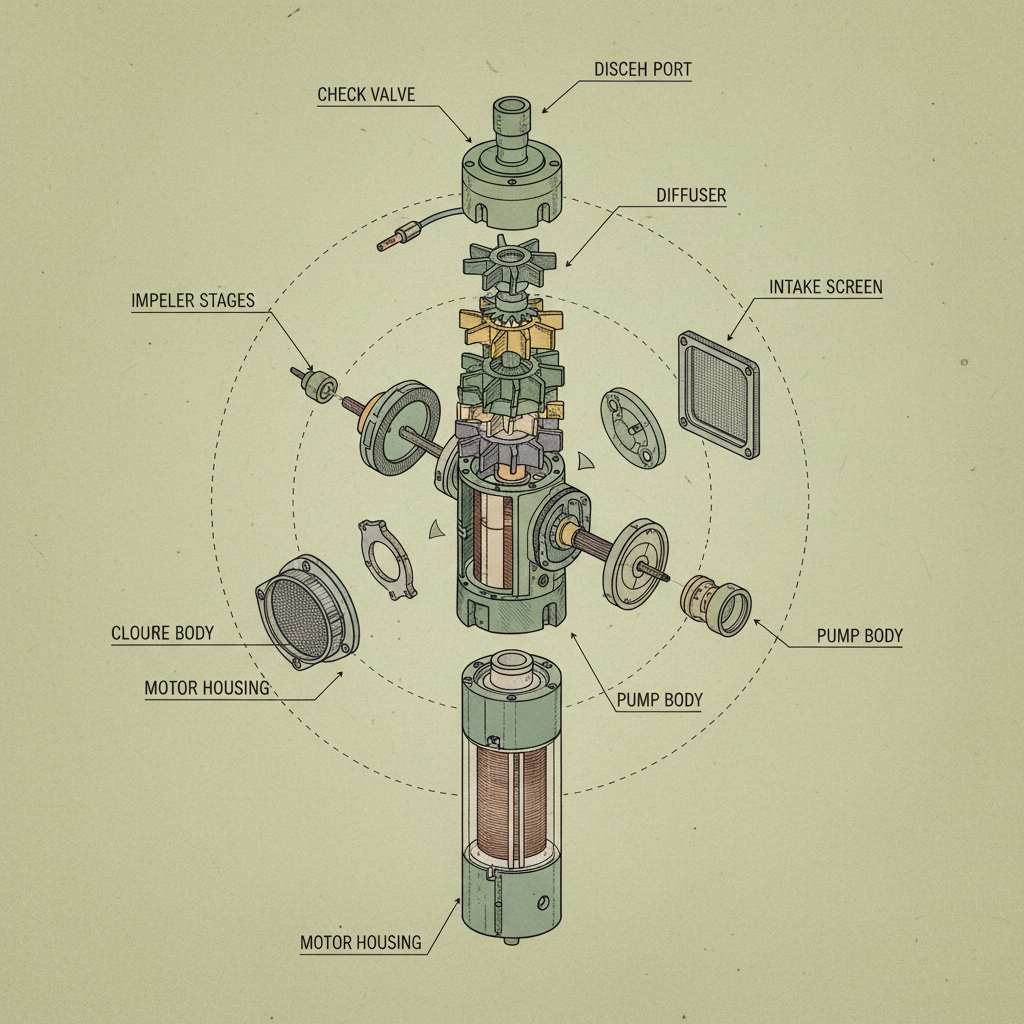

 Afrikaans
 Albanian
 Amharic
 Arabic
 Armenian
 Azerbaijani
 Basque
 Belarusian
 Bengali
 Bosnian
 Bulgarian
 Catalan
 Cebuano
 Corsican
 Croatian
 Czech
Czech
 Danish
 Dutch
Dutch
 Esperanto
 Estonian
 Finnish
 French
 Frisian
 Galician
 Georgian
 German
 Greek
Greek
 Gujarati
 Haitian Creole
 Hausa
Hausa
 Hawaiian
 Hebrew
 Hindi
Hindi
 Miao
Miao
 Hungarian
 Icelandic
 Igbo
Igbo
 Indonesian
 Irish
Irish
 Italian
 Japanese
 Javanese
 Kannada
 Kazakh
 Khmer
Khmer
 Rwandese
 Korean
 Kurdish
 Kyrgyz
 Lao
Lao
 Latin
Latin
 Latvian
 Lithuanian
 Luxembourgish
 Macedonian
 Malgashi
 Malay
Malay
 Malayalam
 Maltese
 Maori
Maori
 Marathi
 Mongolian
 Myanmar
 Nepali
 Norwegian
 Norwegian
 Occitan
 Pashto
 Persian
 Polish
 Portuguese
 Punjabi
 Romanian
 Russian
 Samoan
 Scottish Gaelic
 Serbian
 Sesotho
 Shona
Shona
 Sindhi
 Sinhala
 Slovak
 Slovenian
 Somali
 Spanish
 Sundanese
 Swahili
 Swedish
 Tagalog
 Tajik
Tajik
 Tamil
Tamil
 Tatar
Tatar
 Telugu
 Thai
Thai
 Turkish
 Turkmen
 Ukrainian
 Urdu
Urdu
 Uighur
 Uzbek
Uzbek
 Vietnamese
 Welsh
Welsh
 Bantu
Bantu
 Yiddish
 Yoruba
 Zulu
Zulu
 English