
Dec . 11, 2024 06:46 Back to list
Understanding the Functionality of Deep Well Submersible Pumps in Water Extraction
How Does a Deep Well Submersible Pump Work?
Deep well submersible pumps are vital devices widely employed for extracting water from deep underground aquifers. They are particularly useful in agricultural, residential, and commercial settings where access to groundwater is crucial. But what exactly does a deep well submersible pump do, and how does it work? This article aims to elucidate the mechanics of these pumps and their role in modern water extraction.
Basic Design and Components
A deep well submersible pump is designed to operate underwater, submerged in the well. Unlike other types of pumps that operate above ground, the submersible pump is sealed in a casing to prevent water ingress. This design makes it highly efficient for deep well applications, as it can push water to the surface without losing pressure.
The primary components of a submersible pump include 1. Pump Bowl Assembly This contains the impellers and diffusers, which create the pressure needed to push water upwards. 2. Motor The submersible motor is located directly above the pump and is designed to operate underwater. It is typically an electric motor, which drives the impellers. 3. Suction Strainer This filters out larger particles from the water before it enters the pump, preventing damage to the internal components. 4. Discharge Head This is the point where water exits the pump and is sent to the surface or distribution system.
How the Pump Works
The operation of a deep well submersible pump is relatively straightforward once you understand its components. Here’s a step-by-step breakdown of the process
1. Water Entry The process begins as groundwater enters through the suction strainer located at the bottom of the pump. This strainer ensures that debris and larger particles don't enter the pumping system, which could cause clogs or damage.
how does a deep well submersible pump work

2. Impeller Action Once the water is inside, it is directed to the pump bowl assembly, where the impellers start to spin. As the electric motor drives the impellers, they create a centrifugal force that pushes the water outward and upward through the pump.
3. Pressure Build-Up The water moves through a series of diffusers, which convert the velocity generated by the impellers into pressure. The combination of multiple impellers and diffusers allows the pump to create significant pressure, enabling it to lift water from great depths—sometimes hundreds of feet below the surface.
4. Water Discharge After the water has risen to the surface level, it passes through the discharge head, where it is expelled either into a pipeline for distribution or directly into a storage tank. In many applications, additional pressure tanks are used to maintain constant water pressure for various uses, such as irrigation or household consumption.
Applications and Benefits
Deep well submersible pumps are crucial for numerous applications. In agricultural settings, they efficiently supply water for irrigation during dry seasons. In residential areas, these pumps provide essential water for homes, especially in rural locations where municipal supplies are unavailable. Additionally, they are used in industrial applications for pumping water for cooling systems or process needs.
The benefits of using deep well submersible pumps are numerous - Efficiency These pumps are highly efficient and can achieve significant flow rates while requiring less energy than traditional pumps. - Longevity Built to withstand harsh conditions, submersible pumps typically have a longer lifespan, especially with proper maintenance. - Quiet Operation Unlike surface pumps, submersible pumps operate quietly since they are submerged and isolated from external noise.
Conclusion
Deep well submersible pumps play a crucial role in modern water management. Their ability to extract water efficiently from significant depths makes them indispensable in agriculture, residential needs, and various industrial applications. Understanding how these pumps work not only helps in appreciating their importance but also in maintaining and optimizing their function for long-term use. With advancements in technology, submersible pumps continue to evolve, promising even more efficiency and reliability in the future.
-
Submersible Water Pump: The Efficient 'Power Pioneer' of the Underwater World
NewsJul.01,2025
-
Submersible Pond Pump: The Hidden Guardian of Water Landscape Ecology
NewsJul.01,2025
-
Stainless Well Pump: A Reliable and Durable Pumping Main Force
NewsJul.01,2025
-
Stainless Steel Submersible Pump: An Efficient and Versatile Tool for Underwater Operations
NewsJul.01,2025
-
Deep Well Submersible Pump: An Efficient 'Sucker' of Groundwater Sources
NewsJul.01,2025
-
Deep Water Well Pump: An Efficient 'Sucker' of Groundwater Sources
NewsJul.01,2025
-
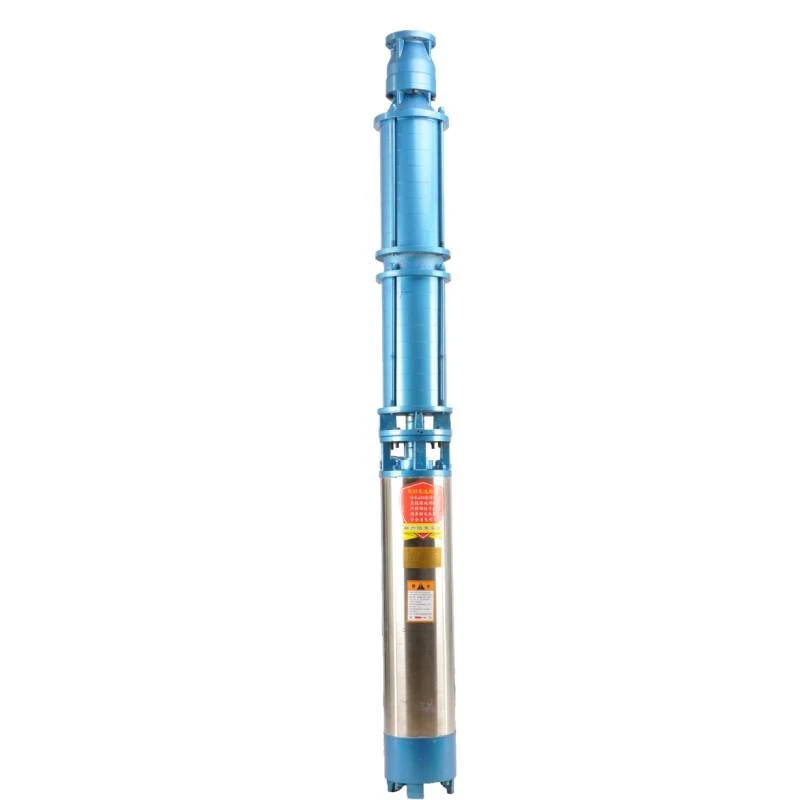 Submersible Water Pump: The Efficient 'Power Pioneer' of the Underwater WorldIn the field of hydraulic equipment, the Submersible Water Pump has become the core equipment for underwater operations and water resource transportation due to its unique design and excellent performance.Detail
 -
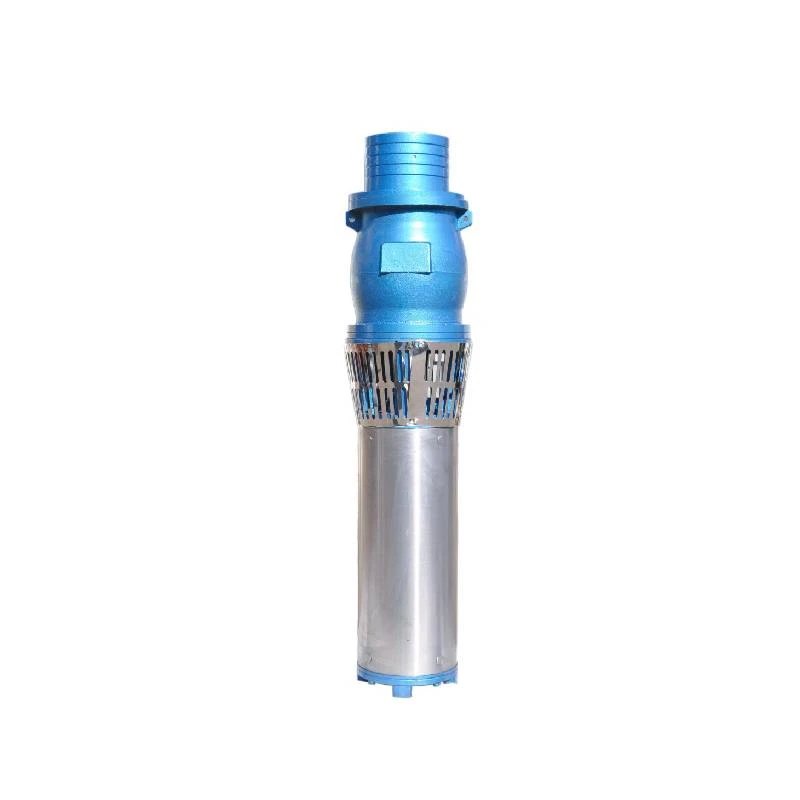 Submersible Pond Pump: The Hidden Guardian of Water Landscape EcologyIn courtyard landscapes, ecological ponds, and even small-scale water conservancy projects, there is a silent yet indispensable equipment - the Submersible Pond Pump.Detail
 -
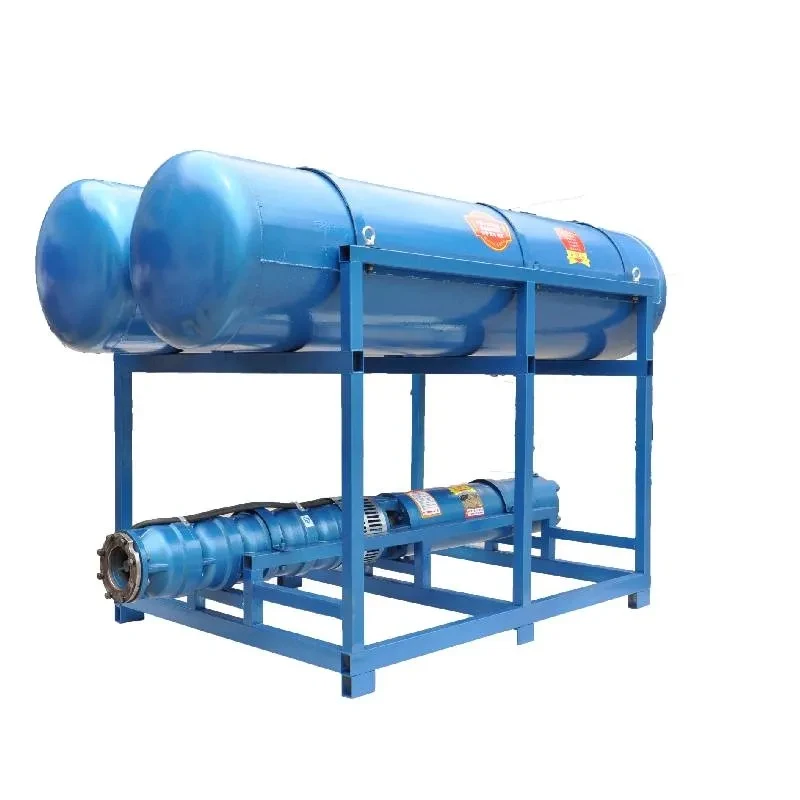 Stainless Well Pump: A Reliable and Durable Pumping Main ForceIn the field of water resource transportation, Stainless Well Pump has become the core equipment for various pumping scenarios with its excellent performance and reliable quality.Detail
 English
  Afrikaans
  Albanian
  Amharic
  Arabic
  Armenian
  Azerbaijani
  Basque
  Belarusian
  Bengali
  Bosnian
  Bulgarian
  Catalan
  Cebuano
  Corsican
  Croatian
  Czech
Czech  Danish
  Dutch
Dutch  Esperanto
  Estonian
  Finnish
  French
  Frisian
  Galician
  Georgian
  German
  Greek
Greek  Gujarati
  Haitian Creole
  Hausa
Hausa  Hawaiian
  Hebrew
  Hindi
Hindi  Miao
Miao  Hungarian
  Icelandic
  Igbo
Igbo  Indonesian
  Irish
Irish  Italian
  Japanese
  Javanese
  Kannada
  Kazakh
  Khmer
Khmer  Rwandese
  Korean
  Kurdish
  Kyrgyz
  Lao
Lao  Latin
Latin  Latvian
  Lithuanian
  Luxembourgish
  Macedonian
  Malgashi
  Malay
Malay  Malayalam
  Maltese
  Maori
Maori  Marathi
  Mongolian
  Myanmar
  Nepali
  Norwegian
  Norwegian
  Occitan
  Pashto
  Persian
  Polish
  Portuguese
  Punjabi
  Romanian
  Russian
  Samoan
  Scottish Gaelic
  Serbian
  Sesotho
  Shona
Shona  Sindhi
  Sinhala
  Slovak
  Slovenian
  Somali
  Spanish
  Sundanese
  Swahili
  Swedish
  Tagalog
  Tajik
Tajik  Tamil
Tamil  Tatar
Tatar  Telugu
  Thai
Thai  Turkish
  Turkmen
  Ukrainian
  Urdu
Urdu  Uighur
  Uzbek
Uzbek  Vietnamese
  Welsh
Welsh  Bantu
Bantu  Yiddish
  Yoruba
  Zulu
Zulu