
Dec . 05, 2024 21:22 Back to list
Steps for Installing a Submersible Well Pump Effectively and Safely
How to Install a Submersible Well Pump
Installing a submersible well pump can be a rewarding endeavor, ensuring your home or property has a reliable water supply. While the process may seem daunting, with the right tools, materials, and guidance, you can complete the installation successfully. Here’s a step-by-step guide on how to install a submersible well pump.
Step 1 Gather the Necessary Tools and Materials
Before beginning the installation, gather all necessary tools and materials. You will need - A submersible well pump - A well casing and pump drop pipe - A pump control box - Electrical wiring - PVC pipes or flexible piping - Fittings (elbows, connectors) - A wrench set - A rope or wire for lowering the pump - A measuring tape - Safety gear (gloves, goggles)
Step 2 Prepare for Installation
Before you can install the submersible pump, you must examine the well's depth and diameter. This will determine the type and size of your pump. It’s vital to choose a pump that suits the well’s characteristics to function efficiently.
Additionally, check local building codes and obtain any required permits. This ensures that your installation complies with safety and legal requirements.
Step 3 Retrieve the Old Pump (If Applicable)
If you are replacing an existing pump, you need to remove it first. Carefully disconnect the power supply, then unfasten the drop pipe and wiring attached to the old pump. Use a wrench to loosen any fittings, and gently pull the pump out of the well casing, ensuring you don’t damage the casing or connections.
Step 4 Assemble the New Pump
Once you have the old pump out, it’s time to prepare your new submersible pump. Follow the manufacturer's instructions for assembly. Ensure all fittings are secure and that the check valve is installed correctly to prevent backflow.
Step 5 Connect the Electrical Wiring
how to install a submersible well pump

Before lowering the pump into the well, connect the necessary electrical wiring. Ensure that you have a dedicated circuit for the pump, adhering to local electrical codes. If you are unsure, it’s advisable to hire a licensed electrician. Proper grounding is essential to prevent electrical hazards.
Step 6 Lower the Pump into the Well
Using a rope or wire, carefully lower the submersible pump into the well casing. Ensure that the pump remains upright and avoid twisting the wiring. It’s important to have a helper to manage the drop pipe while you control the wiring.
Lower the pump until it reaches the desired depth. The bottom of the pump should ideally be several feet above the well’s bottom to avoid sediment intake.
Step 7 Secure the Pump and Connect the Pipelines
Once the pump is in place, secure it using clamps or brackets as specified in the installation manual. Connect the drop pipe to the pump, ensuring all fittings are snug and leak-proof. Then, run the pipeline to your water storage tank or pressure tank.
Step 8 Connect the Control Box
The pump control box will help regulate the pump’s power supply. Connect the control box to the pump and ensure all connections are secure. Follow the manufacturer’s instructions for the correct wiring setup to ensure the safety and efficiency of your system.
Step 9 Test the Installation
Once everything is connected, turn on the power supply and test the installation. Monitor the water flow for any unusual noises or leaks. It's crucial to check that the pump is operating efficiently and that water is reaching its designated areas.
Conclusion
Installing a submersible well pump involves careful planning and adherence to safety protocols. By following these steps and consulting with professionals when necessary, you can enjoy a reliable water source tailored to your needs. Regular maintenance will ensure your pump operates effectively for years to come, providing you with consistent access to clean water.
-
Submersible Water Pump: The Efficient 'Power Pioneer' of the Underwater World
NewsJul.01,2025
-
Submersible Pond Pump: The Hidden Guardian of Water Landscape Ecology
NewsJul.01,2025
-
Stainless Well Pump: A Reliable and Durable Pumping Main Force
NewsJul.01,2025
-
Stainless Steel Submersible Pump: An Efficient and Versatile Tool for Underwater Operations
NewsJul.01,2025
-
Deep Well Submersible Pump: An Efficient 'Sucker' of Groundwater Sources
NewsJul.01,2025
-
Deep Water Well Pump: An Efficient 'Sucker' of Groundwater Sources
NewsJul.01,2025
-
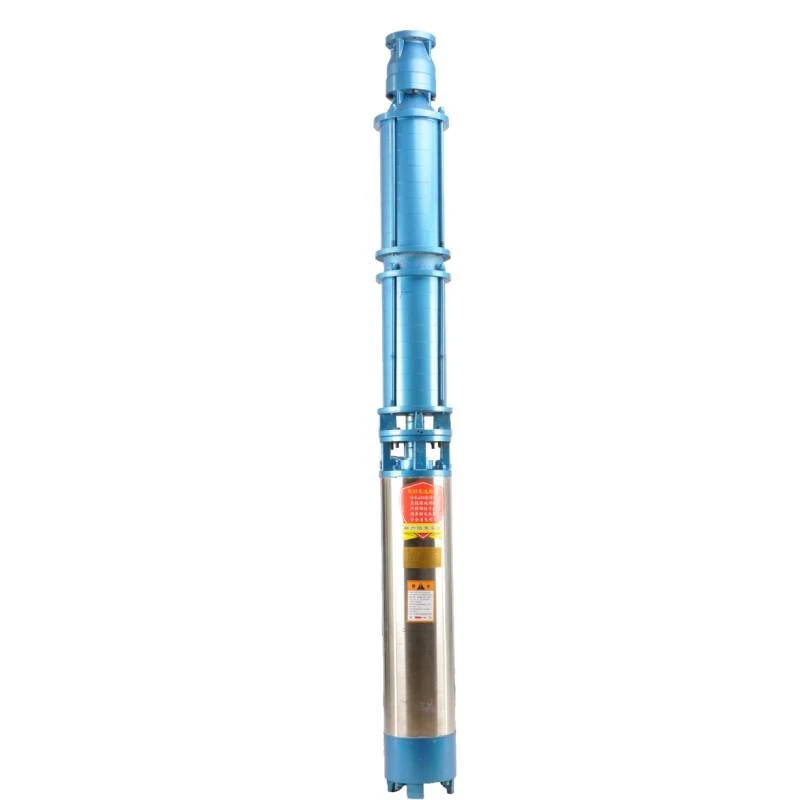 Submersible Water Pump: The Efficient 'Power Pioneer' of the Underwater WorldIn the field of hydraulic equipment, the Submersible Water Pump has become the core equipment for underwater operations and water resource transportation due to its unique design and excellent performance.Detail
 -
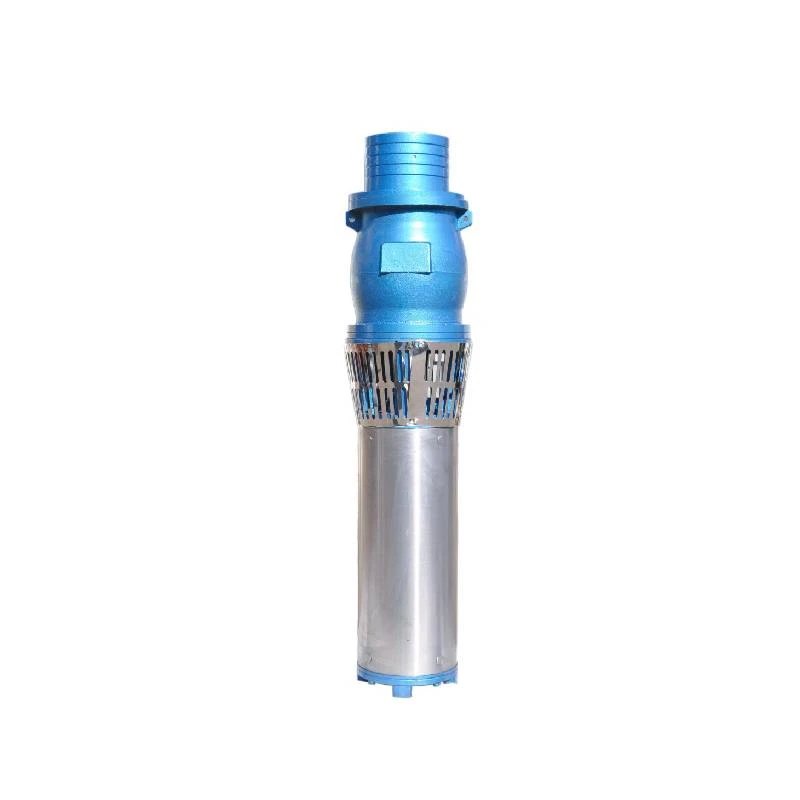 Submersible Pond Pump: The Hidden Guardian of Water Landscape EcologyIn courtyard landscapes, ecological ponds, and even small-scale water conservancy projects, there is a silent yet indispensable equipment - the Submersible Pond Pump.Detail
 -
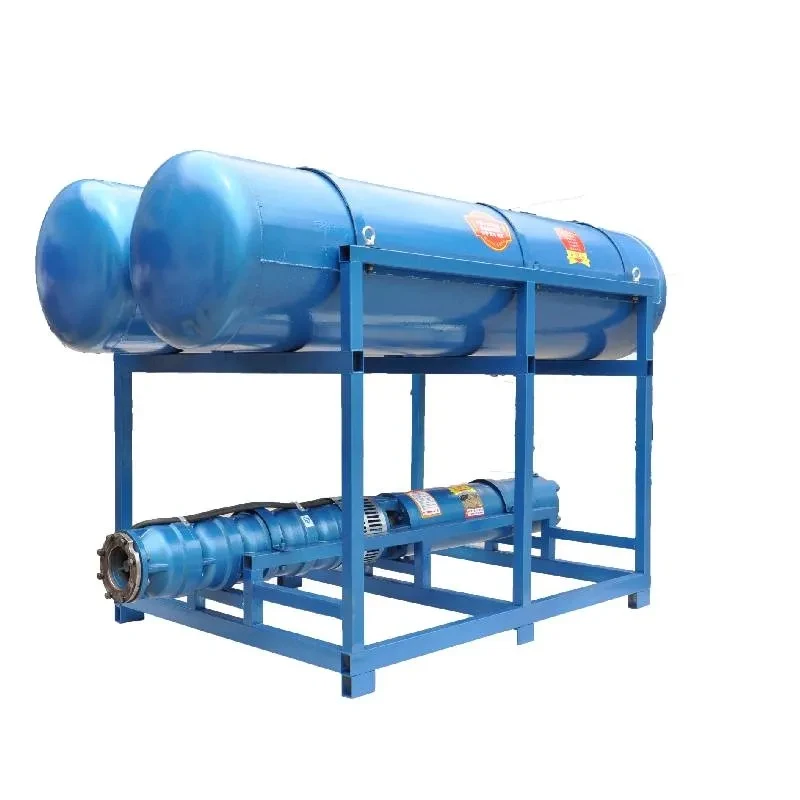 Stainless Well Pump: A Reliable and Durable Pumping Main ForceIn the field of water resource transportation, Stainless Well Pump has become the core equipment for various pumping scenarios with its excellent performance and reliable quality.Detail
 English
  Afrikaans
  Albanian
  Amharic
  Arabic
  Armenian
  Azerbaijani
  Basque
  Belarusian
  Bengali
  Bosnian
  Bulgarian
  Catalan
  Cebuano
  Corsican
  Croatian
  Czech
Czech  Danish
  Dutch
Dutch  Esperanto
  Estonian
  Finnish
  French
  Frisian
  Galician
  Georgian
  German
  Greek
Greek  Gujarati
  Haitian Creole
  Hausa
Hausa  Hawaiian
  Hebrew
  Hindi
Hindi  Miao
Miao  Hungarian
  Icelandic
  Igbo
Igbo  Indonesian
  Irish
Irish  Italian
  Japanese
  Javanese
  Kannada
  Kazakh
  Khmer
Khmer  Rwandese
  Korean
  Kurdish
  Kyrgyz
  Lao
Lao  Latin
Latin  Latvian
  Lithuanian
  Luxembourgish
  Macedonian
  Malgashi
  Malay
Malay  Malayalam
  Maltese
  Maori
Maori  Marathi
  Mongolian
  Myanmar
  Nepali
  Norwegian
  Norwegian
  Occitan
  Pashto
  Persian
  Polish
  Portuguese
  Punjabi
  Romanian
  Russian
  Samoan
  Scottish Gaelic
  Serbian
  Sesotho
  Shona
Shona  Sindhi
  Sinhala
  Slovak
  Slovenian
  Somali
  Spanish
  Sundanese
  Swahili
  Swedish
  Tagalog
  Tajik
Tajik  Tamil
Tamil  Tatar
Tatar  Telugu
  Thai
Thai  Turkish
  Turkmen
  Ukrainian
  Urdu
Urdu  Uighur
  Uzbek
Uzbek  Vietnamese
  Welsh
Welsh  Bantu
Bantu  Yiddish
  Yoruba
  Zulu
Zulu