
Dec . 10, 2024 09:54 Back to list
how to test a submersible well pump
How to Test a Submersible Well Pump
Submersible well pumps are critical components in the water supply systems for residential, agricultural, and industrial applications. Testing these pumps ensures they operate efficiently and meet the required specifications. Here’s a step-by-step guide on how to conduct a thorough test of a submersible well pump.
1. Preparation for Testing
Before you begin testing your submersible well pump, gather the necessary tools and equipment. You will need
- A voltmeter or ammeter - Flow meter - Pressure gauge - Water measurement container (like a bucket) - Measuring tape or ruler - Safety gear (gloves, goggles)
Before diving into the testing process, ensure all safety precautions are taken into account. Make sure the electricity supply to the pump is safely disconnected to avoid any electrical hazards.
2. Visual Inspection
Start with a visual inspection of the pump and its components. Check for any visible signs of wear or damage, including cracks or corrosion. Look for leaks in the electrical connections and the wiring. Ensure that the discharge pipe is correctly installed and free from obstructions. This initial assessment will help you identify any obvious issues before conducting performance tests.
3. Checking Electrical Components
Reconnect the power supply to the pump after ensuring safety protocols are in place. Use a voltmeter to check the voltage and ensure it matches the pump’s specifications. If possible, measure the amperage using an ammeter to ensure the pump is operating within its rated range. Abnormal readings could indicate electrical problems, such as a short circuit or overload.
4. Flow Rate Measurement
how to test a submersible well pump
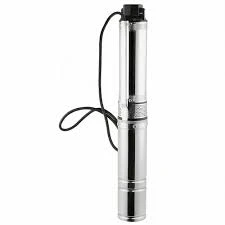
To assess the performance of the submersible pump, measuring the flow rate is crucial. Set up a flow meter at the discharge point, or use a water measurement container to manually assess the flow. Start the pump and measure how much water is delivered over a specific period (e.g., fill a bucket for one minute and calculate the flow rate in gallons per minute). Compare this measurement with the pump's specifications to determine if it is operating efficiently.
5. Pressure Testing
Another critical aspect of testing is checking the pressure produced by the submersible pump. Attach a pressure gauge to the discharge pipe. Start the pump and observe the pressure reading. Again, this should align with the manufacturer’s specifications. Low pressure can indicate issues such as wear in the pump or restrictions in the piping system.
6. Static Water Level Measurement
Before testing the pump, measure the static water level in the well using a measuring tape or a well gauge. Static water level is the depth at which water stands in the well when the pump is not running. After conducting the pump test, measure the dynamic water level - the height of water while the pump is operating. The difference between the static and dynamic water levels will give you crucial insight into the efficiency and drawdown capabilities of the pump.
7. Assessing Pump Efficiency
After conducting the tests, analyze the data to evaluate the pump's overall efficiency. If the pump is not delivering the expected flow rate or pressure, you may need to consider variables like pump size, age, or potential blockages in the system. Efficiency losses can also arise from wear and tear over time, necessitating repairs or replacements.
8. Maintenance Recommendations
Based on your testing results, it may become apparent if any maintenance or service is required. Regular maintenance can dramatically enhance the lifespan and efficiency of submersible well pumps. Routine checks, cleaning, and part replacement can prevent more significant issues down the line.
Conclusion
Testing a submersible well pump is vital to ensure it operates efficiently and effectively. By following these steps and regularly monitoring the pump's performance, you can extend its lifespan and avoid costly repairs in the future. Always prioritize safety and consult with professionals if any concerns arise during your testing process. Remember that a well-maintained pump not only guarantees a reliable water supply but also maximizes your investment in water resources.
-
Water Pumps: Solutions for Every Need
NewsJul.30,2025
-
Submersible Well Pumps: Reliable Water Solutions
NewsJul.30,2025
-
Stainless Steel Water Pumps: Quality and Durability
NewsJul.30,2025
-
Powerful Water Pumps: Your Solution for Efficient Water Management
NewsJul.30,2025
-
Oil vs Water Filled Submersible Pumps: Which is Better?
NewsJul.30,2025
-
Deep Well Pumps: Power and Reliability
NewsJul.30,2025
-
 Water Pumps: Solutions for Every NeedWhen it comes to handling dirty water, the dirty water pump is a must-have.Detail
 -
 Submersible Well Pumps: Reliable Water SolutionsWhen it comes to ensuring a reliable water supply, submersible well pumps are a top choice.Detail
 -
 Stainless Steel Water Pumps: Quality and DurabilityWhen it comes to choosing a water pump, the stainless steel water pump price is a crucial factor.Detail
 English
  Afrikaans
  Albanian
  Amharic
  Arabic
  Armenian
  Azerbaijani
  Basque
  Belarusian
  Bengali
  Bosnian
  Bulgarian
  Catalan
  Cebuano
  Corsican
  Croatian
  Czech
Czech  Danish
  Dutch
Dutch  Esperanto
  Estonian
  Finnish
  French
  Frisian
  Galician
  Georgian
  German
  Greek
Greek  Gujarati
  Haitian Creole
  Hausa
Hausa  Hawaiian
  Hebrew
  Hindi
Hindi  Miao
Miao  Hungarian
  Icelandic
  Igbo
Igbo  Indonesian
  Irish
Irish  Italian
  Japanese
  Javanese
  Kannada
  Kazakh
  Khmer
Khmer  Rwandese
  Korean
  Kurdish
  Kyrgyz
  Lao
Lao  Latin
Latin  Latvian
  Lithuanian
  Luxembourgish
  Macedonian
  Malgashi
  Malay
Malay  Malayalam
  Maltese
  Maori
Maori  Marathi
  Mongolian
  Myanmar
  Nepali
  Norwegian
  Norwegian
  Occitan
  Pashto
  Persian
  Polish
  Portuguese
  Punjabi
  Romanian
  Russian
  Samoan
  Scottish Gaelic
  Serbian
  Sesotho
  Shona
Shona  Sindhi
  Sinhala
  Slovak
  Slovenian
  Somali
  Spanish
  Sundanese
  Swahili
  Swedish
  Tagalog
  Tajik
Tajik  Tamil
Tamil  Tatar
Tatar  Telugu
  Thai
Thai  Turkish
  Turkmen
  Ukrainian
  Urdu
Urdu  Uighur
  Uzbek
Uzbek  Vietnamese
  Welsh
Welsh  Bantu
Bantu  Yiddish
  Yoruba
  Zulu
Zulu