
Dec . 11, 2024 19:27 Back to list
installation of deep well pump
Installation of Deep Well Pumps A Comprehensive Guide
Deep well pumps are essential components in various sectors, including agriculture, municipal water systems, and industrial applications. Their primary role is to extract groundwater from deep aquifers, ensuring a reliable supply of water for various uses. However, the installation of deep well pumps requires careful planning and execution to ensure efficiency and longevity. This article provides a comprehensive guide on the installation of deep well pumps, highlighting key considerations and best practices.
Understanding Deep Well Pumps
Deep well pumps are submersible pumps designed for operation at great depths, typically beyond 25 feet. These pumps function by pushing water up from the well through a series of pipes leading to the surface. They are ideal for applications where the water table is significantly below ground level, making them a vital asset in regions prone to drought or where surface water is scarce.
Planning for Installation
1. Site Assessment Before installation, it’s crucial to conduct a thorough assessment of the site. Factors such as the depth of the well, the diameter of the casing, and the geology of the area can influence the type of pump required. Engaging with hydrogeologists can provide valuable insights into the water quality and quantity.
2. Choosing the Right Pump Selecting the appropriate pump involves considering the well depth, desired flow rate, and the specific application. Pumps come in various types and materials; stainless steel pumps are preferred for their durability, especially in corrosive environments.
3. Permits and Regulations Ensure compliance with local regulations regarding well construction and pump installation. This may include obtaining permits and adhering to environmental guidelines to ensure sustainable water extraction practices.
Installation Process
1. Well Preparation Before installing the pump, ensure that the well is properly constructed and equipped with a casing that meets local standards. The casing should be free from obstructions and have an adequate diameter to allow for the pump and piping.
installation of deep well pump
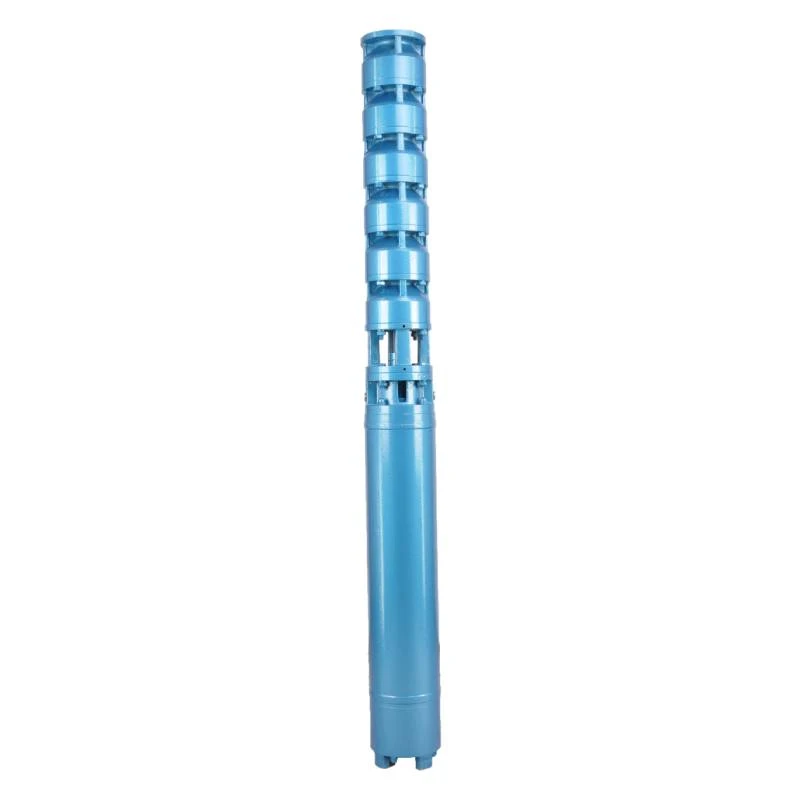
2. Setting the Pump The installation usually starts with lowering the pump into the well. Care must be taken to ensure that the pump is not damaged during this process. Use a hoist or a winch to lift and lower the pump safely. The pump should be set at a depth where it can efficiently draw water without running dry.
3. Connecting Power Supply Deep well pumps typically require an electrical power supply. It is essential to install a control box and wiring that match the pump’s voltage and power requirements. Engaging a licensed electrician is advised to handle electrical connections safely.
4. Installing Piping Once the pump is in place, connect the discharge pipe to ensure a direct flow of water from the pump to the surface storage or distribution system. Ensure all joints are sealed properly to prevent leaks.
5. Setting Up the Control System Modern deep well pumps may come with advanced control systems that allow for automation and remote monitoring. Setting up these systems can enhance operational efficiency and provide diagnostics for timely maintenance.
Post-Installation Considerations
1. Testing the System After installation, conduct a thorough test of the system to ensure everything is functioning correctly. Check for proper water flow, pressure, and any unusual noises that may indicate a problem.
2. Regular Maintenance To prolong the life of the pump and ensure reliable operation, establish a routine maintenance schedule. This should include inspecting the pump, checking electrical connections, and assessing water quality to identify potential issues early.
3. Monitoring Performance Use monitoring tools to keep track of the pump's performance over time. This can help in identifying trends that may indicate wear or inefficiencies, allowing for timely interventions before major failures occur.
Conclusion
The installation of deep well pumps is a critical task that requires meticulous planning, skilled execution, and regular maintenance. Whether for agricultural, municipal, or industrial use, the correct installation ensures a reliable water supply and the longevity of the pump. By following best practices and adhering to regulations, users can maximize the effectiveness of their deep well pumping systems, safeguarding against future issues and ensuring sustainable water extraction practices.
-
Submersible Water Pump: The Efficient 'Power Pioneer' of the Underwater World
NewsJul.01,2025
-
Submersible Pond Pump: The Hidden Guardian of Water Landscape Ecology
NewsJul.01,2025
-
Stainless Well Pump: A Reliable and Durable Pumping Main Force
NewsJul.01,2025
-
Stainless Steel Submersible Pump: An Efficient and Versatile Tool for Underwater Operations
NewsJul.01,2025
-
Deep Well Submersible Pump: An Efficient 'Sucker' of Groundwater Sources
NewsJul.01,2025
-
Deep Water Well Pump: An Efficient 'Sucker' of Groundwater Sources
NewsJul.01,2025
-
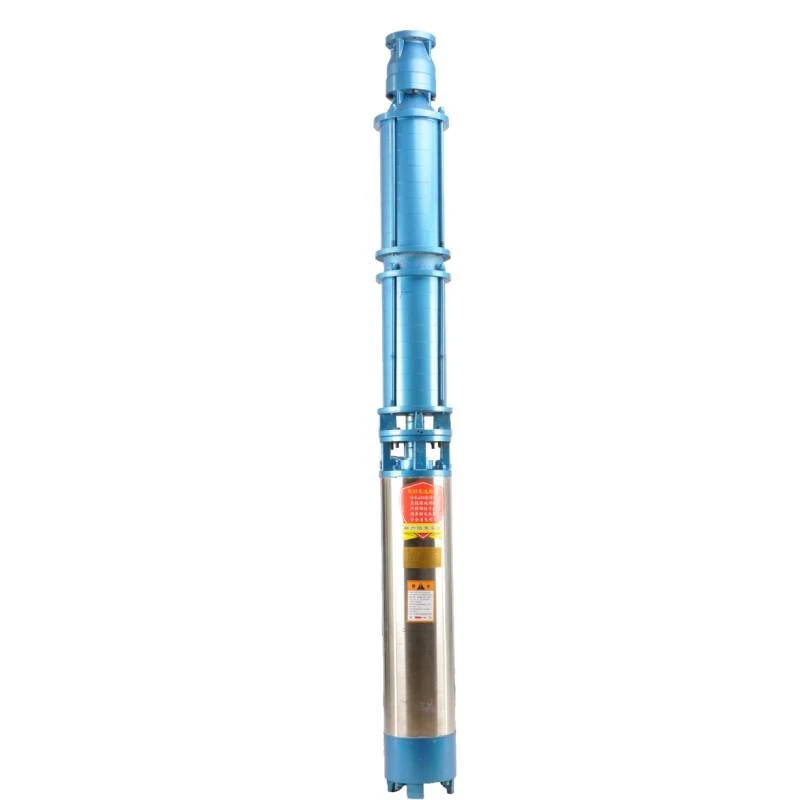 Submersible Water Pump: The Efficient 'Power Pioneer' of the Underwater WorldIn the field of hydraulic equipment, the Submersible Water Pump has become the core equipment for underwater operations and water resource transportation due to its unique design and excellent performance.Detail
 -
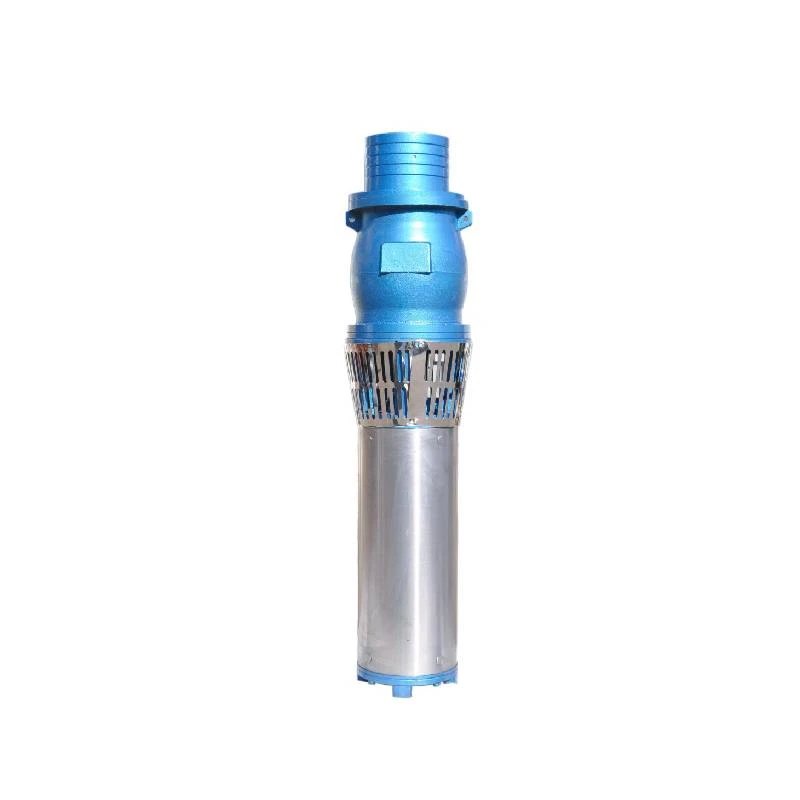 Submersible Pond Pump: The Hidden Guardian of Water Landscape EcologyIn courtyard landscapes, ecological ponds, and even small-scale water conservancy projects, there is a silent yet indispensable equipment - the Submersible Pond Pump.Detail
 -
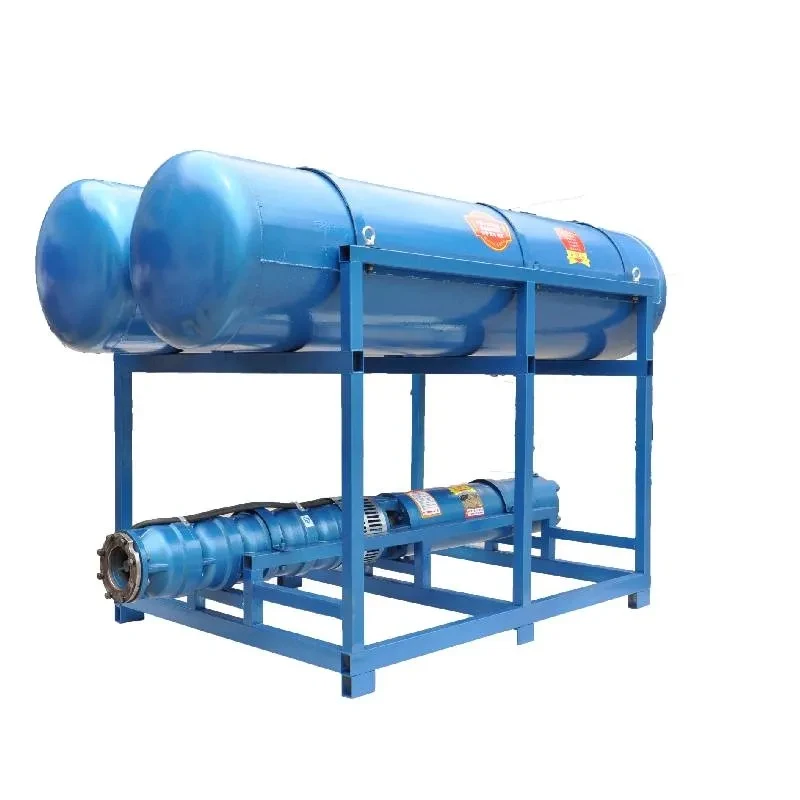 Stainless Well Pump: A Reliable and Durable Pumping Main ForceIn the field of water resource transportation, Stainless Well Pump has become the core equipment for various pumping scenarios with its excellent performance and reliable quality.Detail
 English
  Afrikaans
  Albanian
  Amharic
  Arabic
  Armenian
  Azerbaijani
  Basque
  Belarusian
  Bengali
  Bosnian
  Bulgarian
  Catalan
  Cebuano
  Corsican
  Croatian
  Czech
Czech  Danish
  Dutch
Dutch  Esperanto
  Estonian
  Finnish
  French
  Frisian
  Galician
  Georgian
  German
  Greek
Greek  Gujarati
  Haitian Creole
  Hausa
Hausa  Hawaiian
  Hebrew
  Hindi
Hindi  Miao
Miao  Hungarian
  Icelandic
  Igbo
Igbo  Indonesian
  Irish
Irish  Italian
  Japanese
  Javanese
  Kannada
  Kazakh
  Khmer
Khmer  Rwandese
  Korean
  Kurdish
  Kyrgyz
  Lao
Lao  Latin
Latin  Latvian
  Lithuanian
  Luxembourgish
  Macedonian
  Malgashi
  Malay
Malay  Malayalam
  Maltese
  Maori
Maori  Marathi
  Mongolian
  Myanmar
  Nepali
  Norwegian
  Norwegian
  Occitan
  Pashto
  Persian
  Polish
  Portuguese
  Punjabi
  Romanian
  Russian
  Samoan
  Scottish Gaelic
  Serbian
  Sesotho
  Shona
Shona  Sindhi
  Sinhala
  Slovak
  Slovenian
  Somali
  Spanish
  Sundanese
  Swahili
  Swedish
  Tagalog
  Tajik
Tajik  Tamil
Tamil  Tatar
Tatar  Telugu
  Thai
Thai  Turkish
  Turkmen
  Ukrainian
  Urdu
Urdu  Uighur
  Uzbek
Uzbek  Vietnamese
  Welsh
Welsh  Bantu
Bantu  Yiddish
  Yoruba
  Zulu
Zulu