
Dec . 06, 2024 05:52 Back to list
pressure switch submersible well pump
Understanding Pressure Switches in Submersible Well Pumps
Submersible well pumps play a crucial role in extracting groundwater for various applications, including residential, agricultural, and industrial uses. At the heart of these systems is the pressure switch, which is essential for ensuring efficient and reliable operation. This article delves into the function, importance, installation, and maintenance of pressure switches in submersible well pumps.
What is a Pressure Switch?
A pressure switch is an electronic device that monitors fluid pressure within a system. In the context of submersible well pumps, this switch is responsible for activating the pump when pressure drops below a predetermined level and turning it off once the desired pressure is reached. This automatic control helps maintain a constant water supply without manual intervention.
Importance of Pressure Switches in Submersible Pumps
1. Efficiency and Control The primary function of a pressure switch is to ensure that the pump operates within optimal parameters. By automatically starting and stopping the pump as needed, it prevents overworking the motor, which can lead to increased energy consumption and potential burnout.
2. Water Supply Consistency Pressure switches help maintain a consistent water pressure in the system, which is essential for homes and businesses. Sudden drops in pressure can lead to inadequate water supply or even damage to plumbing systems.
3. Protection Mechanism Pressure switches also serve as protective devices. If the well runs dry or if there are issues like a blockage or a leak, the pressure switch will disengage the pump. This safeguard reduces wear and tear on the pump and minimizes the risk of catastrophic failures.
4. Preventing Water Hammer The rapid cycling of pumps can cause water hammer—a condition where shockwaves form in the water pipes, leading to noise and potentially damaging the plumbing system. A well-calibrated pressure switch mitigates these risks by ensuring smooth operation.
Installation of Pressure Switches
Installing a pressure switch requires careful attention to detail to ensure functionality and longevity. The installation process typically involves the following steps
1. Choosing the Right Location The pressure switch should be installed near the pump and connected to the pressure line. It must be accessible for maintenance but protected from moisture and debris.
pressure switch submersible well pump
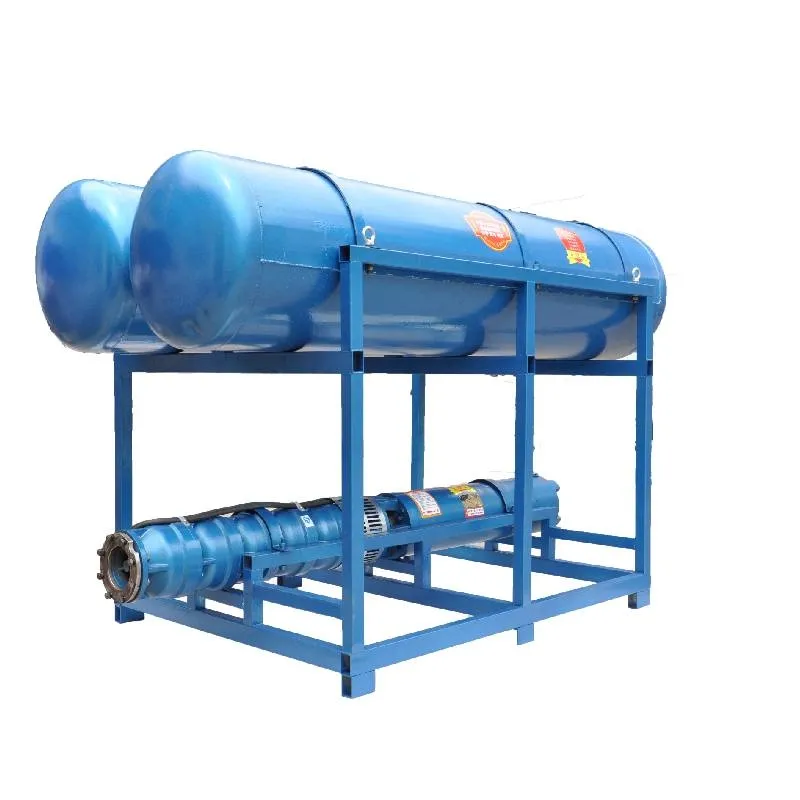
2. Wiring Connections Proper wiring is critical. The pressure switch’s electrical connections must be secure, following the manufacturer’s specifications to avoid short circuits and ensure operational safety.
3. Setting the Pressure Levels Once installed, the pressure switch needs to be set to appropriate pressure levels, typically determined by the system’s requirements. Most switches have adjustable settings for both cut-in and cut-out pressures.
4. Testing the System After installation, it is essential to test the system to ensure the pressure switch functions correctly. Monitor the pump operation to confirm that it starts and stops at the designated pressure levels.
Maintenance of Pressure Switches
Regular maintenance is essential for ensuring the longevity and reliability of pressure switches. Consider the following maintenance tips
1. Regular Inspections Periodically check the pressure switch for signs of wear, corrosion, or damage. Any issues should be addressed promptly to prevent failures.
2. Cleaning Ensure that the area around the pressure switch is clean and free from debris or moisture that could interfere with its operation.
3. Calibrating Pressure Settings Over time, the pressure settings may drift due to environmental changes or component wear. Regularly verify and calibrate the settings according to system requirements.
4. Consulting Professionals If problems persist or if you are uncertain about performing maintenance yourself, it is wise to seek the assistance of a qualified technician.
Conclusion
Pressure switches are integral to the effective operation of submersible well pumps, providing efficiency, safety, and control over water supply systems. Understanding their functionality and actively maintaining these devices can ensure long-term reliability and performance. As with any mechanical system, proactive care can lead to significant improvements in both lifespan and functionality, making it crucial for users and operators to prioritize the maintenance of pressure switches in their submersible pumps.
-
Submersible Water Pump: The Efficient 'Power Pioneer' of the Underwater World
NewsJul.01,2025
-
Submersible Pond Pump: The Hidden Guardian of Water Landscape Ecology
NewsJul.01,2025
-
Stainless Well Pump: A Reliable and Durable Pumping Main Force
NewsJul.01,2025
-
Stainless Steel Submersible Pump: An Efficient and Versatile Tool for Underwater Operations
NewsJul.01,2025
-
Deep Well Submersible Pump: An Efficient 'Sucker' of Groundwater Sources
NewsJul.01,2025
-
Deep Water Well Pump: An Efficient 'Sucker' of Groundwater Sources
NewsJul.01,2025
-
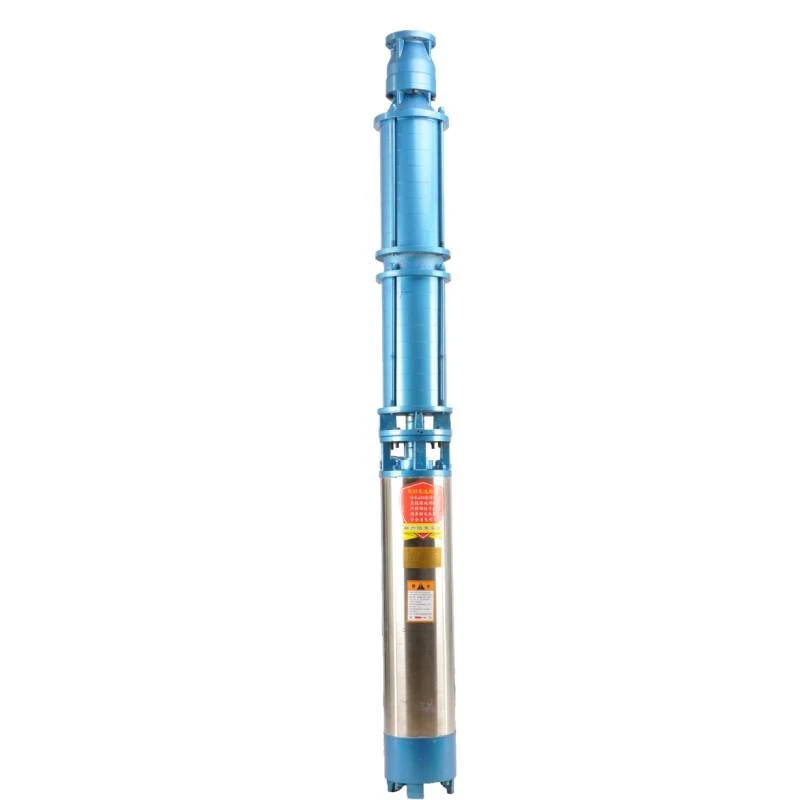 Submersible Water Pump: The Efficient 'Power Pioneer' of the Underwater WorldIn the field of hydraulic equipment, the Submersible Water Pump has become the core equipment for underwater operations and water resource transportation due to its unique design and excellent performance.Detail
 -
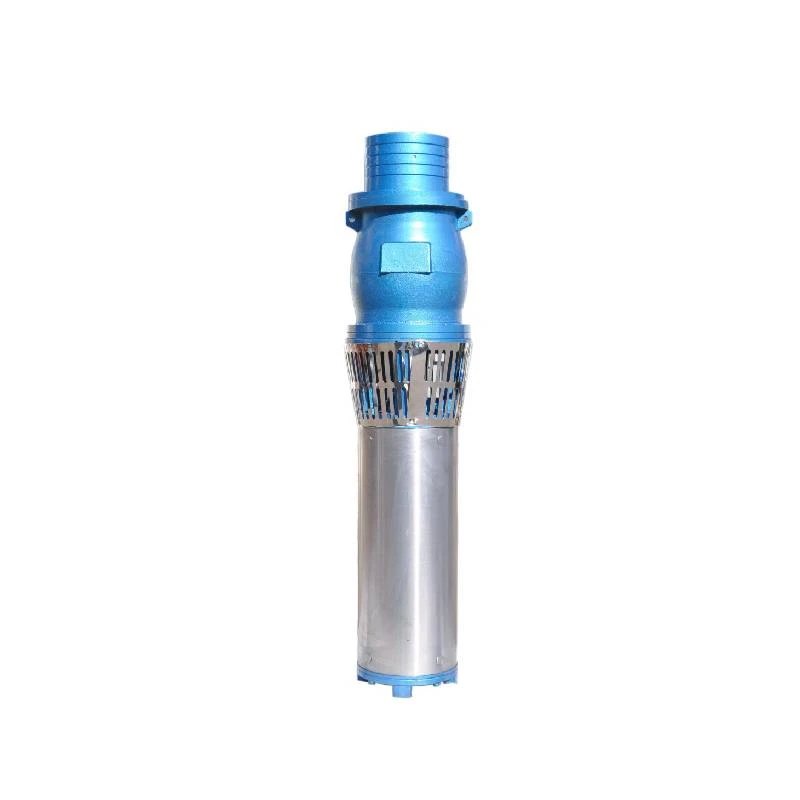 Submersible Pond Pump: The Hidden Guardian of Water Landscape EcologyIn courtyard landscapes, ecological ponds, and even small-scale water conservancy projects, there is a silent yet indispensable equipment - the Submersible Pond Pump.Detail
 -
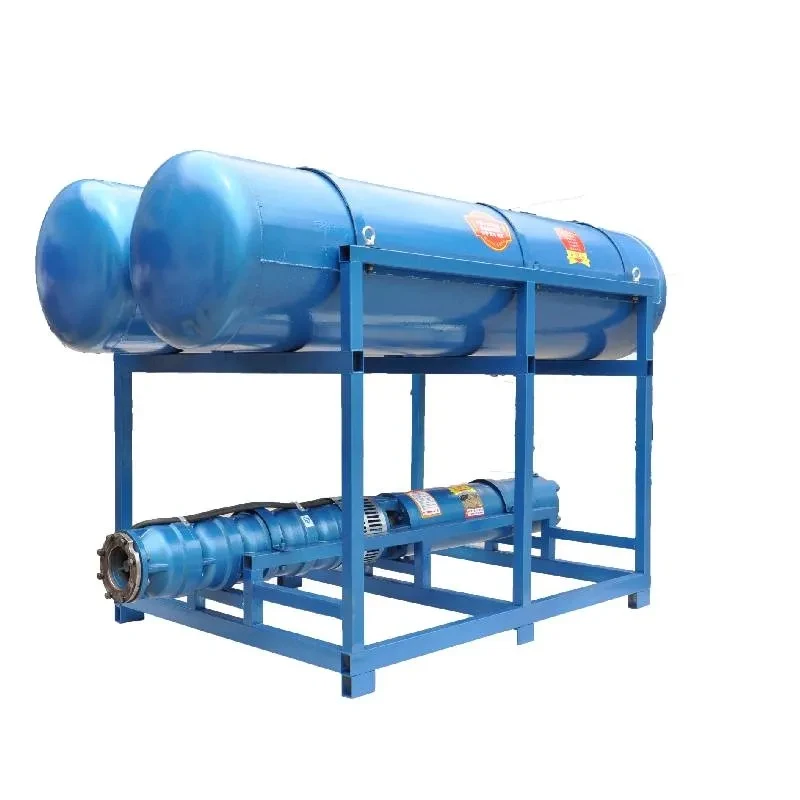 Stainless Well Pump: A Reliable and Durable Pumping Main ForceIn the field of water resource transportation, Stainless Well Pump has become the core equipment for various pumping scenarios with its excellent performance and reliable quality.Detail
 English
  Afrikaans
  Albanian
  Amharic
  Arabic
  Armenian
  Azerbaijani
  Basque
  Belarusian
  Bengali
  Bosnian
  Bulgarian
  Catalan
  Cebuano
  Corsican
  Croatian
  Czech
Czech  Danish
  Dutch
Dutch  Esperanto
  Estonian
  Finnish
  French
  Frisian
  Galician
  Georgian
  German
  Greek
Greek  Gujarati
  Haitian Creole
  Hausa
Hausa  Hawaiian
  Hebrew
  Hindi
Hindi  Miao
Miao  Hungarian
  Icelandic
  Igbo
Igbo  Indonesian
  Irish
Irish  Italian
  Japanese
  Javanese
  Kannada
  Kazakh
  Khmer
Khmer  Rwandese
  Korean
  Kurdish
  Kyrgyz
  Lao
Lao  Latin
Latin  Latvian
  Lithuanian
  Luxembourgish
  Macedonian
  Malgashi
  Malay
Malay  Malayalam
  Maltese
  Maori
Maori  Marathi
  Mongolian
  Myanmar
  Nepali
  Norwegian
  Norwegian
  Occitan
  Pashto
  Persian
  Polish
  Portuguese
  Punjabi
  Romanian
  Russian
  Samoan
  Scottish Gaelic
  Serbian
  Sesotho
  Shona
Shona  Sindhi
  Sinhala
  Slovak
  Slovenian
  Somali
  Spanish
  Sundanese
  Swahili
  Swedish
  Tagalog
  Tajik
Tajik  Tamil
Tamil  Tatar
Tatar  Telugu
  Thai
Thai  Turkish
  Turkmen
  Ukrainian
  Urdu
Urdu  Uighur
  Uzbek
Uzbek  Vietnamese
  Welsh
Welsh  Bantu
Bantu  Yiddish
  Yoruba
  Zulu
Zulu