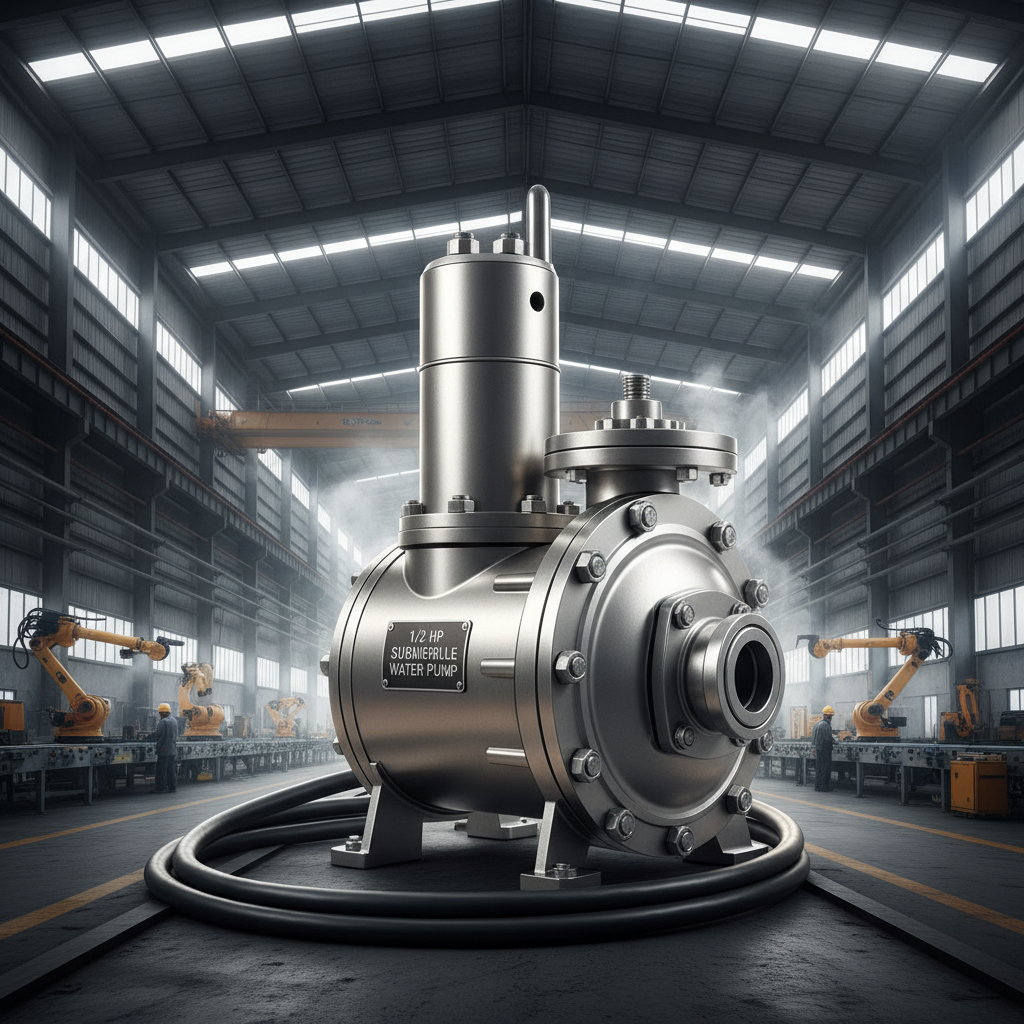
The demand for reliable water access is a global constant, and increasingly, that means looking deep – literally. The deep well submersible pump 2hp isn’t just a piece of machinery; it’s a lifeline for rural communities, agricultural operations, and even industrial sites far from municipal water sources. We're talking about providing consistent, clean water, often in challenging environments. It’s the workhorse that keeps things moving, and I’ve seen firsthand how crucial a dependable pump can be when you’re facing drought, rapid growth, or simply remote locations. This isn't about fancy specs in a brochure; it’s about practical solutions for real-world problems.
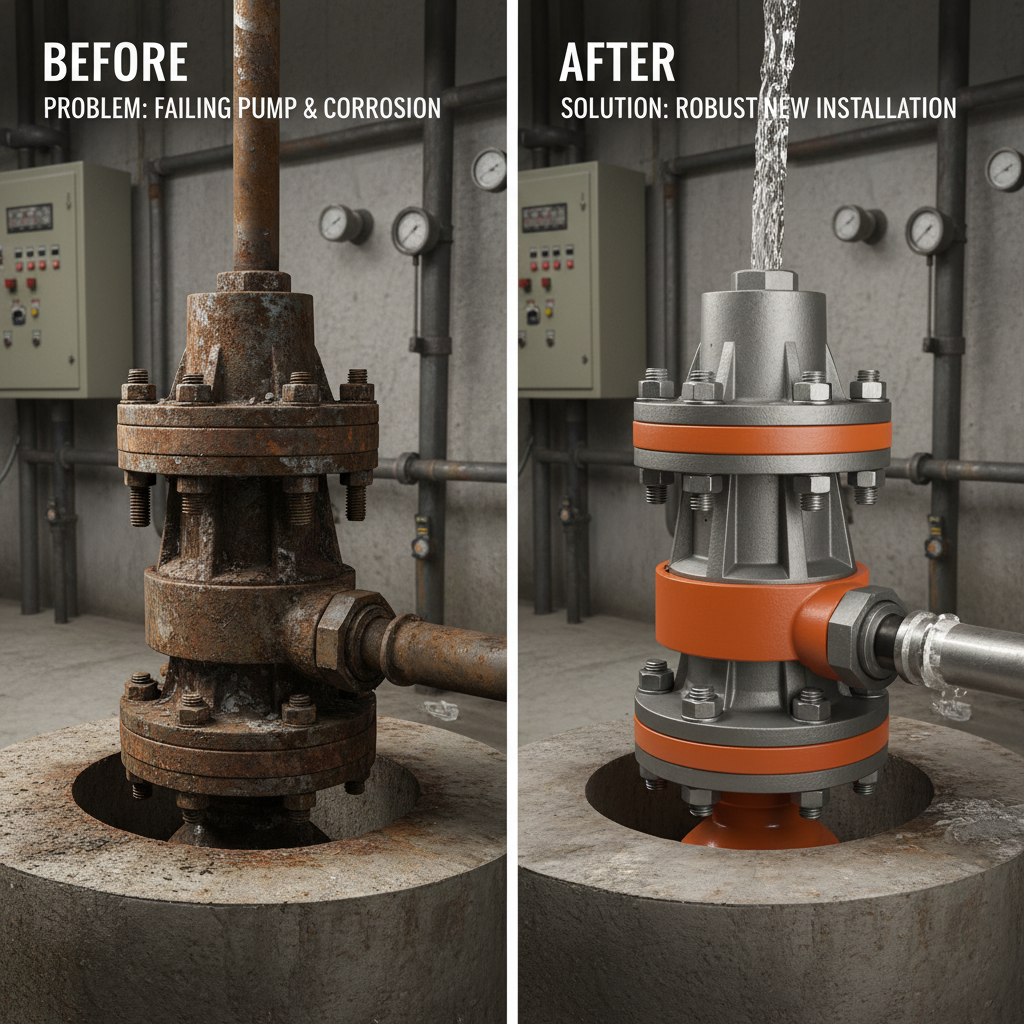
What I've learned from years on sites is this: simplicity and robustness matter most. These pumps operate downhole, often hundreds of feet below the surface, and they have to withstand corrosive water, abrasive sediments, and constant operation. A 2hp model strikes a sweet spot - enough power for a wide range of applications, but still manageable in terms of installation and energy consumption. We’re not just selling a pump; we’re selling peace of mind, knowing the water will flow when it’s needed, day in and day out.
The market’s evolving, though. Folks want more than just reliable flow. They’re looking at efficiency, remote monitoring, and longer lifecycles. That pushes manufacturers like us to innovate, to find new materials and designs that can handle the demands of today while anticipating the needs of tomorrow. It's a constant balancing act: pushing the boundaries of technology without sacrificing the core reliability that our customers depend on.
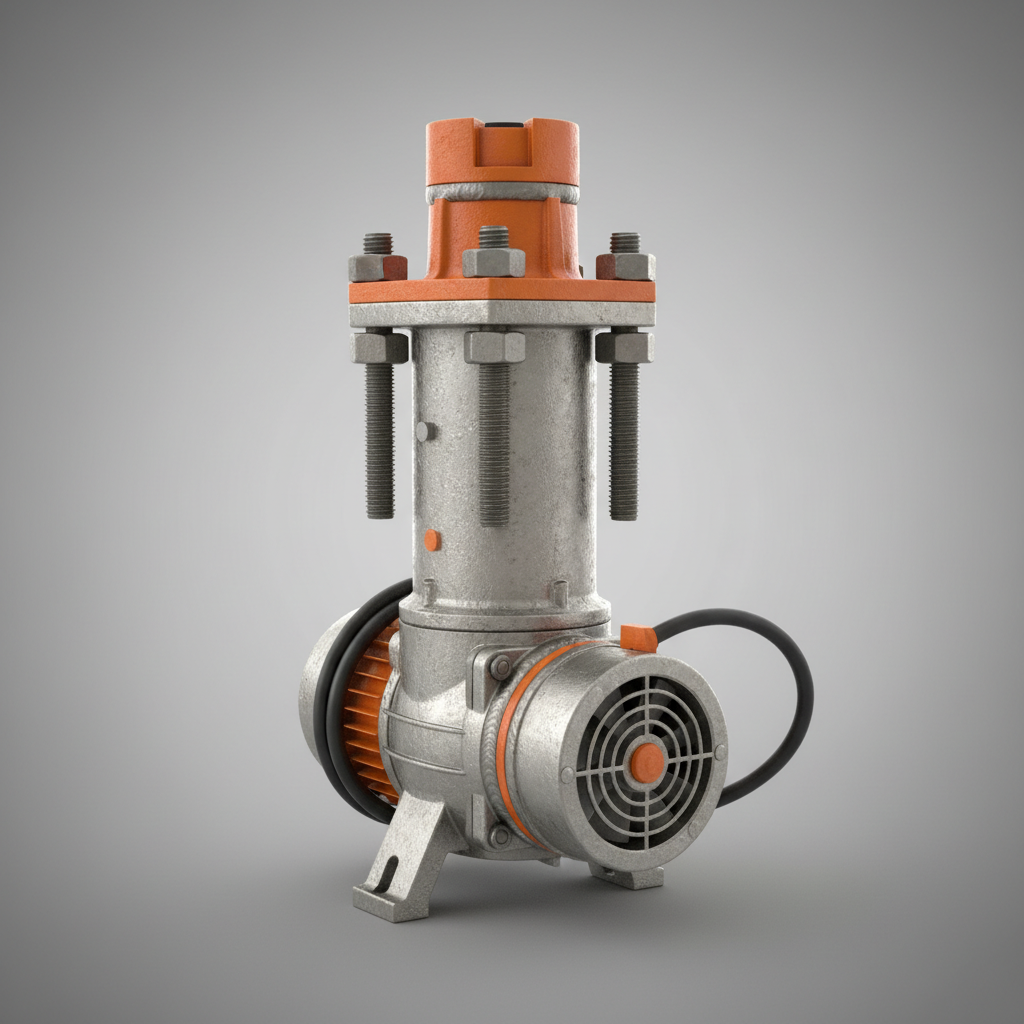
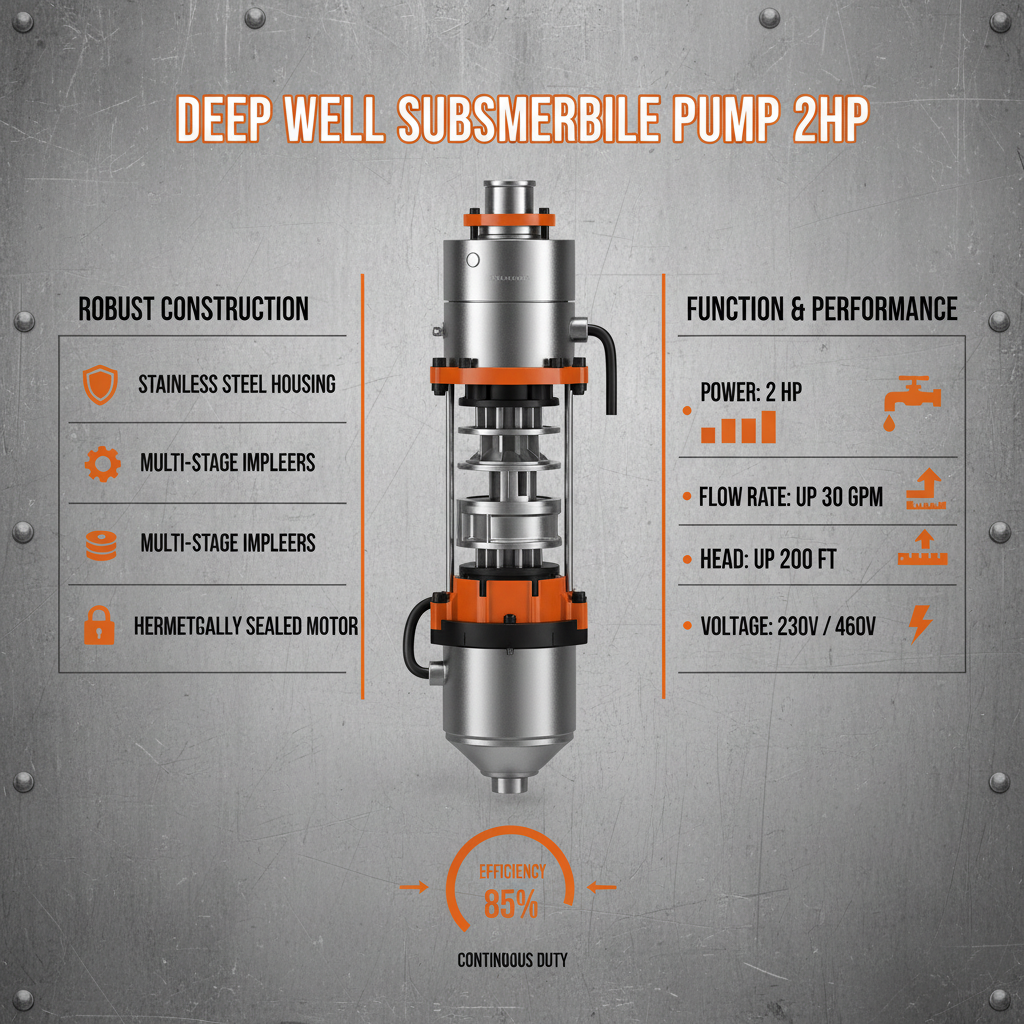
Access to clean water is a fundamental human right, yet billions worldwide still struggle to obtain it. According to the UN, nearly 2.2 billion people lack access to safely managed drinking water services. This disparity is particularly acute in rural areas and developing countries, where surface water sources are often contaminated or unreliable. The deep well submersible pump 2hp offers a viable solution by tapping into groundwater reserves, providing a consistent and often cleaner source.
The World Bank emphasizes the crucial role of water resources in economic development. Reliable water supply is essential for agriculture, industry, and public health. A 2hp submersible pump represents an affordable and efficient way to unlock these resources, particularly for small-scale farming, livestock watering, and small community water systems. The need isn't just about quenching thirst; it’s about enabling economic growth and improving livelihoods.
A well-maintained 2hp submersible pump can realistically last between 8-15 years. The lifespan is heavily dependent on water quality, frequency of use, and adherence to recommended maintenance schedules. High sediment levels and corrosive water will significantly shorten the lifespan, while consistent maintenance – including flushing the pump and checking seals – can extend it. We often recommend annual inspections, at a minimum.
A 2hp pump is generally suitable for wells with diameters of at least 6 inches and depths up to around 250 feet. However, this is a generalization. Factors like the water table level, desired flow rate, and well casing material all play a role. It’s crucial to consult with a well drilling professional to ensure the pump is properly sized for your specific well conditions. Undersizing will lead to inadequate water pressure, while oversizing can be inefficient and costly.
Operating costs depend on your local electricity rates and the pump’s usage. A 2hp pump typically consumes around 1.5 kilowatts of power when running. To estimate costs, multiply the kilowatt consumption by your electricity rate (per kWh) and the number of hours the pump operates per day. VFDs can help reduce energy consumption by adjusting the pump speed to match demand.
Regular maintenance is key to extending the pump's lifespan. This includes annual inspections of the power cable, seals, and impeller. Flushing the pump to remove sediment buildup is also important. Consider installing a well screen to filter out larger particles. If you notice a decrease in water pressure or unusual noises, it’s a sign that the pump may need servicing.
Yes, a 2hp submersible pump can be used for irrigation, but it depends on the size of the area you’re irrigating and the water requirements of your crops. For small gardens or lawns, a 2hp pump is often sufficient. However, for larger agricultural operations, you may need a higher horsepower pump. It's important to calculate your total water demand and choose a pump that can meet those needs without being overloaded.
Safety is paramount. Always disconnect the power supply before working on the pump. Use appropriate personal protective equipment (PPE), including gloves and eye protection. Be cautious when handling the pump, as it can be heavy. If you're not comfortable working with electrical equipment or handling heavy machinery, it's best to hire a qualified professional. Never enter a well without proper training and safety equipment.
The deep well submersible pump 2hp remains a critical component of water access solutions worldwide. Its blend of affordability, reliability, and efficiency makes it an ideal choice for a wide range of applications, from residential water supply to agricultural irrigation and industrial processes. By understanding the core characteristics of these pumps and implementing proper maintenance practices, users can ensure years of dependable service.
Looking ahead, the integration of smart technologies and sustainable energy sources will further enhance the value of these pumps. As demand for clean water continues to grow, innovation and thoughtful application of these technologies will be vital to ensuring a secure and sustainable water future for all. Visit our website at www.wellpumpact.com to learn more about our deep well submersible pumps and how we can help you meet your water needs.

 Afrikaans
 Albanian
 Amharic
 Arabic
 Armenian
 Azerbaijani
 Basque
 Belarusian
 Bengali
 Bosnian
 Bulgarian
 Catalan
 Cebuano
 Corsican
 Croatian
 Czech
Czech
 Danish
 Dutch
Dutch
 Esperanto
 Estonian
 Finnish
 French
 Frisian
 Galician
 Georgian
 German
 Greek
Greek
 Gujarati
 Haitian Creole
 Hausa
Hausa
 Hawaiian
 Hebrew
 Hindi
Hindi
 Miao
Miao
 Hungarian
 Icelandic
 Igbo
Igbo
 Indonesian
 Irish
Irish
 Italian
 Japanese
 Javanese
 Kannada
 Kazakh
 Khmer
Khmer
 Rwandese
 Korean
 Kurdish
 Kyrgyz
 Lao
Lao
 Latin
Latin
 Latvian
 Lithuanian
 Luxembourgish
 Macedonian
 Malgashi
 Malay
Malay
 Malayalam
 Maltese
 Maori
Maori
 Marathi
 Mongolian
 Myanmar
 Nepali
 Norwegian
 Norwegian
 Occitan
 Pashto
 Persian
 Polish
 Portuguese
 Punjabi
 Romanian
 Russian
 Samoan
 Scottish Gaelic
 Serbian
 Sesotho
 Shona
Shona
 Sindhi
 Sinhala
 Slovak
 Slovenian
 Somali
 Spanish
 Sundanese
 Swahili
 Swedish
 Tagalog
 Tajik
Tajik
 Tamil
Tamil
 Tatar
Tatar
 Telugu
 Thai
Thai
 Turkish
 Turkmen
 Ukrainian
 Urdu
Urdu
 Uighur
 Uzbek
Uzbek
 Vietnamese
 Welsh
Welsh
 Bantu
Bantu
 Yiddish
 Yoruba
 Zulu
Zulu
 English