
Dec . 06, 2024 13:36 Back to list
Guidelines for Safely Removing Submersible Well Pumps from Underground Systems
Removing Submersible Well Pumps A Comprehensive Guide
Submersible well pumps play an essential role in water extraction from deep wells. They are submerged in water and operate underwater, making them efficient for many applications, including irrigation, residential water supply, and even industrial processes. However, there may come a time when you need to remove a submersible well pump—be it for repair, replacement, or inspection. This article will guide you through the necessary steps and considerations for safely and effectively removing a submersible well pump.
Understanding the Structure of a Submersible Well Pump
Before diving into the removal process, it's important to know the components of a submersible well pump. Typically, it consists of the pump itself, a motor, a drop pipe connecting the pump to the surface, and an electrical cable running down to power the motor. Understanding these elements will help you navigate the removal process more easily.
Safety First
Before commencing any work on your well system, ensure you prioritize safety. Wear appropriate protective gear, including gloves and eye protection. Additionally, turn off the power supply to the pump at the circuit breaker to prevent any accidental starting of the pump during removal.
Tools Needed
To remove a submersible well pump, you’ll need some basic tools
- Adjustable wrench - Pipe wrenches - Plumber's tape - Rope or chain (for extraction) - Bucket or container (to collect any leftover water) - Pliers - Safety goggles and gloves
Step-by-Step Removal Process
1. Gather Information Before starting, have a thorough understanding of the pump's specifications and installation. Check the user manual if available, as it may provide valuable insight.
2. Turn Off Power Ensure that the power supply to the pump is completely turned off. This step is crucial for your safety.
removing submersible well pump
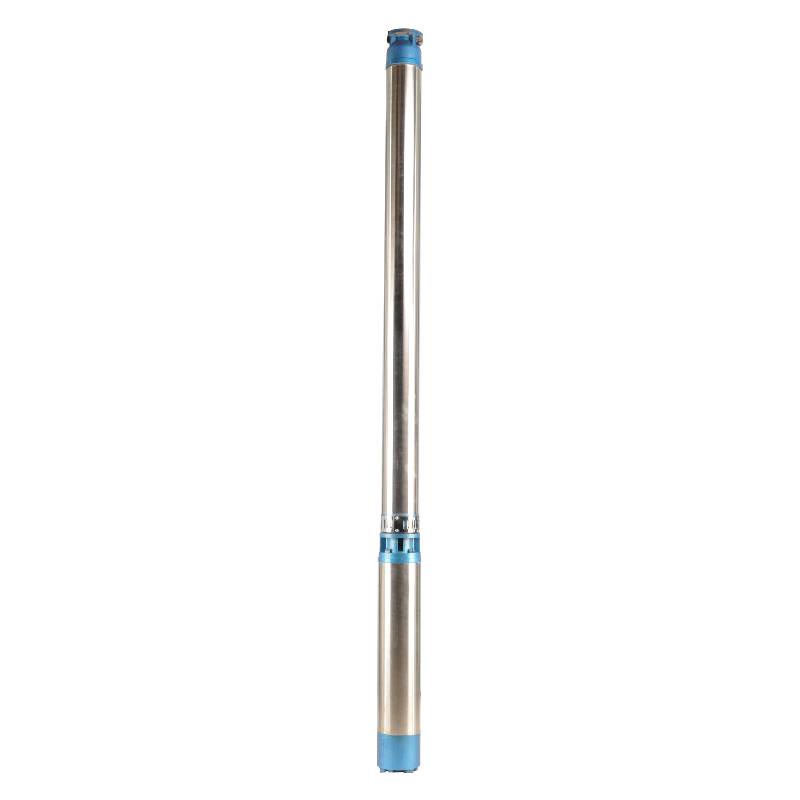
3. Remove the Electrical Connections Carefully disconnect the electrical cable from the power supply. Depending on your setup, this may involve unscrewing terminal screws or unplugging a connector. Be sure to remember how everything is connected in case you need to reassemble it later.
4. Disconnect the Water Supply Line Use a pipe wrench to remove the fittings that connect the drop pipe to the water supply line. Be prepared for some residual water to spill out, so have your bucket handy.
5. Detach the Drop Pipe With the water supply disconnected, you can now focus on the drop pipe. If your pump has been in the well for a long time, there may be debris or mineral buildup at the connection. Gently wriggle the drop pipe to loosen it, if necessary.
6. Attach a Hoisting Mechanism Use a robust rope or chain to create a lifting mechanism. Be sure to secure it to the pump safely. This allows you to lift the pump out of the well without straining.
7. Begin Lifting the Pump Have at least one assistant to help you with the lifting process. Slowly and carefully pull the pump up while ensuring the drop pipe and electrical cable are still free and not snagged on anything.
8. Clear the Area Once the pump is out, carefully set it on a dry and clean surface. Inspect it for any damage or signs of wear that might need addressing.
Maintenance and Inspection
After removing the pump, take this opportunity to inspect its components thoroughly. Check for any signs of wear, tear, or blockage. If you're considering replacing the pump, compare new options with the old one to ensure you're upgrading to a more efficient model.
Reinstallation or Replacement
If you plan to reinstall the same pump, reverse the steps outlined above. If you’re installing a new pump, make sure to follow the manufacturer's guidelines closely to avoid future issues.
Conclusion
Removing a submersible well pump is a manageable task if approached with the right knowledge and tools. By following this comprehensive guide, homeowners and technicians alike can ensure a smooth and safe removal process. Always remember, if you feel uneasy or unsure about any part of the procedure, consulting a professional is wise. Proper maintenance and timely inspections will extend the life of your pump and ensure efficient operation for years to come.
-
Submersible Water Pump: The Efficient 'Power Pioneer' of the Underwater World
NewsJul.01,2025
-
Submersible Pond Pump: The Hidden Guardian of Water Landscape Ecology
NewsJul.01,2025
-
Stainless Well Pump: A Reliable and Durable Pumping Main Force
NewsJul.01,2025
-
Stainless Steel Submersible Pump: An Efficient and Versatile Tool for Underwater Operations
NewsJul.01,2025
-
Deep Well Submersible Pump: An Efficient 'Sucker' of Groundwater Sources
NewsJul.01,2025
-
Deep Water Well Pump: An Efficient 'Sucker' of Groundwater Sources
NewsJul.01,2025
-
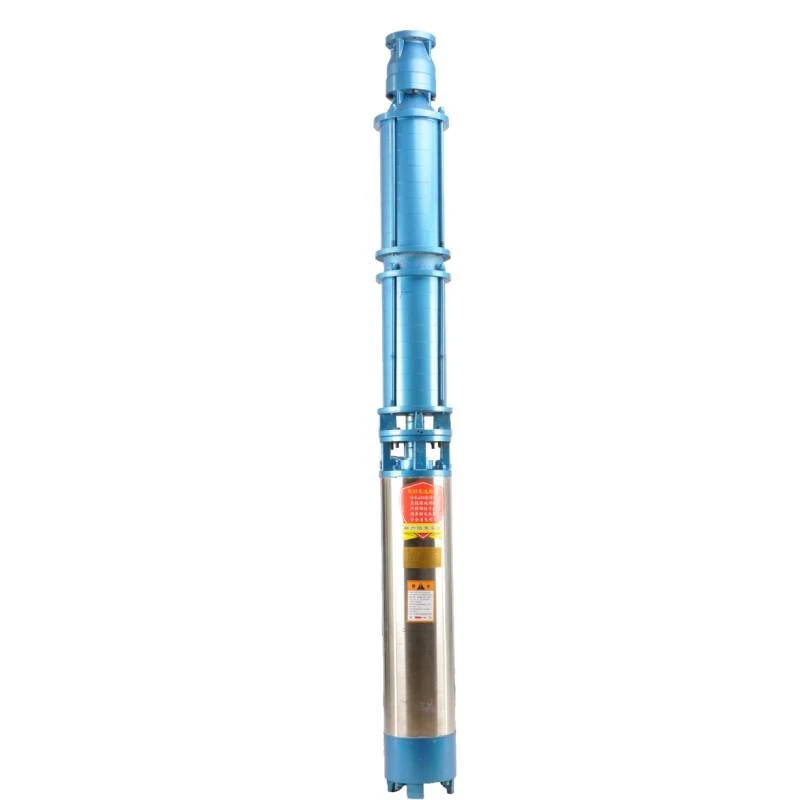 Submersible Water Pump: The Efficient 'Power Pioneer' of the Underwater WorldIn the field of hydraulic equipment, the Submersible Water Pump has become the core equipment for underwater operations and water resource transportation due to its unique design and excellent performance.Detail
 -
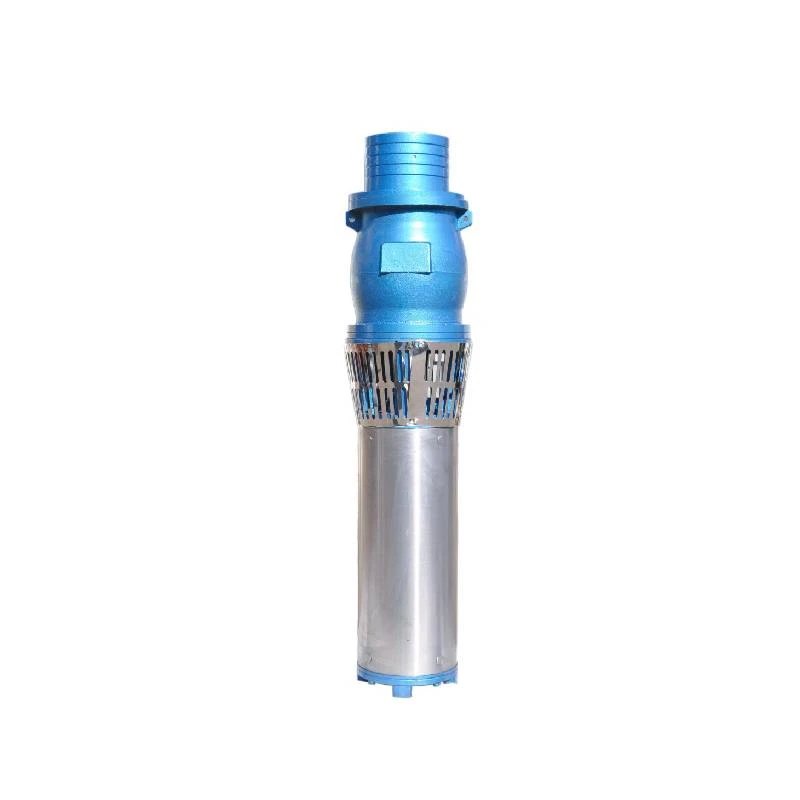 Submersible Pond Pump: The Hidden Guardian of Water Landscape EcologyIn courtyard landscapes, ecological ponds, and even small-scale water conservancy projects, there is a silent yet indispensable equipment - the Submersible Pond Pump.Detail
 -
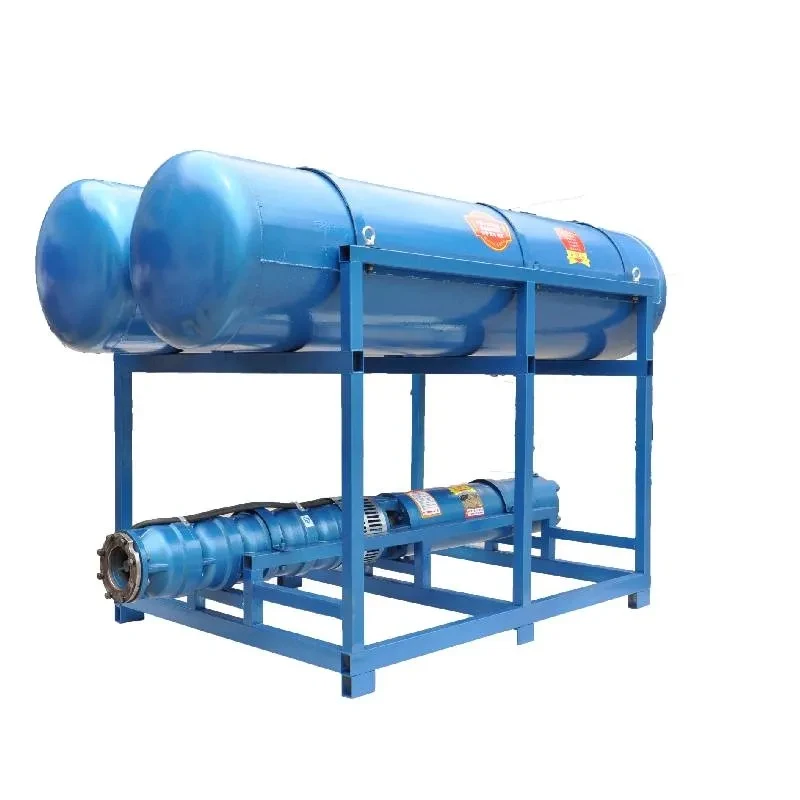 Stainless Well Pump: A Reliable and Durable Pumping Main ForceIn the field of water resource transportation, Stainless Well Pump has become the core equipment for various pumping scenarios with its excellent performance and reliable quality.Detail
 English
  Afrikaans
  Albanian
  Amharic
  Arabic
  Armenian
  Azerbaijani
  Basque
  Belarusian
  Bengali
  Bosnian
  Bulgarian
  Catalan
  Cebuano
  Corsican
  Croatian
  Czech
Czech  Danish
  Dutch
Dutch  Esperanto
  Estonian
  Finnish
  French
  Frisian
  Galician
  Georgian
  German
  Greek
Greek  Gujarati
  Haitian Creole
  Hausa
Hausa  Hawaiian
  Hebrew
  Hindi
Hindi  Miao
Miao  Hungarian
  Icelandic
  Igbo
Igbo  Indonesian
  Irish
Irish  Italian
  Japanese
  Javanese
  Kannada
  Kazakh
  Khmer
Khmer  Rwandese
  Korean
  Kurdish
  Kyrgyz
  Lao
Lao  Latin
Latin  Latvian
  Lithuanian
  Luxembourgish
  Macedonian
  Malgashi
  Malay
Malay  Malayalam
  Maltese
  Maori
Maori  Marathi
  Mongolian
  Myanmar
  Nepali
  Norwegian
  Norwegian
  Occitan
  Pashto
  Persian
  Polish
  Portuguese
  Punjabi
  Romanian
  Russian
  Samoan
  Scottish Gaelic
  Serbian
  Sesotho
  Shona
Shona  Sindhi
  Sinhala
  Slovak
  Slovenian
  Somali
  Spanish
  Sundanese
  Swahili
  Swedish
  Tagalog
  Tajik
Tajik  Tamil
Tamil  Tatar
Tatar  Telugu
  Thai
Thai  Turkish
  Turkmen
  Ukrainian
  Urdu
Urdu  Uighur
  Uzbek
Uzbek  Vietnamese
  Welsh
Welsh  Bantu
Bantu  Yiddish
  Yoruba
  Zulu
Zulu