
Nov . 28, 2025 10:10 Back to list
Submerged Water Pump – Efficient Solutions for Water Management Worldwide
Understanding the Submerged Water Pump: Why It Matters Worldwide
At first blush, a submerged water pump might sound like just another piece of machinery — but if you pause to consider it, this humble device touches so many aspects of life and industry globally. From providing clean water in remote villages to ensuring smooth operations in mining or agriculture, submerged water pumps quietly but effectively support billions of people every day.
Why should you care? Well, gaining a clear understanding of these pumps, their technology, and applications not only gives insight into essential water management but also highlights innovations that can help address global water scarcity, disaster relief, and sustainable industry practices.
Global Context: The Big Picture on Submerged Water Pumps
Globally, nearly 2 billion people lack access to safely managed drinking water, according to the World Health Organization. Devices like the submerged water pump are critical in bridging that gap. These pumps, designed to operate underwater, help extract groundwater, move wastewater, or circulate water in municipal and industrial systems.
Industries worldwide depend on submerged water pumps to meet rising water demands as urbanization grows. For example, in agriculture, widespread irrigation depends heavily on these pumps to draw water from wells and reservoirs. Their importance also spikes in emergency scenarios—like flood control or post-disaster humanitarian efforts—where rapid water extraction or supply might mean the difference between life and death.
What Exactly is a Submerged Water Pump?
Simply put, a submerged water pump is an electric or hydraulic pump that functions fully underwater—most commonly positioned at the bottom of a water source like a well, pond, or reservoir. Unlike surface pumps, these are built to resist water ingress and often handle high pressures.
The connection to modern industry is pretty direct: they help manage and move water efficiently without the noise, splash, or limit on suction height that surface pumps face. On the humanitarian front, these pumps form the backbone of remote water supply systems in villages where running electricity or infrastructure is scarce.
Key Components and Features You Should Know
1. Durability
These pumps often face harsh conditions—abrasive sediments, corrosive elements, and fluctuating water chemistry. Using materials like stainless steel and advanced composites increases lifespan while minimizing maintenance.
2. Energy Efficiency
Since submerged pumps run continuously in many setups, optimizing energy use is crucial. Modern designs focus on low-watt motors and advanced impellers to boost hydraulic efficiency.
3. Scalability
One size doesn’t fit all. Pump sizes vary from small units for household wells to massive industrial models pumping thousands of liters per minute.
4. Sealing & Insulation
Robust sealing systems protect motor windings and bearings from water, which is arguably the most critical factor to ensure reliability.
5. Adaptability to Different Liquids
Some pumps specialize in clean water, others handle slurries or wastewater with solids. This adaptability widens their use cases.
Mini takeaway: Knowing these core aspects helps guide the right pump choice for a given application—otherwise, you end up with a costly, premature failure.
Real-World Applications Across Industries and Regions
Across continents, the submerged water pump quietly powers everything from village water wells in sub-Saharan Africa to coal mine drainage systems in Asia. For instance:
- Agriculture: In the vast irrigated farms of India’s Punjab region, these pumps ensure crops receive steady water levels even during dry spells.
- Disaster Relief: After floods in Southeast Asia, NGOs deploy portable submerged pumps to quickly remove stagnant water and restore access to potable sources.
- Municipal Water Supply: Cities in South America rely on submerged pumps to draw groundwater in urban aquifers, supporting millions.
- Industrial Use: Oil refineries and chemical plants use specialized submerged pumps for cooling water circulation and waste management.
It’s fascinating to see how a single engineering innovation can ripple through diverse settings—from the dusty well plot in rural Kenya to cutting-edge industrial complexes in Germany.
Advantages of Using Submerged Water Pumps
The benefits go beyond just getting water out:
- Cost-Effective: Lower energy use and minimal surface infrastructure reduce operational costs over time.
- Reliable: With fewer moving parts exposed to the environment, operational failures decrease.
- Environmentally Friendly: Many models now support green energy sources like solar, reducing carbon footprint.
- Social Impact: Reliable water access means improved health, dignity, and empowerment in communities.
- Quiet Operation: Submerged pumps make less noise, better for residential and wildlife areas.
Product Specification Table: A Typical Submerged Water Pump Model
| Specification | Details |
|---|---|
| Model | SWP-3500X |
| Power Supply | 3 Phase, 230V / 50Hz |
| Flow Rate | 3500 L/min |
| Max Head | 45 meters |
| Motor Type | Submersible Induction Motor |
| Materials | Stainless Steel 316, High-grade Polymers |
| Protection Rating | IP68 (Fully Submersible) |
| Warranty | 3 Years |
Vendor Comparison: Leading Submerged Water Pump Suppliers
| Supplier | Product Range | Warranty | Energy Efficiency | Global Presence |
|---|---|---|---|---|
| AquaFlow Co. | Small to industrial scale | 2 years | High (IE3 certified) | 70+ countries |
| DeepWell Pumps Ltd. | Medium to large-scale | 3 years | Medium | 45 countries |
| EcoPump Technologies | Eco-friendly, solar-powered units | 5 years | Very High | 30 countries |
The Road Ahead: Trends and Innovations in Submerged Water Pumps
Looking forward, the submerged water pump industry is buzzing with innovation. Solar-powered pumps are becoming popular, especially in off-grid regions, pairing environmental benefits with water access. Digitalization means remote monitoring and IoT integration, which helps operators catch faults early and optimize energy use.
Material science advances promise more corrosion resistance and lighter-weight components, making installation easier and extending operating life. Some companies are even exploring biodegradable pump parts to reduce environmental impact after disposal.
Common Challenges — And How Experts Solve Them
Still, problems persist. Maintenance can be tricky since pumps are underwater and difficult to access. Sediment build-up, overheating, and sealing failures often cause downtime.
To counter this, many specialists advocate for more predictive maintenance using sensors and drones for inspection. Better training for local operators in rural areas also reduces sluggish response to early warning signs. And modular designs mean parts can be swapped instead of replacing an entire unit — a practical, cost-saving approach.
FAQs on Submerged Water Pumps
- Q: How deep can a submerged water pump operate?
A: Most pumps can function safely up to depths of 50 meters or more, but exact limits depend on model specifications, especially pressure ratings and cable lengths. - Q: Can submerged water pumps handle water with sand or solids?
A: Yes, certain models are designed as slurry or dredge pumps specifically to handle abrasive particles without damage. - Q: Are solar-powered submerged water pumps reliable for rural areas?
A: Absolutely, especially with battery backups or hybrid systems. They're excellent for off-grid communities where power is unreliable. - Q: What maintenance does a submerged water pump typically require?
A: Routine checks include seal inspection, bearing lubrication, electrical testing, and cleaning out debris from intakes to avoid blockages. - Q: How can I select the right pump for my application?
A: Consider flow rate, head height, liquid type, and power source. Consulting manufacturers or experts ensures you match the pump to operational needs.
Wrapping Up: Why Investing in the Right Submerged Water Pump Matters
In real terms, selecting the correct submerged water pump affects not just operational efficiency and safety, but broad environmental and social outcomes. When engineered and chosen wisely, these pumps safeguard water access, slash energy consumption, and uplift communities worldwide.
Curious to explore what a quality submerged water pump can do for your project or operation? Visit https://www.wellpumpact.com to dive deeper and find tailored solutions.
Key Takeaways
- Submerged water pumps play a vital role globally—from agriculture to emergency relief.
- Focus on durability, energy efficiency, and proper maintenance ensures long life and reliability.
- Emerging solar and digital systems promise sustainability and smart operations.
- Choosing the right pump requires understanding your specific water and operational conditions.
References
-
Understanding the Price Submersible Pump and Buyer Guide
NewsApr.16,2026
-
Factors Affecting the Price for Submersible Pump a Buyers Guide
NewsApr.09,2026
-
Choosing the Right Mini Submersible Fountain Pump for Optimal Water Feature Performance
NewsApr.07,2026
-
A Detailed Guide to Installing a Submersible Pump for Optimal Performance
NewsApr.04,2026
-
Comprehensive Guide on How to Test a Submersible Water Well Pump Effectively
NewsMar.31,2026
-
Learn How to Replace a Submersible Well Pump Safely and Effectively
NewsMar.28,2026
-
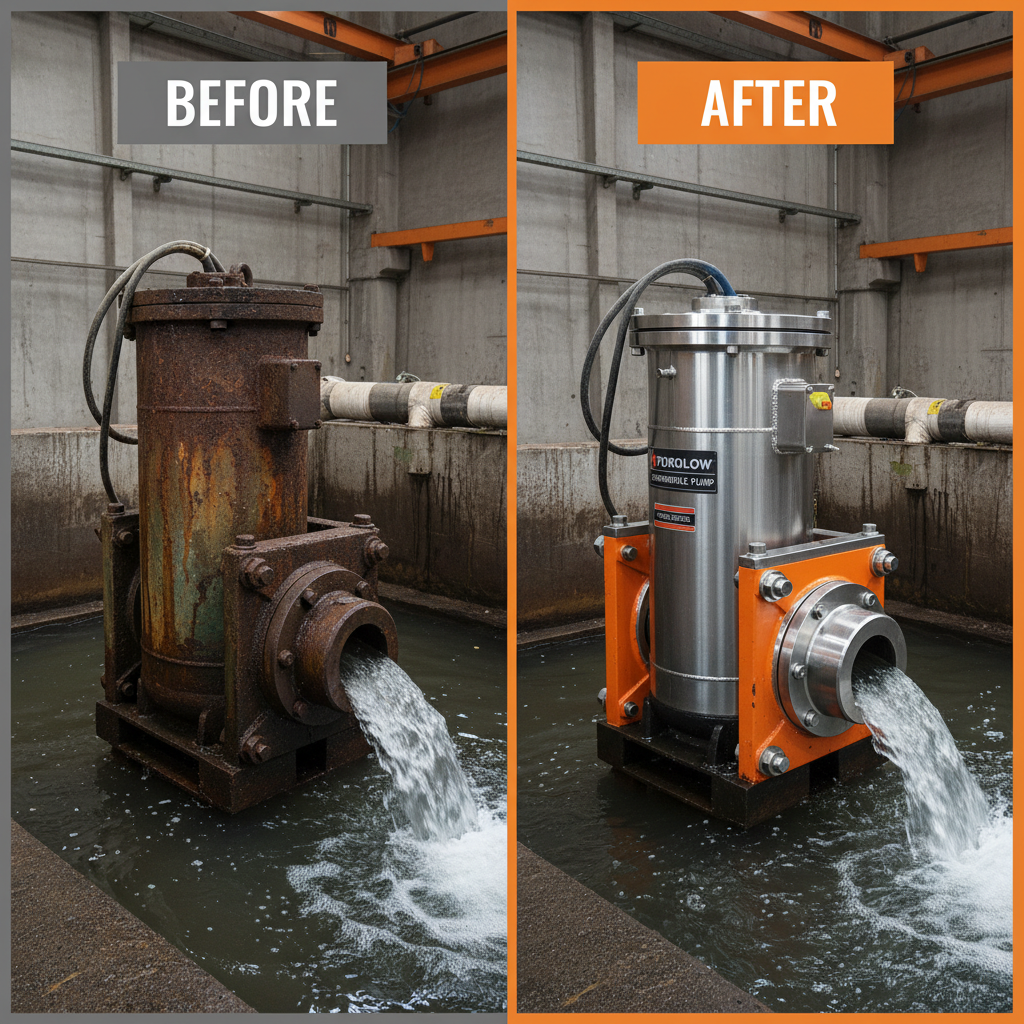 Understanding the Price Submersible Pump and Buyer GuideWhen searching for the ideal water management solution, understanding the price submersible pump options is crucial for balancing budget with performance. Whether you are dealing with a flooded basement, managing agricultural irrigation, or extracting water from a deep well, the cost of a submersible pump can vary significantly based on its build quality and capacity. Investing in a high-quality pump ensures long-term reliability and reduces the frequency of expensive replacements. In this guide, we will break down the factors that influence pricing and help you make an informed decision for your specific needs.Detail
 -
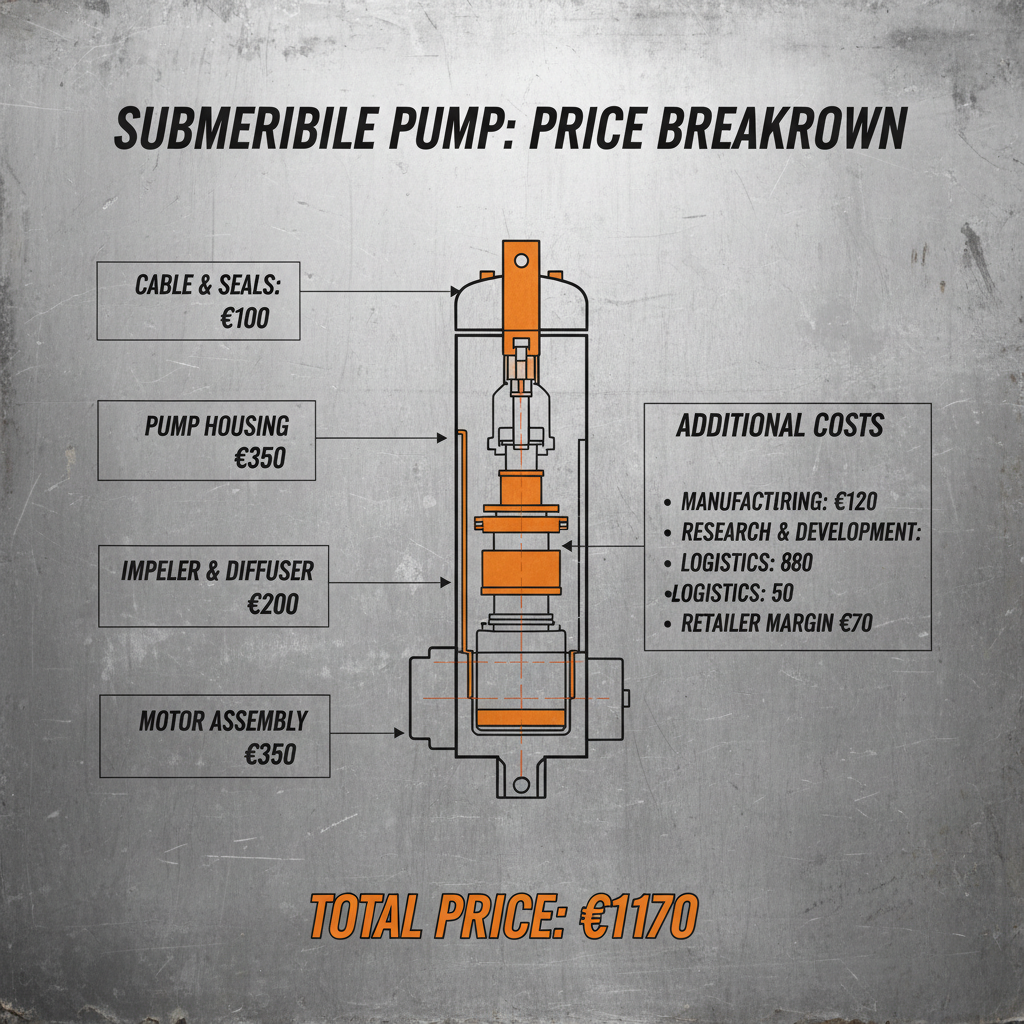 Factors Affecting the Price for Submersible Pump a Buyers GuideWhen investing in water management systems, understanding the price for submersible pump options is essential for balancing performance with budget. Whether you are managing a residential well, an industrial drainage project, or agricultural irrigation, the cost of a pump is rarely a flat fee; it is a reflection of the engineering, materials, and capacity required for your specific environment. In this guide, we will break down the factors that influence pricing and help you determine the best value for your investment to ensure long-term reliability and efficiency.Detail
 -
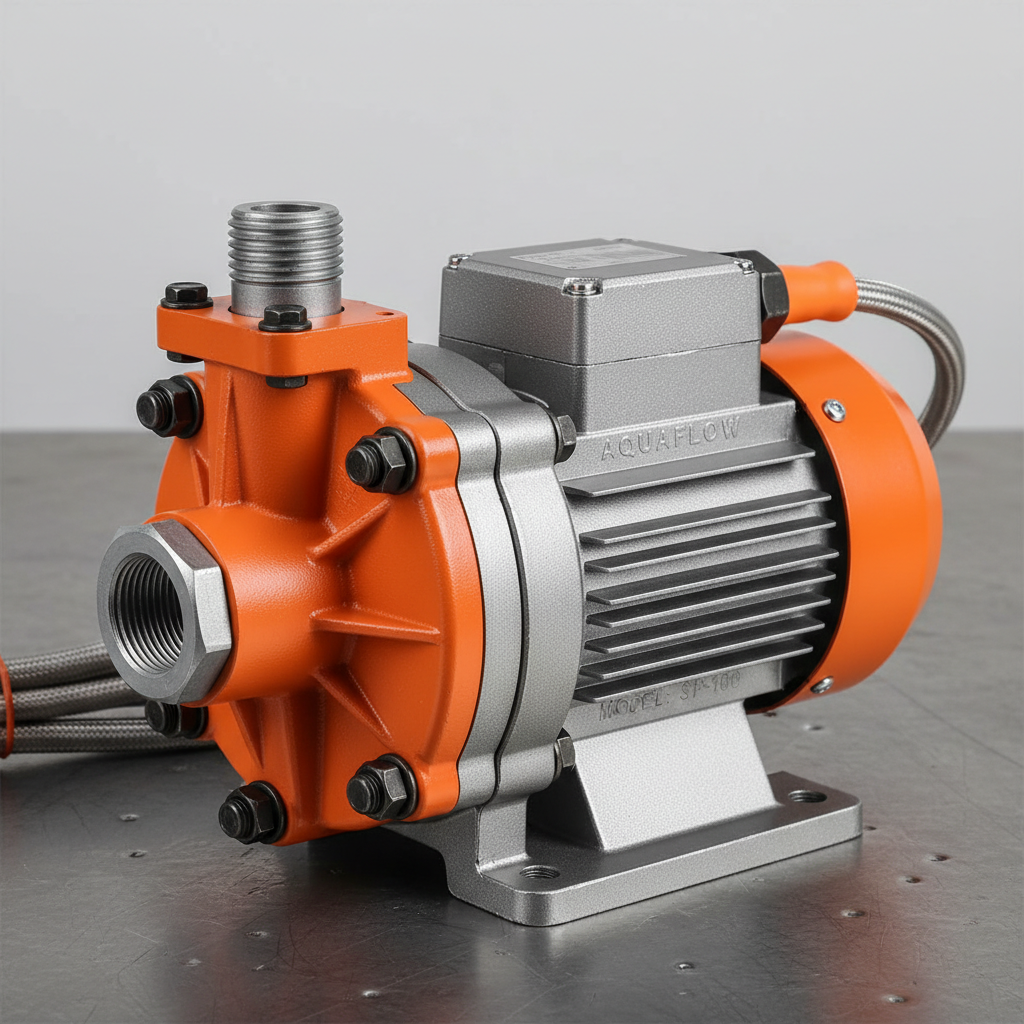 Choosing the Right Mini Submersible Fountain Pump for Optimal Water Feature PerformanceCreating a beautiful and relaxing water feature doesn't have to be complicated. A mini submersible fountain pump is the heart of any indoor or outdoor fountain, and selecting the right one is crucial for optimal performance and longevity. This article will guide you through the key considerations when choosing a mini submersible fountain pump, covering types, features, applications, and how to ensure you get the perfect pump for your project. We’ll also explore how Wellpumpact can provide you with the ideal solution.Detail
 Afrikaans
 Albanian
 Amharic
 Arabic
 Armenian
 Azerbaijani
 Basque
 Belarusian
 Bengali
 Bosnian
 Bulgarian
 Catalan
 Cebuano
 Corsican
 Croatian
 Czech
Czech
 Danish
 Dutch
Dutch
 Esperanto
 Estonian
 Finnish
 French
 Frisian
 Galician
 Georgian
 German
 Greek
Greek
 Gujarati
 Haitian Creole
 Hausa
Hausa
 Hawaiian
 Hebrew
 Hindi
Hindi
 Miao
Miao
 Hungarian
 Icelandic
 Igbo
Igbo
 Indonesian
 Irish
Irish
 Italian
 Japanese
 Javanese
 Kannada
 Kazakh
 Khmer
Khmer
 Rwandese
 Korean
 Kurdish
 Kyrgyz
 Lao
Lao
 Latin
Latin
 Latvian
 Lithuanian
 Luxembourgish
 Macedonian
 Malgashi
 Malay
Malay
 Malayalam
 Maltese
 Maori
Maori
 Marathi
 Mongolian
 Myanmar
 Nepali
 Norwegian
 Norwegian
 Occitan
 Pashto
 Persian
 Polish
 Portuguese
 Punjabi
 Romanian
 Russian
 Samoan
 Scottish Gaelic
 Serbian
 Sesotho
 Shona
Shona
 Sindhi
 Sinhala
 Slovak
 Slovenian
 Somali
 Spanish
 Sundanese
 Swahili
 Swedish
 Tagalog
 Tajik
Tajik
 Tamil
Tamil
 Tatar
Tatar
 Telugu
 Thai
Thai
 Turkish
 Turkmen
 Ukrainian
 Urdu
Urdu
 Uighur
 Uzbek
Uzbek
 Vietnamese
 Welsh
Welsh
 Bantu
Bantu
 Yiddish
 Yoruba
 Zulu
Zulu
 English