
Dec . 06, 2024 23:52 Back to list
Submersible Aquarium Pump with Integrated Filtration System for Enhanced Water Quality
Enhancing Your Aquarium Experience with Submersible Aquarium Pumps and Filters
Aquarium enthusiasts know that maintaining a healthy environment for aquatic life is crucial to the success of their hobby. Among the essential equipment that every aquarium owner should consider are submersible aquarium pumps with filters. These devices not only contribute to the aesthetic appeal of your underwater world but also play a significant role in the ecosystem of your aquarium. In this article, we explore the benefits and functionalities of submersible aquarium pumps and filters, and how they can enhance your aquarium experience.
Understanding Submersible Aquarium Pumps
Submersible pumps are designed to be completely submerged in water, making them an ideal choice for various aquarium setups. Unlike external pumps, which can take up space outside the tank and require plumbing systems, submersible pumps offer a compact solution. They are easy to install and operate quietly, making them perfect for home aquariums, especially in peaceful settings like bedrooms or living rooms.
These pumps come in various sizes and capacities, allowing you to choose one that suits your specific aquarium needs. From small tanks housing bettas to larger aquariums as home for cichlids or marine life, there’s a pump available to meet your requirements. The output flow rate is an essential feature to consider; ideally, the pump should circulate the entire volume of your aquarium at least three to five times per hour to ensure proper filtration and oxygenation of the water.
Role of Filters in Aquarium Maintenance
Integrating a filtration system is crucial in maintaining a healthy aquarium environment. With the help of a filter, harmful toxins like ammonia and nitrite are broken down into less toxic substances, providing a safe habitat for your fish and plants. Submersible pumps often come with built-in filtration systems, which combine the functions of water circulation and filtration in a single unit.
The types of filtration systems in these pumps usually include mechanical, biological, and chemical filtration. Mechanical filtration helps remove debris and particulates from the water, while biological filtration uses beneficial bacteria to break down harmful waste products. Chemical filtration can further enhance water quality through activated carbon or other media to remove impurities, odors, and discoloration. The combination of these filtration methods ensures that your aquarium remains clean and the water quality is optimal.
Benefits of Submersible Pumps with Filters
1. Efficient Water Circulation Submersible pumps facilitate even water distribution, preventing dead spots where debris and waste can accumulate. This circulation enhances the overall health of the aquarium.
submersible aquarium pump with filter
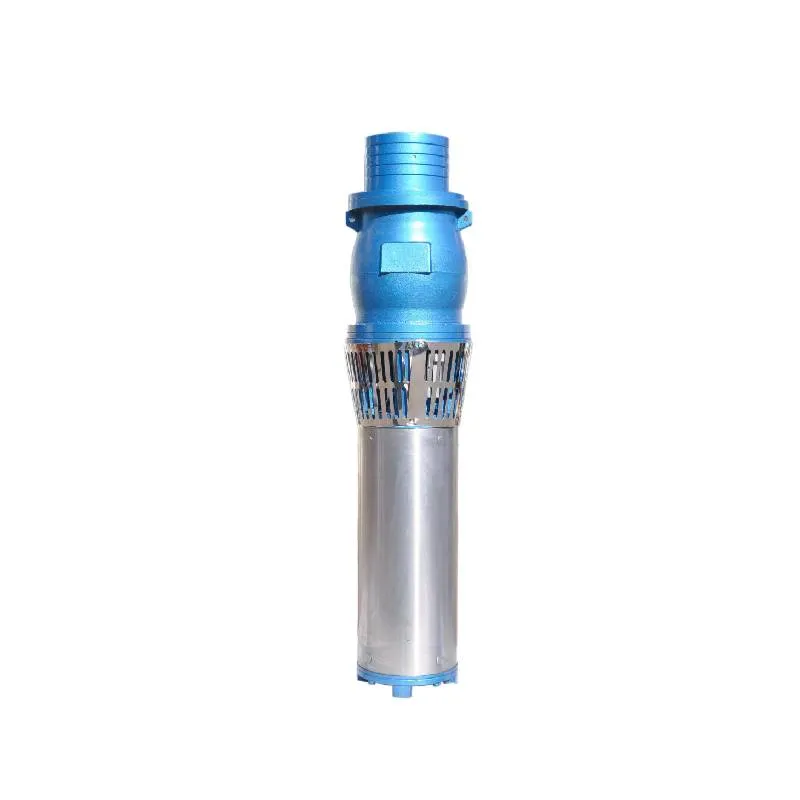
2. Space-Saving Design Being submerged in the water, these pumps and filters do not take up valuable space around your aquarium. This is particularly advantageous in smaller setups where space is limited.
3. Reduced Noise Level Since submersible pumps operate underwater, they produce less noise compared to external pumps, allowing for a tranquil environment.
4. Ease of Installation and Maintenance Setting up a submersible pump with a filter is generally straightforward. Most models are designed for hassle-free installation, and maintenance usually involves routine cleaning of the filter media and checking the pump’s performance.
5. Versatile Applications Apart from traditional freshwater and saltwater aquariums, submersible pumps with filters can be used in ponds, hydroponics systems, and water features, showcasing their versatility.
Choosing the Right Submersible Pump and Filter
When selecting a submersible aquarium pump with a filter, consider several factors
- Tank Size Ensure that the pump’s flow rate matches the requirements of your tank size. - Fish Type Different fish have varying needs regarding water movement, so consider the species you plan to keep. - Noise Level If you prefer a quiet setup, read reviews and specifications to find pumps that operate discreetly. - Energy Efficiency Look for energy-efficient models that provide strong performance without high electricity costs.
Conclusion
Submersible aquarium pumps with filters are invaluable tools for any aquarium owner looking to maintain a clean, well-oxygenated, and thriving aquatic environment. By facilitating efficient water circulation and active filtration, these devices help create the perfect setting for fish and plants to flourish. Whether you are a seasoned aquarist or a beginner, investing in a quality submersible pump with a filter can significantly enhance your aquarium experience, ensuring that it remains not only functional but beautifully serene.
-
Submersible Water Pump: The Efficient 'Power Pioneer' of the Underwater World
NewsJul.01,2025
-
Submersible Pond Pump: The Hidden Guardian of Water Landscape Ecology
NewsJul.01,2025
-
Stainless Well Pump: A Reliable and Durable Pumping Main Force
NewsJul.01,2025
-
Stainless Steel Submersible Pump: An Efficient and Versatile Tool for Underwater Operations
NewsJul.01,2025
-
Deep Well Submersible Pump: An Efficient 'Sucker' of Groundwater Sources
NewsJul.01,2025
-
Deep Water Well Pump: An Efficient 'Sucker' of Groundwater Sources
NewsJul.01,2025
-
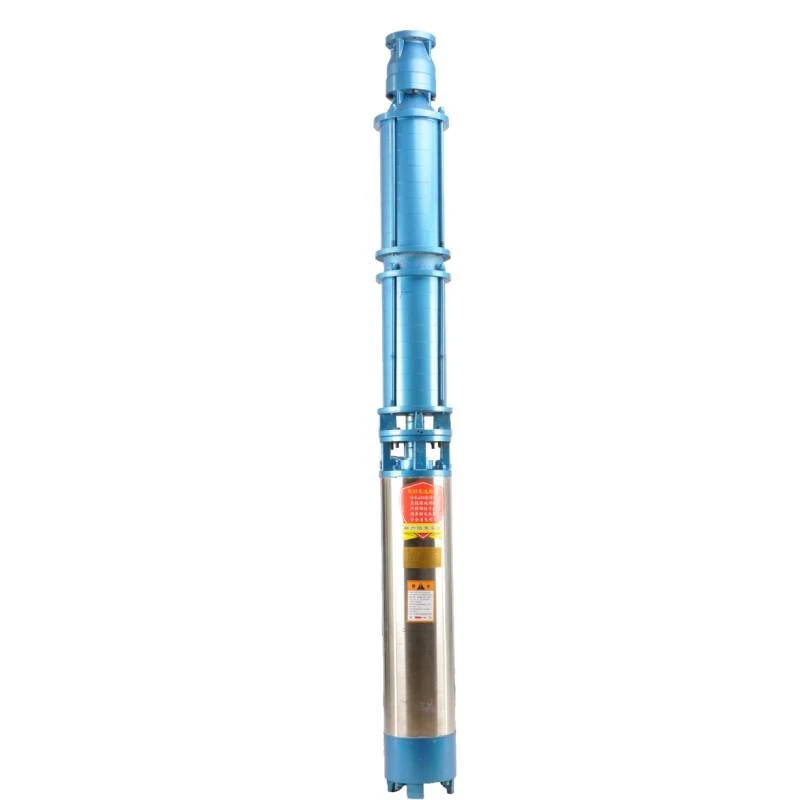 Submersible Water Pump: The Efficient 'Power Pioneer' of the Underwater WorldIn the field of hydraulic equipment, the Submersible Water Pump has become the core equipment for underwater operations and water resource transportation due to its unique design and excellent performance.Detail
 -
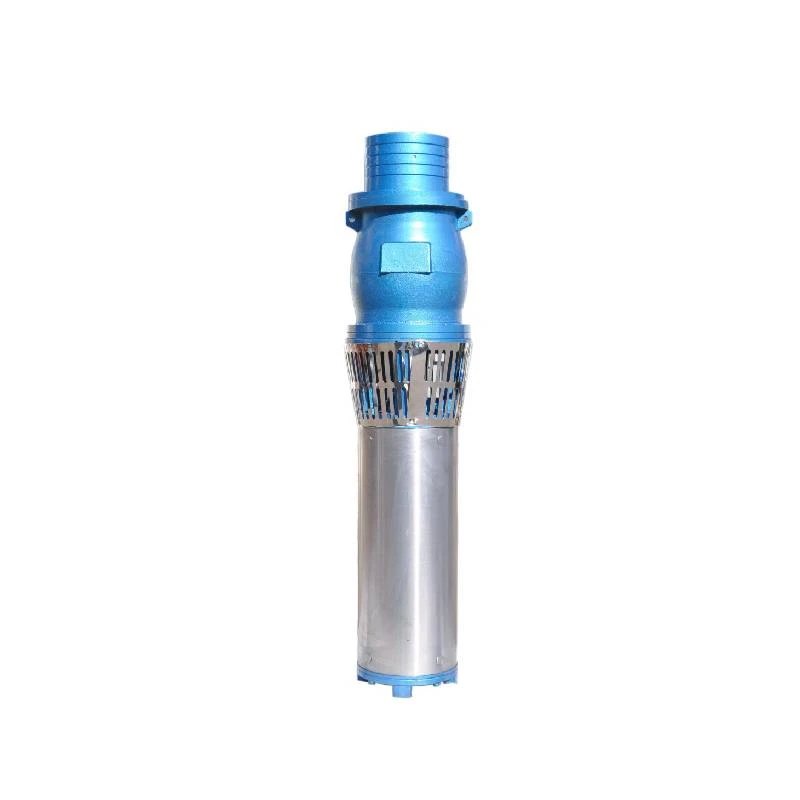 Submersible Pond Pump: The Hidden Guardian of Water Landscape EcologyIn courtyard landscapes, ecological ponds, and even small-scale water conservancy projects, there is a silent yet indispensable equipment - the Submersible Pond Pump.Detail
 -
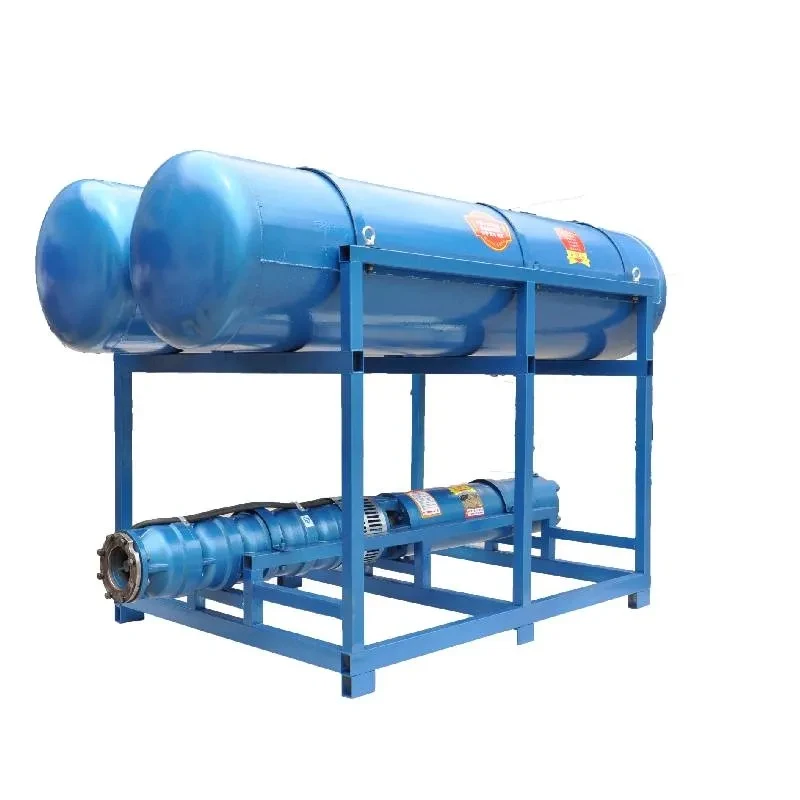 Stainless Well Pump: A Reliable and Durable Pumping Main ForceIn the field of water resource transportation, Stainless Well Pump has become the core equipment for various pumping scenarios with its excellent performance and reliable quality.Detail
 English
  Afrikaans
  Albanian
  Amharic
  Arabic
  Armenian
  Azerbaijani
  Basque
  Belarusian
  Bengali
  Bosnian
  Bulgarian
  Catalan
  Cebuano
  Corsican
  Croatian
  Czech
Czech  Danish
  Dutch
Dutch  Esperanto
  Estonian
  Finnish
  French
  Frisian
  Galician
  Georgian
  German
  Greek
Greek  Gujarati
  Haitian Creole
  Hausa
Hausa  Hawaiian
  Hebrew
  Hindi
Hindi  Miao
Miao  Hungarian
  Icelandic
  Igbo
Igbo  Indonesian
  Irish
Irish  Italian
  Japanese
  Javanese
  Kannada
  Kazakh
  Khmer
Khmer  Rwandese
  Korean
  Kurdish
  Kyrgyz
  Lao
Lao  Latin
Latin  Latvian
  Lithuanian
  Luxembourgish
  Macedonian
  Malgashi
  Malay
Malay  Malayalam
  Maltese
  Maori
Maori  Marathi
  Mongolian
  Myanmar
  Nepali
  Norwegian
  Norwegian
  Occitan
  Pashto
  Persian
  Polish
  Portuguese
  Punjabi
  Romanian
  Russian
  Samoan
  Scottish Gaelic
  Serbian
  Sesotho
  Shona
Shona  Sindhi
  Sinhala
  Slovak
  Slovenian
  Somali
  Spanish
  Sundanese
  Swahili
  Swedish
  Tagalog
  Tajik
Tajik  Tamil
Tamil  Tatar
Tatar  Telugu
  Thai
Thai  Turkish
  Turkmen
  Ukrainian
  Urdu
Urdu  Uighur
  Uzbek
Uzbek  Vietnamese
  Welsh
Welsh  Bantu
Bantu  Yiddish
  Yoruba
  Zulu
Zulu