
Dec . 07, 2024 16:12 Back to list
submersible bore pumps
Submersible Bore Pumps An Overview
In the realm of modern water management and distribution, submersible bore pumps play a pivotal role. These specialized pumps are designed to be submerged in water, making them ideal for various applications, such as groundwater extraction, irrigation, and drainage. This article explores the principles of operation, advantages, applications, and maintenance of submersible bore pumps.
Principles of Operation
Submersible bore pumps are uniquely designed to function underwater. Unlike traditional pumps, which require suction to draw water to the surface, submersible pumps operate fully submerged, pushing water to the surface. The design typically includes a motor and a pump unit that are housed within a single casing. This casing is watertight and ensures the pump operates efficiently without risk of damage from water ingress.
The components include an electric motor, which is sealed to prevent water from interfering with its operation. The motor drives an impeller, which then moves water through a diffuser and out of the discharge port. The depth from which the water is extracted can vary significantly; these pumps can operate from depths of a few meters to several hundred meters, depending on the specific model and configuration.
Advantages of Submersible Bore Pumps
Submersible bore pumps offer several distinct advantages
1. Efficiency Being submerged reduces the amount of energy needed to lift water, making these pumps more energy-efficient than their surface counterparts. 2. Space Saving With a compact design, submersible pumps require less surface space, making them ideal for urban settings or other areas with limited installation space.
3. Operation Noise These pumps operate quietly since the motor is submerged, which is advantageous for residential areas or places where noise reduction is a priority.
4. Reduced Risk of Cavitation The design of submersible bore pumps minimizes the risk of cavitation, a phenomenon that can lead to damage and inefficiency in conventional pumps.
5. Versatility They can be used for a wide range of applications, from agricultural irrigation to municipal water supply systems, industrial settings, and even for residential water extraction.
Applications
submersible bore pumps
Submersible bore pumps are utilized in diverse sectors. In agriculture, they are used for irrigation systems, helping farmers efficiently manage water resources. In municipal water systems, they play a crucial role in supplying clean drinking water to communities. These pumps are also commonly used in industrial processes involving dewatering or fluid transfer.
In addition, submersible bore pumps have found applications in environmental monitoring, where they assist in the extraction of groundwater samples for testing
. Their ability to operate at considerable depths makes them essential in areas where groundwater tables are located far below the surface.Maintenance
To ensure the longevity and efficiency of submersible bore pumps, regular maintenance is crucial. Some key maintenance practices include
1. Regular Inspections Routine checks for wear and tear on seals, impellers, and motors can prevent major failures.
2. Cleaning Ensuring the pump intake is free from debris and sediment buildup is vital to maintain optimal performance.
3. Lubrication Proper lubrication of moving parts minimizes friction and wear, extending the life of the pump.
4. Electrical Checks Regular inspection of electrical connections and components can prevent electrical failures that may arise from moisture ingress.
5. Vibration Monitoring Analyzing vibrations can help detect imbalances or misalignments that might cause damage over time.
Conclusion
Submersible bore pumps have become an integral component of water management across various sectors, thanks to their efficiency, versatility, and compact design. Understanding their operation, advantages, and maintenance requirements is essential for anyone involved in water resource management, whether at the level of individual users or large municipal systems. As demand for efficient water extraction continues to rise, so too will the importance of submersible bore pumps in ensuring sustainable water use.
-
Submersible Water Pump: The Efficient 'Power Pioneer' of the Underwater World
NewsJul.01,2025
-
Submersible Pond Pump: The Hidden Guardian of Water Landscape Ecology
NewsJul.01,2025
-
Stainless Well Pump: A Reliable and Durable Pumping Main Force
NewsJul.01,2025
-
Stainless Steel Submersible Pump: An Efficient and Versatile Tool for Underwater Operations
NewsJul.01,2025
-
Deep Well Submersible Pump: An Efficient 'Sucker' of Groundwater Sources
NewsJul.01,2025
-
Deep Water Well Pump: An Efficient 'Sucker' of Groundwater Sources
NewsJul.01,2025
-
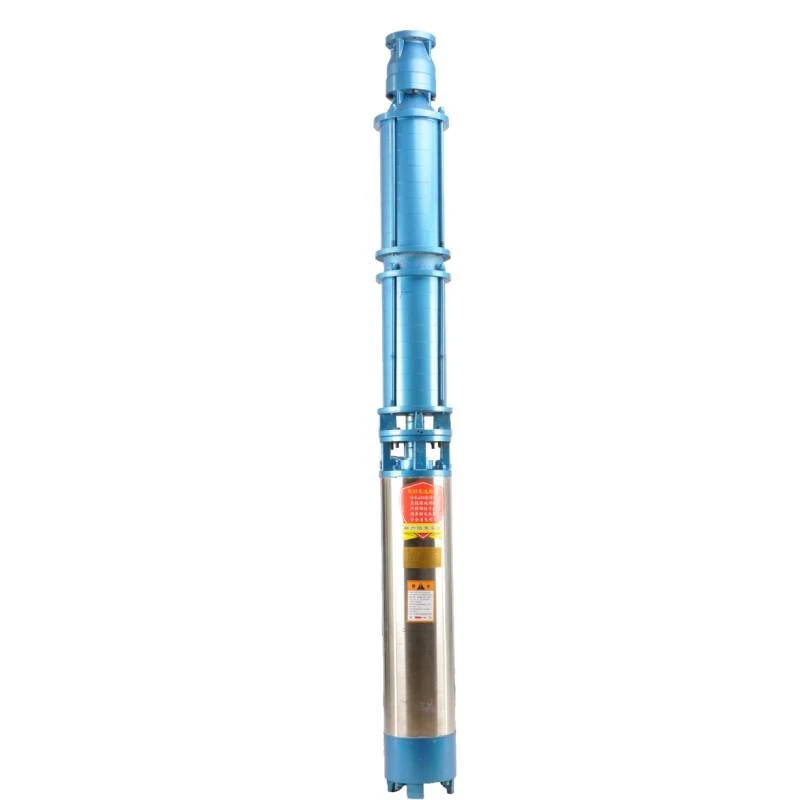 Submersible Water Pump: The Efficient 'Power Pioneer' of the Underwater WorldIn the field of hydraulic equipment, the Submersible Water Pump has become the core equipment for underwater operations and water resource transportation due to its unique design and excellent performance.Detail
 -
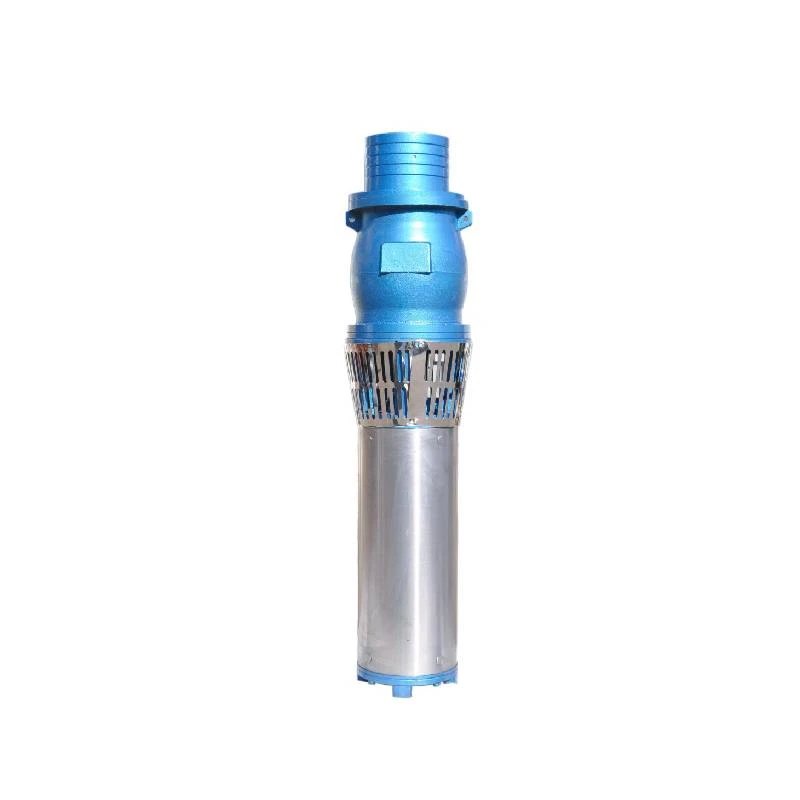 Submersible Pond Pump: The Hidden Guardian of Water Landscape EcologyIn courtyard landscapes, ecological ponds, and even small-scale water conservancy projects, there is a silent yet indispensable equipment - the Submersible Pond Pump.Detail
 -
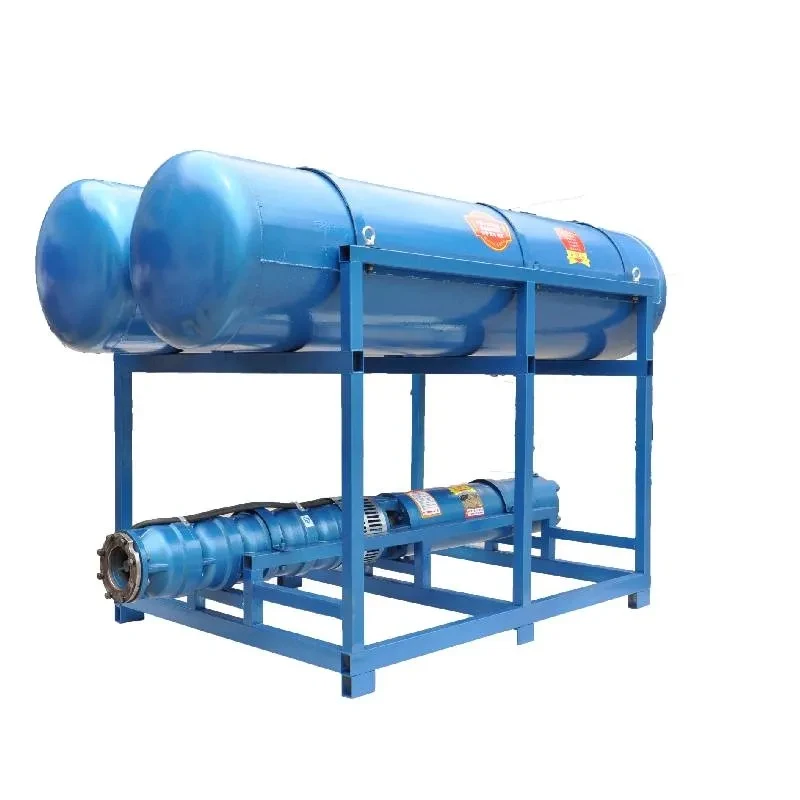 Stainless Well Pump: A Reliable and Durable Pumping Main ForceIn the field of water resource transportation, Stainless Well Pump has become the core equipment for various pumping scenarios with its excellent performance and reliable quality.Detail
 English
  Afrikaans
  Albanian
  Amharic
  Arabic
  Armenian
  Azerbaijani
  Basque
  Belarusian
  Bengali
  Bosnian
  Bulgarian
  Catalan
  Cebuano
  Corsican
  Croatian
  Czech
Czech  Danish
  Dutch
Dutch  Esperanto
  Estonian
  Finnish
  French
  Frisian
  Galician
  Georgian
  German
  Greek
Greek  Gujarati
  Haitian Creole
  Hausa
Hausa  Hawaiian
  Hebrew
  Hindi
Hindi  Miao
Miao  Hungarian
  Icelandic
  Igbo
Igbo  Indonesian
  Irish
Irish  Italian
  Japanese
  Javanese
  Kannada
  Kazakh
  Khmer
Khmer  Rwandese
  Korean
  Kurdish
  Kyrgyz
  Lao
Lao  Latin
Latin  Latvian
  Lithuanian
  Luxembourgish
  Macedonian
  Malgashi
  Malay
Malay  Malayalam
  Maltese
  Maori
Maori  Marathi
  Mongolian
  Myanmar
  Nepali
  Norwegian
  Norwegian
  Occitan
  Pashto
  Persian
  Polish
  Portuguese
  Punjabi
  Romanian
  Russian
  Samoan
  Scottish Gaelic
  Serbian
  Sesotho
  Shona
Shona  Sindhi
  Sinhala
  Slovak
  Slovenian
  Somali
  Spanish
  Sundanese
  Swahili
  Swedish
  Tagalog
  Tajik
Tajik  Tamil
Tamil  Tatar
Tatar  Telugu
  Thai
Thai  Turkish
  Turkmen
  Ukrainian
  Urdu
Urdu  Uighur
  Uzbek
Uzbek  Vietnamese
  Welsh
Welsh  Bantu
Bantu  Yiddish
  Yoruba
  Zulu
Zulu