
Dec . 11, 2024 10:32 Back to list
Exploring the Benefits of Submersible DC Pumps for Efficient Water Management
Understanding Submersible DC Pumps Features and Applications
In the modern world, the demand for efficient and versatile pumping systems continues to grow, especially in sectors like agriculture, mining, and construction. Among the various types of pumps available, submersible direct current (DC) pumps have emerged as a favored solution due to their numerous advantages and wide-ranging applications. This article provides an overview of submersible DC pumps, highlighting their features, benefits, and areas of application.
What is a Submersible DC Pump?
A submersible DC pump is a type of pump that is specifically designed to operate while submerged in fluid. Unlike traditional pumps, which are often located above the fluid level, submersible pumps are placed directly into the liquid, allowing for efficient operation with minimal suction issues. They are powered by direct current, which means they can run on batteries, solar panels, or other DC power sources, making them suitable for remote locations without easy access to AC power.
Key Features
1. Compact Design Submersible DC pumps feature a compact and streamlined design that allows them to fit into tight spaces. Their small size is particularly advantageous in applications where space is limited.
2. High Efficiency These pumps are known for their high efficiency in transferring fluids, which leads to reduced energy consumption and lower operational costs. The direct current motors often found in these pumps can be tailored for maximum performance.
3. Self-Priming Nature Being submerged in water or other liquids, submersible DC pumps naturally mitigate the need for priming, as they do not require a separate mechanism to draw fluid into the pump. This feature enhances their reliability during operation.
4. Versatility Submersible DC pumps are available in various sizes and configurations, making them suitable for a wide range of applications, from small garden fountains to large wastewater treatment systems.
5. Durability Made from high-quality materials resistant to corrosion, submersible DC pumps can withstand harsh environmental conditions, including saline or chlorine-laden water.
Advantages of Submersible DC Pumps
The use of submersible DC pumps presents several advantages
- Energy Efficiency As they can operate on low voltage systems, submersible DC pumps offer significant energy savings compared to conventional pumps. This makes them ideal for sustainable practices, especially in regions where electricity costs are high.
submersible dc pump
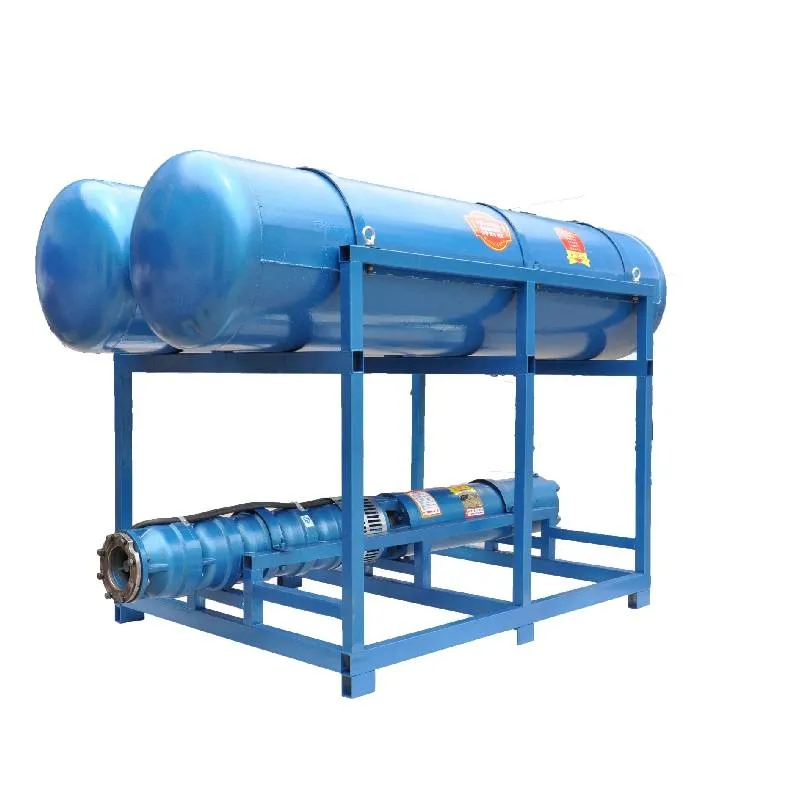
- Environmentally Friendly These pumps can be powered by renewable sources, such as solar energy, contributing to reduced carbon footprints and promoting eco-friendly practices in various industries.
- Lower Maintenance Because submersible pumps minimize the risk of air entering the system, they often require less maintenance and have longer operational lifespans, thereby saving costs for their users.
- Quiet Operation The submerged design of these pumps helps to dampen sound, making them quieter than many above-ground pumping alternatives. This is especially beneficial in residential areas or sensitive environments where noise pollution is a concern.
Applications
Submersible DC pumps are employed in numerous applications
1. Agriculture They are commonly used for irrigation purposes, allowing farmers to efficiently pump water from rivers, lakes, or groundwater to their fields. Their compatibility with solar power also makes them ideal for remote farming operations.
2. Water Supply In urban settings, submersible DC pumps can be used in borewell applications, providing a reliable water supply for both residential and commercial uses.
3. Wastewater Management These pumps play a crucial role in sewage and wastewater treatment facilities, effectively moving waste away from residential areas to treatment plants.
4. Dewatering In construction sites, submersible pumps are essential for dewatering efforts, keeping work areas dry and safe for workers.
5. Aquaculture In fish farming, submersible DC pumps are used to maintain water quality by circulating and aerating water in tanks and ponds.
Conclusion
In conclusion, submersible DC pumps represent a powerful solution for various pumping needs across multiple industries. Their compact design, energy efficiency, and versatility make them an excellent choice for applications ranging from agriculture to wastewater management. As technology advances, the capabilities of these pumps will likely expand further, continuing to provide efficient and environmentally friendly solutions for fluid management. Whether powered by solar energy or batteries, submersible DC pumps are paving the way for more efficient and sustainable practices in fluid transportation.
-
Submersible Water Pump: The Efficient 'Power Pioneer' of the Underwater World
NewsJul.01,2025
-
Submersible Pond Pump: The Hidden Guardian of Water Landscape Ecology
NewsJul.01,2025
-
Stainless Well Pump: A Reliable and Durable Pumping Main Force
NewsJul.01,2025
-
Stainless Steel Submersible Pump: An Efficient and Versatile Tool for Underwater Operations
NewsJul.01,2025
-
Deep Well Submersible Pump: An Efficient 'Sucker' of Groundwater Sources
NewsJul.01,2025
-
Deep Water Well Pump: An Efficient 'Sucker' of Groundwater Sources
NewsJul.01,2025
-
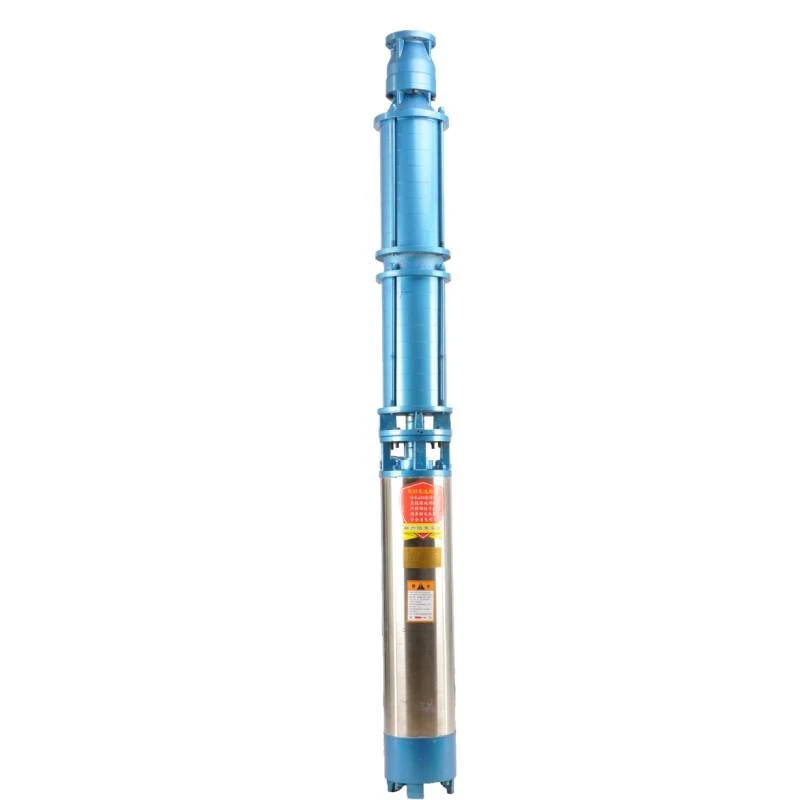 Submersible Water Pump: The Efficient 'Power Pioneer' of the Underwater WorldIn the field of hydraulic equipment, the Submersible Water Pump has become the core equipment for underwater operations and water resource transportation due to its unique design and excellent performance.Detail
 -
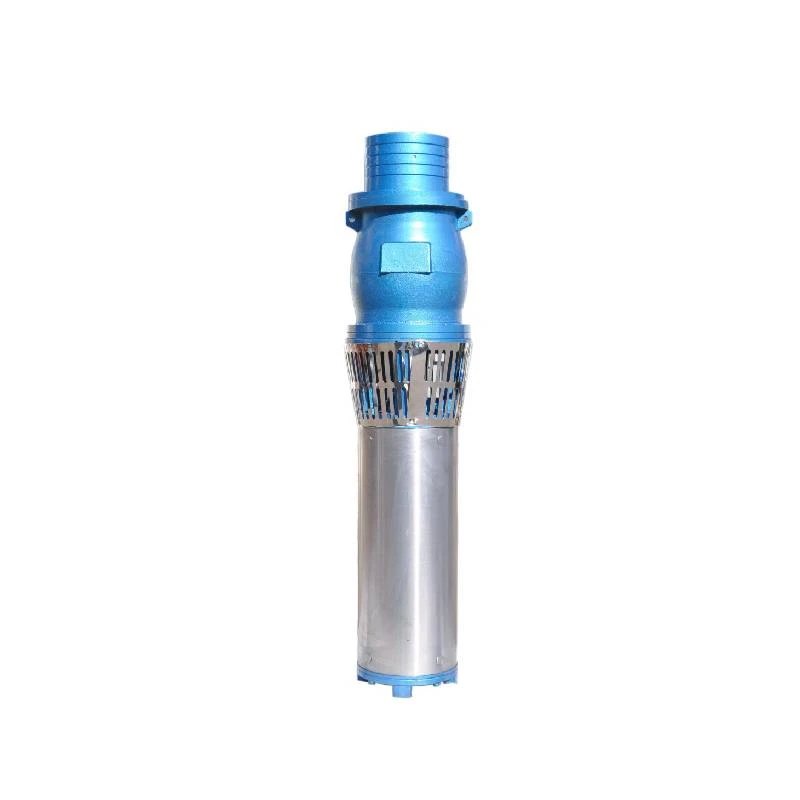 Submersible Pond Pump: The Hidden Guardian of Water Landscape EcologyIn courtyard landscapes, ecological ponds, and even small-scale water conservancy projects, there is a silent yet indispensable equipment - the Submersible Pond Pump.Detail
 -
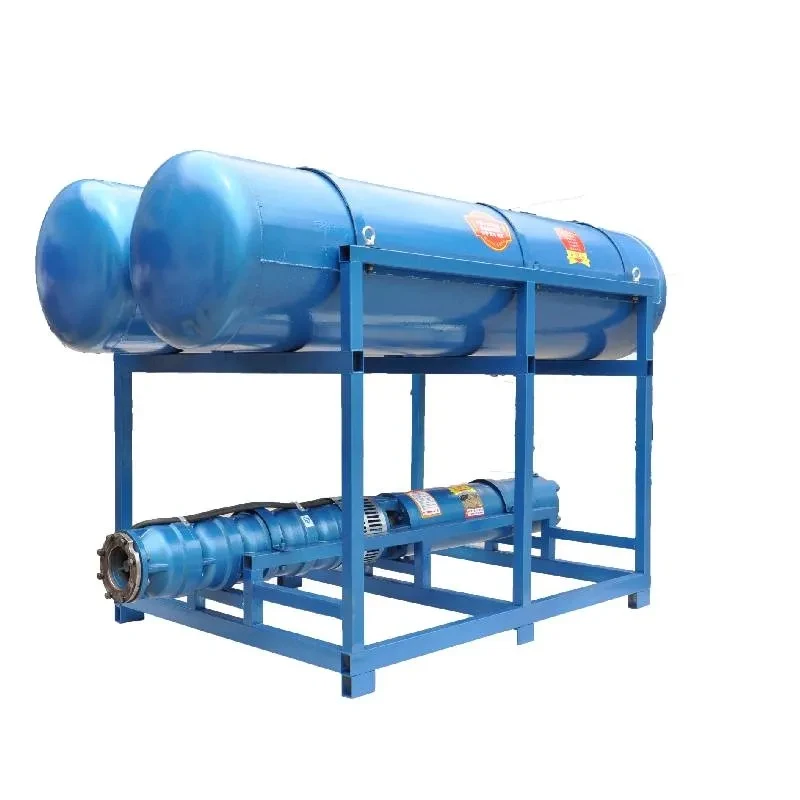 Stainless Well Pump: A Reliable and Durable Pumping Main ForceIn the field of water resource transportation, Stainless Well Pump has become the core equipment for various pumping scenarios with its excellent performance and reliable quality.Detail
 English
  Afrikaans
  Albanian
  Amharic
  Arabic
  Armenian
  Azerbaijani
  Basque
  Belarusian
  Bengali
  Bosnian
  Bulgarian
  Catalan
  Cebuano
  Corsican
  Croatian
  Czech
Czech  Danish
  Dutch
Dutch  Esperanto
  Estonian
  Finnish
  French
  Frisian
  Galician
  Georgian
  German
  Greek
Greek  Gujarati
  Haitian Creole
  Hausa
Hausa  Hawaiian
  Hebrew
  Hindi
Hindi  Miao
Miao  Hungarian
  Icelandic
  Igbo
Igbo  Indonesian
  Irish
Irish  Italian
  Japanese
  Javanese
  Kannada
  Kazakh
  Khmer
Khmer  Rwandese
  Korean
  Kurdish
  Kyrgyz
  Lao
Lao  Latin
Latin  Latvian
  Lithuanian
  Luxembourgish
  Macedonian
  Malgashi
  Malay
Malay  Malayalam
  Maltese
  Maori
Maori  Marathi
  Mongolian
  Myanmar
  Nepali
  Norwegian
  Norwegian
  Occitan
  Pashto
  Persian
  Polish
  Portuguese
  Punjabi
  Romanian
  Russian
  Samoan
  Scottish Gaelic
  Serbian
  Sesotho
  Shona
Shona  Sindhi
  Sinhala
  Slovak
  Slovenian
  Somali
  Spanish
  Sundanese
  Swahili
  Swedish
  Tagalog
  Tajik
Tajik  Tamil
Tamil  Tatar
Tatar  Telugu
  Thai
Thai  Turkish
  Turkmen
  Ukrainian
  Urdu
Urdu  Uighur
  Uzbek
Uzbek  Vietnamese
  Welsh
Welsh  Bantu
Bantu  Yiddish
  Yoruba
  Zulu
Zulu