
Dec . 10, 2024 19:12 Back to list
Exploring Innovations in Submersible Electric Motors for Underwater Applications and Efficiency
Submersible Electric Motors An Overview
Submersible electric motors are a crucial component in various applications where pumping water or other fluids is necessary. Unlike standard motors that operate outside of the fluid they are moving, submersible motors are designed to function while completely submerged. This unique design allows them to perform effectively in environments such as deep wells, wastewater treatment facilities, aquaculture systems, and even in specific industrial processes.
Design and Operation
A submersible motor typically consists of a hermetically sealed casing that protects its internal components from the surrounding fluid. The design ensures that water or other fluids cannot damage the motor, which is vital for operation in harsh conditions. The motor is usually coupled with a pump, and together they are lowered into the fluid. When powered, the electric motor drives the pump, creating pressure that pushes fluid upwards to the surface.
Submersible electric motors are usually powered by three-phase electricity, although single-phase motors are also available for applications with less power demand. The three-phase motors are more common in industrial applications due to their efficiency and higher power output. Additionally, many submersible motors are designed to operate at varying depths, which necessitates robust engineering to withstand the pressure changes and potential corrosive elements that might be present in the fluid.
Applications
These motors are versatile and can be found in numerous applications. One of the most common uses is in groundwater extraction, where submersible pumps are deployed to draw water from deep wells for agricultural irrigation, municipal water supply, or even residential use. Their efficiency and reliability make them ideal for these tasks, especially in regions where water must be pumped from significant depths.
In wastewater management, submersible motors are crucial for the effective operation of sewage and effluent handling systems. By placing the motor and pump in the wastewater without the need for a separate dry well, facilities can minimize space requirements and reduce the risk of leaks or failures that can occur with other systems.
submersible electric motor

Aquaculture also benefits from submersible motors. They help circulate water in fish farming operations, ensuring that aquatic life is properly aerated and that water quality remains optimal. The efficient operation of these motors is vital to maintaining healthy fish stocks and supporting sustainable practices in the aquaculture industry.
Benefits
One of the main advantages of submersible electric motors is their energy efficiency. When compared to surface-mounted pump systems, submersible motors tend to use less electricity to pump the same volume of fluid. This efficiency can lead to significant cost savings over time, especially in industrial applications where water movement is required continuously.
Moreover, their compact size allows for easier installation in confined spaces. This is particularly beneficial in environments where space is limited or where traditional pumps cannot be easily accommodated. Additionally, because they are submerged in the fluid they are pumping, noise levels are generally lower, contributing to a more pleasant working environment.
Challenges and Maintenance
Despite their advantages, submersible electric motors do come with challenges. They can be prone to failures due to overloading, improper installation, or inadequate cooling if the motor is not correctly sized for the application. Regular maintenance is essential to ensure longevity and reliable operation. This includes monitoring for signs of wear, ensuring proper electrical connections, and verifying that the pump and motor operate efficiently.
Conclusion
In conclusion, submersible electric motors are indispensable tools in various sectors, offering reliable and energy-efficient solutions for fluid movement. Their unique design allows them to thrive in demanding environments, making them a popular choice for applications ranging from water supply to wastewater treatment and aquaculture. As technology continues to advance, submersible motors are expected to become even more efficient, further enhancing their role in meeting the increasing global demand for water and fluid management solutions.
-
Water Pumps: Solutions for Every Need
NewsJul.30,2025
-
Submersible Well Pumps: Reliable Water Solutions
NewsJul.30,2025
-
Stainless Steel Water Pumps: Quality and Durability
NewsJul.30,2025
-
Powerful Water Pumps: Your Solution for Efficient Water Management
NewsJul.30,2025
-
Oil vs Water Filled Submersible Pumps: Which is Better?
NewsJul.30,2025
-
Deep Well Pumps: Power and Reliability
NewsJul.30,2025
-
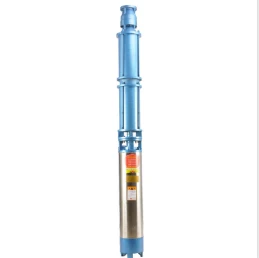 Water Pumps: Solutions for Every NeedWhen it comes to handling dirty water, the dirty water pump is a must-have.Detail
 -
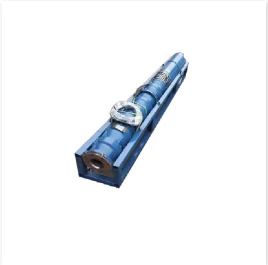 Submersible Well Pumps: Reliable Water SolutionsWhen it comes to ensuring a reliable water supply, submersible well pumps are a top choice.Detail
 -
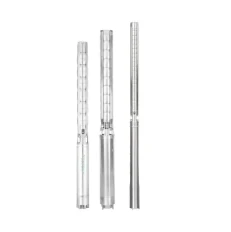 Stainless Steel Water Pumps: Quality and DurabilityWhen it comes to choosing a water pump, the stainless steel water pump price is a crucial factor.Detail