
Dec . 11, 2024 10:41 Back to list
Advancements in Submersible Oil Pump Technology for Efficient Energy Extraction and Management
Submersible Oil Pumps An Essential Component in Modern Oil Extraction
In the world of petroleum extraction, submersible oil pumps play a crucial role in ensuring efficiency and productivity. These innovative devices are designed to operate submerged in fluids, typically at considerable depths, making them indispensable in various oil production scenarios. This article explores the features, applications, and advantages of submersible oil pumps, highlighting their importance in the oil and gas industry.
Understanding Submersible Oil Pumps
Submersible oil pumps are specialized devices designed to pump liquids from subterranean reservoirs to the surface. Unlike traditional oil pumps that operate at or above ground level, submersible pumps are installed below the surface of the fluid they are pumping. This unique design allows them to handle high pressures and draw significant amounts of fluid from depths that would be otherwise challenging to manage with surface pumps.
Typically, these pumps consist of a multi-stage centrifugal pump and an electric motor, both encased in a single unit. The motor drives the impellers of the pump, creating a vacuum that draws the fluid into the pump and pushes it to the surface. The compact design and robust construction of submersible oil pumps make them suitable for various operating conditions, including challenging environments found in offshore oil rigs and deep-water drilling operations.
Applications of Submersible Oil Pumps
Submersible oil pumps are used in multiple areas within the oil and gas industry
. Some of the most common applications include1. Offshore Oil Extraction In offshore drilling environments, submersible pumps are often employed for their ability to operate effectively under high pressure and in corrosive environments. They are used to bring oil from deep ocean reservoirs to surface vessels or pipelines.
2. Well Pumping In onshore fields, submersible pumps are frequently utilized to extract oil from wells that have a low reservoir pressure. Their design allows them to efficiently lift oil from significant depths, making them ideal for low-pressure wells.
3. Enhanced Oil Recovery Submersible pumps are also essential in enhanced oil recovery (EOR) processes, where they help extract additional oil from reservoirs that are nearing depletion. By employing methods such as water flooding or gas injection, submersible pumps enable operators to maximize oil recovery.
submersible oil pumps

4. Reservoir Pressure Maintenance Maintaining reservoir pressure is critical for efficient oil extraction. Submersible oil pumps can be used to inject fluids back into the reservoir, helping to sustain pressure and facilitate further oil production.
Advantages of Submersible Oil Pumps
Submersible oil pumps offer several benefits that contribute to their widespread use in the oil and gas industry
- Efficiency Submersible pumps can achieve higher flow rates and better overall efficiency compared to traditional pumps due to their design and operation submerged in the fluid.
- Durability Constructed from corrosion-resistant materials, submersible pumps are designed to withstand harsh environments, ensuring longevity and reducing maintenance costs.
- Space-Saving Design The compact nature of submersible pumps allows for easier installation in confined spaces, making them an excellent choice for both offshore and onshore applications.
- Reduced Noise Pollution As these pumps operate underwater, they significantly reduce the noise associated with pumping operations, making them more environmentally friendly.
Conclusion
Submersible oil pumps are a vital component in modern oil extraction techniques. Their ability to efficiently and effectively lift oil from deep wells and offshore environments has made them indispensable in maximizing production and enhancing recovery processes. As the oil and gas industry continues to evolve, the importance of submersible pumps will only grow, driving innovations that enhance their performance and sustainability. The future of oil extraction depends, in part, on these remarkable engineering solutions that help maintain the delicate balance between energy production and environmental stewardship.
-
Submersible Water Pump: The Efficient 'Power Pioneer' of the Underwater World
NewsJul.01,2025
-
Submersible Pond Pump: The Hidden Guardian of Water Landscape Ecology
NewsJul.01,2025
-
Stainless Well Pump: A Reliable and Durable Pumping Main Force
NewsJul.01,2025
-
Stainless Steel Submersible Pump: An Efficient and Versatile Tool for Underwater Operations
NewsJul.01,2025
-
Deep Well Submersible Pump: An Efficient 'Sucker' of Groundwater Sources
NewsJul.01,2025
-
Deep Water Well Pump: An Efficient 'Sucker' of Groundwater Sources
NewsJul.01,2025
-
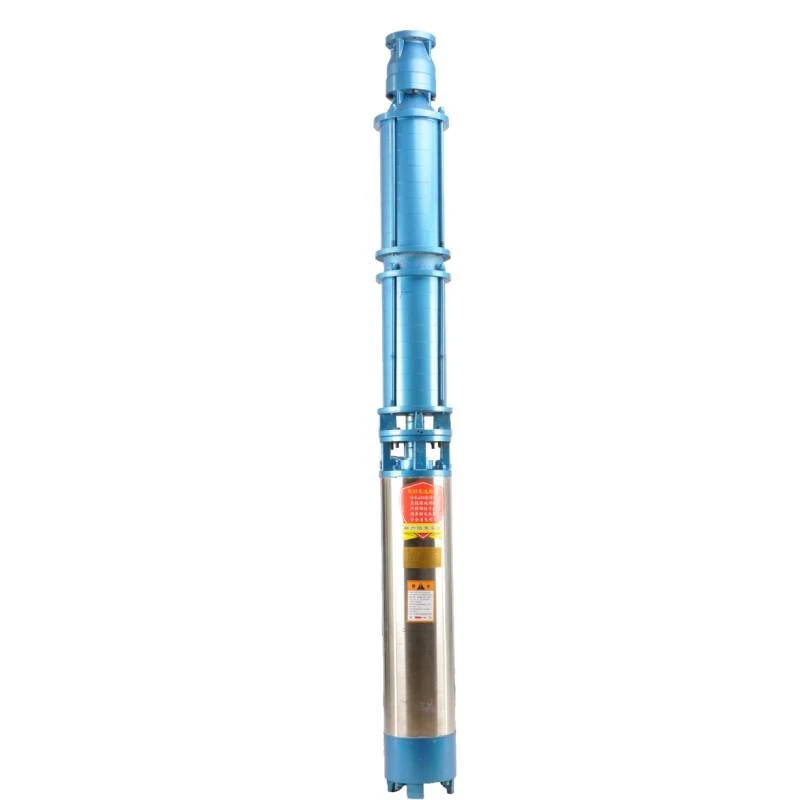 Submersible Water Pump: The Efficient 'Power Pioneer' of the Underwater WorldIn the field of hydraulic equipment, the Submersible Water Pump has become the core equipment for underwater operations and water resource transportation due to its unique design and excellent performance.Detail
 -
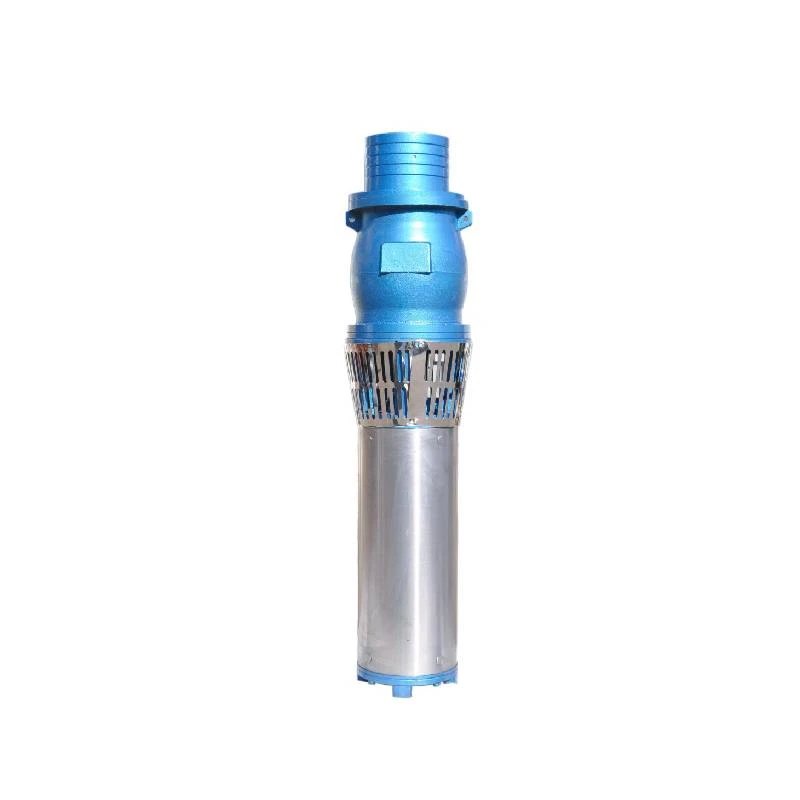 Submersible Pond Pump: The Hidden Guardian of Water Landscape EcologyIn courtyard landscapes, ecological ponds, and even small-scale water conservancy projects, there is a silent yet indispensable equipment - the Submersible Pond Pump.Detail
 -
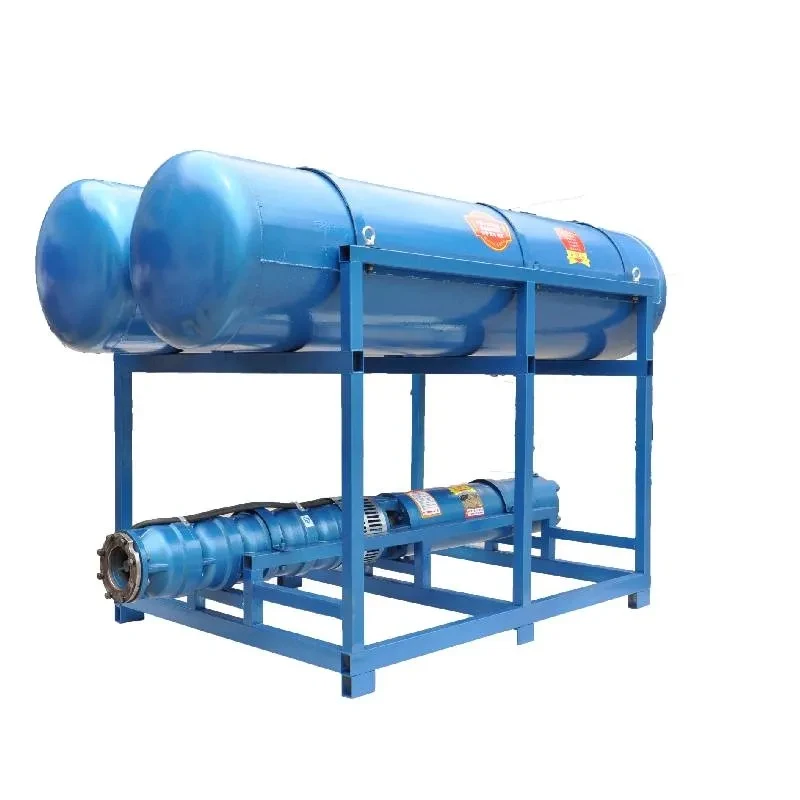 Stainless Well Pump: A Reliable and Durable Pumping Main ForceIn the field of water resource transportation, Stainless Well Pump has become the core equipment for various pumping scenarios with its excellent performance and reliable quality.Detail
 English
  Afrikaans
  Albanian
  Amharic
  Arabic
  Armenian
  Azerbaijani
  Basque
  Belarusian
  Bengali
  Bosnian
  Bulgarian
  Catalan
  Cebuano
  Corsican
  Croatian
  Czech
Czech  Danish
  Dutch
Dutch  Esperanto
  Estonian
  Finnish
  French
  Frisian
  Galician
  Georgian
  German
  Greek
Greek  Gujarati
  Haitian Creole
  Hausa
Hausa  Hawaiian
  Hebrew
  Hindi
Hindi  Miao
Miao  Hungarian
  Icelandic
  Igbo
Igbo  Indonesian
  Irish
Irish  Italian
  Japanese
  Javanese
  Kannada
  Kazakh
  Khmer
Khmer  Rwandese
  Korean
  Kurdish
  Kyrgyz
  Lao
Lao  Latin
Latin  Latvian
  Lithuanian
  Luxembourgish
  Macedonian
  Malgashi
  Malay
Malay  Malayalam
  Maltese
  Maori
Maori  Marathi
  Mongolian
  Myanmar
  Nepali
  Norwegian
  Norwegian
  Occitan
  Pashto
  Persian
  Polish
  Portuguese
  Punjabi
  Romanian
  Russian
  Samoan
  Scottish Gaelic
  Serbian
  Sesotho
  Shona
Shona  Sindhi
  Sinhala
  Slovak
  Slovenian
  Somali
  Spanish
  Sundanese
  Swahili
  Swedish
  Tagalog
  Tajik
Tajik  Tamil
Tamil  Tatar
Tatar  Telugu
  Thai
Thai  Turkish
  Turkmen
  Ukrainian
  Urdu
Urdu  Uighur
  Uzbek
Uzbek  Vietnamese
  Welsh
Welsh  Bantu
Bantu  Yiddish
  Yoruba
  Zulu
Zulu