
Dec . 11, 2024 23:19 Back to list
Selecting the Best Submersible Pumps for Your Home Fish Tank Setup
The Importance of Submersible Pumps in Fish Tanks
When it comes to maintaining a healthy aquatic environment, the functionality of a fish tank is paramount. One crucial component that plays a significant role in the ecology of an aquarium is the submersible pump. These devices can drastically improve the water quality, aeration, and overall health of both the fish and the aquatic plants within the tank.
What is a Submersible Pump?
A submersible pump is designed to be submerged in water. Unlike standard pumps that are located outside the tank and rely on suction to draw water, submersible pumps push water to the surface using a motor that operates underwater. This design makes them particularly efficient and effective for use in fish tanks. They are commonly utilized for a range of functions, including circulating water, filtering out impurities, and facilitating oxygenation.
Benefits of Using Submersible Pumps
1. Improved Circulation One of the primary benefits of submersible pumps is their ability to create a circulation system within the aquarium. Fish thrive in environments with moving water, which mimics their natural habitat. By keeping the water circulating, submersible pumps help prevent stagnant areas that can lead to bacterial growth and poor water quality.
2. Enhanced Filtration Many submersible pumps are compatible with various filtration systems. By helping to move water through filters, these pumps assist in removing waste and other contaminants from the water, enhancing overall clarity and quality. Regular filtration also minimizes the frequency of water changes, saving time and effort for aquarium enthusiasts.
3. Better Oxygenation Dissolved oxygen is essential for the survival of fish and plant life in any aquarium. Submersible pumps facilitate surface agitation, which increases oxygen exchange between the water and air. This is crucial not only for fish but also for beneficial bacteria that help break down waste products in the tank.
4. Customization and Versatility Submersible pumps come in a variety of sizes and capabilities, making them suitable for both small and large fish tanks. They can also be adjusted to different flow rates, allowing aquarium owners to create the desired water movement that suits their specific fish and plant species.
submersible pump fish tank
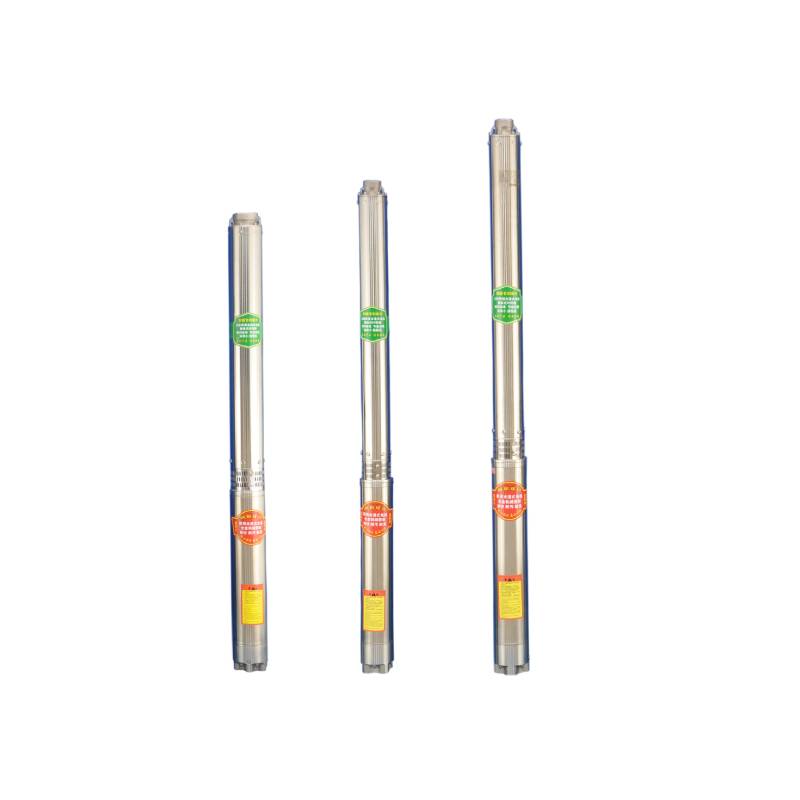
5. Low Noise Levels Compared to other types of pumps, submersible pumps tend to be quieter, as they operate below the surface of the water. This feature makes them ideal for home aquariums where noise could be disruptive.
Choosing the Right Submersible Pump
When selecting a submersible pump for your fish tank, several factors must be considered
- Tank Size Ensure the pump's capacity is suitable for your specific aquarium size. An underpowered pump will not provide sufficient circulation, while an overly powerful pump may create excessive currents that stress fish.
- Flow Rate The manufacturer's specifications should indicate the flow rate, typically measured in gallons per hour (GPH). A general rule of thumb is to ensure that the entire volume of the tank is cycled every hour or two.
- Compatibility If you are using a filtration system, check to ensure that the pump is compatible with your filter. Additionally, consider whether you require special features such as a built-in heater.
- Durability and Maintenance Choose a pump made of high-quality materials, as durability is crucial for long-term use. Regular maintenance is also essential to keep the pump functioning optimally. Periodic cleaning is necessary to remove debris and prevent clogging.
Conclusion
In conclusion, a submersible pump is a vital piece of equipment for any fish tank. Its ability to improve water circulation, enhance filtration, and provide better aeration results in a healthier and more vibrant aquatic environment. By carefully selecting the right pump for your aquarium’s size and needs, you can ensure the well-being of your fish and aquatic plants, creating a beautiful and thriving underwater ecosystem. The investment in a high-quality submersible pump ultimately pays off in the form of a more enjoyable and less labor-intensive aquarium experience.
-
Submersible Water Pump: The Efficient 'Power Pioneer' of the Underwater World
NewsJul.01,2025
-
Submersible Pond Pump: The Hidden Guardian of Water Landscape Ecology
NewsJul.01,2025
-
Stainless Well Pump: A Reliable and Durable Pumping Main Force
NewsJul.01,2025
-
Stainless Steel Submersible Pump: An Efficient and Versatile Tool for Underwater Operations
NewsJul.01,2025
-
Deep Well Submersible Pump: An Efficient 'Sucker' of Groundwater Sources
NewsJul.01,2025
-
Deep Water Well Pump: An Efficient 'Sucker' of Groundwater Sources
NewsJul.01,2025
-
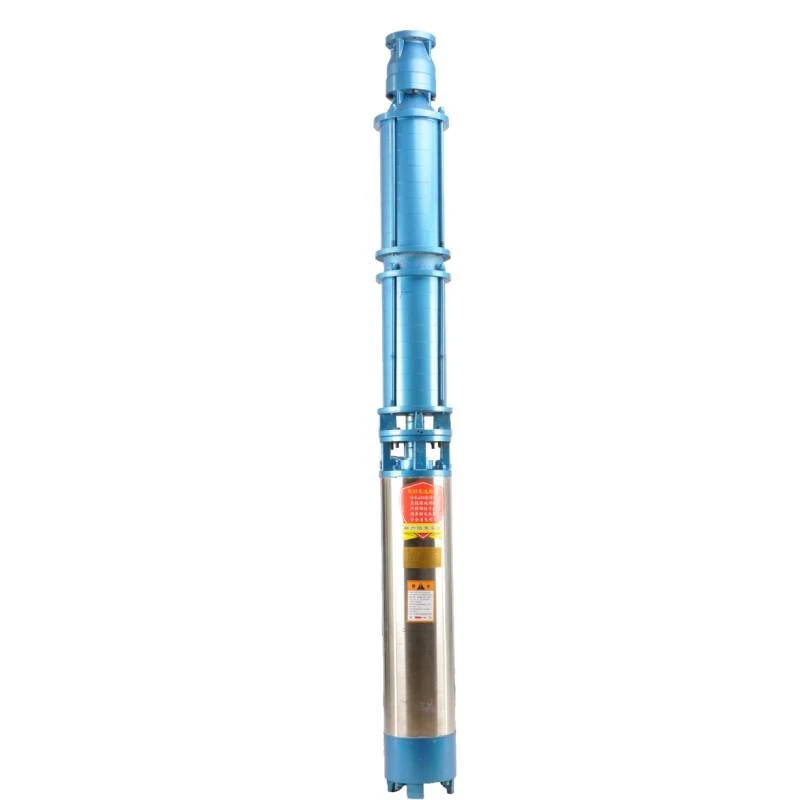 Submersible Water Pump: The Efficient 'Power Pioneer' of the Underwater WorldIn the field of hydraulic equipment, the Submersible Water Pump has become the core equipment for underwater operations and water resource transportation due to its unique design and excellent performance.Detail
 -
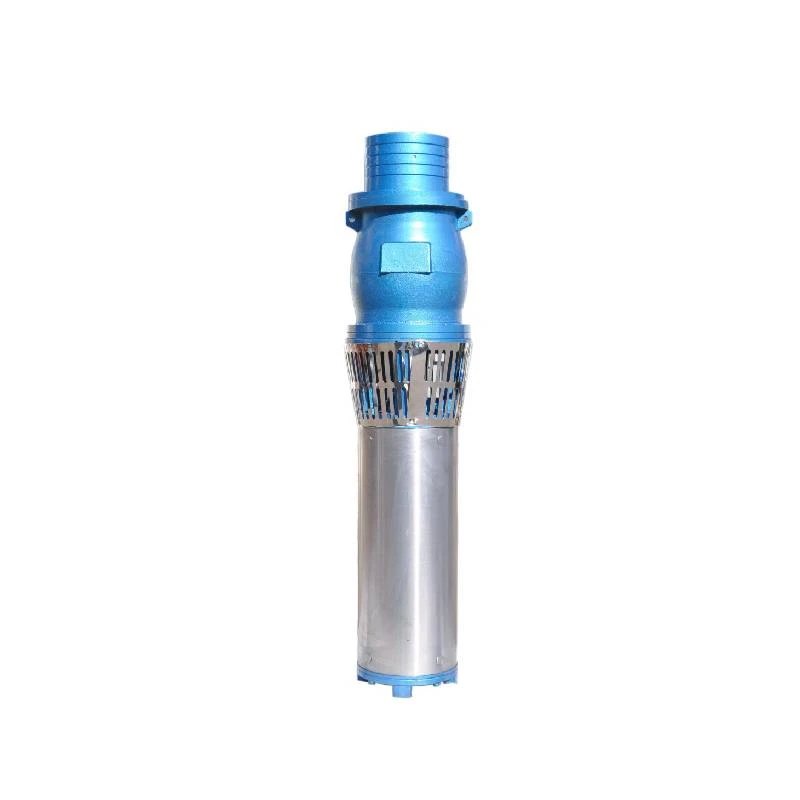 Submersible Pond Pump: The Hidden Guardian of Water Landscape EcologyIn courtyard landscapes, ecological ponds, and even small-scale water conservancy projects, there is a silent yet indispensable equipment - the Submersible Pond Pump.Detail
 -
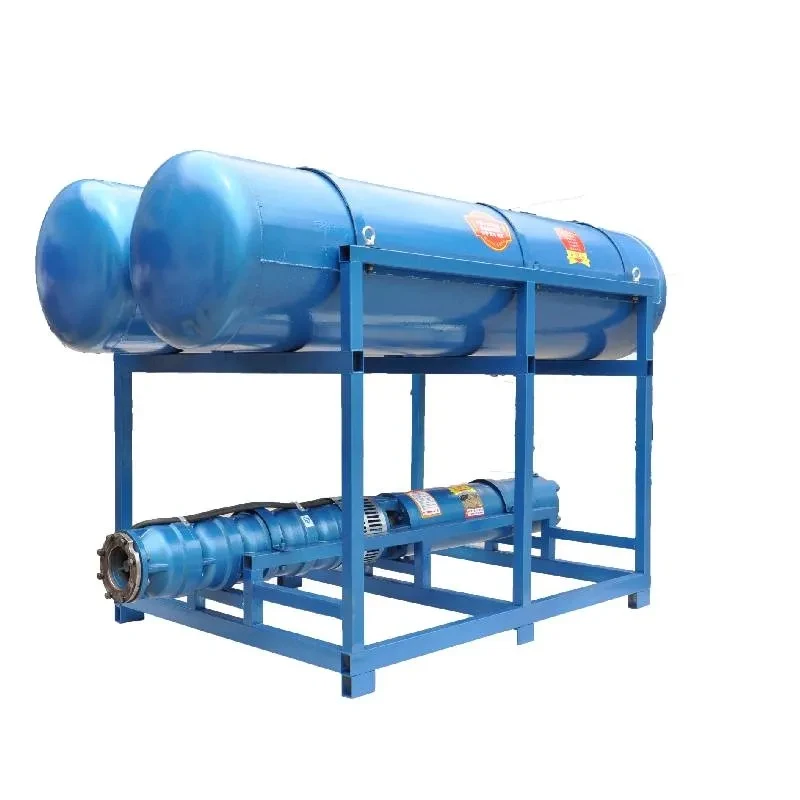 Stainless Well Pump: A Reliable and Durable Pumping Main ForceIn the field of water resource transportation, Stainless Well Pump has become the core equipment for various pumping scenarios with its excellent performance and reliable quality.Detail
 English
  Afrikaans
  Albanian
  Amharic
  Arabic
  Armenian
  Azerbaijani
  Basque
  Belarusian
  Bengali
  Bosnian
  Bulgarian
  Catalan
  Cebuano
  Corsican
  Croatian
  Czech
Czech  Danish
  Dutch
Dutch  Esperanto
  Estonian
  Finnish
  French
  Frisian
  Galician
  Georgian
  German
  Greek
Greek  Gujarati
  Haitian Creole
  Hausa
Hausa  Hawaiian
  Hebrew
  Hindi
Hindi  Miao
Miao  Hungarian
  Icelandic
  Igbo
Igbo  Indonesian
  Irish
Irish  Italian
  Japanese
  Javanese
  Kannada
  Kazakh
  Khmer
Khmer  Rwandese
  Korean
  Kurdish
  Kyrgyz
  Lao
Lao  Latin
Latin  Latvian
  Lithuanian
  Luxembourgish
  Macedonian
  Malgashi
  Malay
Malay  Malayalam
  Maltese
  Maori
Maori  Marathi
  Mongolian
  Myanmar
  Nepali
  Norwegian
  Norwegian
  Occitan
  Pashto
  Persian
  Polish
  Portuguese
  Punjabi
  Romanian
  Russian
  Samoan
  Scottish Gaelic
  Serbian
  Sesotho
  Shona
Shona  Sindhi
  Sinhala
  Slovak
  Slovenian
  Somali
  Spanish
  Sundanese
  Swahili
  Swedish
  Tagalog
  Tajik
Tajik  Tamil
Tamil  Tatar
Tatar  Telugu
  Thai
Thai  Turkish
  Turkmen
  Ukrainian
  Urdu
Urdu  Uighur
  Uzbek
Uzbek  Vietnamese
  Welsh
Welsh  Bantu
Bantu  Yiddish
  Yoruba
  Zulu
Zulu