
Dec . 10, 2024 15:45 Back to list
Understanding Submersible Pump Motors for Efficient Water Management Applications
Understanding Submersible Pump Motors A Comprehensive Overview
Submersible pump motors play a vital role in various industrial, agricultural, and municipal applications by providing efficient and reliable water management solutions. Unlike standard pumps that operate above water, submersible pumps are designed to function while submerged, allowing them to transfer fluids from deep sources such as wells, boreholes, or other water bodies. This article will explore the principles, advantages, operating mechanisms, and considerations associated with submersible pump motors.
What Is a Submersible Pump Motor?
A submersible pump motor is a type of electric motor specifically designed to be submerged in fluid. It powers the pump, enabling it to move water or other fluids upward through a piping system. These motors are sealed to prevent the ingress of water and other contaminants, ensuring durability and longevity in harsh environments. Typically, submersible pump motors can be powered by electricity or diesel, depending on the application and location.
Operating Principles
Submersible pump motors operate based on the principles of centrifugal force, utilizing an impeller to increase the velocity of the fluid and converting this kinetic energy into pressure. When submerged, the motor drives the impeller, which forces water up through the pump casing and into discharge piping. This process not only allows for efficient extraction but also minimizes energy loss, making submersible pumps one of the most energy-efficient options available.
As these motors are designed to operate deep underwater, they often feature a hermetically sealed construction that keeps water out while allowing for heat dissipation. The use of high-quality materials, such as stainless steel and thermoplastic, ensures that the motors can withstand corrosive environments, which is essential for applications involving salty or chemically aggressive fluids.
Advantages of Submersible Pump Motors
1. Efficiency Submersible motors are designed for high efficiency, reducing energy consumption and operating costs. Their ability to operate below the water surface decreases the necessity for suction, which can often waste energy.
2. Space-saving Design Since submersible pumps are installed inside the well or reservoir, they require less surface space compared to traditional pumps. This makes them ideal for locations where above-ground space is limited.
3. Versatility Submersible pump motors can handle a wide range of fluids, including fresh water, wastewater, and even hazardous fluids, making them suitable for various industries such as agriculture, municipal water supply, and mining.
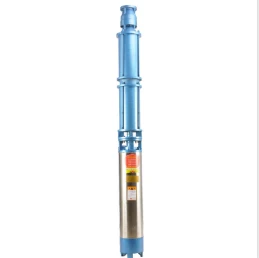
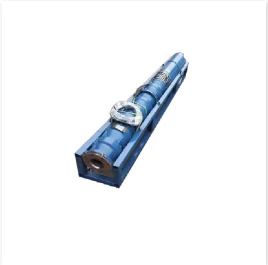
submersible pump motor

4. Noise Reduction Operating underwater naturally dampens noise, resulting in quieter operation compared to above-ground pumps, which is particularly advantageous in residential areas or noise-sensitive environments.
5. Reduced Likelihood of Cavitation Because submersible pumps are placed below the fluid level, they are less prone to cavitation, a phenomenon that can decrease pump performance and lead to damage.
Important Considerations
While submersible pump motors offer numerous advantages, several key factors should be considered to ensure optimal performance
1. Installation Depth Understanding the depth at which the pump will operate is critical for selecting the appropriate motor. It must be correctly rated for the specific head pressure and flow requirements of the application.
2. Electrical Supply The power supply must match the motor specifications, ensuring reliable operation. Motors often require specific voltages and frequencies, and care should be taken to ensure compatibility.
3. Maintenance and Inspection Regular maintenance is essential to prolong the life of submersible motors. Routine inspections for wear and tear, as well as regular cleaning of the intake screens, can help maintain efficiency and performance.
4. Bearing and Seal Quality The longevity of submersible motors depends significantly on the quality of their bearings and seals. Investing in high-quality components can prevent premature failure and reduce the frequency of replacements.
5. Environmental Conditions Consider the temperature and chemical composition of the fluid being pumped. Motors exposed to corrosive chemicals or extreme temperatures may require specialized components to resist wear.
In conclusion, submersible pump motors are critical components in modern fluid management systems, offering efficiency, versatility, and space-saving benefits. Understanding their operation, advantages, and maintenance requirements can help users optimize their performance and achieve effective water management solutions across various applications.
-
Water Pumps: Solutions for Every Need
NewsJul.30,2025
-
Submersible Well Pumps: Reliable Water Solutions
NewsJul.30,2025
-
Stainless Steel Water Pumps: Quality and Durability
NewsJul.30,2025
-
Powerful Water Pumps: Your Solution for Efficient Water Management
NewsJul.30,2025
-
Oil vs Water Filled Submersible Pumps: Which is Better?
NewsJul.30,2025
-
Deep Well Pumps: Power and Reliability
NewsJul.30,2025
-
 Water Pumps: Solutions for Every NeedWhen it comes to handling dirty water, the dirty water pump is a must-have.Detail
 -
 Submersible Well Pumps: Reliable Water SolutionsWhen it comes to ensuring a reliable water supply, submersible well pumps are a top choice.Detail
 -
 Stainless Steel Water Pumps: Quality and DurabilityWhen it comes to choosing a water pump, the stainless steel water pump price is a crucial factor.Detail