
Dec . 10, 2024 19:47 Back to list
Submersible Pumps Comparison Between Oil-Filled and Water-Filled Options
Submersible Pump Oil-Filled vs. Water-Filled
Submersible pumps are essential tools employed in a variety of applications, from dewatering construction sites to facilitating water supply in agricultural settings. One of the critical decisions when selecting a submersible pump is whether to choose an oil-filled or water-filled model. Each type has its advantages and disadvantages, and understanding these differences can significantly impact performance, longevity, and efficiency.
Oil-Filled Submersible Pumps
Oil-filled submersible pumps are commonly characterized by their use of oil as a means of cooling and lubrication. In these pumps, the motor is often completely submerged in a reservoir of oil, which serves multiple purposes. First, oil provides superior cooling for the motor, which is particularly beneficial in high-temperature environments. Unlike water, which can be less effective in some situations, oil maintains a stable viscosity over a wider range of temperatures.
Additionally, oil-filled pumps are typically well-sealed, preventing external contaminants such as sand or silt from entering the motor cavity. This feature significantly enhances the durability and lifespan of the pump, making it a preferred choice for industrial applications where reliability is crucial. Moreover, oil-filled submersible pumps often have greater performance capabilities, allowing them to handle higher pressures and generate more power compared to their water-filled counterparts.
However, one of the disadvantages of oil-filled pumps is the potential risk of leaks. Although these pumps are designed to be sealed, in case of a failure, oil spills can lead to significant environmental hazards. Proper installation and regular maintenance are essential to mitigate these risks. Another consideration is the price; oil-filled pumps tend to be more expensive due to their complex design and higher-quality materials.
Water-Filled Submersible Pumps
submersible pump oil vs water filled
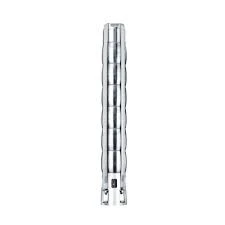
In contrast, water-filled submersible pumps utilize water as the cooling and lubricating medium. These pumps are often simpler in design and are typically less expensive than oil-filled models. Water-filled pumps are easier to maintain due to their straightforward construction, and they generally require less energy to operate, making them a cost-effective solution for various applications.
One of the significant advantages of water-filled pumps is their environmental safety; since they use water, the risks associated with oil leaks are eliminated. This characteristic makes them suitable for residential applications, such as draining basements or swimming pools, where environmental concerns are paramount. Additionally, these pumps tend to be lighter and more portable than oil-filled pumps, enhancing their versatility for occasional use.
On the downside, water-filled pumps can struggle in extreme temperature conditions. Water, unlike oil, can freeze under low temperatures and may not provide sufficient lubrication at high temperatures, which can lead to overheating and subsequent damage. Moreover, these pumps may not be suitable for heavy-duty industrial applications, where higher pressures and power outputs are required.
Choosing the Right Pump
When deciding between oil-filled and water-filled submersible pumps, the application plays a critical role. For industrial, agricultural, or other demanding environments requiring robust performance and durability, oil-filled pumps may be the better choice. On the other hand, for residential applications or scenarios where cost and environmental impact are significant factors, water-filled pumps may provide a more suited solution.
In conclusion, both oil-filled and water-filled submersible pumps have inherent advantages and challenges. Understanding the specific requirements of your application, including environmental conditions, the importance of reliability, and budget constraints, will guide you in making the best choice. Careful consideration of these factors ensures that you select the appropriate pump to meet your needs while maximizing efficiency and longevity.
-
Submersible Water Pump: The Efficient 'Power Pioneer' of the Underwater World
NewsJul.01,2025
-
Submersible Pond Pump: The Hidden Guardian of Water Landscape Ecology
NewsJul.01,2025
-
Stainless Well Pump: A Reliable and Durable Pumping Main Force
NewsJul.01,2025
-
Stainless Steel Submersible Pump: An Efficient and Versatile Tool for Underwater Operations
NewsJul.01,2025
-
Deep Well Submersible Pump: An Efficient 'Sucker' of Groundwater Sources
NewsJul.01,2025
-
Deep Water Well Pump: An Efficient 'Sucker' of Groundwater Sources
NewsJul.01,2025
-
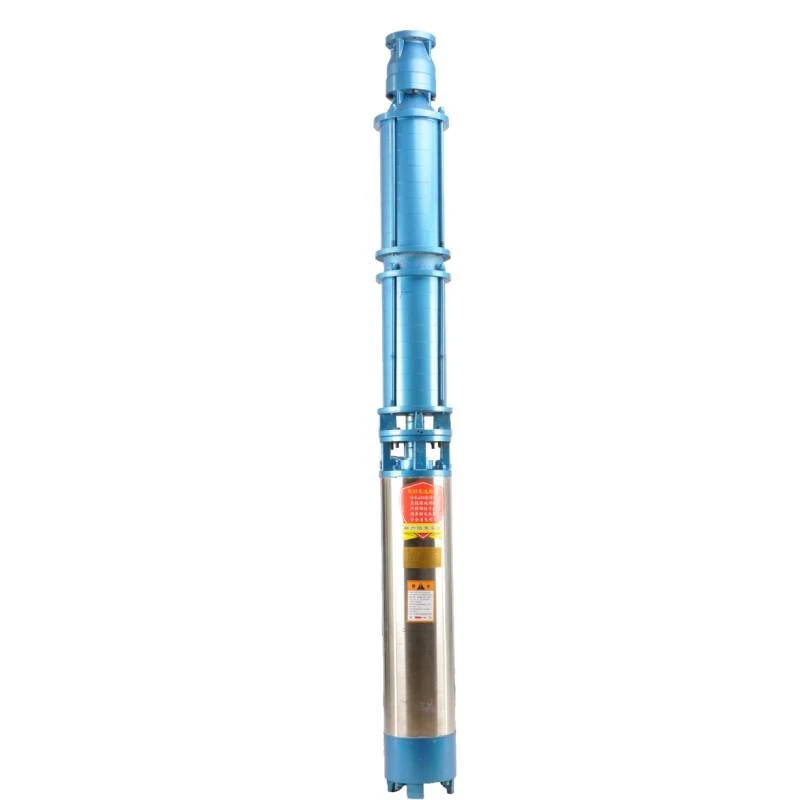 Submersible Water Pump: The Efficient 'Power Pioneer' of the Underwater WorldIn the field of hydraulic equipment, the Submersible Water Pump has become the core equipment for underwater operations and water resource transportation due to its unique design and excellent performance.Detail
 -
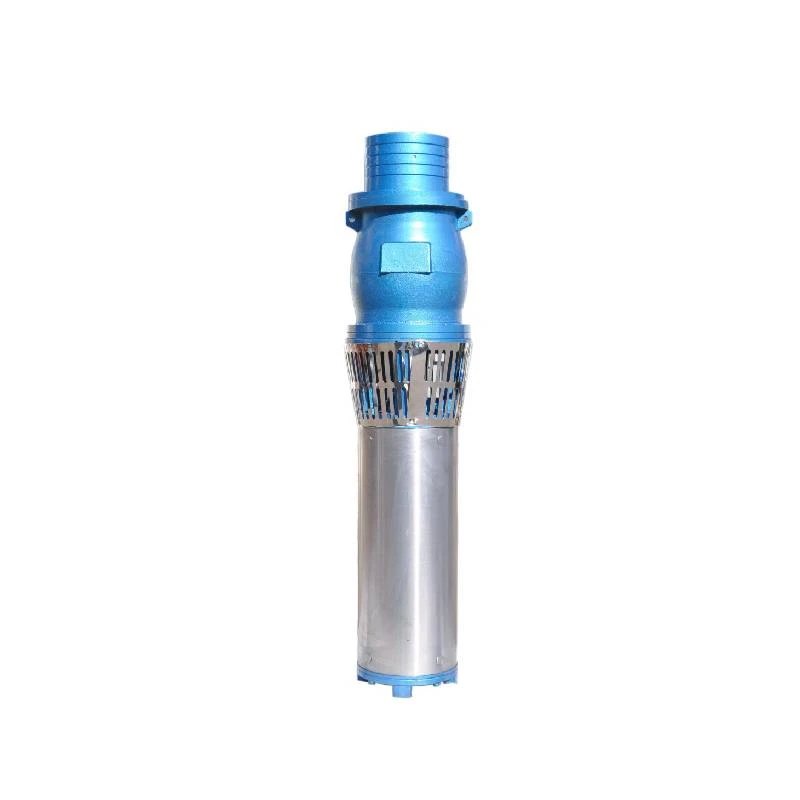 Submersible Pond Pump: The Hidden Guardian of Water Landscape EcologyIn courtyard landscapes, ecological ponds, and even small-scale water conservancy projects, there is a silent yet indispensable equipment - the Submersible Pond Pump.Detail
 -
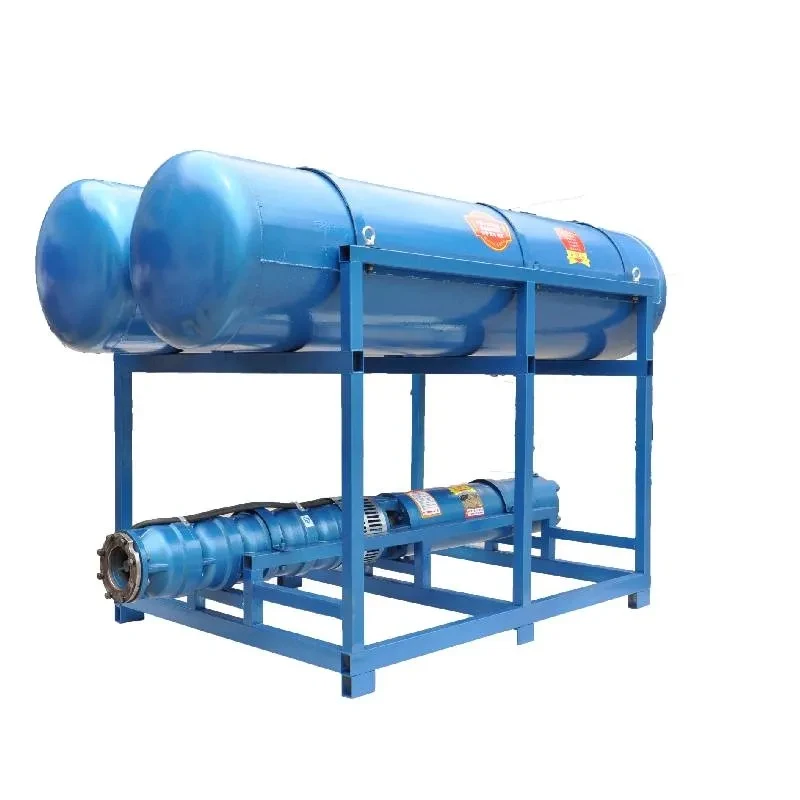 Stainless Well Pump: A Reliable and Durable Pumping Main ForceIn the field of water resource transportation, Stainless Well Pump has become the core equipment for various pumping scenarios with its excellent performance and reliable quality.Detail
 English
  Afrikaans
  Albanian
  Amharic
  Arabic
  Armenian
  Azerbaijani
  Basque
  Belarusian
  Bengali
  Bosnian
  Bulgarian
  Catalan
  Cebuano
  Corsican
  Croatian
  Czech
Czech  Danish
  Dutch
Dutch  Esperanto
  Estonian
  Finnish
  French
  Frisian
  Galician
  Georgian
  German
  Greek
Greek  Gujarati
  Haitian Creole
  Hausa
Hausa  Hawaiian
  Hebrew
  Hindi
Hindi  Miao
Miao  Hungarian
  Icelandic
  Igbo
Igbo  Indonesian
  Irish
Irish  Italian
  Japanese
  Javanese
  Kannada
  Kazakh
  Khmer
Khmer  Rwandese
  Korean
  Kurdish
  Kyrgyz
  Lao
Lao  Latin
Latin  Latvian
  Lithuanian
  Luxembourgish
  Macedonian
  Malgashi
  Malay
Malay  Malayalam
  Maltese
  Maori
Maori  Marathi
  Mongolian
  Myanmar
  Nepali
  Norwegian
  Norwegian
  Occitan
  Pashto
  Persian
  Polish
  Portuguese
  Punjabi
  Romanian
  Russian
  Samoan
  Scottish Gaelic
  Serbian
  Sesotho
  Shona
Shona  Sindhi
  Sinhala
  Slovak
  Slovenian
  Somali
  Spanish
  Sundanese
  Swahili
  Swedish
  Tagalog
  Tajik
Tajik  Tamil
Tamil  Tatar
Tatar  Telugu
  Thai
Thai  Turkish
  Turkmen
  Ukrainian
  Urdu
Urdu  Uighur
  Uzbek
Uzbek  Vietnamese
  Welsh
Welsh  Bantu
Bantu  Yiddish
  Yoruba
  Zulu
Zulu