
Dec . 24, 2024 06:50 Back to list
submersible pump requirements
Understanding Submersible Pump Requirements
Submersible pumps are essential devices used in various applications, including water extraction, wastewater management, and irrigation systems. These pumps are designed to operate while submerged in the fluid they are pumping, which offers several advantages over traditional pumps. However, to ensure optimal performance and longevity, it is crucial to understand the requirements and specifications for submersible pumps. This article outlines key considerations when selecting a submersible pump, including operating conditions, materials, maintenance, and installation.
1. Operating Conditions
Before selecting a submersible pump, it is vital to analyze the operating conditions of the application. Factors such as the type of fluid being pumped, temperature, and the required flow rate should be thoroughly evaluated. Submersible pumps are used for a variety of fluids, including clear water, muddy water, sewage, and chemicals. Each application may require specific pump characteristics; for instance, sewage pumps need to handle solid particles, while chemical pumps must resist corrosion.
The temperature of the fluid is also critical. Most submersible pumps are designed for specific temperature ranges, and exceeding these limits can lead to pump failure. Additionally, knowing the depth of the water source helps in determining the total dynamic head (TDH), which is the total height the pump needs to lift the water.
2. Material Selection
The materials used in the construction of a submersible pump significantly affect its performance and durability. Common materials include stainless steel, cast iron, and thermoplastics. Stainless steel is preferred for its corrosion resistance, making it suitable for abrasive fluids and harsh environments. Cast iron pumps offer strength and durability, particularly for general-purpose applications. Thermoplastics are often used in environments where chemical resistance is paramount.
Selecting the appropriate material based on the fluid's characteristics is fundamental. For example, in applications involving aggressive chemicals, choosing materials that resist corrosion is essential to prolong the pump's lifespan.
3. Pump Design
The design of the pump impeller is critical in determining efficiency and performance. Different applications may require different impeller designs. A vortex impeller is ideal for handling solids, while a centrifugal impeller is commonly used for clear water applications. Understanding the specific pump design requirements can enhance operational efficiency and reduce energy consumption.
submersible pump requirements

Additionally, pump power requirements need to be assessed. High-efficiency submersible pumps can reduce energy costs and provide better long-term performance. It is beneficial to analyze the efficiency rating before making the final selection.
4. Maintenance Requirements
Like any mechanical system, submersible pumps require regular maintenance to ensure reliable operation. Maintenance tasks may include inspecting seals, cleaning filters, and checking for wear on impeller and motor components. Maintaining a consistent maintenance schedule can prevent unexpected failures and prolong the life of the pump.
Furthermore, it is essential to assess the ease of access to the pump for maintenance purposes. Submersible pumps are often installed at considerable depths, making access challenging. Selecting a model that allows for simple maintenance routines can save significant time and resources.
5. Installation Considerations
Proper installation is crucial to the successful operation of a submersible pump. The pump should be positioned correctly to avoid issues such as cavitation or excessive wear. It is also critical to consider the power supply requirements during installation; ensuring that the electrical connections are secure and compliant with local regulations is a must.
Moreover, understanding the local regulations concerning submersible pump installations can help avoid legal issues. Certain applications may necessitate permits or compliance with environmental standards.
Conclusion
In conclusion, understanding the requirements for submersible pumps is vital for their effective application. Evaluating operating conditions, selecting appropriate materials, considering pump design, maintaining the equipment, and ensuring proper installation are all critical factors that contribute to the successful operation of submersible pumps. By taking these considerations into account, users can ensure reliability, efficiency, and longevity in their pumping systems.
-
Water Pumps: Solutions for Every Need
NewsJul.30,2025
-
Submersible Well Pumps: Reliable Water Solutions
NewsJul.30,2025
-
Stainless Steel Water Pumps: Quality and Durability
NewsJul.30,2025
-
Powerful Water Pumps: Your Solution for Efficient Water Management
NewsJul.30,2025
-
Oil vs Water Filled Submersible Pumps: Which is Better?
NewsJul.30,2025
-
Deep Well Pumps: Power and Reliability
NewsJul.30,2025
-
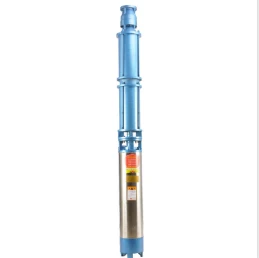 Water Pumps: Solutions for Every NeedWhen it comes to handling dirty water, the dirty water pump is a must-have.Detail
 -
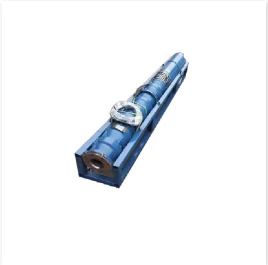 Submersible Well Pumps: Reliable Water SolutionsWhen it comes to ensuring a reliable water supply, submersible well pumps are a top choice.Detail
 -
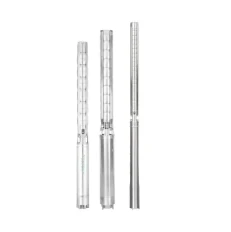 Stainless Steel Water Pumps: Quality and DurabilityWhen it comes to choosing a water pump, the stainless steel water pump price is a crucial factor.Detail