
Dec . 12, 2024 04:21 Back to list
submersible pump troubleshooting
Troubleshooting Submersible Pumps A Comprehensive Guide
Submersible pumps are a popular choice for a variety of applications, including agricultural irrigation, groundwater extraction, and wastewater management. They operate by being submerged in the fluid they are pumping, which helps to prevent cavitation and improve efficiency. However, like any mechanical device, submersible pumps can encounter issues that can disrupt their performance. This article aims to provide a comprehensive troubleshooting guide for common submersible pump problems.
1. Pump Won't Start
One of the most common issues with submersible pumps is the failure to start. When this happens, there are several potential culprits to investigate
- Power Supply Ensure that the pump is receiving power. Check the circuit breaker, fuses, and the power cord for any visible damage. Sometimes, the issue can be as simple as a tripped breaker or a blown fuse.
- Control Panel Examine the control panel for any alarm signals. Pumps are often equipped with control systems that will signal if there is an issue.
- Thermal Overload Most submersible pumps have built-in thermal overload protection. If the motor overheats, it automatically shuts off. Allow the pump to cool down before attempting to restart it.
2. Low Flow or No Flow Condition
If the submersible pump is running but not delivering the expected flow rate, several factors may be at play
- Clogged Intake Strainer Debris can accumulate in the intake strainer, restricting water flow. Inspect and clean the strainer to ensure it is free of obstructions.
- Worn Impeller The impeller is a critical component of the pump that may wear over time, reducing its efficiency. Inspect the impeller for wear or damage and replace it if necessary.
- Pump Installation Issues Ensure that the pump is installed at the correct depth. In some cases, pumps installed too deep or too shallow can result in poor performance.
3. Excessive Noise or Vibration
Unusual noises or vibrations from a submersible pump can indicate mechanical problems
- Cavitation This occurs when the pressure in the pump drops too low, causing vapor bubbles that collapse violently. It can lead to significant damage. Monitor the flow rate and system pressure to prevent cavitation.
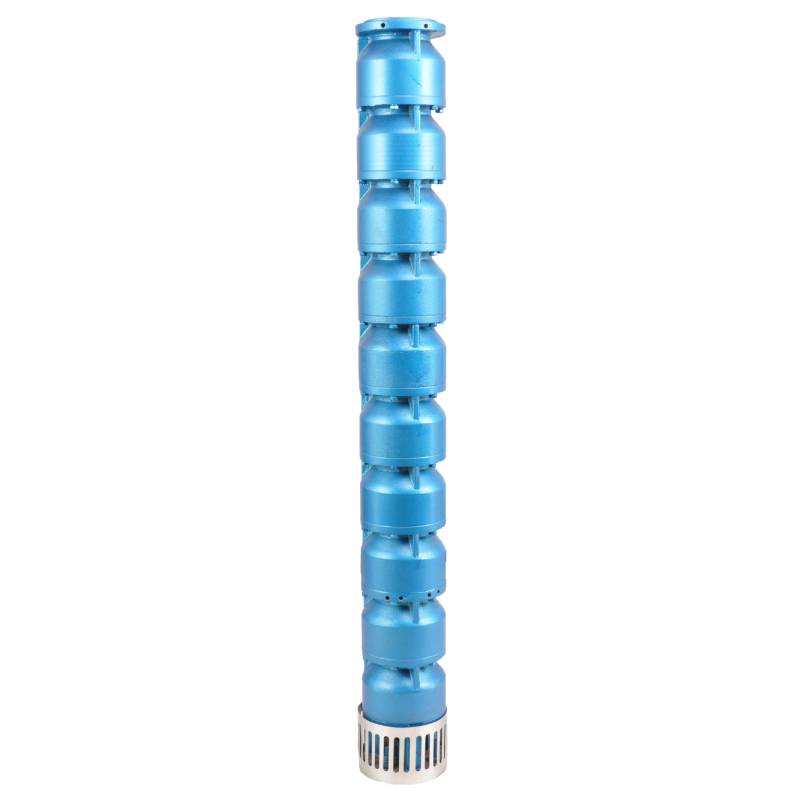
submersible pump troubleshooting
- Imbalance A lack of balance in the pump components can lead to excessive vibration. Check the shaft alignment and ensure that all components are seated correctly.
- Bearings Worn or damaged bearings can generate noise and vibration. If you suspect bearing issues, the pump may need to be disassembled for inspection and replacement.
4. Overheating
Overheating is a critical issue that can cause permanent damage to the motor
- Insufficient Cooling Make sure that the pump has adequate fluid around it for cooling. Running a submersible pump in a dry environment can cause it to overheat.
- Mechanical Failure A seized motor or worn bearings can cause excessive heat. Inspect the pump for issues and consider consulting a professional for repairs.
- Electrical Issues Improper voltage or a malfunctioning starter can lead to overheating. Use a multimeter to check the voltage going to the pump.
5. Frequent Tripping of Circuit Breakers
If the pump’s circuit breaker frequently trips, it may indicate a serious problem
- Short Circuit Check for any shorts in the wiring. Inspect the motor and electrical connections for damages.
- Overloading If the pump is handling more load than it was designed for, consider whether it is the right size for your application.
- Faulty Pump Ultimately, it may be time to consider a replacement if the pump is old or consistently problematic.
Conclusion
Troubleshooting submersible pumps requires a methodical approach to identify and resolve issues. Regular maintenance, proper installation, and attention to the pump's operating environment will prevent many common problems. Should you encounter persistent issues that you cannot resolve, consulting a professional technician can help ensure the longevity and efficiency of your submersible pump. By being proactive and attentive, you can keep your pump performing at its best.
-
Submersible Water Pump: The Efficient 'Power Pioneer' of the Underwater World
NewsJul.01,2025
-
Submersible Pond Pump: The Hidden Guardian of Water Landscape Ecology
NewsJul.01,2025
-
Stainless Well Pump: A Reliable and Durable Pumping Main Force
NewsJul.01,2025
-
Stainless Steel Submersible Pump: An Efficient and Versatile Tool for Underwater Operations
NewsJul.01,2025
-
Deep Well Submersible Pump: An Efficient 'Sucker' of Groundwater Sources
NewsJul.01,2025
-
Deep Water Well Pump: An Efficient 'Sucker' of Groundwater Sources
NewsJul.01,2025
-
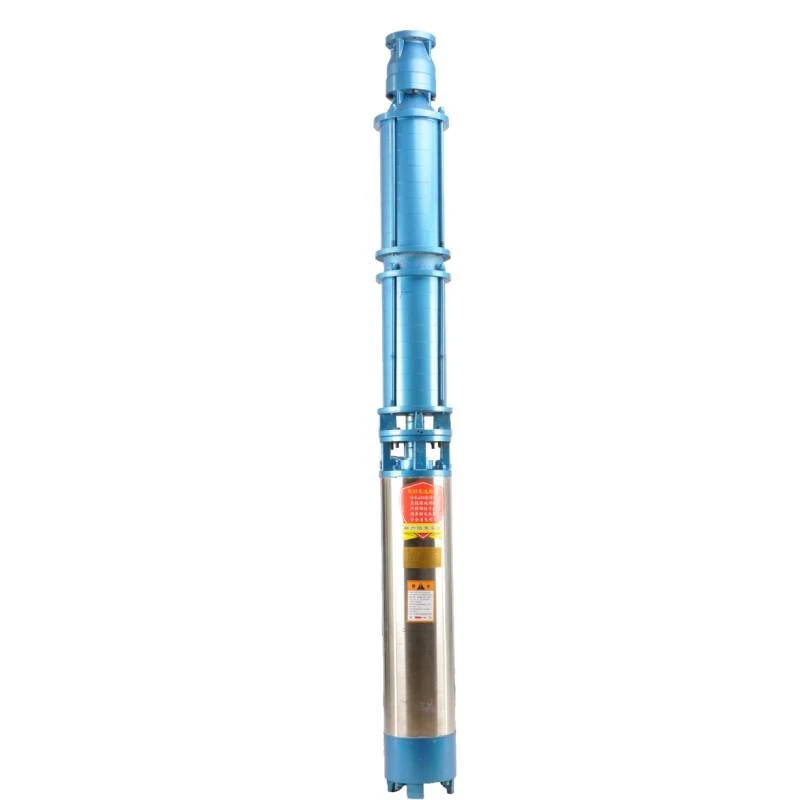 Submersible Water Pump: The Efficient 'Power Pioneer' of the Underwater WorldIn the field of hydraulic equipment, the Submersible Water Pump has become the core equipment for underwater operations and water resource transportation due to its unique design and excellent performance.Detail
 -
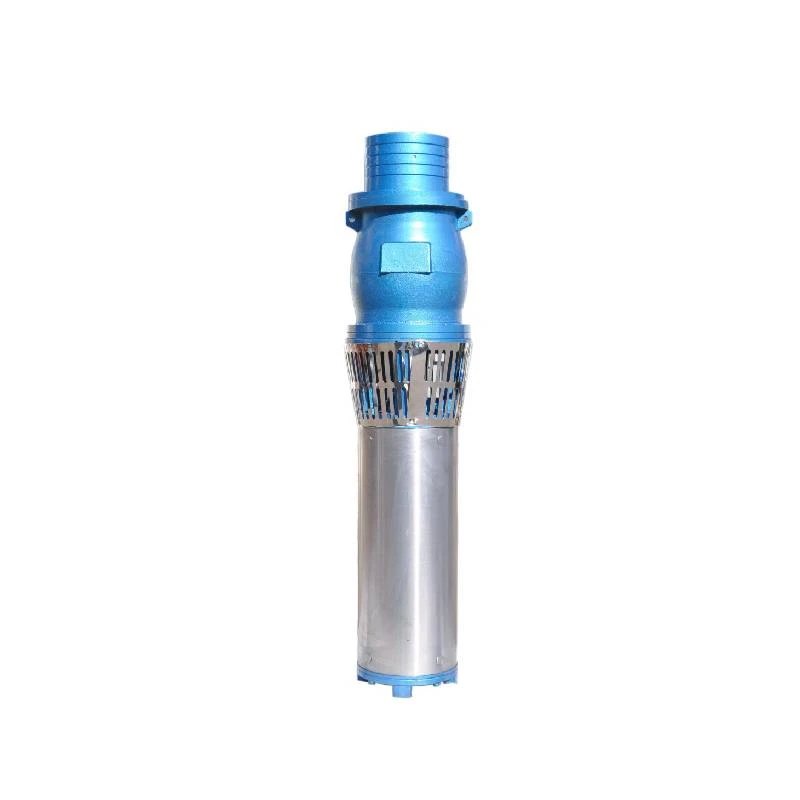 Submersible Pond Pump: The Hidden Guardian of Water Landscape EcologyIn courtyard landscapes, ecological ponds, and even small-scale water conservancy projects, there is a silent yet indispensable equipment - the Submersible Pond Pump.Detail
 -
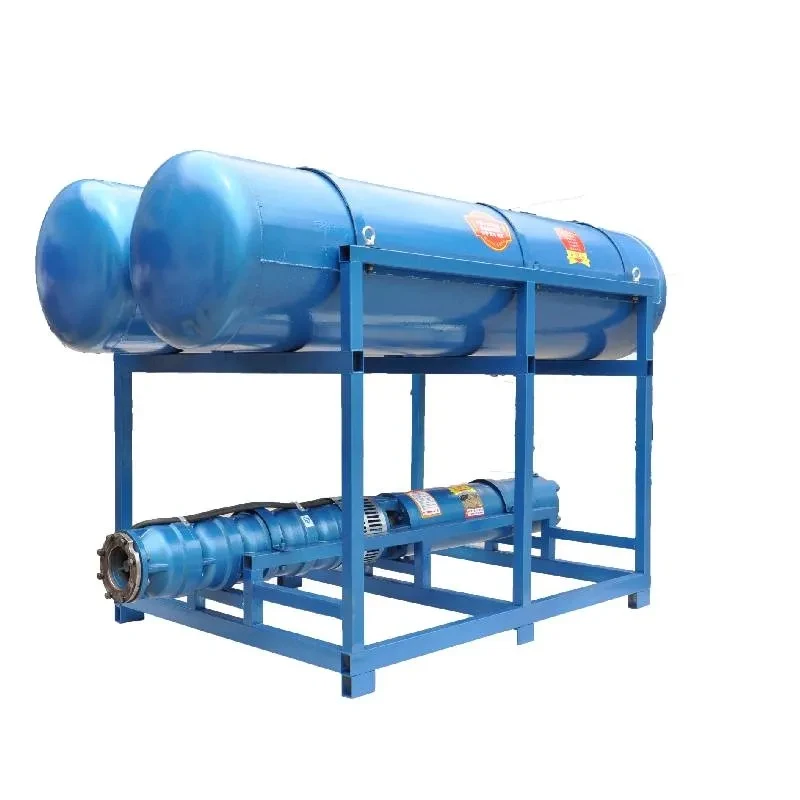 Stainless Well Pump: A Reliable and Durable Pumping Main ForceIn the field of water resource transportation, Stainless Well Pump has become the core equipment for various pumping scenarios with its excellent performance and reliable quality.Detail
 English
  Afrikaans
  Albanian
  Amharic
  Arabic
  Armenian
  Azerbaijani
  Basque
  Belarusian
  Bengali
  Bosnian
  Bulgarian
  Catalan
  Cebuano
  Corsican
  Croatian
  Czech
Czech  Danish
  Dutch
Dutch  Esperanto
  Estonian
  Finnish
  French
  Frisian
  Galician
  Georgian
  German
  Greek
Greek  Gujarati
  Haitian Creole
  Hausa
Hausa  Hawaiian
  Hebrew
  Hindi
Hindi  Miao
Miao  Hungarian
  Icelandic
  Igbo
Igbo  Indonesian
  Irish
Irish  Italian
  Japanese
  Javanese
  Kannada
  Kazakh
  Khmer
Khmer  Rwandese
  Korean
  Kurdish
  Kyrgyz
  Lao
Lao  Latin
Latin  Latvian
  Lithuanian
  Luxembourgish
  Macedonian
  Malgashi
  Malay
Malay  Malayalam
  Maltese
  Maori
Maori  Marathi
  Mongolian
  Myanmar
  Nepali
  Norwegian
  Norwegian
  Occitan
  Pashto
  Persian
  Polish
  Portuguese
  Punjabi
  Romanian
  Russian
  Samoan
  Scottish Gaelic
  Serbian
  Sesotho
  Shona
Shona  Sindhi
  Sinhala
  Slovak
  Slovenian
  Somali
  Spanish
  Sundanese
  Swahili
  Swedish
  Tagalog
  Tajik
Tajik  Tamil
Tamil  Tatar
Tatar  Telugu
  Thai
Thai  Turkish
  Turkmen
  Ukrainian
  Urdu
Urdu  Uighur
  Uzbek
Uzbek  Vietnamese
  Welsh
Welsh  Bantu
Bantu  Yiddish
  Yoruba
  Zulu
Zulu