
Dec . 10, 2024 23:26 Back to list
Submersible Pump Featuring Integrated Float Switch for Automatic Operation
Submersible Pumps with Float Switch An Overview
Submersible pumps are a crucial component in many fluid management systems, especially when it comes to applications that require the pumping of liquids from underground sources or confined spaces. A submersible pump is completely submerged in the fluid it is designed to pump, making it highly efficient and effective for various uses, such as draining flooded basements, agricultural irrigation, and sewage treatment. One specific type of submersible pump that has gained popularity in recent years is the submersible pump equipped with a float switch.
What is a Float Switch?
A float switch is a type of sensor used in conjunction with submersible pumps to manage fluid levels automatically. It consists of a buoyant object attached to a switch mechanism that activates or deactivates the pump based on the liquid level in the tank or sump. When the water rises to a certain point, the float switch floats with it, triggering the pump to turn on. Conversely, when the water level drops, the float descends, turning the pump off. This automatic control allows for efficient operation, preventing overflow or dry running of the pump.
Advantages of Using Submersible Pumps with Float Switches
1. Automated Operation One of the most significant benefits of using a submersible pump with a float switch is automation. This feature significantly reduces the need for manual intervention, allowing users to focus on other tasks while ensuring fluid levels are consistently regulated.
submersible pump with float switch
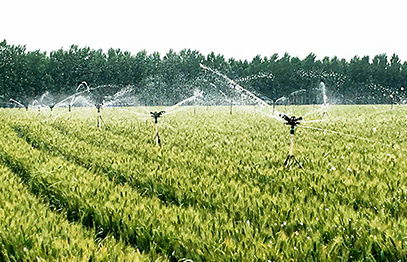
2. Energy Efficiency By automatically turning the pump on and off based on fluid levels, float switches help to conserve energy. The pump only runs when necessary, thus lowering electricity bills and extending the life of the pump through reduced operational hours.
3. Protection from Dry Running Dry running occurs when a pump operates without sufficient liquid, which can cause severe damage over time. A float switch prevents this situation by ensuring that the pump only runs when there is adequate water available, thus enhancing the longevity of the pump.
4. Versatile Applications Submersible pumps with float switches are versatile and can be applied in various scenarios. From residential settings, such as sump pumps in basements, to industrial applications for dewatering construction sites or managing wastewater in municipal systems, these pumps are adaptable for numerous environments.
5. Cost-Effective Solution Although the initial investment in a submersible pump with a float switch may be slightly higher than traditional pumps, the long-term savings in energy costs, maintenance, and operational efficiency result in a cost-effective solution over time.
Conclusion
Submersible pumps equipped with float switches represent a significant advancement in fluid management technology. Their ability to operate automatically, conserve energy, and provide protection against dry running makes them a preferred choice for both residential and industrial applications. As we continue to prioritize efficiency and sustainability in our systems, the integration of submersible pumps with float switches is likely to become increasingly common, providing reliable solutions for fluid management challenges. Whether for agricultural use, residential drainage, or industrial applications, these pumps are a testament to how innovative technology can improve our everyday lives and operations.
-
submersible-sump-pump-auto-drainage-for-crawlspaces
NewsAug.22,2025
-
solar-powered-stainless-steel-submersible-well-pump-setup
NewsAug.22,2025
-
stainless-steel-well-pump-flow-rate-optimization
NewsAug.22,2025
-
water-filled-submersible-pump-fish-farm-oxygenation
NewsAug.22,2025
-
submersible-pump-in-aquaculture-and-fish-farming
NewsAug.22,2025
-
deep-well-submersible-pump-for-drought-areas
NewsAug.22,2025
-
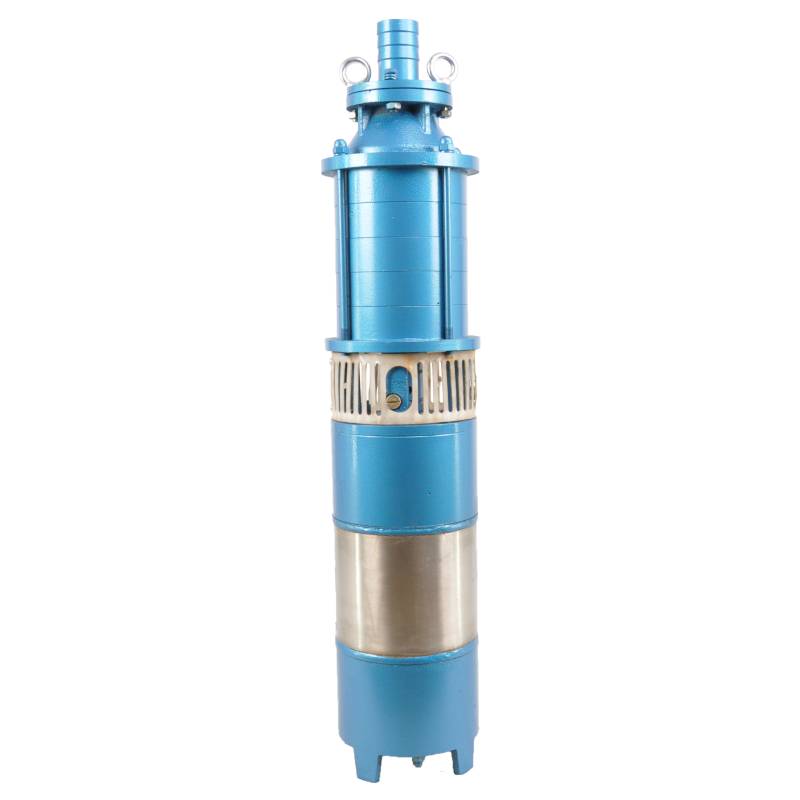 submersible-sump-pump-auto-drainage-for-crawlspacesCrawlspaces, those narrow areas beneath homes, are prone to water accumulation due to leaks, groundwDetail
 -
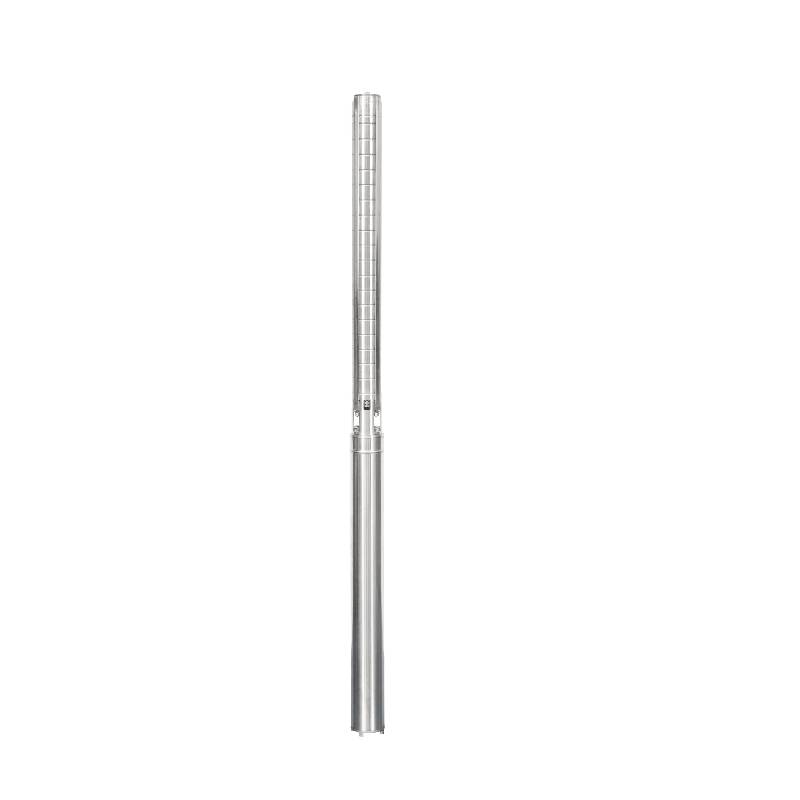 solar-powered-stainless-steel-submersible-well-pump-setupHarnessing solar energy to power stainless steel submersible well pumps is a sustainable and coDetail
 -
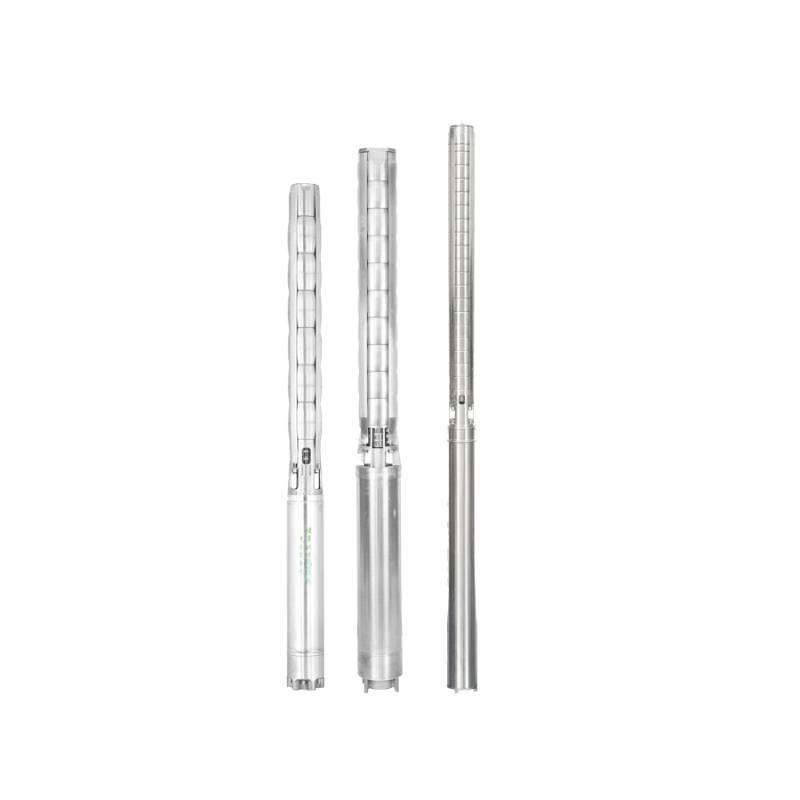 stainless-steel-well-pump-flow-rate-optimizationIn various applications like agriculture, domestic water supply, and industrial use, the flow rate oDetail
 Afrikaans
 Albanian
 Amharic
 Arabic
 Armenian
 Azerbaijani
 Basque
 Belarusian
 Bengali
 Bosnian
 Bulgarian
 Catalan
 Cebuano
 Corsican
 Croatian
 Czech
Czech
 Danish
 Dutch
Dutch
 Esperanto
 Estonian
 Finnish
 French
 Frisian
 Galician
 Georgian
 German
 Greek
Greek
 Gujarati
 Haitian Creole
 Hausa
Hausa
 Hawaiian
 Hebrew
 Hindi
Hindi
 Miao
Miao
 Hungarian
 Icelandic
 Igbo
Igbo
 Indonesian
 Irish
Irish
 Italian
 Japanese
 Javanese
 Kannada
 Kazakh
 Khmer
Khmer
 Rwandese
 Korean
 Kurdish
 Kyrgyz
 Lao
Lao
 Latin
Latin
 Latvian
 Lithuanian
 Luxembourgish
 Macedonian
 Malgashi
 Malay
Malay
 Malayalam
 Maltese
 Maori
Maori
 Marathi
 Mongolian
 Myanmar
 Nepali
 Norwegian
 Norwegian
 Occitan
 Pashto
 Persian
 Polish
 Portuguese
 Punjabi
 Romanian
 Russian
 Samoan
 Scottish Gaelic
 Serbian
 Sesotho
 Shona
Shona
 Sindhi
 Sinhala
 Slovak
 Slovenian
 Somali
 Spanish
 Sundanese
 Swahili
 Swedish
 Tagalog
 Tajik
Tajik
 Tamil
Tamil
 Tatar
Tatar
 Telugu
 Thai
Thai
 Turkish
 Turkmen
 Ukrainian
 Urdu
Urdu
 Uighur
 Uzbek
Uzbek
 Vietnamese
 Welsh
Welsh
 Bantu
Bantu
 Yiddish
 Yoruba
 Zulu
Zulu
 English