
Dec . 10, 2024 17:48 Back to list
submersible water feature pump
Submersible Water Feature Pumps Enhancing Your Outdoor Oasis
Creating a captivating outdoor environment often involves the integration of water features, such as fountains, ponds, or waterfalls. Not only do these elements add aesthetic value, but they also contribute to a serene atmosphere. To ensure these water features function efficiently and reliably, submersible water feature pumps are an excellent solution. This article explores the advantages, types, and installation of submersible water feature pumps, alongside maintenance tips to keep your aquatic oasis thriving.
What Are Submersible Water Feature Pumps?
Submersible water feature pumps are designed to operate underwater, making them ideal for supplying water to features such as waterfalls, koi ponds, and fountains. Unlike standard pumps that sit above the water's surface, submersible pumps are submerged entirely, which helps to reduce noise levels while efficiently moving water. They are equipped with a sealed motor that prevents water damage, ensuring longevity and reliable performance.
Advantages of Submersible Pumps
1. Quiet Operation One of the most significant benefits of submersible pumps is their quiet operation. Since they are submerged, the sound of the motor is muffled, allowing you to enjoy the soothing sounds of running water without any distracting mechanical noise.
2. Energy Efficiency Submersible pumps are typically more energy-efficient compared to their non-submersible counterparts. Their design allows for effective water movement, which can help lower electricity costs over time.
3. Versatile Design These pumps come in various sizes and capacities, making them suitable for a range of applications, from small backyard fountains to large garden ponds. This versatility allows you to choose the right pump based on your water feature's specific requirements.
4. Reduced Risk of Contamination Since submersible pumps are located within the water body, they help reduce exposure to contaminants. This is particularly important in ponds and natural water bodies where debris and pollutants can affect the quality of water.
5. Low Maintenance Most submersible pumps require minimal maintenance. Regular cleaning and occasional inspections are usually sufficient to ensure smooth operation, making them a convenient choice for homeowners.
Types of Submersible Water Feature Pumps
Submersible pumps are available in two main types utility pumps and pond pumps.
submersible water feature pump
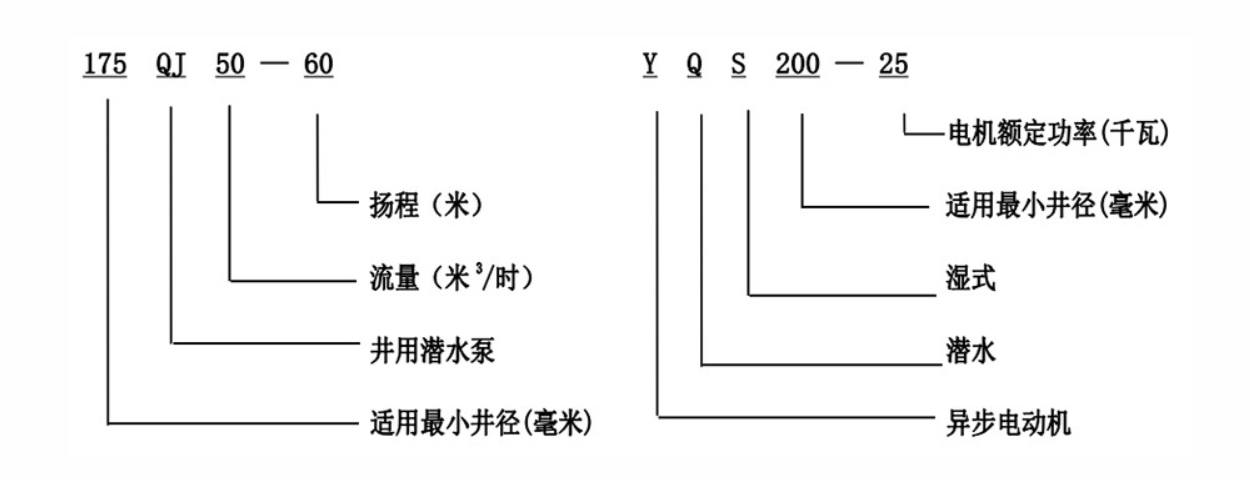
1. Utility Pumps These pumps are often used for general-purpose water movement, including draining, flooding, and transitioning water from one space to another. They are a practical choice for temporary water features or during emergencies.
2. Pond Pumps Specifically designed for aquatic environments, pond pumps are built to handle the unique challenges of moving water through filters, fountains, and waterfalls. They typically feature additional components, like filters and energy-efficient motors, tailored for pond ecosystems.
Installation Tips
Installing a submersible water feature pump requires careful planning to ensure optimal performance
1. Choose the Right Size Assess the dimensions of your water feature and select a pump with appropriate flow rates and head height. A pump that is too small will struggle to provide adequate water movement, while an oversized pump may create excessive splashing and noise.
2. Proper Placement Place the pump in an area where it can efficiently draw water while remaining hidden. Ensure it's positioned on a solid base to avoid shifting or tilting.
3. Electrical Safety When installing your pump, ensure that all electrical connections are secure and resistant to moisture. It’s advisable to use ground fault circuit interrupters (GFCI) to minimize the risk of electric shock.
Maintenance Tips
To keep your submersible pump functioning optimally
- Regularly inspect the pump for debris buildup and clean any dirt or leaves that may obstruct its operation. - Periodically check the power cord for wear and tear. - In colder climates, remove the pump during winter to avoid damage from freezing temperatures.
Conclusion
Submersible water feature pumps play a crucial role in bringing aquatic designs to life. Their quiet operation, energy efficiency, and varying capacities make them ideal for both simple and complex water features. By understanding their advantages, types, and maintenance needs, homeowners can enhance their outdoor spaces, creating tranquil environments where nature and design coexist beautifully. With the right submersible pump, your water feature can become the centerpiece of your outdoor oasis, providing enjoyment for years to come.
-
Water Pumps: Solutions for Every Need
NewsJul.30,2025
-
Submersible Well Pumps: Reliable Water Solutions
NewsJul.30,2025
-
Stainless Steel Water Pumps: Quality and Durability
NewsJul.30,2025
-
Powerful Water Pumps: Your Solution for Efficient Water Management
NewsJul.30,2025
-
Oil vs Water Filled Submersible Pumps: Which is Better?
NewsJul.30,2025
-
Deep Well Pumps: Power and Reliability
NewsJul.30,2025
-
 Water Pumps: Solutions for Every NeedWhen it comes to handling dirty water, the dirty water pump is a must-have.Detail
 -
 Submersible Well Pumps: Reliable Water SolutionsWhen it comes to ensuring a reliable water supply, submersible well pumps are a top choice.Detail
 -
 Stainless Steel Water Pumps: Quality and DurabilityWhen it comes to choosing a water pump, the stainless steel water pump price is a crucial factor.Detail