
Dec . 07, 2024 04:18 Back to list
Submersible Pump Motors Innovative Solutions for Effective Water Extraction and Management
Understanding Submersible Well Motors An Essential Component of Groundwater Extraction
Submersible well motors play a crucial role in the efficiency and effectiveness of groundwater extraction systems. These robust devices are designed to operate underwater, making them ideal for deep well applications where traditional surface pumps would be ineffective. This article will delve into the various aspects of submersible well motors, including their design, functions, advantages, and applications, while highlighting their importance in water resource management.
Design and Functionality
A submersible well motor is an electric motor specifically engineered to be placed underwater, typically within a well casing. It works in conjunction with a pump to lift water from deep aquifers to the surface. The motor usually operates at depths of over 300 feet, depending on the specific model and application. One of the primary features of these motors is their hermetically sealed construction, which protects the internal components from water ingress, dirt, and debris.
Submersible well motors operate with a simple yet effective principle they convert electrical energy into mechanical energy. When powered, the motor spins the impeller, which creates a pressure differential that allows water to be drawn into the pump and pushed up to the surface. This seamless integration of the motor and pump ensures a steady and reliable supply of groundwater.
Advantages of Submersible Well Motors
The use of submersible well motors offers numerous advantages over traditional pumping systems
1. Efficiency Submersible motors are incredibly efficient due to their design, which allows them to operate at varying depths without losing performance. The close coupling of the motor and pump minimizes energy losses, making them ideal for powering deep well applications.
2. Reduced Noise Levels Since submersible motors are located underwater, noise produced during operation is significantly reduced. This feature is particularly beneficial in residential and agricultural settings where quiet operation is a priority.
3. Space Saving Being submerged in the well, these motors do not require significant surface infrastructure. This space-saving design is advantageous in areas with limited land availability.
submersible well motor
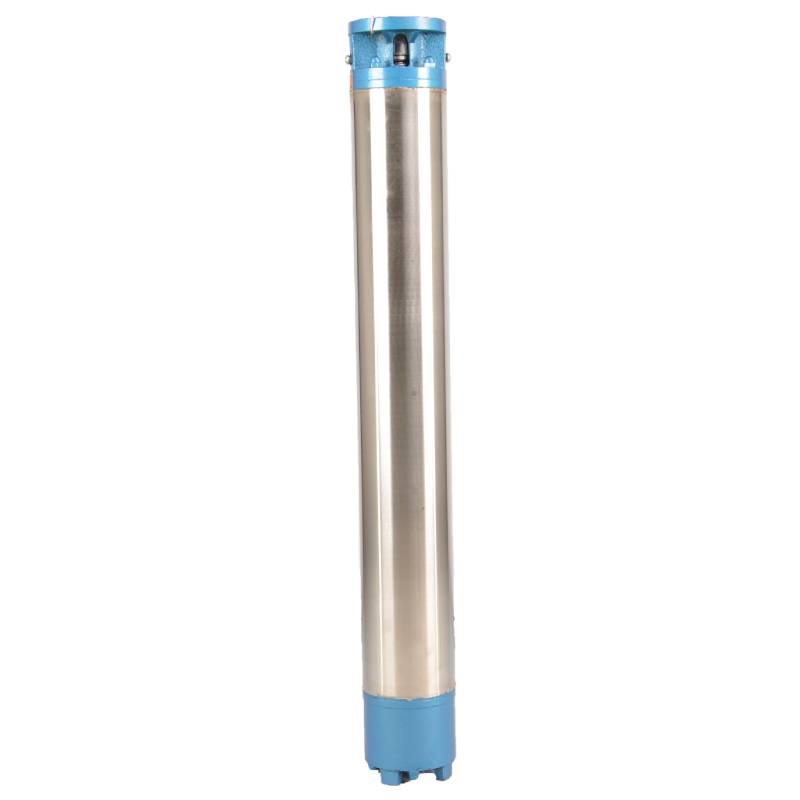
4. Long Lifespan Submersible motors are built to withstand harsh conditions, including extreme temperatures and varying water quality. Their durable construction translates to a long lifespan and lower maintenance costs over time.
5. Flexibility Submersible motors are available in various sizes and power ratings, making them suitable for various applications, from residential wells to large-scale agricultural operations.
Applications
Submersible well motors are utilized in various sectors, including
- Agriculture Farmers frequently use submersible pumps to irrigate crops, ensuring a steady water supply even in periods of drought. - Municipal Water Supply City water systems often rely on submersible motors to extract groundwater for treatment and distribution to residents.
- Industrial Applications Many industries depend on submersible motors for cooling, processing, and other operational water needs.
- Geothermal Heating and Cooling Submersible motors are used in geothermal systems to circulate water and optimize energy efficiency.
Conclusion
In conclusion, submersible well motors are indispensable components of modern water extraction systems. Their efficient design, quiet operation, and long lifespan make them the go-to choice for a wide range of applications. As global water demand continues to rise, understanding and utilizing technologies such as submersible well motors will become even more critical in ensuring sustainable water resource management. Whether for agricultural uses, municipal water supply, or industrial applications, these motors will remain at the forefront of providing reliable, efficient access to one of our most precious resources—water. Therefore, investing in high-quality submersible well motors is essential for anyone involved in groundwater extraction.
-
Submersible Water Pump: The Efficient 'Power Pioneer' of the Underwater World
NewsJul.01,2025
-
Submersible Pond Pump: The Hidden Guardian of Water Landscape Ecology
NewsJul.01,2025
-
Stainless Well Pump: A Reliable and Durable Pumping Main Force
NewsJul.01,2025
-
Stainless Steel Submersible Pump: An Efficient and Versatile Tool for Underwater Operations
NewsJul.01,2025
-
Deep Well Submersible Pump: An Efficient 'Sucker' of Groundwater Sources
NewsJul.01,2025
-
Deep Water Well Pump: An Efficient 'Sucker' of Groundwater Sources
NewsJul.01,2025
-
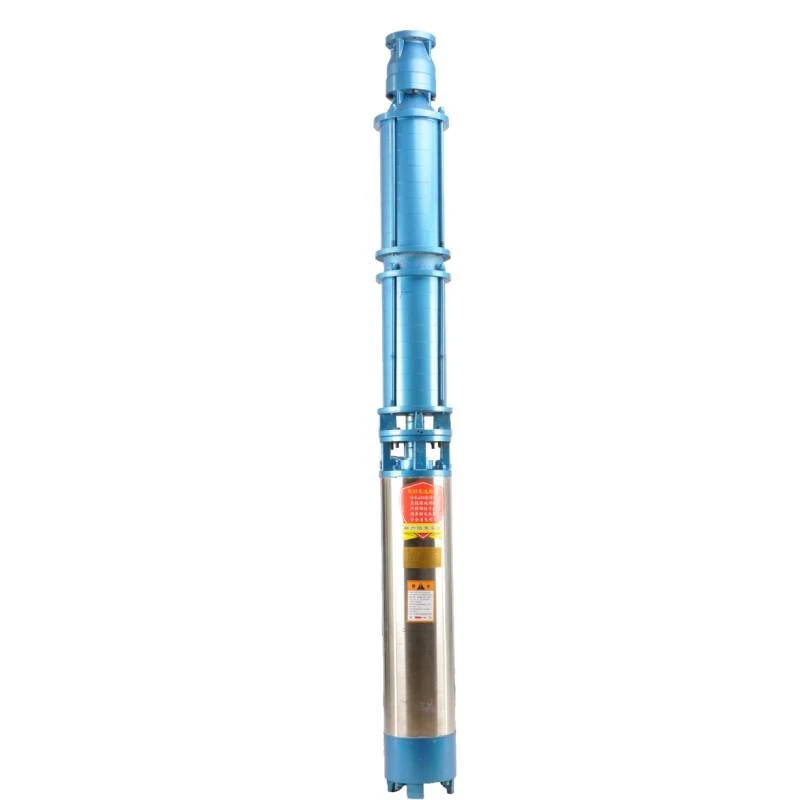 Submersible Water Pump: The Efficient 'Power Pioneer' of the Underwater WorldIn the field of hydraulic equipment, the Submersible Water Pump has become the core equipment for underwater operations and water resource transportation due to its unique design and excellent performance.Detail
 -
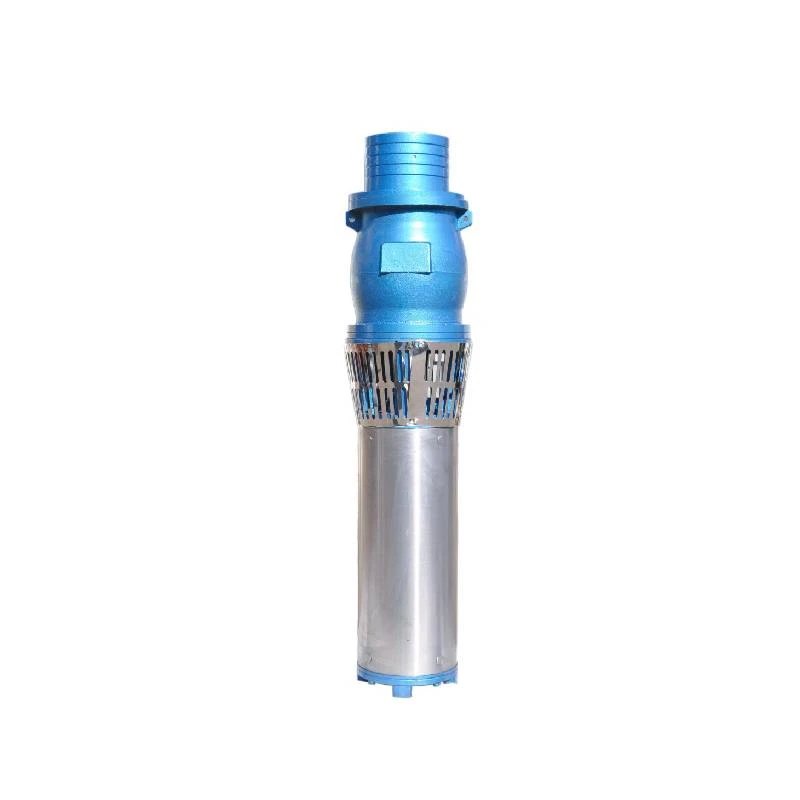 Submersible Pond Pump: The Hidden Guardian of Water Landscape EcologyIn courtyard landscapes, ecological ponds, and even small-scale water conservancy projects, there is a silent yet indispensable equipment - the Submersible Pond Pump.Detail
 -
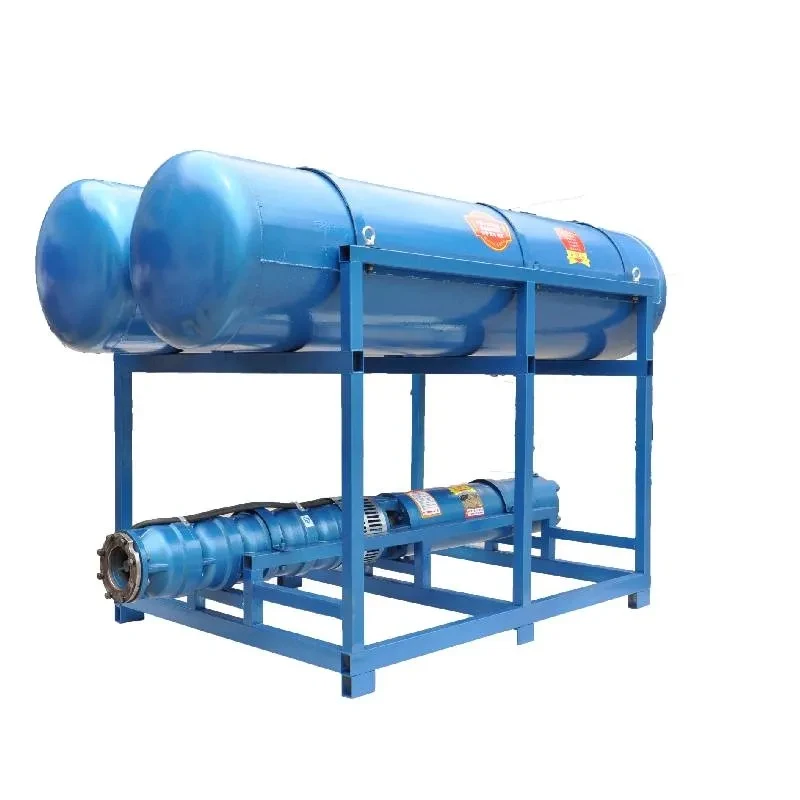 Stainless Well Pump: A Reliable and Durable Pumping Main ForceIn the field of water resource transportation, Stainless Well Pump has become the core equipment for various pumping scenarios with its excellent performance and reliable quality.Detail
 English
  Afrikaans
  Albanian
  Amharic
  Arabic
  Armenian
  Azerbaijani
  Basque
  Belarusian
  Bengali
  Bosnian
  Bulgarian
  Catalan
  Cebuano
  Corsican
  Croatian
  Czech
Czech  Danish
  Dutch
Dutch  Esperanto
  Estonian
  Finnish
  French
  Frisian
  Galician
  Georgian
  German
  Greek
Greek  Gujarati
  Haitian Creole
  Hausa
Hausa  Hawaiian
  Hebrew
  Hindi
Hindi  Miao
Miao  Hungarian
  Icelandic
  Igbo
Igbo  Indonesian
  Irish
Irish  Italian
  Japanese
  Javanese
  Kannada
  Kazakh
  Khmer
Khmer  Rwandese
  Korean
  Kurdish
  Kyrgyz
  Lao
Lao  Latin
Latin  Latvian
  Lithuanian
  Luxembourgish
  Macedonian
  Malgashi
  Malay
Malay  Malayalam
  Maltese
  Maori
Maori  Marathi
  Mongolian
  Myanmar
  Nepali
  Norwegian
  Norwegian
  Occitan
  Pashto
  Persian
  Polish
  Portuguese
  Punjabi
  Romanian
  Russian
  Samoan
  Scottish Gaelic
  Serbian
  Sesotho
  Shona
Shona  Sindhi
  Sinhala
  Slovak
  Slovenian
  Somali
  Spanish
  Sundanese
  Swahili
  Swedish
  Tagalog
  Tajik
Tajik  Tamil
Tamil  Tatar
Tatar  Telugu
  Thai
Thai  Turkish
  Turkmen
  Ukrainian
  Urdu
Urdu  Uighur
  Uzbek
Uzbek  Vietnamese
  Welsh
Welsh  Bantu
Bantu  Yiddish
  Yoruba
  Zulu
Zulu