
Dec . 10, 2024 09:11 Back to list
The Best in Submersible Pumps: Your Ultimate Guide
When it comes to efficient water management, submersible pumps have become a vital solution for both residential and commercial applications. These pumps are designed to operate underwater, making them ideal for various tasks such as draining water, irrigation, and more. In this guide, we will explore the advantages of submersible pumps, review a comprehensive submersible pump catalogue, and discuss the submersible pump price range to help you make informed purchasing decisions.
The Advantages of Using Submersible Pumps
Submersible pumps are known for their unique design and capabilities, which set them apart from traditional pumps. One of the main advantages is their ability to operate submerged in water, allowing for efficient fluid transfer without the need for priming. This feature makes them incredibly reliable for a variety of applications, from residential drainage systems to agricultural irrigation.
Moreover, submersible pumps are generally more energy-efficient compared to surface pumps. Since they work underwater, they can push water to the surface without losing pressure, which means less energy consumption and lower operating costs. This efficiency is not only beneficial for your wallet but also makes submersible pumps an environmentally friendly choice.
Explore Our Comprehensive Submersible Pump Catalogue
Navigating the options available in the market can be overwhelming, but our submersible pump catalogue simplifies your search. This extensive guide includes a variety of pumps tailored to meet diverse needs. From residential applications to industrial settings, you will find pumps designed for specific tasks, including sewage pumping, dewatering, and deep well applications.
The catalogue provides detailed specifications for each model, such as flow rates, power ratings, and operational depths. This allows you to compare features and determine which submersible pump best suits your requirements. Whether you need a compact model for your home or a heavy-duty option for industrial use, our catalogue has something for everyone.
Understanding Submersible Pump Prices
When considering a purchase, understanding the submersible pump price range is crucial for budgeting. Prices can vary significantly based on factors such as pump type, brand, and features. Basic models may start around $100, while more advanced, heavy-duty pumps can cost several thousand dollars.
It's important to evaluate the value each pump offers. Investing in a higher-priced model may be beneficial if it provides longer durability, higher efficiency, or specific features that suit your needs. Additionally, consider the long-term savings on energy bills and maintenance costs when making your decision. Understanding the pricing landscape can help you choose a pump that fits your budget while meeting your operational requirements.
Key Features to Consider
When selecting a submersible pump, several key features can influence your choice. Firstly, consider the pump's capacity, which is typically measured in gallons per minute (GPM) or liters per second (L/s). Assessing the required flow rate based on your specific application will help ensure you select a pump that meets your needs.
Another important feature is the power source. Submersible pumps can be powered by electricity or gasoline, so consider your available power options when selecting a pump. Additionally, look for features such as built-in thermal protection, automatic shut-off, and corrosion-resistant materials, as these can significantly enhance performance and lifespan.
Maintenance Tips for Long-Term Performance
To ensure your submersible pump operates efficiently for years, regular maintenance is essential. Start by checking the pump for any visible wear or damage, particularly the power cord and connectors. Cleaning the pump regularly helps prevent debris buildup, which can impair performance.
If your pump has a float switch, make sure it operates smoothly. Regularly testing the pump's operation, especially before heavy use, can help catch potential issues early. Additionally, refer to the manufacturer's guidelines in the submersible pump catalogue for specific maintenance tips and schedules tailored to your model.
In summary, submersible pumps offer a versatile and efficient solution for various water management needs. With our comprehensive submersible pump catalogue, you can easily find the right pump for your application. Understanding submersible pump prices and key features will empower you to make informed decisions, ensuring you choose a pump that meets your needs while providing long-term value. Invest in a submersible pump today and experience the difference in performance and efficiency!
-
Water Pumps: Solutions for Every Need
NewsJul.30,2025
-
Submersible Well Pumps: Reliable Water Solutions
NewsJul.30,2025
-
Stainless Steel Water Pumps: Quality and Durability
NewsJul.30,2025
-
Powerful Water Pumps: Your Solution for Efficient Water Management
NewsJul.30,2025
-
Oil vs Water Filled Submersible Pumps: Which is Better?
NewsJul.30,2025
-
Deep Well Pumps: Power and Reliability
NewsJul.30,2025
-
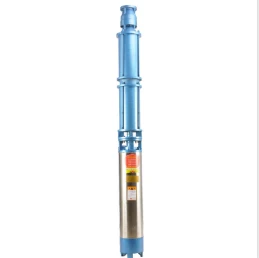 Water Pumps: Solutions for Every NeedWhen it comes to handling dirty water, the dirty water pump is a must-have.Detail
 -
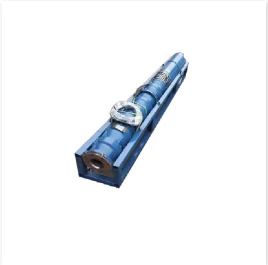 Submersible Well Pumps: Reliable Water SolutionsWhen it comes to ensuring a reliable water supply, submersible well pumps are a top choice.Detail
 -
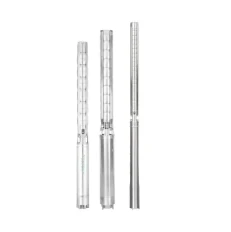 Stainless Steel Water Pumps: Quality and DurabilityWhen it comes to choosing a water pump, the stainless steel water pump price is a crucial factor.Detail
 English
  Afrikaans
  Albanian
  Amharic
  Arabic
  Armenian
  Azerbaijani
  Basque
  Belarusian
  Bengali
  Bosnian
  Bulgarian
  Catalan
  Cebuano
  Corsican
  Croatian
  Czech
Czech  Danish
  Dutch
Dutch  Esperanto
  Estonian
  Finnish
  French
  Frisian
  Galician
  Georgian
  German
  Greek
Greek  Gujarati
  Haitian Creole
  Hausa
Hausa  Hawaiian
  Hebrew
  Hindi
Hindi  Miao
Miao  Hungarian
  Icelandic
  Igbo
Igbo  Indonesian
  Irish
Irish  Italian
  Japanese
  Javanese
  Kannada
  Kazakh
  Khmer
Khmer  Rwandese
  Korean
  Kurdish
  Kyrgyz
  Lao
Lao  Latin
Latin  Latvian
  Lithuanian
  Luxembourgish
  Macedonian
  Malgashi
  Malay
Malay  Malayalam
  Maltese
  Maori
Maori  Marathi
  Mongolian
  Myanmar
  Nepali
  Norwegian
  Norwegian
  Occitan
  Pashto
  Persian
  Polish
  Portuguese
  Punjabi
  Romanian
  Russian
  Samoan
  Scottish Gaelic
  Serbian
  Sesotho
  Shona
Shona  Sindhi
  Sinhala
  Slovak
  Slovenian
  Somali
  Spanish
  Sundanese
  Swahili
  Swedish
  Tagalog
  Tajik
Tajik  Tamil
Tamil  Tatar
Tatar  Telugu
  Thai
Thai  Turkish
  Turkmen
  Ukrainian
  Urdu
Urdu  Uighur
  Uzbek
Uzbek  Vietnamese
  Welsh
Welsh  Bantu
Bantu  Yiddish
  Yoruba
  Zulu
Zulu