
Selecting the right partner among various deep well submersible pump manufacturers often determines the long-term viability of groundwater extraction projects. Whether the goal is agricultural irrigation or industrial water supply, the intersection of motor efficiency, material durability, and hydraulic design defines the total cost of ownership.
The complexity of deep-well environments—ranging from corrosive mineral content to extreme depths—requires equipment that transcends standard specifications. High-performance systems must balance the head pressure requirements with flow stability to prevent motor burnout and premature mechanical wear.
This guide analyzes the critical technical benchmarks and procurement strategies necessary to evaluate pump manufacturers, ensuring that the selected hardware aligns with specific geological conditions and operational demands.

Understanding the Engineering Behind Deep Well Submersible Systems

Deep well submersible pumps are specialized hydraulic machines designed to operate while fully immersed in water. Unlike surface pumps, these systems push water upward, eliminating the suction lift limitations and significantly reducing the risk of cavitation in high-head applications.
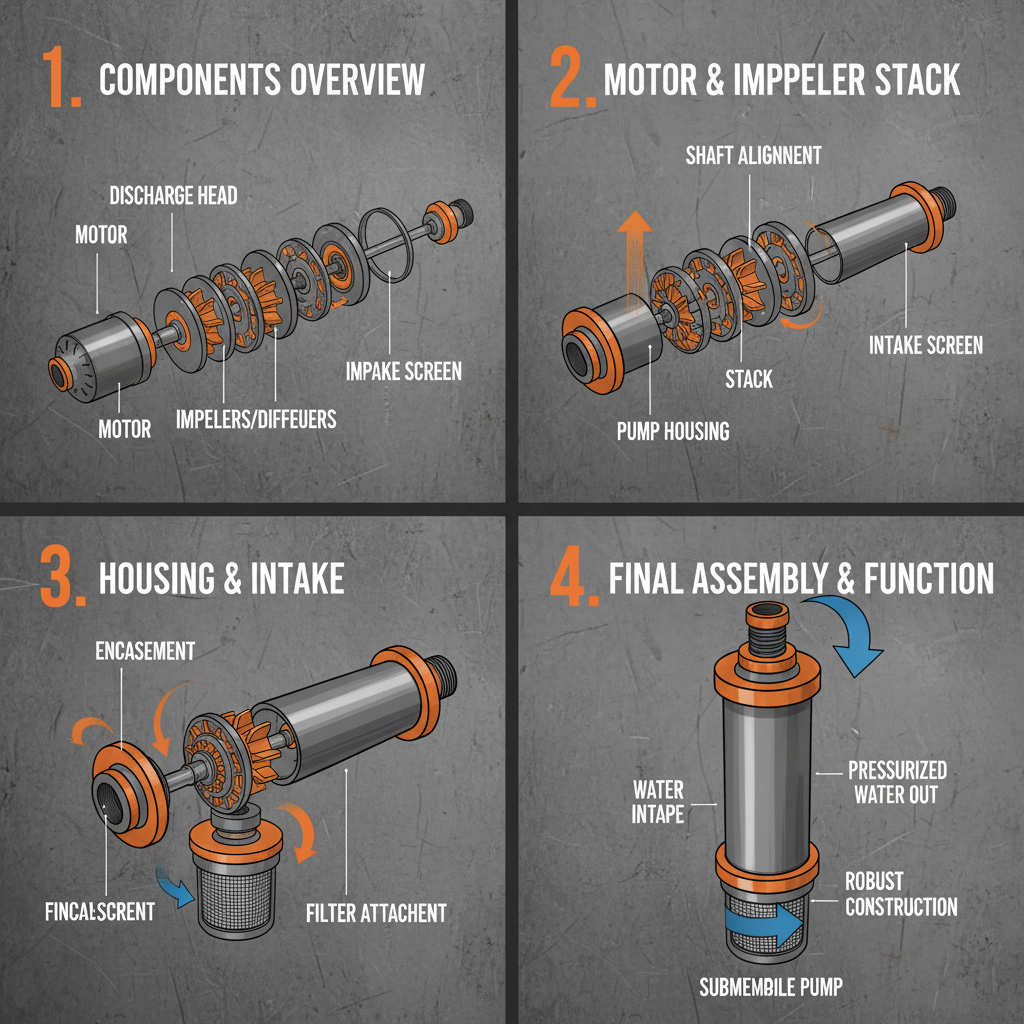
The core architecture typically consists of a multi-stage centrifugal pump coupled with a water-filled or oil-filled asynchronous motor. The use of water-filled motors, as seen in the QJ series, allows for simultaneous cooling and bearing lubrication, which is essential for maintaining thermal stability during continuous operation in depths exceeding 70 meters.
Engineering excellence in this sector is measured by the pump's ability to maintain a stable flow rate while resisting the external hydrostatic pressure and the corrosive nature of underground aquifers. This requires a precise synergy between the impeller geometry and the motor's torque output.
Critical Technical Benchmarks for Evaluating Pump Performance
When auditing potential manufacturers, procurement officers must look beyond the nominal flow rate. The real measure of a pump's quality lies in its efficiency curve and the quality of its internal components, such as the thrust bearings and stator winding insulation.
High-quality pumps utilize silicon steel stators and precision-machined stainless steel shells to minimize energy loss and prevent casing corrosion. For instance, the integration of a pressure regulating film at the bottom of the motor helps manage the expansion and contraction caused by temperature fluctuations, preventing seal failure.
Furthermore, the presence of a sand-prevention structure—comprising oil seals and specialized sand rings—is a non-negotiable requirement for wells with high sediment content. Without these, abrasive particles can enter the motor cavity, leading to rapid bearing degradation and total system seizure.
Diverse Application Scenarios and Material Requirements
Different water qualities demand vastly different material compositions. While standard carbon steel may suffice for clean domestic water, aggressive environments such as hot water mining or saline aquifers require specialized alloys.
For underground hot water mining, where temperatures can reach up to 100°C, the QJR series provides the necessary heat resistance and aging prevention. In these scenarios, the motor's insulation must be rated for high temperatures to prevent dielectric breakdown, and the pump housing must be chemically resistant to prevent pitting corrosion.
Agricultural and garden irrigation, conversely, prioritize flow volume and energy efficiency. Stainless steel series pumps are often preferred here to ensure a contaminant-free water supply, while float-type pumps provide automated level control, reducing the need for manual monitoring in remote tower water applications.
Analyzing Operational Efficiency and Hydraulic Metrics
Hydraulic efficiency is not a static number; it is a relationship between the pump's head (the height it can lift water) and the flow rate. Operating a pump too far from its rated flow point can lead to motor overload or excessive vibration.
The following metrics compare standard industry benchmarks against high-precision manufactured units, focusing on the reduction of energy waste and the improvement of volumetric efficiency.
deep well submersible pump manufacturers Performance Metrics
As indicated, precision-engineered pumps—utilizing CNC machining for impeller balancing—demonstrate significantly higher motor efficiency and a lower rate of mechanical energy loss. This ensures that a larger percentage of the electrical input is converted into fluid movement, reducing long-term electricity costs.
Installation Best Practices to Prevent Premature Equipment Failure
Even the highest quality pump will fail if improperly installed. The most common cause of premature failure is "dry running" or the installation of the pump too close to the bottom of the well, leading to sediment intake.
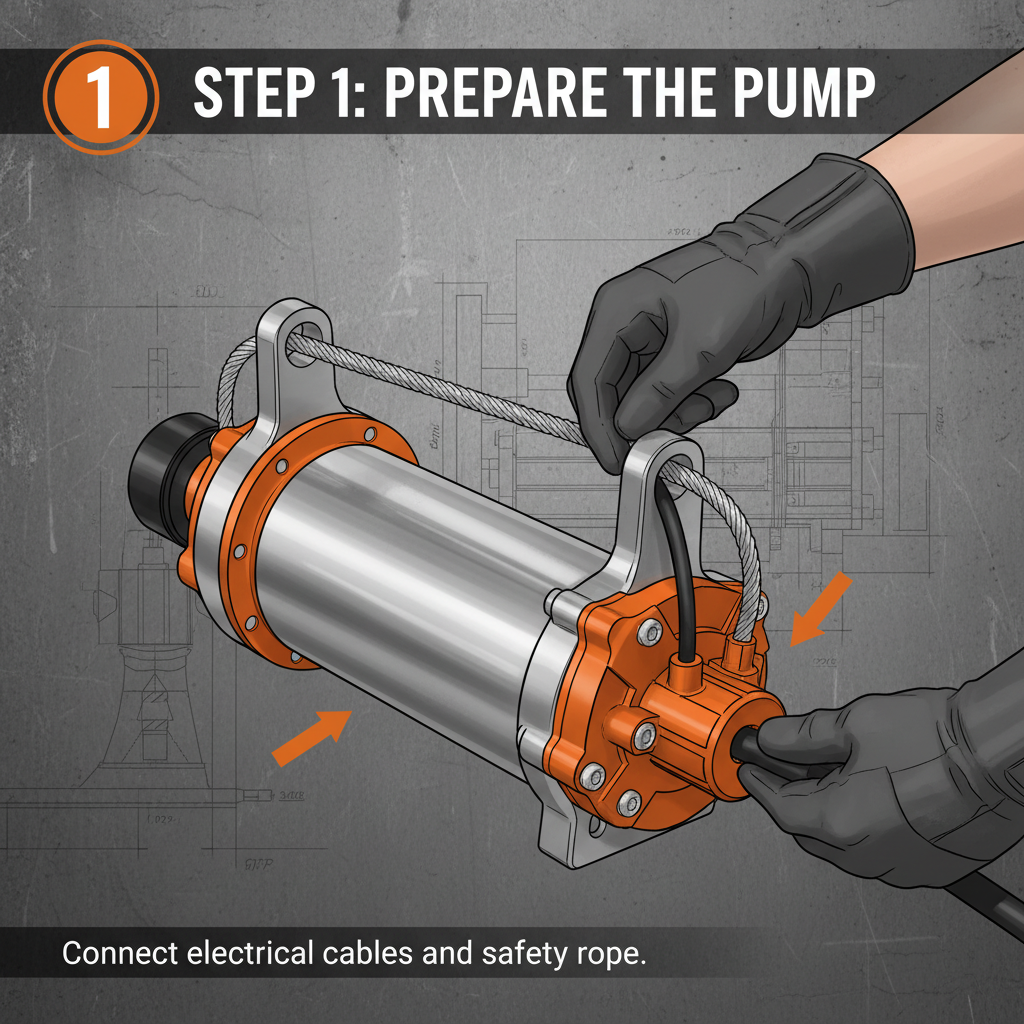
A critical step often overlooked is the filling of the motor cavity with clean, non-corrosive water before deployment. For water-cooled motors, this prevents air pockets that can cause localized overheating and rapid bearing wear. Furthermore, the pump should be positioned at least 3 meters above the well bottom to ensure a clean water intake.
Electrical protection is equally vital. Every system must be equipped with an external overload protection device to monitor current spikes. A deviation of more than 20% from the rated current is a clear signal to shut down the system and investigate for jamming or phase failure.
The Shift Toward Frequency Conversion and Smart Control
The industry is moving away from fixed-speed operation toward Variable Frequency Drive (VFD) systems, such as the QJB series. This allows the pump to adjust its output based on the actual dynamic water level and demand, significantly reducing energy consumption.
Frequency conversion minimizes the "water hammer" effect during startup, which reduces mechanical stress on the pump shaft and couplings. This is particularly beneficial for high-head systems where the initial torque required to move the water column can be immense.
Future developments are likely to integrate IoT sensors for real-time monitoring of insulation resistance and vibration. Such predictive maintenance could alert operators to potential failures before they occur, shifting the maintenance model from reactive to proactive.
Decision Matrix for Selecting Submersible Pump Solutions
Choosing the correct pump model requires a detailed analysis of the well's physical characteristics and the water's chemical composition. A "one size fits all" approach typically leads to inefficiency or equipment failure.
The table below provides a comparison of pump categories based on specific operating conditions to guide the selection process.
| Pump Series | Primary Material | Optimal Use Case | Key Performance Factor |
|---|---|---|---|
| QJ Standard | Carbon Steel/Iron | Clean Water/Domestic | High Volumetric Flow |
| Stainless Steel | Grade 304/316 | Potable/Medical Water | Corrosion Resistance |
| QJR Hot Water | Heat-Resistant Alloy | Mining/Geothermal | Thermal Stability |
| QJB VFD | Composite/Steel | Varying Water Levels | Energy Efficiency |
| QS Series | Industrial Grade | High-Head Industrial | Pressure Maintenance |
| QJP Fountain | Polished Steel | Architectural/Parks | Steady Flow Control |
For those evaluating specific technical requirements or seeking comprehensive catalogs, detailed product specifications and corporate capacity information are available through www.wellpumpact.com.
Frequently Asked Questions
Conclusion
The selection of a deep well submersible pump is a strategic decision that balances immediate capital expenditure against long-term operational reliability. By focusing on motor insulation, material compatibility, and hydraulic efficiency, operators can ensure a stable water supply while minimizing downtime.
Whether implementing a high-head industrial system or a precision irrigation network, the key is to partner with manufacturers who provide transparent technical data and robust installation guidelines. For further exploration of specific pump series and engineering capabilities, visit www.wellpumpact.com.


 English
 Afrikaans
 Albanian
 Amharic
 Arabic
 Armenian
 Azerbaijani
 Basque
 Belarusian
 Bengali
 Bosnian
 Bulgarian
 Catalan
 Cebuano
 Corsican
 Croatian
 Czech
 Danish
 Dutch
 Esperanto
 Estonian
 Finnish
 French
 Frisian
 Galician
 Georgian
 German
 Greek
 Gujarati
 Haitian Creole
 Hausa
 Hawaiian
 Hebrew
 Hindi
 Miao
 Hungarian
 Icelandic
 Igbo
 Indonesian
 Irish
 Italian
 Japanese
 Javanese
 Kannada
 Kazakh
 Khmer
 Rwandese
 Korean
 Kurdish
 Kyrgyz
 Lao
 Latin
 Latvian
 Lithuanian
 Luxembourgish
 Macedonian
 Malgashi
 Malay
 Malayalam
 Maltese
 Maori
 Marathi
 Mongolian
 Myanmar
 Nepali
 Norwegian
 Norwegian
 Occitan
 Pashto
 Persian
 Polish
 Portuguese
 Punjabi
 Romanian
 Russian
 Samoan
 Scottish Gaelic
 Serbian
 Sesotho
 Shona
 Sindhi
 Sinhala
 Slovak
 Slovenian
 Somali
 Spanish
 Sundanese
 Swahili
 Swedish
 Tagalog
 Tajik
 Tamil
 Tatar
 Telugu
 Thai
 Turkish
 Turkmen
 Ukrainian
 Urdu
 Uighur
 Uzbek
 Vietnamese
 Welsh
 Bantu
 Yiddish
 Yoruba
 Zulu