
Aug . 12, 2024 15:02 Back to list
Troubleshooting Issues with Submersible Pumps Failing to Lift Water Effectively and Efficiently
Troubleshooting a Submersible Pump That Is Not Lifting Water
Submersible pumps are essential tools in various applications, from draining flooded basements to maintaining water in aquariums and agricultural irrigation systems. Designed to operate underwater, these pumps are engineered to push water to the surface efficiently. However, users sometimes encounter issues when their submersible pump fails to lift water, leading to frustration and potential damage. Understanding the possible causes of this problem is crucial for effective troubleshooting, allowing users to resolve the issue promptly.
Understanding the Mechanics
Before diving into troubleshooting, it is important to understand how a submersible pump operates. These pumps are hermetically sealed, allowing them to operate underwater while preventing moisture from damaging electrical components. The motor drives an impeller or a series of impellers, generating pressure and pushing water through the discharge pipe. When this process fails, diagnosing the issue becomes imperative.
Common Causes of Failure
1. Power Supply Issues The first step in troubleshooting is to check the power supply. Ensure that the pump is plugged in and that the circuit breaker or GFCI is functioning correctly. A faulty power supply can prevent the pump from starting or running efficiently.
2. Clogged Intake One of the most common reasons a submersible pump may fail to lift water is a clogged intake. Debris, sediment, or other materials can obstruct the intake screen, restricting water flow. Inspect the pump for any blockages and clean the intake area thoroughly.
submersible pump not lifting water
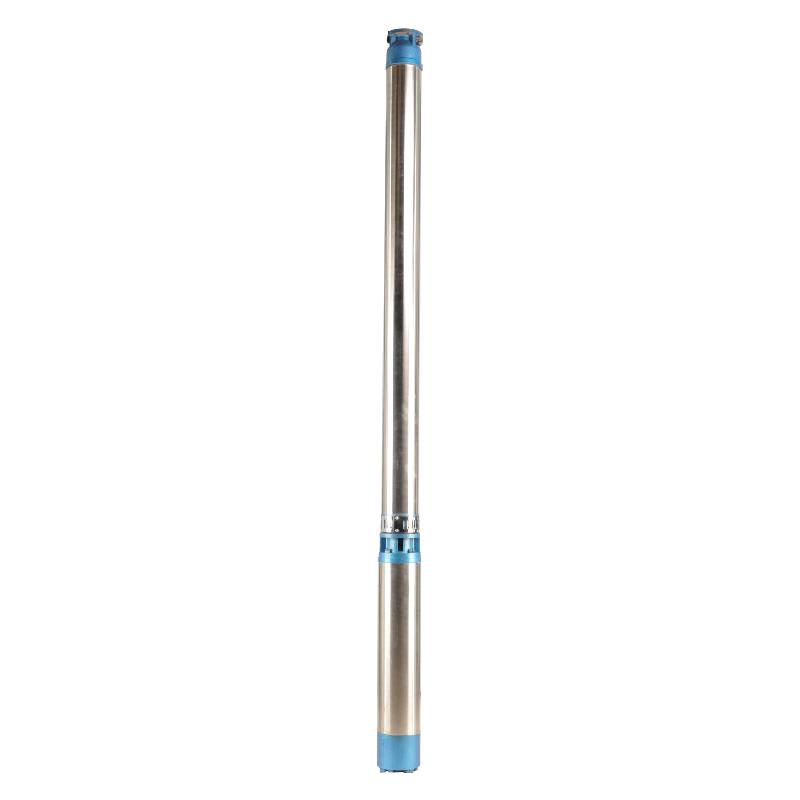
3. Worn Impeller Over time, the impeller can wear out or become damaged, affecting the pump's ability to move water. If you suspect this is the case, remove the pump from the well or sump, and inspect the impeller for any signs of wear or breakage. Replacing the impeller can restore the pump’s functionality.
4. Faulty Check Valve A check valve prevents backflow but may fail, causing water to seep back into the well or sump. If the pump can’t maintain water pressure, it may not lift any water. Inspect and replace the check valve if it is found to be faulty.
5. Air Lock An air lock occurs when air becomes trapped in the pump or discharge line, preventing it from lifting water. To resolve this issue, try priming the pump or ensuring that there are no air pockets in the discharge line. Tilting the pump at a slight angle can often help release trapped air.
6. Electrical Problems Internal electrical issues, such as burned-out motor windings or faulty connections, can also lead to pump failure. If you suspect electrical problems, it may be best to consult with a professional technician for further evaluation.
7. Incorrect Sizing Lastly, ensure that the submersible pump is appropriately sized for the application. A pump that is too small may struggle to lift water from a deeper well, while a pump that is too large can cause excessive pressure and damage to the plumbing system.
Conclusion
When a submersible pump is not lifting water, it can be both troubling and inconvenient. Understanding the potential causes and taking appropriate troubleshooting steps can often resolve the issue without the need for professional assistance. Always start with the basics—check the power supply and look for clogs—before moving on to more complex issues like worn parts or electrical failures. In cases where troubleshooting does not yield results, don’t hesitate to reach out to a qualified technician. Being proactive about maintenance and addressing issues promptly can extend the life of your submersible pump and ensure it operates efficiently when you need it most.
-
Understanding the Price Submersible Pump and Buyer Guide
NewsApr.16,2026
-
Factors Affecting the Price for Submersible Pump a Buyers Guide
NewsApr.09,2026
-
Choosing the Right Mini Submersible Fountain Pump for Optimal Water Feature Performance
NewsApr.07,2026
-
A Detailed Guide to Installing a Submersible Pump for Optimal Performance
NewsApr.04,2026
-
Comprehensive Guide on How to Test a Submersible Water Well Pump Effectively
NewsMar.31,2026
-
Learn How to Replace a Submersible Well Pump Safely and Effectively
NewsMar.28,2026
-
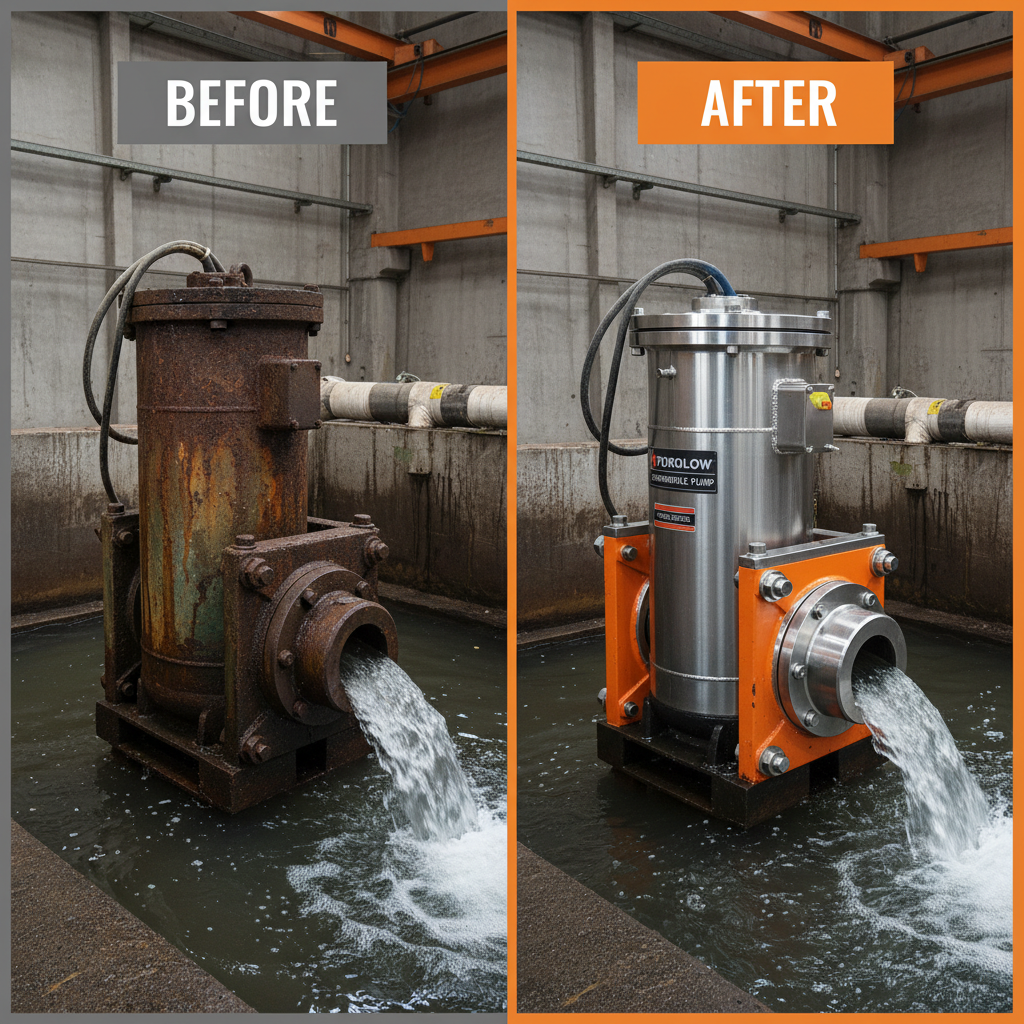 Understanding the Price Submersible Pump and Buyer GuideWhen searching for the ideal water management solution, understanding the price submersible pump options is crucial for balancing budget with performance. Whether you are dealing with a flooded basement, managing agricultural irrigation, or extracting water from a deep well, the cost of a submersible pump can vary significantly based on its build quality and capacity. Investing in a high-quality pump ensures long-term reliability and reduces the frequency of expensive replacements. In this guide, we will break down the factors that influence pricing and help you make an informed decision for your specific needs.Detail
 -
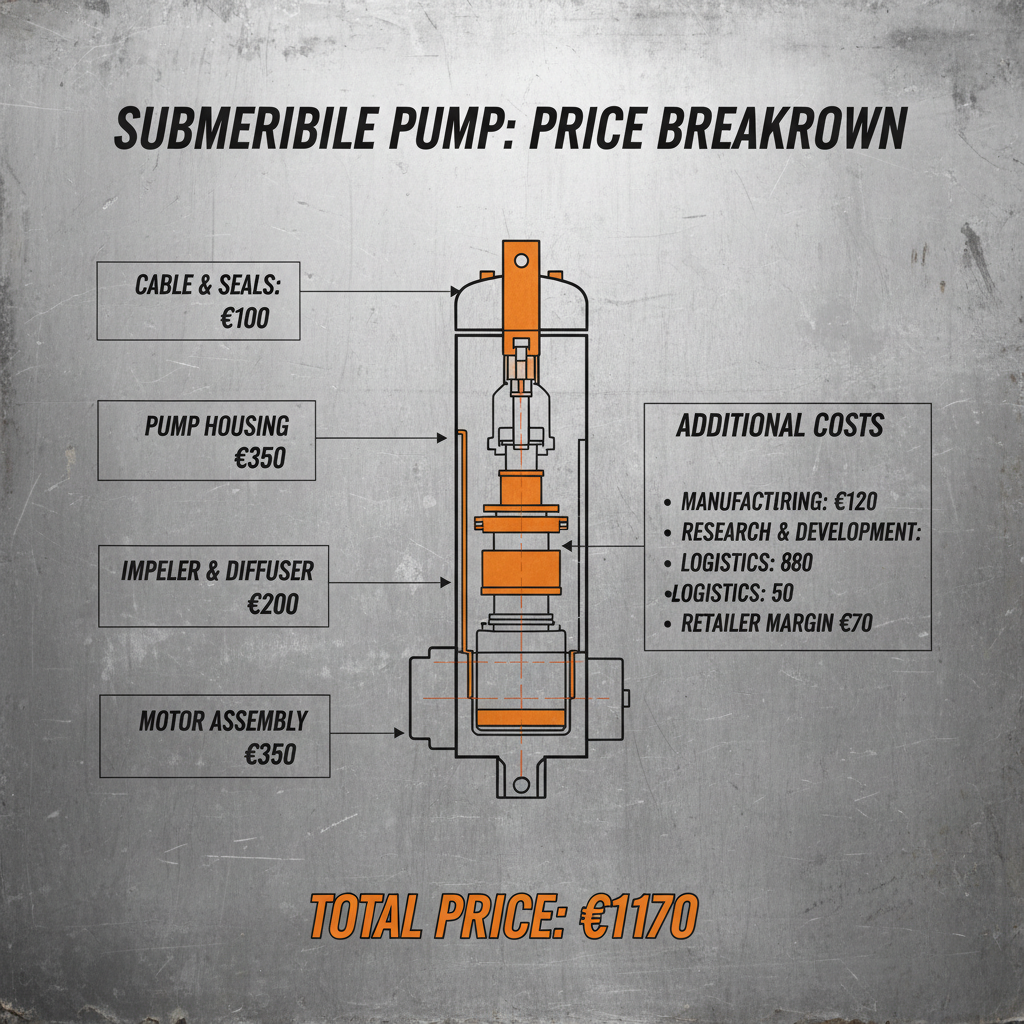 Factors Affecting the Price for Submersible Pump a Buyers GuideWhen investing in water management systems, understanding the price for submersible pump options is essential for balancing performance with budget. Whether you are managing a residential well, an industrial drainage project, or agricultural irrigation, the cost of a pump is rarely a flat fee; it is a reflection of the engineering, materials, and capacity required for your specific environment. In this guide, we will break down the factors that influence pricing and help you determine the best value for your investment to ensure long-term reliability and efficiency.Detail
 -
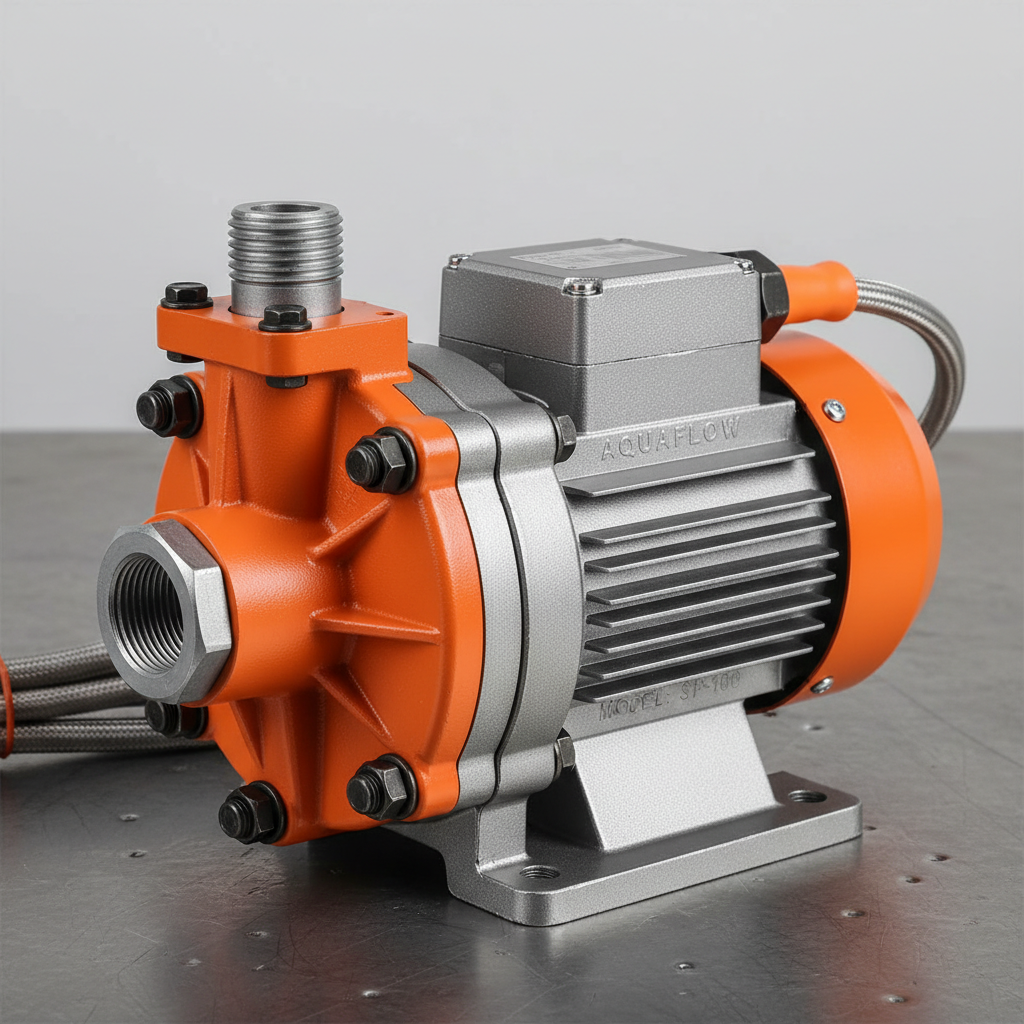 Choosing the Right Mini Submersible Fountain Pump for Optimal Water Feature PerformanceCreating a beautiful and relaxing water feature doesn't have to be complicated. A mini submersible fountain pump is the heart of any indoor or outdoor fountain, and selecting the right one is crucial for optimal performance and longevity. This article will guide you through the key considerations when choosing a mini submersible fountain pump, covering types, features, applications, and how to ensure you get the perfect pump for your project. We’ll also explore how Wellpumpact can provide you with the ideal solution.Detail
 Afrikaans
 Albanian
 Amharic
 Arabic
 Armenian
 Azerbaijani
 Basque
 Belarusian
 Bengali
 Bosnian
 Bulgarian
 Catalan
 Cebuano
 Corsican
 Croatian
 Czech
Czech
 Danish
 Dutch
Dutch
 Esperanto
 Estonian
 Finnish
 French
 Frisian
 Galician
 Georgian
 German
 Greek
Greek
 Gujarati
 Haitian Creole
 Hausa
Hausa
 Hawaiian
 Hebrew
 Hindi
Hindi
 Miao
Miao
 Hungarian
 Icelandic
 Igbo
Igbo
 Indonesian
 Irish
Irish
 Italian
 Japanese
 Javanese
 Kannada
 Kazakh
 Khmer
Khmer
 Rwandese
 Korean
 Kurdish
 Kyrgyz
 Lao
Lao
 Latin
Latin
 Latvian
 Lithuanian
 Luxembourgish
 Macedonian
 Malgashi
 Malay
Malay
 Malayalam
 Maltese
 Maori
Maori
 Marathi
 Mongolian
 Myanmar
 Nepali
 Norwegian
 Norwegian
 Occitan
 Pashto
 Persian
 Polish
 Portuguese
 Punjabi
 Romanian
 Russian
 Samoan
 Scottish Gaelic
 Serbian
 Sesotho
 Shona
Shona
 Sindhi
 Sinhala
 Slovak
 Slovenian
 Somali
 Spanish
 Sundanese
 Swahili
 Swedish
 Tagalog
 Tajik
Tajik
 Tamil
Tamil
 Tatar
Tatar
 Telugu
 Thai
Thai
 Turkish
 Turkmen
 Ukrainian
 Urdu
Urdu
 Uighur
 Uzbek
Uzbek
 Vietnamese
 Welsh
Welsh
 Bantu
Bantu
 Yiddish
 Yoruba
 Zulu
Zulu
 English