
Mar . 17, 2026 02:10 Back to list
Understanding How Submersible Pumps Work A Comprehensive Guide to Functionality
How Do Submersible Pumps Work? A Comprehensive Guide
Submersible pumps are incredibly versatile tools used in a wide range of applications, from draining basements to supplying water to homes. But how do submersible pumps work? Unlike traditional pumps which sit outside the fluid they’re pumping, submersible pumps are designed to operate inside the liquid. This design offers several advantages, including increased efficiency and reduced priming issues. This article will break down the core principles behind these pumps, exploring their components, operation, common uses, and maintenance. Understanding these pumps will empower you to select the right one for your needs and keep it running smoothly.
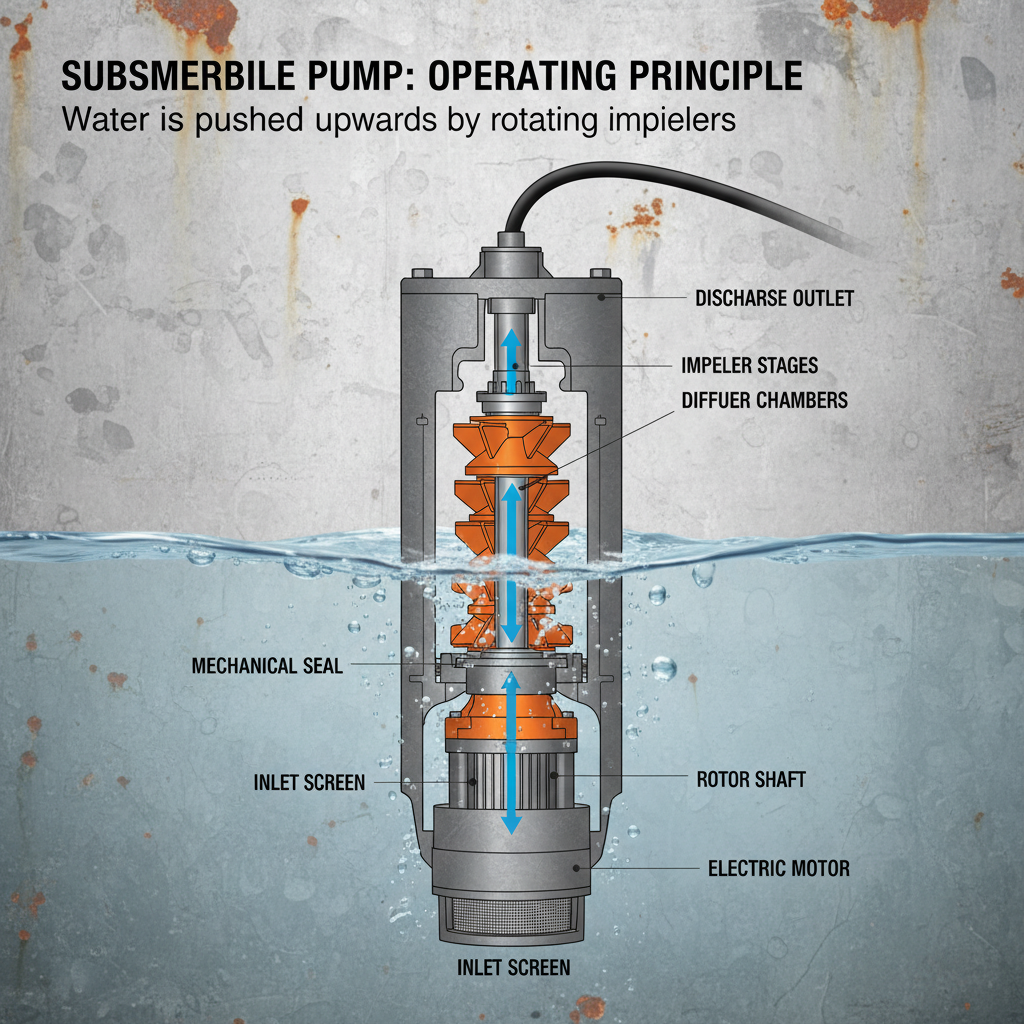
Understanding the Core Components of a Submersible Pump
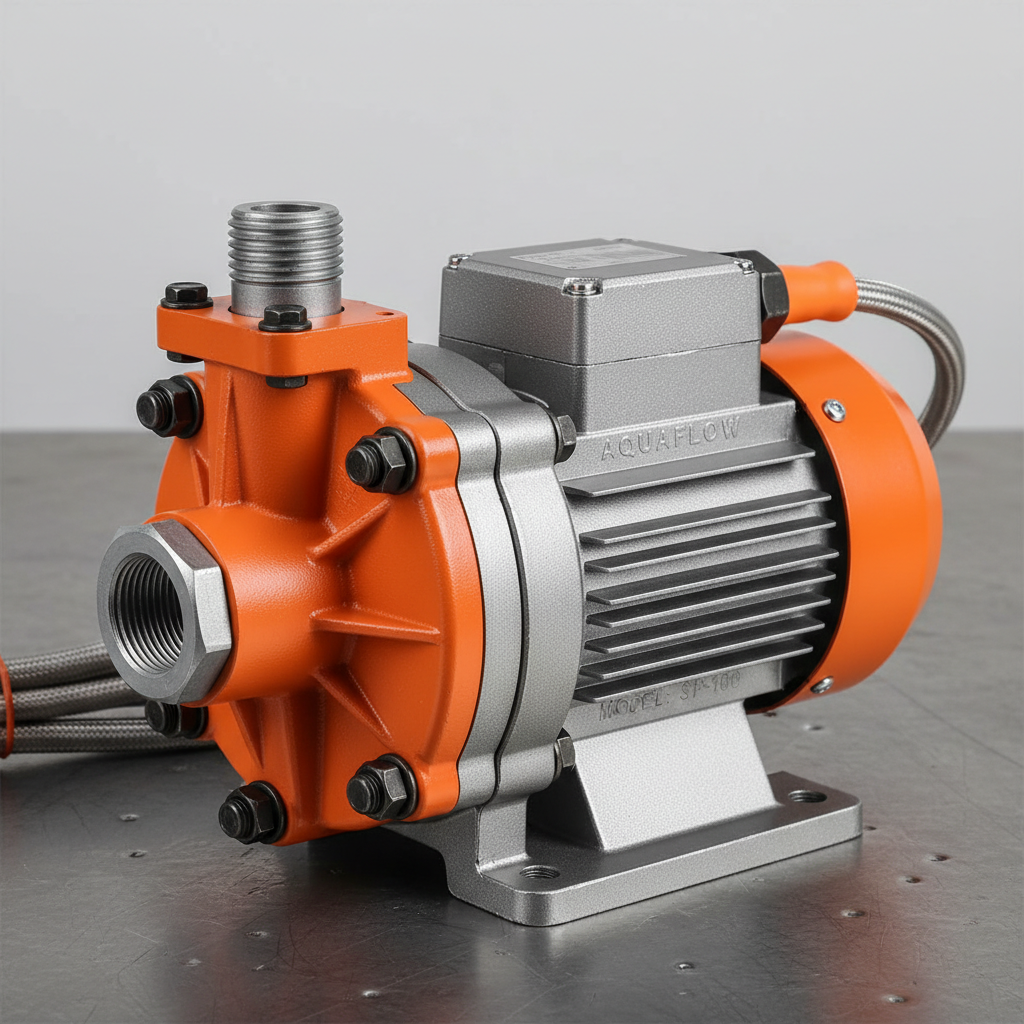
A submersible pump isn’t just one piece of equipment; it's a carefully engineered system. The primary components include the motor, the impeller, the diffuser, a sealed cable, and the pump housing. The motor provides the power to drive the impeller. The impeller, a rotating component with vanes, is responsible for creating the centrifugal force that moves the fluid. The diffuser, positioned around the impeller, converts the velocity energy from the impeller into pressure energy, increasing the fluid’s discharge pressure. A watertight seal around the motor and cable is crucial for preventing electrical shorts. Finally, the robust housing protects all internal components from the pumped liquid and external damage.
Key Components at a Glance: The motor drives the impeller, which moves fluid, while the diffuser converts velocity to pressure. The housing provides protection, and the sealed cable ensures electrical safety.
How Submersible Pumps Generate Pressure and Flow
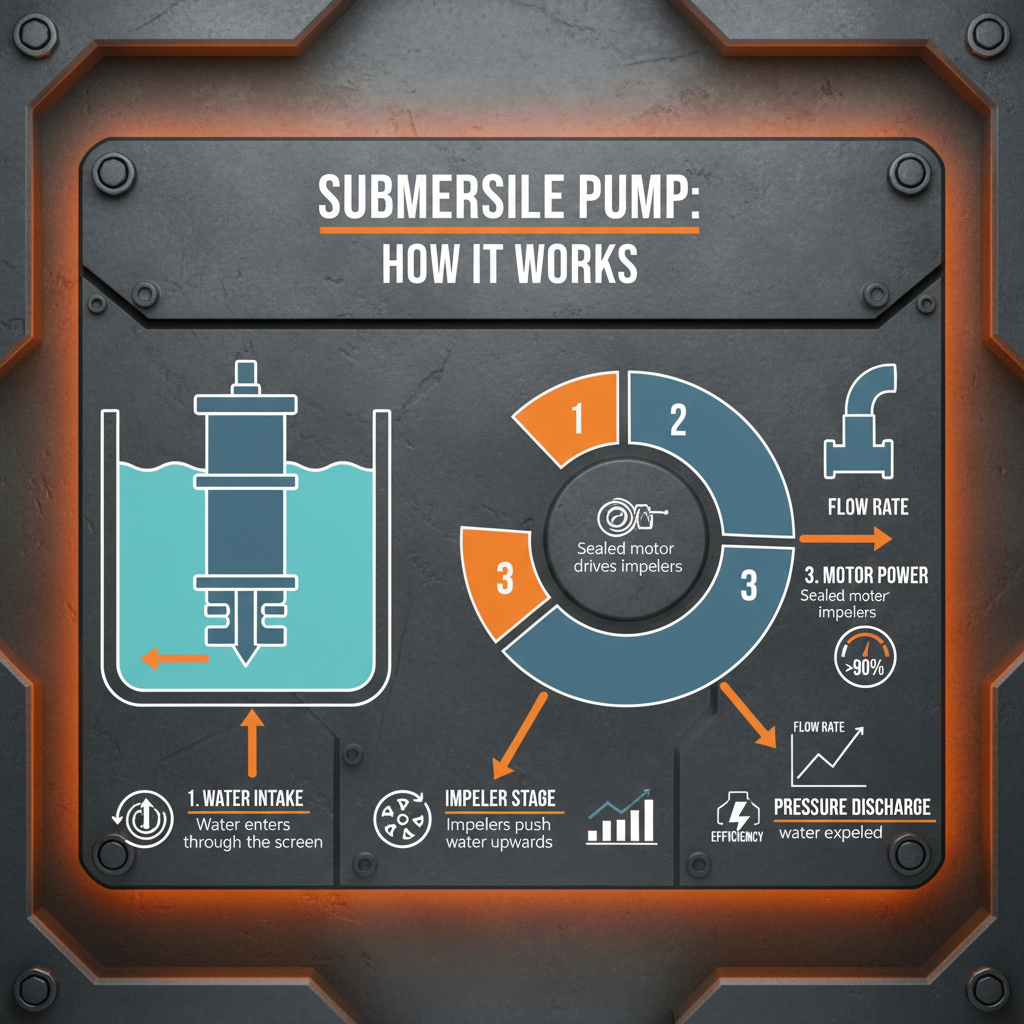
The operation of a submersible pump relies on the principle of centrifugal force. When the motor spins the impeller, it creates a low-pressure zone at the impeller’s eye. This pressure difference draws fluid into the pump. As the impeller rotates, it accelerates the fluid outwards, imparting kinetic energy. This high-velocity fluid then enters the diffuser, where the vanes gradually widen, slowing the fluid down. This deceleration converts the kinetic energy into pressure, resulting in a higher-pressure discharge. The shape and design of the impeller and diffuser are critical in determining the pump’s flow rate and head (discharge pressure).
Centrifugal Force Explained:
• Creates a low-pressure zone to draw in fluid.
• Accelerates the fluid outwards using the impeller.
• Converts velocity into pressure using the diffuser.
Submersible Pumps vs. Traditional Pumps: A Key Comparison
While both submersible and traditional pumps move fluids, their operating principles and advantages differ significantly. Traditional pumps rely on suction to draw liquid into the pump, requiring priming (filling the pump and suction line with liquid). Submersible pumps, being submerged, are self-priming. This eliminates the need for priming and reduces the risk of cavitation (formation of vapor bubbles that can damage the impeller). Furthermore, submersible pumps are generally more efficient, quieter, and less prone to overheating because the liquid surrounding the pump helps with cooling. They also occupy less space, making them ideal for confined areas.
Common Applications of Submersible Pumps
Submersible pumps are incredibly versatile and used in numerous applications. Common uses include draining flooded basements, lifting water from wells for residential use, sewage and wastewater management, dewatering construction sites, and supplying irrigation water for agriculture. Their ability to handle solids makes them ideal for applications involving sludge or debris. Well Pump Act offers a wide range of submersible pumps to meet diverse needs.
Maintenance and Longevity: Keeping Your Submersible Pump Running Smoothly
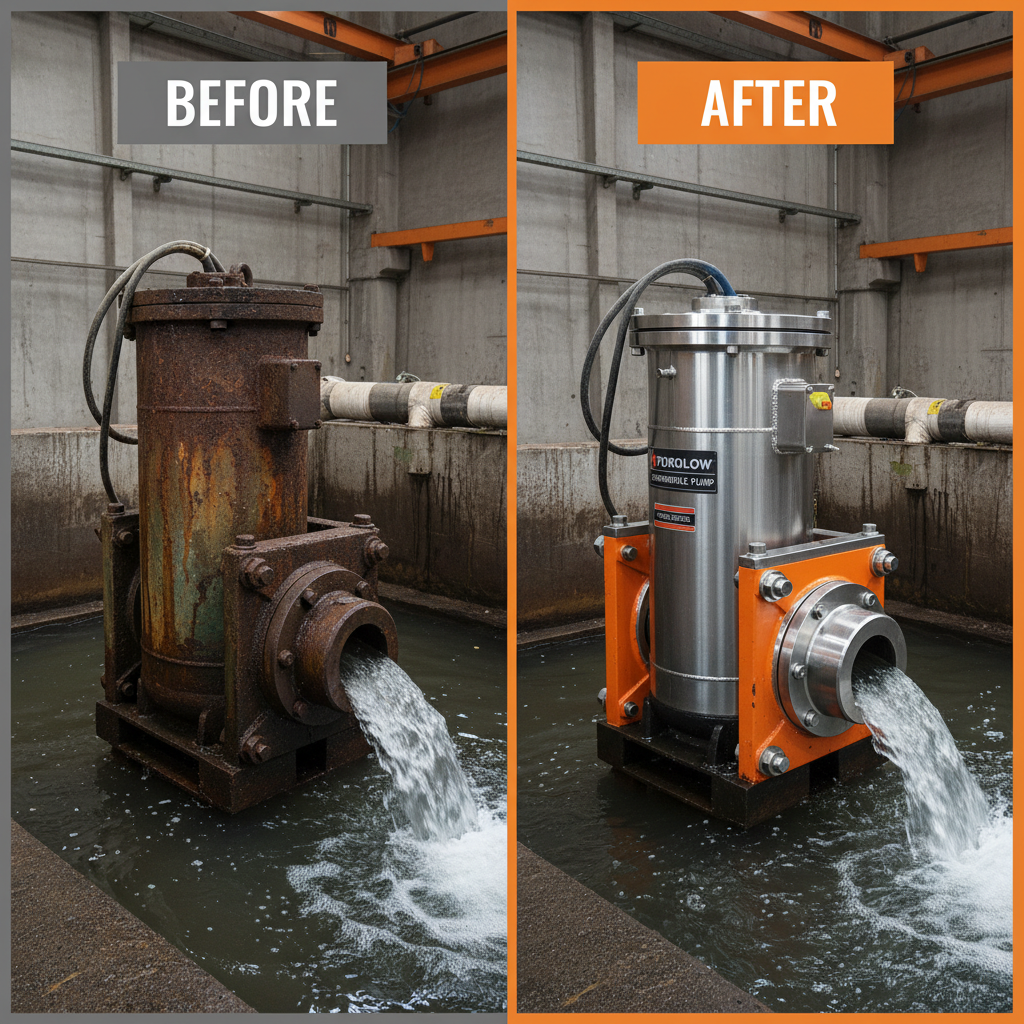
Proper maintenance is crucial for extending the life of your submersible pump. Regularly check for signs of wear and tear, such as leaks, unusual noises, or reduced performance. Clean the pump intake screen to prevent clogging. Inspect the power cable for damage. Avoid running the pump dry, as this can overheat and damage the motor. Consider annual professional inspections to ensure optimal performance and identify potential issues before they become major problems. Choosing a high-quality pump from a reputable supplier like Well Pump Act is the first step to ensuring long-term reliability.
Conclusion: Choosing and Maintaining Your Submersible Pump
Understanding how submersible pumps work empowers you to make informed decisions about selection and maintenance. Investing in a quality pump, like those available at Well Pump Act, and adhering to a regular maintenance schedule will ensure reliable performance for years to come. Don't hesitate to consult with professionals for assistance with installation or repair.
Frequently Asked Questions (FAQs)
What size submersible pump do I need?
Determining the correct pump size depends on several factors, including the flow rate (gallons per minute or GPM) and the total dynamic head (TDH). The TDH is the total vertical distance the pump needs to lift the water, plus friction losses in the pipes. You'll need to calculate your required GPM based on your application and then determine the TDH. Consulting a pump specialist at Well Pump Act can help you accurately assess your needs and select the appropriate pump. Providing details about your application, pipe size, and the vertical lift will allow them to recommend the optimal size.
Can a submersible pump handle solids?
Many submersible pumps are designed to handle solids, but it depends on the pump's impeller type and the size of the solids. Pumps with vortex impellers are particularly effective at handling solids without clogging, as they create a swirling action that pulls solids into the center of the impeller and then out the discharge. Sewage pumps are specifically engineered to handle solids found in wastewater. Always check the pump's specifications to determine the maximum size of solids it can handle before operating.
What is the typical lifespan of a submersible pump?
The lifespan of a submersible pump varies depending on usage, water quality, and maintenance. Generally, a well-maintained submersible pump can last between 5 and 15 years. Factors that can shorten the lifespan include abrasive materials in the water, frequent start-stop cycles, and running the pump dry. Regular inspections and proactive maintenance are key to maximizing the pump’s longevity. Well Pump Act offers repair services to help extend the life of your pump.
What safety precautions should I take when installing a submersible pump?
Safety is paramount when installing a submersible pump. Always disconnect the power supply before working on the pump. Use a properly grounded electrical circuit and ensure the wiring is suitable for submersible applications. Use a safety rope or cable to support the pump during installation and retrieval. Never enter a confined space without proper training and safety equipment. If you are not comfortable with electrical work, it's best to hire a qualified electrician.
-
Understanding the Price Submersible Pump and Buyer Guide
NewsApr.16,2026
-
Factors Affecting the Price for Submersible Pump a Buyers Guide
NewsApr.09,2026
-
Choosing the Right Mini Submersible Fountain Pump for Optimal Water Feature Performance
NewsApr.07,2026
-
A Detailed Guide to Installing a Submersible Pump for Optimal Performance
NewsApr.04,2026
-
Comprehensive Guide on How to Test a Submersible Water Well Pump Effectively
NewsMar.31,2026
-
Learn How to Replace a Submersible Well Pump Safely and Effectively
NewsMar.28,2026
-
 Understanding the Price Submersible Pump and Buyer GuideWhen searching for the ideal water management solution, understanding the price submersible pump options is crucial for balancing budget with performance. Whether you are dealing with a flooded basement, managing agricultural irrigation, or extracting water from a deep well, the cost of a submersible pump can vary significantly based on its build quality and capacity. Investing in a high-quality pump ensures long-term reliability and reduces the frequency of expensive replacements. In this guide, we will break down the factors that influence pricing and help you make an informed decision for your specific needs.Detail
 -
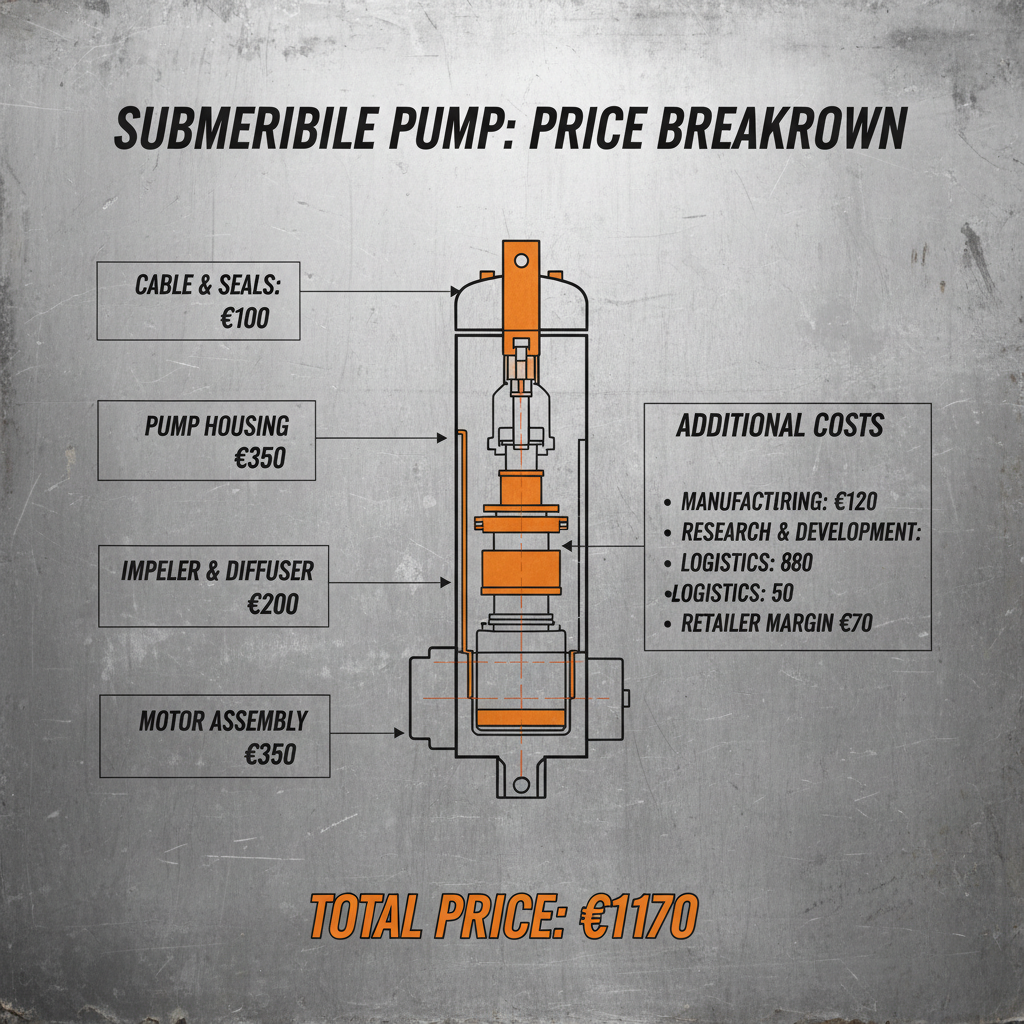 Factors Affecting the Price for Submersible Pump a Buyers GuideWhen investing in water management systems, understanding the price for submersible pump options is essential for balancing performance with budget. Whether you are managing a residential well, an industrial drainage project, or agricultural irrigation, the cost of a pump is rarely a flat fee; it is a reflection of the engineering, materials, and capacity required for your specific environment. In this guide, we will break down the factors that influence pricing and help you determine the best value for your investment to ensure long-term reliability and efficiency.Detail
 -
 Choosing the Right Mini Submersible Fountain Pump for Optimal Water Feature PerformanceCreating a beautiful and relaxing water feature doesn't have to be complicated. A mini submersible fountain pump is the heart of any indoor or outdoor fountain, and selecting the right one is crucial for optimal performance and longevity. This article will guide you through the key considerations when choosing a mini submersible fountain pump, covering types, features, applications, and how to ensure you get the perfect pump for your project. We’ll also explore how Wellpumpact can provide you with the ideal solution.Detail
 Afrikaans
 Albanian
 Amharic
 Arabic
 Armenian
 Azerbaijani
 Basque
 Belarusian
 Bengali
 Bosnian
 Bulgarian
 Catalan
 Cebuano
 Corsican
 Croatian
 Czech
Czech
 Danish
 Dutch
Dutch
 Esperanto
 Estonian
 Finnish
 French
 Frisian
 Galician
 Georgian
 German
 Greek
Greek
 Gujarati
 Haitian Creole
 Hausa
Hausa
 Hawaiian
 Hebrew
 Hindi
Hindi
 Miao
Miao
 Hungarian
 Icelandic
 Igbo
Igbo
 Indonesian
 Irish
Irish
 Italian
 Japanese
 Javanese
 Kannada
 Kazakh
 Khmer
Khmer
 Rwandese
 Korean
 Kurdish
 Kyrgyz
 Lao
Lao
 Latin
Latin
 Latvian
 Lithuanian
 Luxembourgish
 Macedonian
 Malgashi
 Malay
Malay
 Malayalam
 Maltese
 Maori
Maori
 Marathi
 Mongolian
 Myanmar
 Nepali
 Norwegian
 Norwegian
 Occitan
 Pashto
 Persian
 Polish
 Portuguese
 Punjabi
 Romanian
 Russian
 Samoan
 Scottish Gaelic
 Serbian
 Sesotho
 Shona
Shona
 Sindhi
 Sinhala
 Slovak
 Slovenian
 Somali
 Spanish
 Sundanese
 Swahili
 Swedish
 Tagalog
 Tajik
Tajik
 Tamil
Tamil
 Tatar
Tatar
 Telugu
 Thai
Thai
 Turkish
 Turkmen
 Ukrainian
 Urdu
Urdu
 Uighur
 Uzbek
Uzbek
 Vietnamese
 Welsh
Welsh
 Bantu
Bantu
 Yiddish
 Yoruba
 Zulu
Zulu
 English