
Aug . 01, 2024 06:06 Back to list
Understanding the Expenses Involved in Submersible Pump Boring for Your Project Needs
Understanding Submersible Pump Boring Costs
Submersible pumps are vital components in various water extraction and management systems, especially in agriculture, municipal water supply, and industrial applications. The installation of a submersible pump often involves boring a well or borehole, which can represent a significant portion of the overall cost. Understanding the various factors influencing submersible pump boring costs is crucial for anyone considering this investment.
What is a Submersible Pump?
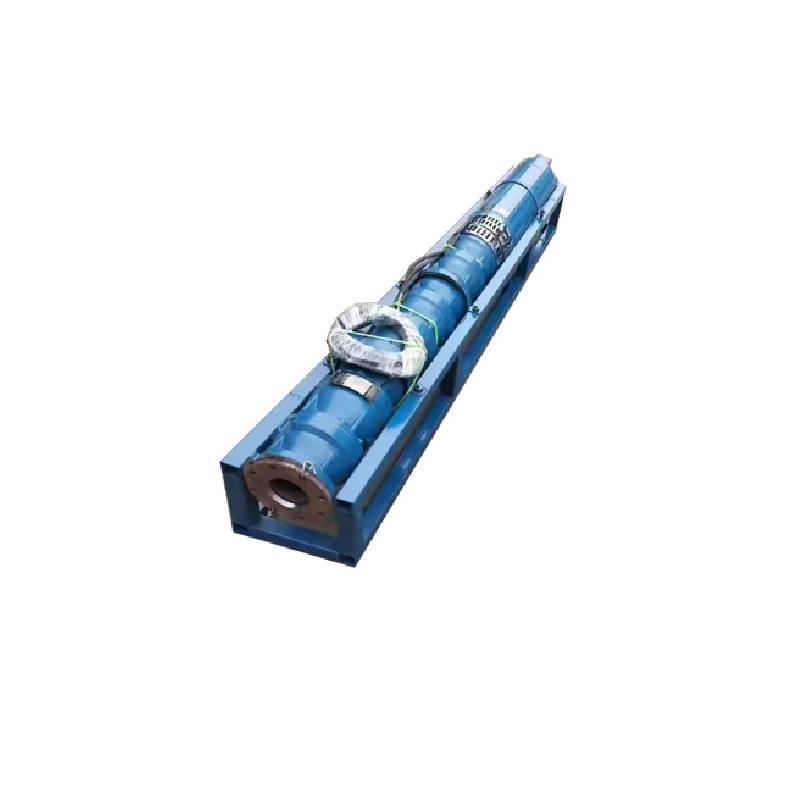
A submersible pump is designed to be submerged in water. It consists of a pump and motor that are integrated into a single unit, typically housed in a waterproof casing. These pumps are highly efficient, capable of moving large volumes of water from deep underground to the surface. They are commonly used in residential wells, deep aquifers, and irrigation systems.
Cost Breakdown of Boring
Boring costs for submersible pump installation encompass several factors, including labor, equipment, materials, and site conditions. Here’s a closer look at these components
1. Labor Costs The complexity of the job often determines labor costs. Experienced professionals are needed for boring operations, which can command higher wages. The labor cost can also fluctuate based on the region and demand for skilled workers.
2. Equipment Rental Specialized equipment, such as drilling rigs and borehole casings, is required for the installation of a submersible pump. Renting this equipment can significantly contribute to the total cost. Additionally, if the project requires advanced technology, such as rotary drilling or hydraulic fracturing, expenses can escalate further.
submersible pump boring cost
3. Materials The type of materials used in the boring process also plays a crucial role in total costs. This includes the casing material, drilling fluid, and any additional items needed for installation. Higher-quality materials can increase durability and performance but also add to the initial expenditure.
4. Site Conditions The geological characteristics of the site can greatly impact boring costs. For instance, drilling through rocky substrates is more challenging and expensive than boring through soil or sand. Moreover, the depth of the borehole itself is a crucial factor; deeper wells require more labor, more time, and more resources to complete.
5. Permits and Regulations Local regulations may necessitate permits for drilling activities, which can incur additional fees. It's essential to research and adhere to these requirements to avoid fines or project delays.
6. Post-Installation Costs After the boring is completed, additional costs may arise from installation and connection to existing water systems. This includes the cost of wiring, additional piping, and any necessary fittings for the submersible pump.
Average Costs
While costs can vary greatly depending on the factors mentioned above, a general range for boring a well for a submersible pump is between $15 to $30 per foot. This does not include the cost of the pump itself, which can range from a few hundred to several thousand dollars based on capacity and quality. Therefore, a complete installation can easily run into several thousand dollars, especially for deep boreholes.
Conclusion
The costs associated with boring for a submersible pump are influenced by a myriad of factors that should be carefully considered when planning a project. Understanding these parameters can facilitate better budgeting and decision-making. Prospective users should conduct thorough research, obtain multiple quotes, and engage qualified professionals to ensure a successful and cost-effective installation of submersible pumps. Investing the time to analyze these costs can lead to better long-term outcomes in water management solutions.
-
Submersible Water Pump: The Efficient 'Power Pioneer' of the Underwater World
NewsJul.01,2025
-
Submersible Pond Pump: The Hidden Guardian of Water Landscape Ecology
NewsJul.01,2025
-
Stainless Well Pump: A Reliable and Durable Pumping Main Force
NewsJul.01,2025
-
Stainless Steel Submersible Pump: An Efficient and Versatile Tool for Underwater Operations
NewsJul.01,2025
-
Deep Well Submersible Pump: An Efficient 'Sucker' of Groundwater Sources
NewsJul.01,2025
-
Deep Water Well Pump: An Efficient 'Sucker' of Groundwater Sources
NewsJul.01,2025
-
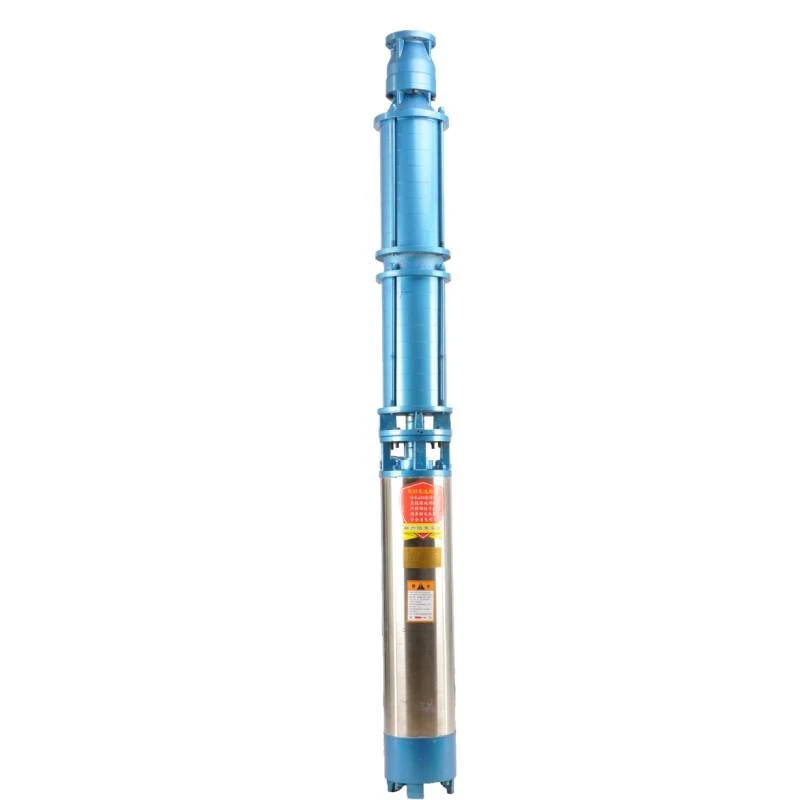 Submersible Water Pump: The Efficient 'Power Pioneer' of the Underwater WorldIn the field of hydraulic equipment, the Submersible Water Pump has become the core equipment for underwater operations and water resource transportation due to its unique design and excellent performance.Detail
 -
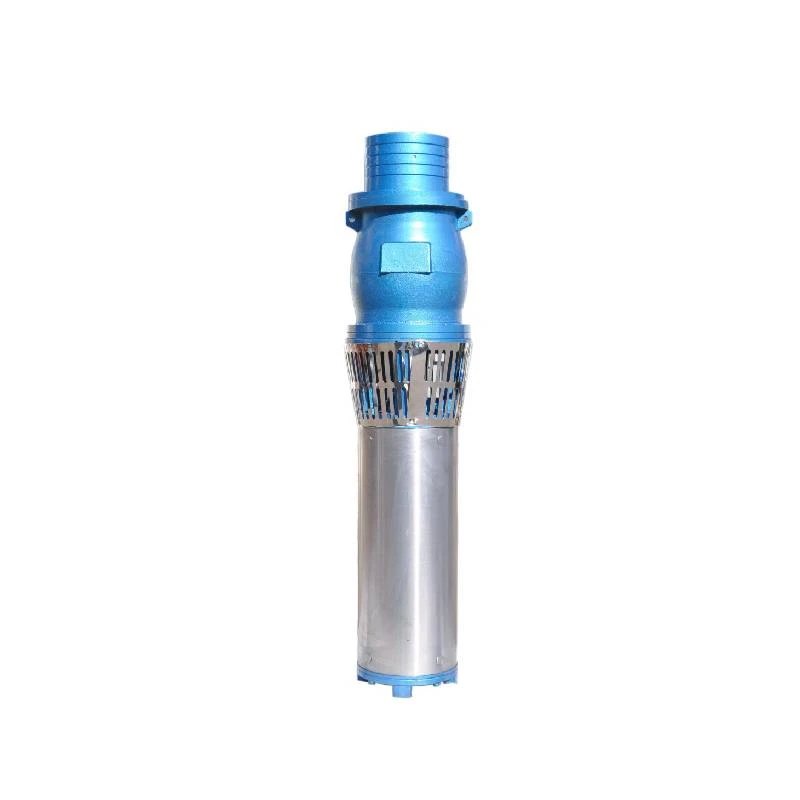 Submersible Pond Pump: The Hidden Guardian of Water Landscape EcologyIn courtyard landscapes, ecological ponds, and even small-scale water conservancy projects, there is a silent yet indispensable equipment - the Submersible Pond Pump.Detail
 -
 Stainless Well Pump: A Reliable and Durable Pumping Main ForceIn the field of water resource transportation, Stainless Well Pump has become the core equipment for various pumping scenarios with its excellent performance and reliable quality.Detail
 English
  Afrikaans
  Albanian
  Amharic
  Arabic
  Armenian
  Azerbaijani
  Basque
  Belarusian
  Bengali
  Bosnian
  Bulgarian
  Catalan
  Cebuano
  Corsican
  Croatian
  Czech
Czech  Danish
  Dutch
Dutch  Esperanto
  Estonian
  Finnish
  French
  Frisian
  Galician
  Georgian
  German
  Greek
Greek  Gujarati
  Haitian Creole
  Hausa
Hausa  Hawaiian
  Hebrew
  Hindi
Hindi  Miao
Miao  Hungarian
  Icelandic
  Igbo
Igbo  Indonesian
  Irish
Irish  Italian
  Japanese
  Javanese
  Kannada
  Kazakh
  Khmer
Khmer  Rwandese
  Korean
  Kurdish
  Kyrgyz
  Lao
Lao  Latin
Latin  Latvian
  Lithuanian
  Luxembourgish
  Macedonian
  Malgashi
  Malay
Malay  Malayalam
  Maltese
  Maori
Maori  Marathi
  Mongolian
  Myanmar
  Nepali
  Norwegian
  Norwegian
  Occitan
  Pashto
  Persian
  Polish
  Portuguese
  Punjabi
  Romanian
  Russian
  Samoan
  Scottish Gaelic
  Serbian
  Sesotho
  Shona
Shona  Sindhi
  Sinhala
  Slovak
  Slovenian
  Somali
  Spanish
  Sundanese
  Swahili
  Swedish
  Tagalog
  Tajik
Tajik  Tamil
Tamil  Tatar
Tatar  Telugu
  Thai
Thai  Turkish
  Turkmen
  Ukrainian
  Urdu
Urdu  Uighur
  Uzbek
Uzbek  Vietnamese
  Welsh
Welsh  Bantu
Bantu  Yiddish
  Yoruba
  Zulu
Zulu