
Dec . 09, 2024 17:46 Back to list
High Efficiency Waterproof Pump for All Your Water Transfer Needs
Understanding Waterproof Pumps Features, Benefits, and Applications
Waterproof pumps play an essential role in various sectors, including agriculture, construction, and industrial applications. These pumps are designed to function efficiently even in water-logged conditions or submerged environments. Their primary purpose is to transfer or move water and other fluids without the risk of malfunction or damage due to moisture. This article aims to delve into the features, benefits, and applications of waterproof pumps to highlight their significance in contemporary industries.
Features of Waterproof Pumps
1. Sealed Design One of the most critical features of waterproof pumps is their sealed construction. This design prevents water from entering the internal components, safeguarding the motor and electrical connections. High-quality seals and gaskets are utilized to enhance their waterproof capabilities.
2. Durable Materials Waterproof pumps are typically constructed from robust materials resistant to corrosion and wear. Stainless steel, high-quality plastics, and other composite materials are often used, ensuring longevity and reliability even in harsh environments.
3. Submersible Capability Many waterproof pumps are designed to operate efficiently when fully submerged in water. This submersible functionality allows them to remove water from deep wells or flooded areas, making them invaluable for drainage and dewatering applications.
4. Variable Flow Rates Waterproof pumps come with adjustable flow rates, allowing users to customize the amount of fluid being pumped based on their specific needs. This flexibility is essential in applications requiring precise control over fluid movement.
5. Energy Efficiency Modern waterproof pumps are engineered to be energy-efficient, consuming less power while delivering optimal performance. This energy efficiency translates to lower operational costs, making them an economically viable option for various applications.
Benefits of Waterproof Pumps
1. Versatility Waterproof pumps can be used in a wide range of applications, including agriculture for irrigation, construction for dewatering, and industrial processes for liquid transfer. Their adaptability makes them a valuable asset in multiple industries.
2. Reliability The robust design and high-quality materials used in waterproof pumps ensure that they can withstand extreme conditions without failing. This reliability is crucial in situations where water management is vital, such as during heavy rainfall or flooding.
waterproof pump
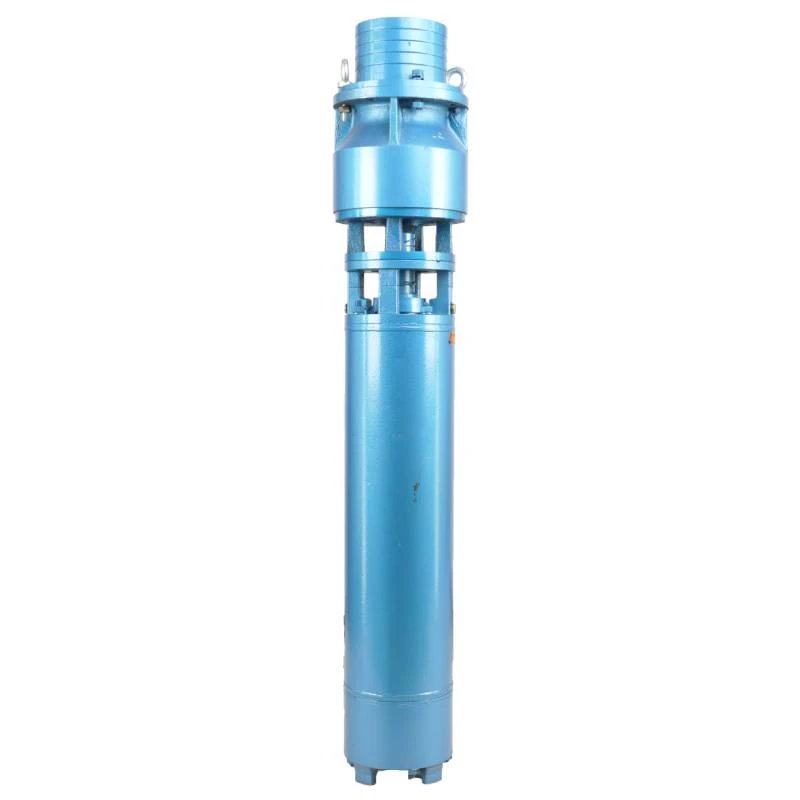
3. Safety Using waterproof pumps minimizes the risk of electrical hazards associated with water and electrical components. The sealed nature of these pumps ensures that users can operate them safely under wet conditions.
4. Cost-Effectiveness By preventing damage and reducing the need for repairs or replacements, waterproof pumps save businesses money in the long run. Their energy efficiency also results in lower utility bills, further enhancing their cost-effectiveness.
5. Maintenance-Free Operation Many waterproof pumps are designed for low-maintenance operation, requiring minimal intervention over time. This feature allows operators to focus on other critical aspects of their operations rather than constant pump upkeep.
Applications of Waterproof Pumps
Waterproof pumps have a multitude of applications across various fields
- Agriculture Farmers use waterproof pumps for irrigation, transferring water efficiently from sources like rivers and ponds to fields, ensuring optimal crop growth, even in challenging weather conditions. - Construction In construction sites, waterproof pumps are essential for dewatering excavations and managing groundwater levels, enabling safe and efficient work environments.
- Industrial Factories and processing plants utilize waterproof pumps to transfer liquids in their processes, ensuring that operations can continue smoothly under wet conditions.
- Flood Management During floods, waterproof pumps are essential for draining excess water from streets and properties, mitigating damage and reducing recovery times.
Conclusion
Waterproof pumps are integral to modern water management practices. Their sealed design, durable materials, and versatile applications make them indispensable in various sectors. By investing in high-quality waterproof pumps, businesses can ensure reliable performance, enhance safety, and reduce long-term operational costs. As industries continue to evolve, the demand for innovative solutions like waterproof pumps will undoubtedly grow, underscoring their significance in our daily lives.
-
Submersible Water Pump: The Efficient 'Power Pioneer' of the Underwater World
NewsJul.01,2025
-
Submersible Pond Pump: The Hidden Guardian of Water Landscape Ecology
NewsJul.01,2025
-
Stainless Well Pump: A Reliable and Durable Pumping Main Force
NewsJul.01,2025
-
Stainless Steel Submersible Pump: An Efficient and Versatile Tool for Underwater Operations
NewsJul.01,2025
-
Deep Well Submersible Pump: An Efficient 'Sucker' of Groundwater Sources
NewsJul.01,2025
-
Deep Water Well Pump: An Efficient 'Sucker' of Groundwater Sources
NewsJul.01,2025
-
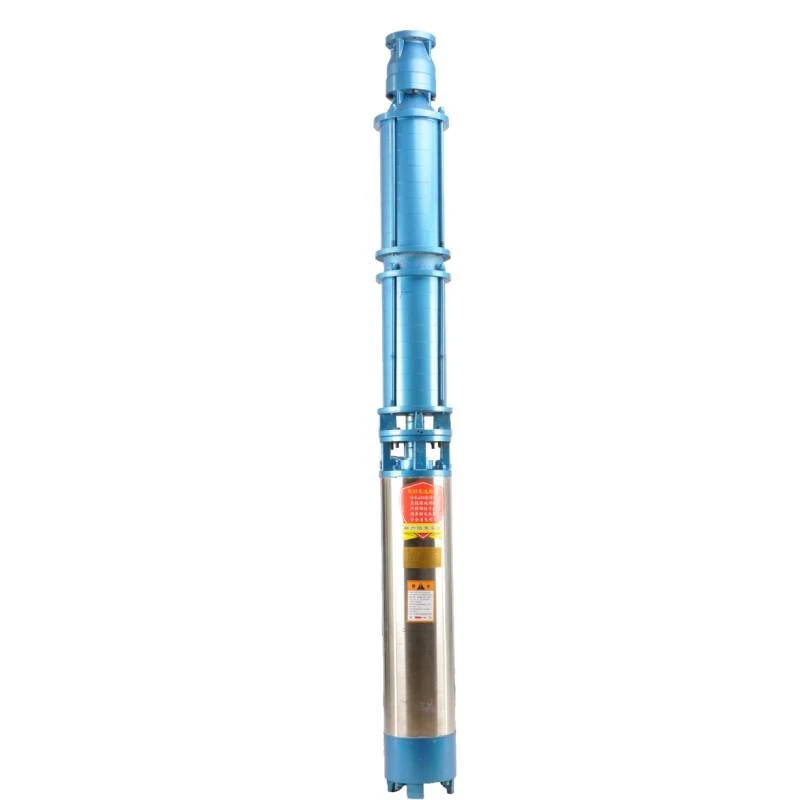 Submersible Water Pump: The Efficient 'Power Pioneer' of the Underwater WorldIn the field of hydraulic equipment, the Submersible Water Pump has become the core equipment for underwater operations and water resource transportation due to its unique design and excellent performance.Detail
 -
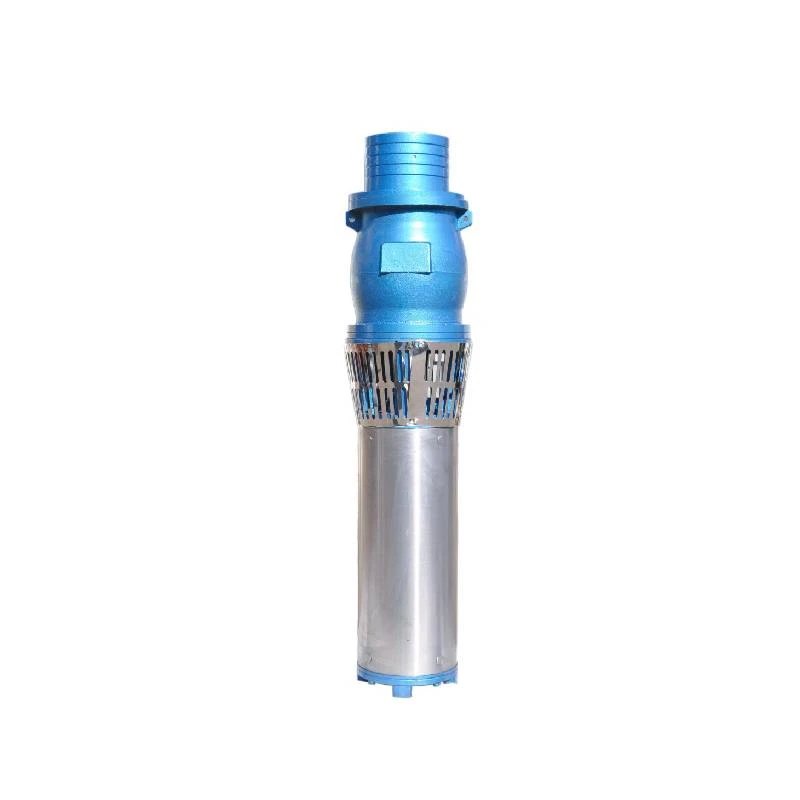 Submersible Pond Pump: The Hidden Guardian of Water Landscape EcologyIn courtyard landscapes, ecological ponds, and even small-scale water conservancy projects, there is a silent yet indispensable equipment - the Submersible Pond Pump.Detail
 -
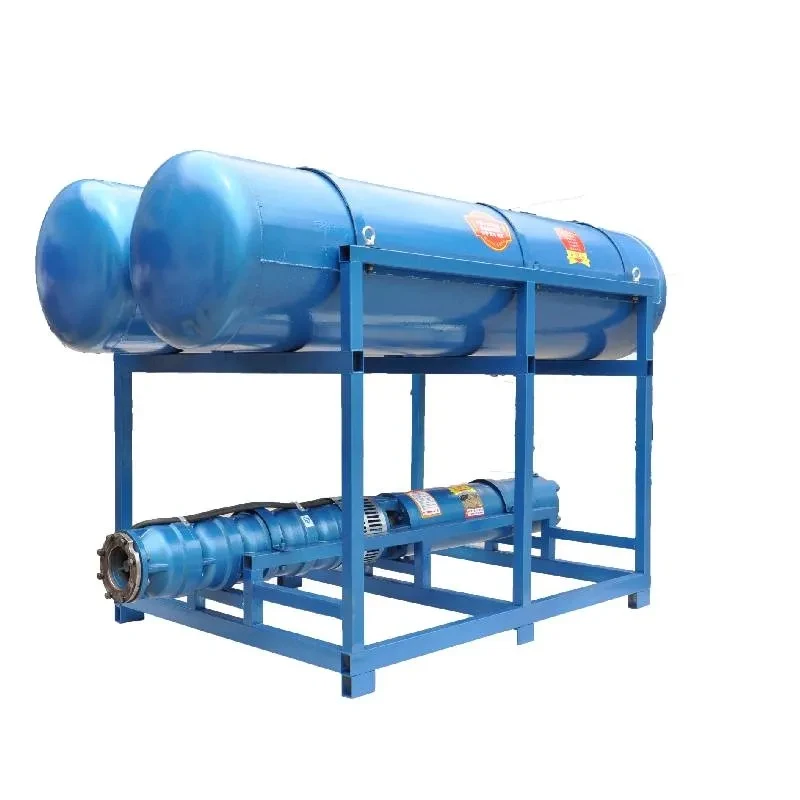 Stainless Well Pump: A Reliable and Durable Pumping Main ForceIn the field of water resource transportation, Stainless Well Pump has become the core equipment for various pumping scenarios with its excellent performance and reliable quality.Detail
 English
  Afrikaans
  Albanian
  Amharic
  Arabic
  Armenian
  Azerbaijani
  Basque
  Belarusian
  Bengali
  Bosnian
  Bulgarian
  Catalan
  Cebuano
  Corsican
  Croatian
  Czech
Czech  Danish
  Dutch
Dutch  Esperanto
  Estonian
  Finnish
  French
  Frisian
  Galician
  Georgian
  German
  Greek
Greek  Gujarati
  Haitian Creole
  Hausa
Hausa  Hawaiian
  Hebrew
  Hindi
Hindi  Miao
Miao  Hungarian
  Icelandic
  Igbo
Igbo  Indonesian
  Irish
Irish  Italian
  Japanese
  Javanese
  Kannada
  Kazakh
  Khmer
Khmer  Rwandese
  Korean
  Kurdish
  Kyrgyz
  Lao
Lao  Latin
Latin  Latvian
  Lithuanian
  Luxembourgish
  Macedonian
  Malgashi
  Malay
Malay  Malayalam
  Maltese
  Maori
Maori  Marathi
  Mongolian
  Myanmar
  Nepali
  Norwegian
  Norwegian
  Occitan
  Pashto
  Persian
  Polish
  Portuguese
  Punjabi
  Romanian
  Russian
  Samoan
  Scottish Gaelic
  Serbian
  Sesotho
  Shona
Shona  Sindhi
  Sinhala
  Slovak
  Slovenian
  Somali
  Spanish
  Sundanese
  Swahili
  Swedish
  Tagalog
  Tajik
Tajik  Tamil
Tamil  Tatar
Tatar  Telugu
  Thai
Thai  Turkish
  Turkmen
  Ukrainian
  Urdu
Urdu  Uighur
  Uzbek
Uzbek  Vietnamese
  Welsh
Welsh  Bantu
Bantu  Yiddish
  Yoruba
  Zulu
Zulu