
Dec . 10, 2024 13:00 Back to list
what is the difference between submersible pump and centrifugal pump
Understanding the Difference Between Submersible Pumps and Centrifugal Pumps
When it comes to selecting the appropriate pump for a specific application, understanding the fundamental differences between various types of pumps is essential. Two commonly used types are submersible pumps and centrifugal pumps. Each pump has its own unique design, application, and operational principles that make it suitable for specific tasks. This article aims to explore the differences between these two types of pumps in detail.
What is a Submersible Pump?
A submersible pump is designed to be submerged in the fluid it is pumping. This type of pump is commonly used in applications where the fluid source is below ground level, such as boreholes, deep wells, and sewage systems. The design of submersible pumps typically includes a hermetically sealed motor that prevents water from entering and damaging the electrical components. The motor and pump are often enclosed in a single unit, making them compact.
Submersible pumps operate on the principle of converting rotational energy from the motor into kinetic energy in the fluid, creating flow. These pumps are particularly efficient in moving large volumes of water or other fluids over significant distances, and their design helps to reduce the risk of cavitation, which can damage pump components.
What is a Centrifugal Pump?
Centrifugal pumps, on the other hand, are characterized by their use of rotational kinetic energy to create flow. These pumps consist of an impeller that rotates within a housing. When the impeller spins, it imparts velocity to the fluid, converting kinetic energy into pressure as the fluid is pushed outwards through the pump’s volute.
Centrifugal pumps are versatile and come in various designs, including horizontal and vertical configurations. They are commonly used in a wide array of applications, including industrial processes, water supply and distribution, wastewater treatment, and irrigation systems. Unlike submersible pumps, centrifugal pumps are typically installed above the fluid level, necessitating a suction line to draw the fluid into the pump.
what is the difference between submersible pump and centrifugal pump

Key Differences
1. Installation and Operation One of the most noticeable differences is the installation method. Submersible pumps are submerged within the fluid they pump, while centrifugal pumps are usually installed above the liquid level. This distinction leads to differences in how these pumps operate, with submersible pumps being less prone to issues related to suction lift.
2. Efficiency in Fluid Types Submersible pumps are generally more efficient for pumping large volumes of water from deep sources, such as wells. In contrast, centrifugal pumps excel in applications requiring a steady and continuous flow of fluids with low viscosity, making them ideal for various industrial applications.
3. Design and Maintenance Submersible pumps require robust seals and are designed to withstand prolonged exposure to water. Their maintenance can be more challenging since they are often located underwater. Centrifugal pumps, however, are easier to access for maintenance, and since they are not submerged, they typically have less exposure to corrosive fluids.
4. Cost The cost associated with these pumps can also vary significantly. Submersible pumps generally have a higher upfront cost due to their specialized design and components. On the other hand, centrifugal pumps may involve lower initial investment but can incur higher operational and maintenance costs depending on the application.
Conclusion
In summary, while both submersible pumps and centrifugal pumps serve the primary function of moving fluids, they do so in distinct ways that make them suitable for different applications. Understanding their unique characteristics, advantages, and limitations is crucial in ensuring the right choice for any pumping requirement. Whether you are dealing with deep water wells or a sewer system, the decision between a submersible pump and a centrifugal pump can greatly influence the efficiency and effectiveness of your application.
-
Water Pumps: Solutions for Every Need
NewsJul.30,2025
-
Submersible Well Pumps: Reliable Water Solutions
NewsJul.30,2025
-
Stainless Steel Water Pumps: Quality and Durability
NewsJul.30,2025
-
Powerful Water Pumps: Your Solution for Efficient Water Management
NewsJul.30,2025
-
Oil vs Water Filled Submersible Pumps: Which is Better?
NewsJul.30,2025
-
Deep Well Pumps: Power and Reliability
NewsJul.30,2025
-
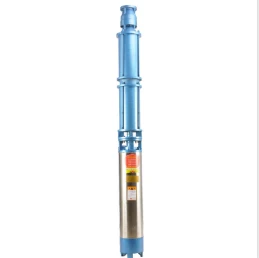 Water Pumps: Solutions for Every NeedWhen it comes to handling dirty water, the dirty water pump is a must-have.Detail
 -
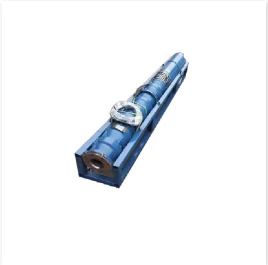 Submersible Well Pumps: Reliable Water SolutionsWhen it comes to ensuring a reliable water supply, submersible well pumps are a top choice.Detail
 -
 Stainless Steel Water Pumps: Quality and DurabilityWhen it comes to choosing a water pump, the stainless steel water pump price is a crucial factor.Detail
 English
  Afrikaans
  Albanian
  Amharic
  Arabic
  Armenian
  Azerbaijani
  Basque
  Belarusian
  Bengali
  Bosnian
  Bulgarian
  Catalan
  Cebuano
  Corsican
  Croatian
  Czech
Czech  Danish
  Dutch
Dutch  Esperanto
  Estonian
  Finnish
  French
  Frisian
  Galician
  Georgian
  German
  Greek
Greek  Gujarati
  Haitian Creole
  Hausa
Hausa  Hawaiian
  Hebrew
  Hindi
Hindi  Miao
Miao  Hungarian
  Icelandic
  Igbo
Igbo  Indonesian
  Irish
Irish  Italian
  Japanese
  Javanese
  Kannada
  Kazakh
  Khmer
Khmer  Rwandese
  Korean
  Kurdish
  Kyrgyz
  Lao
Lao  Latin
Latin  Latvian
  Lithuanian
  Luxembourgish
  Macedonian
  Malgashi
  Malay
Malay  Malayalam
  Maltese
  Maori
Maori  Marathi
  Mongolian
  Myanmar
  Nepali
  Norwegian
  Norwegian
  Occitan
  Pashto
  Persian
  Polish
  Portuguese
  Punjabi
  Romanian
  Russian
  Samoan
  Scottish Gaelic
  Serbian
  Sesotho
  Shona
Shona  Sindhi
  Sinhala
  Slovak
  Slovenian
  Somali
  Spanish
  Sundanese
  Swahili
  Swedish
  Tagalog
  Tajik
Tajik  Tamil
Tamil  Tatar
Tatar  Telugu
  Thai
Thai  Turkish
  Turkmen
  Ukrainian
  Urdu
Urdu  Uighur
  Uzbek
Uzbek  Vietnamese
  Welsh
Welsh  Bantu
Bantu  Yiddish
  Yoruba
  Zulu
Zulu