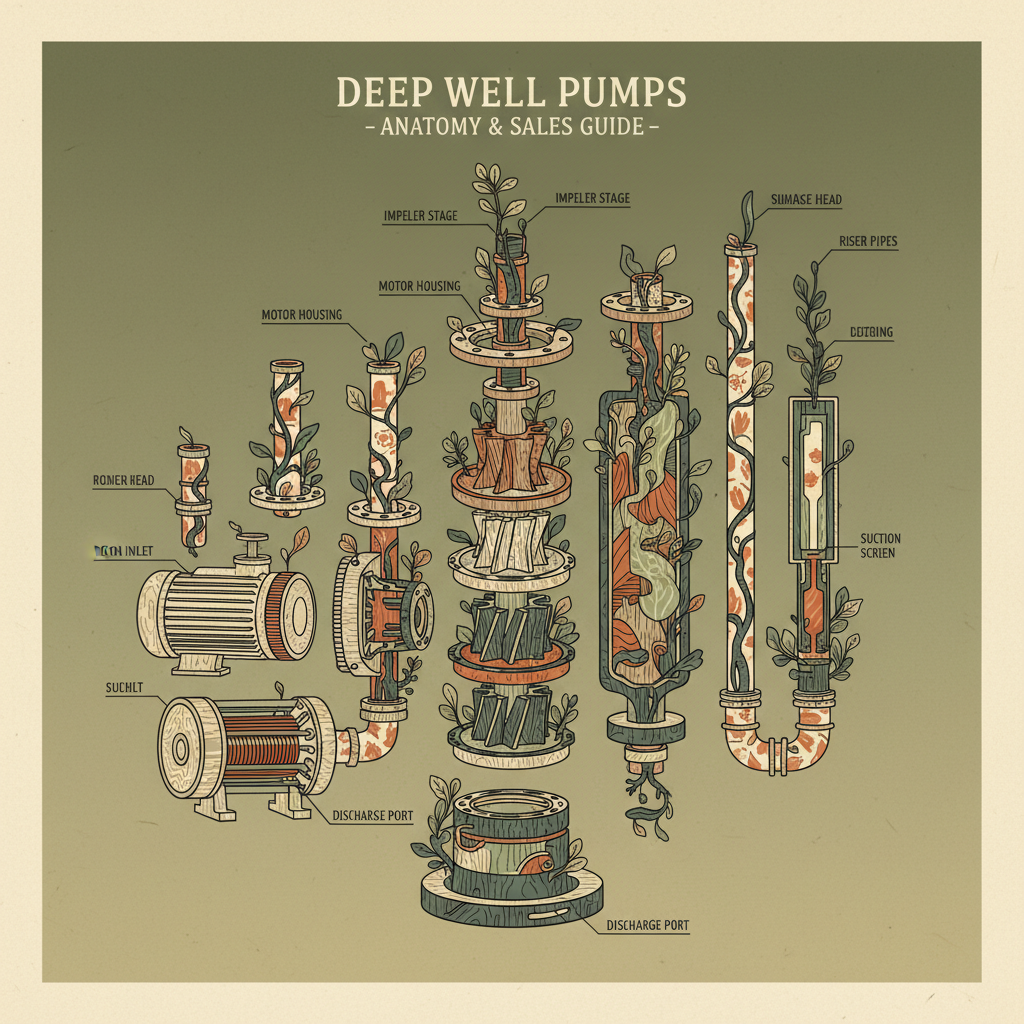
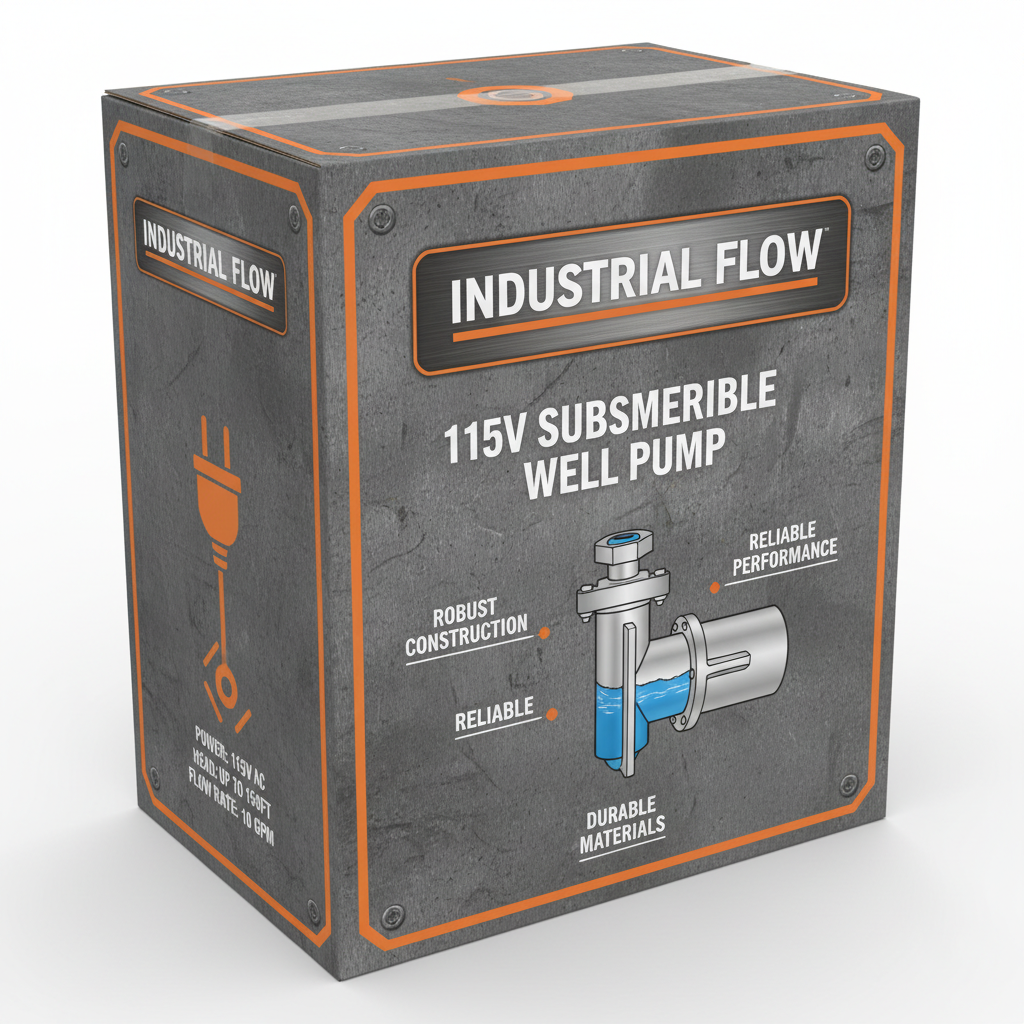
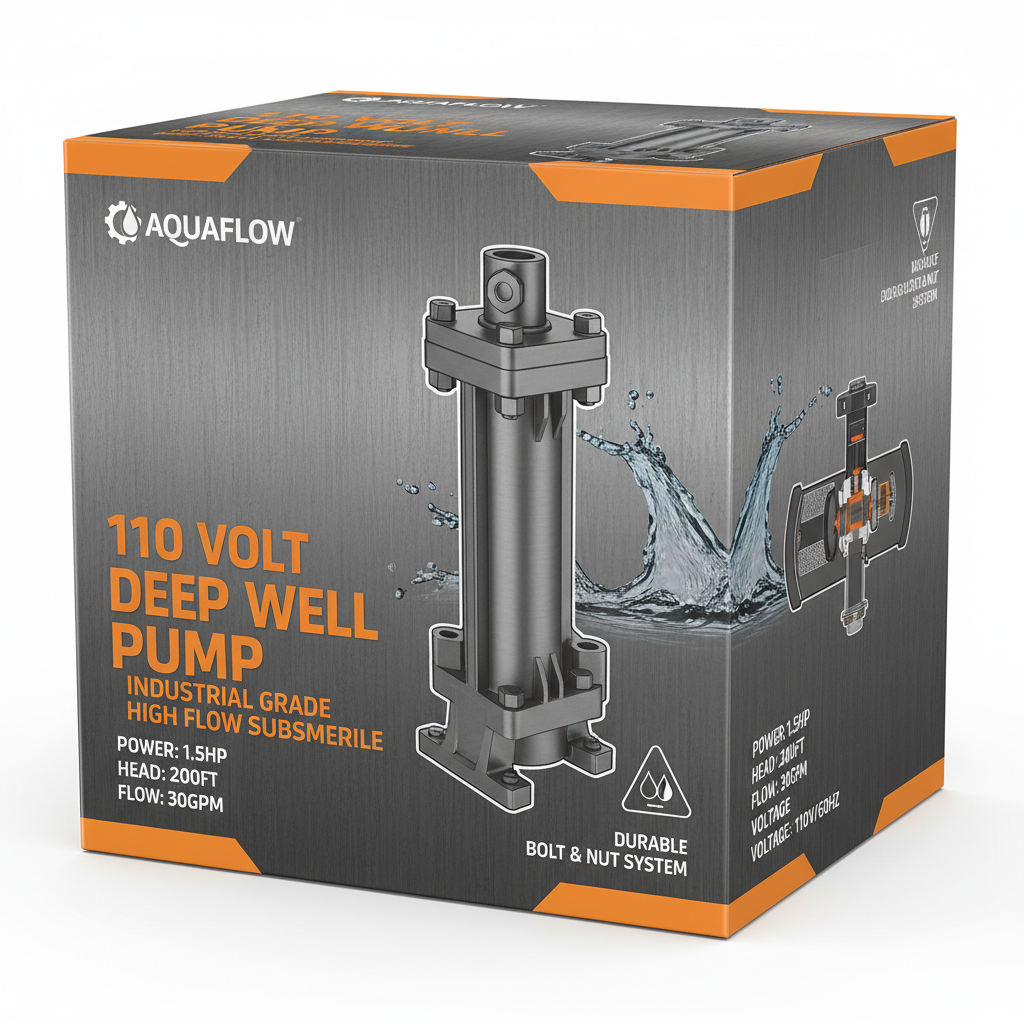
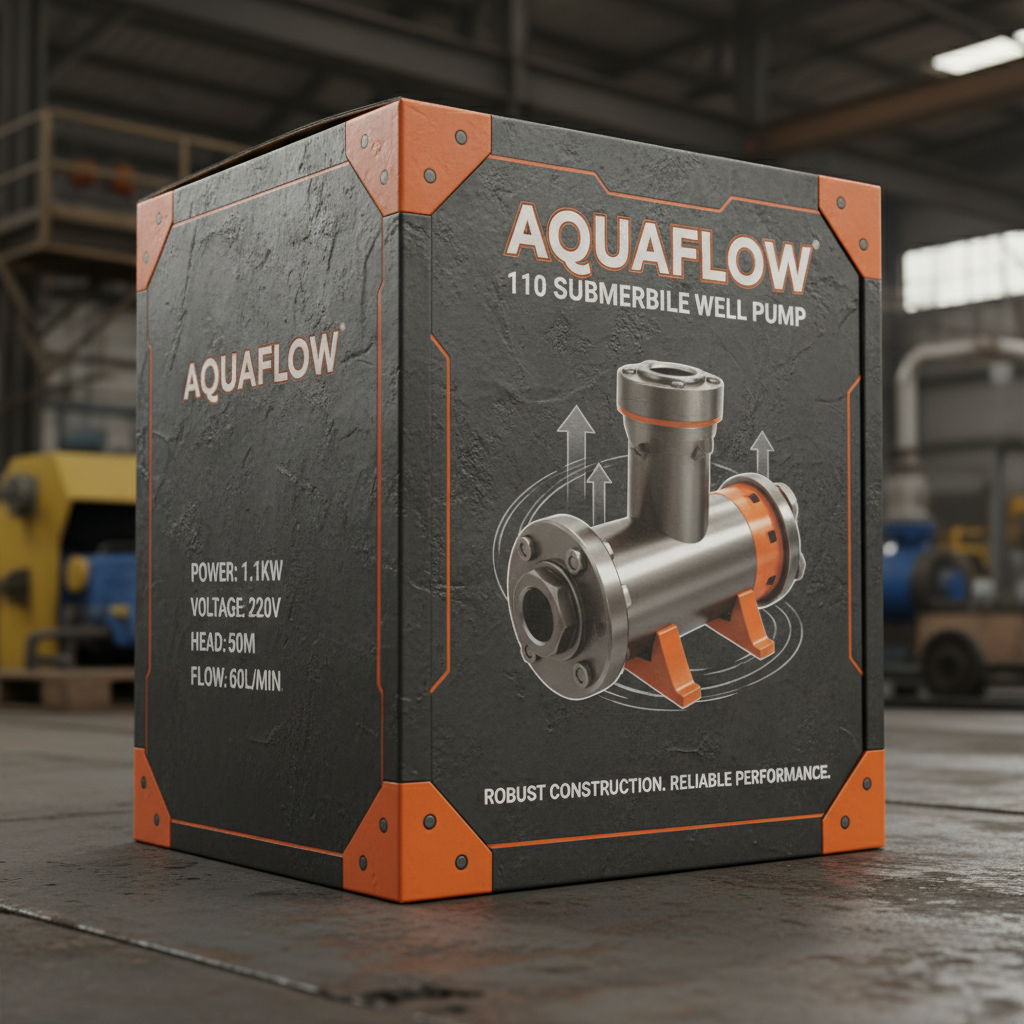
Deep well pump installation is a critical process for accessing groundwater resources, essential for drinking water, irrigation, and industrial applications. Globally, millions rely on these systems, particularly in areas lacking surface water sources or consistent rainfall. Ensuring reliable access to water through efficient and sustainable deep well pump installation is paramount to public health, economic development, and environmental stewardship. This practice addresses challenges of water scarcity and supports communities in building resilience against drought and climate change.
The increasing global population and the effects of climate change are exacerbating water stress in many regions. Deep well pump installation provides a viable solution, offering a consistent and often more reliable water supply than surface sources. However, it requires specialized knowledge and careful execution to ensure long-term functionality, prevent environmental damage, and adhere to local regulations. This has driven innovation in well construction techniques, pump technology, and water quality monitoring systems.
Understanding the nuances of deep well pump installation is therefore vital for engineers, technicians, policymakers, and communities seeking to secure their water future. From selecting the appropriate pump type and well casing to managing groundwater resources responsibly, a comprehensive grasp of this process is essential for sustainable water management.
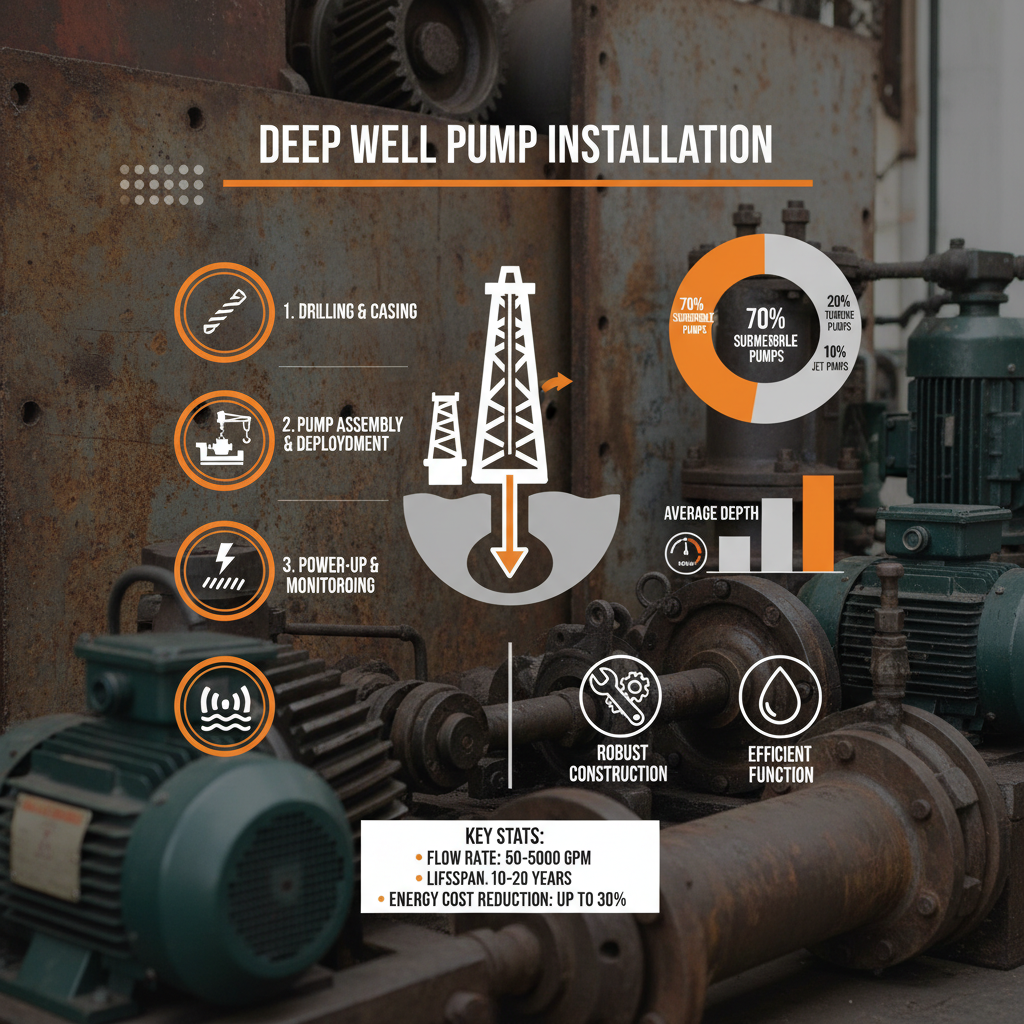
Deep well pump installation is fundamental to providing reliable water sources in diverse geographical locations. Access to clean water is a basic human right, and deep wells often represent the most viable solution where surface water is scarce or contaminated. Effective installation considers geological factors, water table depth, and the long-term sustainability of the aquifer.
The significance of well-executed deep well pump installation extends beyond immediate water access. It plays a vital role in supporting agriculture, livestock management, and industrial processes, contributing directly to economic growth and food security. Properly installed systems also minimize the risk of groundwater contamination, protecting public health and the environment.
The average lifespan of a submersible deep well pump is typically between 10 and 20 years, though this can vary significantly depending on water quality, usage frequency, and maintenance practices. Regular inspections, proper voltage protection, and prompt repairs can extend the pump's life considerably. Poor water quality with high sediment levels will shorten the lifespan significantly.
A deep well should be inspected annually by a qualified well technician. Maintenance should include checking the well casing for damage, testing the water quality, inspecting the pump and pressure tank, and ensuring proper electrical connections. More frequent inspections may be necessary if you notice changes in water quality or flow rate.
Common signs of a failing deep well pump include reduced water pressure, fluctuating water flow, noisy operation, and the pump cycling on and off frequently. You might also notice sediment in the water or a complete lack of water supply. These symptoms indicate a need for professional diagnosis and repair.
While technically possible, replacing a deep well pump is a complex and potentially dangerous task best left to qualified professionals. It involves working with electricity, heavy equipment, and confined spaces. Improper installation can lead to pump damage, well contamination, or personal injury.
Permits for deep well pump installation vary significantly by location. Most jurisdictions require a permit to ensure compliance with local regulations regarding well construction, water quality, and environmental protection. Contact your local health department or environmental agency to determine the specific permit requirements in your area.
Preventing contamination involves several key measures. Ensure the well casing is properly sealed, maintain a sanitary well cap, avoid using pesticides or fertilizers near the well, and regularly test the water quality. Promptly repair any damage to the well casing or surrounding area. A properly constructed and maintained well is the first line of defense against contamination.
Deep well pump installation is a cornerstone of sustainable water access, offering a reliable solution to global water challenges. From ensuring clean drinking water to supporting agricultural productivity and industrial processes, the benefits are far-reaching. Understanding the key factors influencing successful installation – from hydrogeological assessments to pump selection and ongoing maintenance – is paramount for maximizing long-term value and minimizing environmental impact.
Looking ahead, continued innovation in pump technology, data analytics, and renewable energy integration promises to further enhance the efficiency and sustainability of deep well systems. Prioritizing responsible groundwater management and investing in proper installation practices are crucial for safeguarding this vital resource for future generations. For expert assistance with your deep well pump installation needs, visit our website: www.wellpumpact.com.

 Afrikaans
 Albanian
 Amharic
 Arabic
 Armenian
 Azerbaijani
 Basque
 Belarusian
 Bengali
 Bosnian
 Bulgarian
 Catalan
 Cebuano
 Corsican
 Croatian
 Czech
Czech
 Danish
 Dutch
Dutch
 Esperanto
 Estonian
 Finnish
 French
 Frisian
 Galician
 Georgian
 German
 Greek
Greek
 Gujarati
 Haitian Creole
 Hausa
Hausa
 Hawaiian
 Hebrew
 Hindi
Hindi
 Miao
Miao
 Hungarian
 Icelandic
 Igbo
Igbo
 Indonesian
 Irish
Irish
 Italian
 Japanese
 Javanese
 Kannada
 Kazakh
 Khmer
Khmer
 Rwandese
 Korean
 Kurdish
 Kyrgyz
 Lao
Lao
 Latin
Latin
 Latvian
 Lithuanian
 Luxembourgish
 Macedonian
 Malgashi
 Malay
Malay
 Malayalam
 Maltese
 Maori
Maori
 Marathi
 Mongolian
 Myanmar
 Nepali
 Norwegian
 Norwegian
 Occitan
 Pashto
 Persian
 Polish
 Portuguese
 Punjabi
 Romanian
 Russian
 Samoan
 Scottish Gaelic
 Serbian
 Sesotho
 Shona
Shona
 Sindhi
 Sinhala
 Slovak
 Slovenian
 Somali
 Spanish
 Sundanese
 Swahili
 Swedish
 Tagalog
 Tajik
Tajik
 Tamil
Tamil
 Tatar
Tatar
 Telugu
 Thai
Thai
 Turkish
 Turkmen
 Ukrainian
 Urdu
Urdu
 Uighur
 Uzbek
Uzbek
 Vietnamese
 Welsh
Welsh
 Bantu
Bantu
 Yiddish
 Yoruba
 Zulu
Zulu
 English