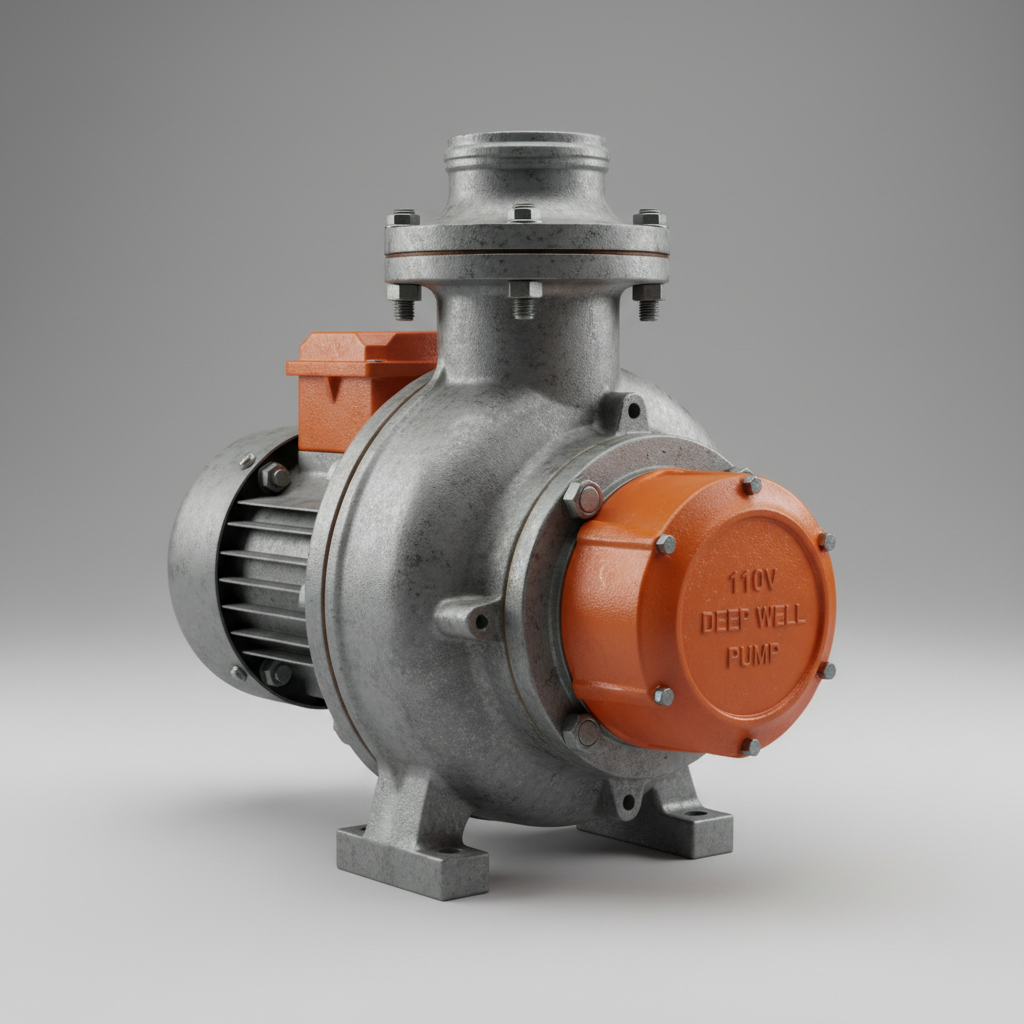
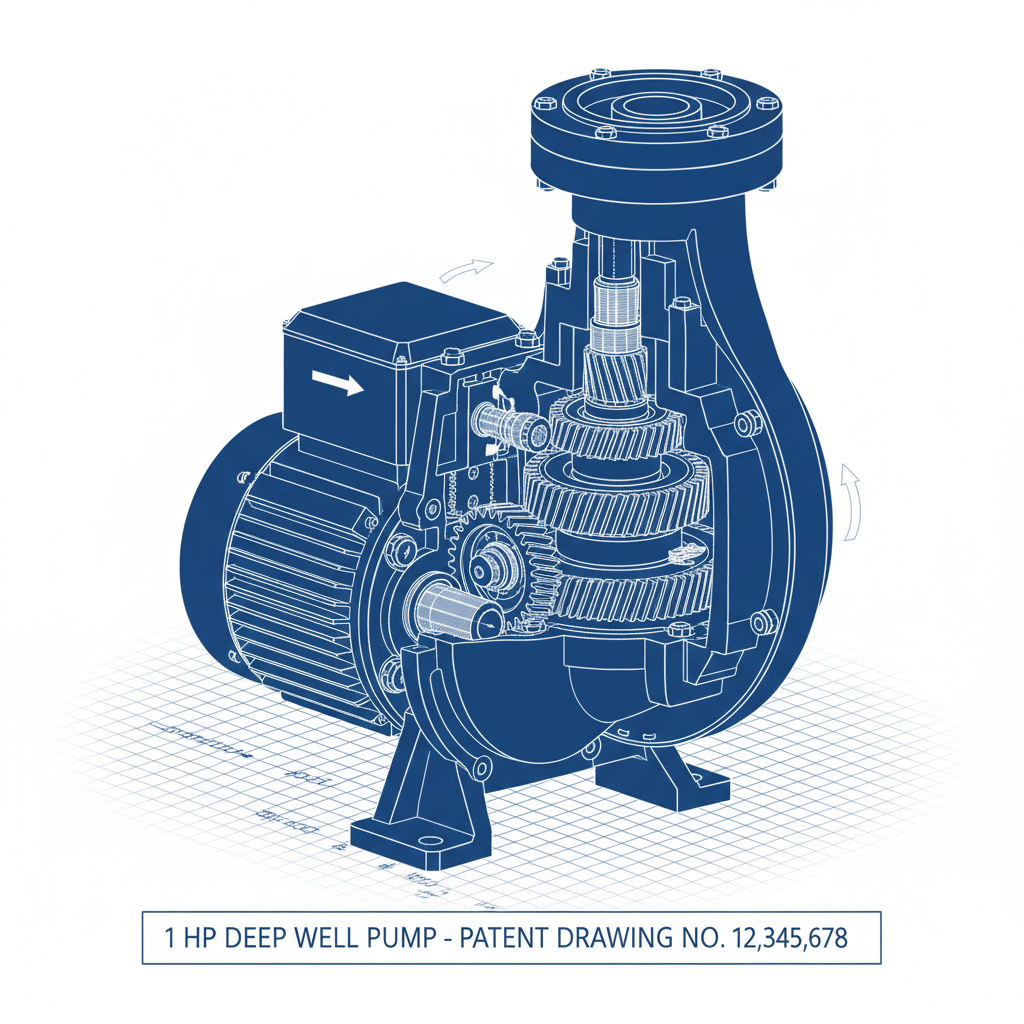
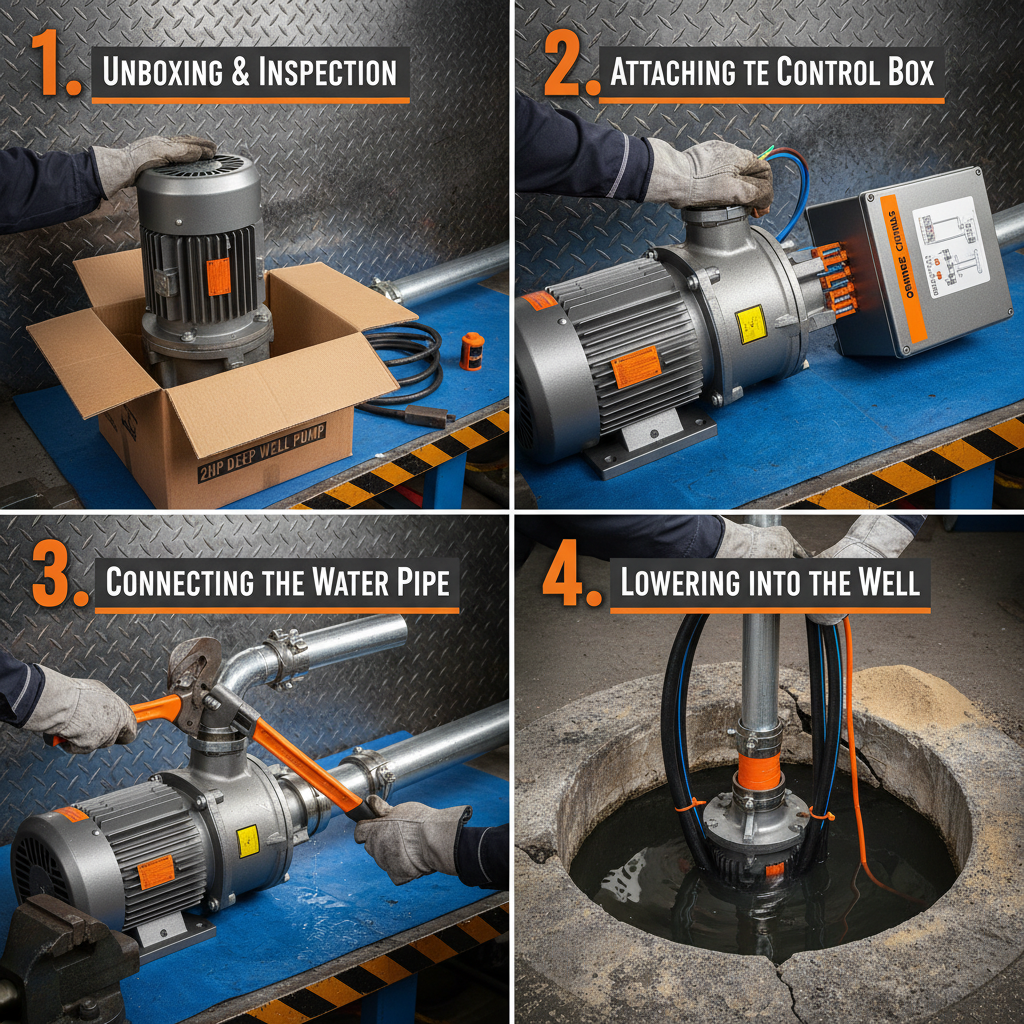
The need for reliable water access, especially in remote locations or during emergencies, has driven significant innovation in well pump technology. A 24 volt deep well pump represents a sweet spot – delivering the power needed to extract water from substantial depths without the complexity and cost of high-voltage systems. I’ve seen these things save projects, and even lives, when a standard setup just wouldn’t cut it. It’s not just about having water; it’s about having consistent water pressure, and the right voltage makes a huge difference in longevity and ease of maintenance.
Frankly, I’ve spent years crawling around in dirt, dealing with busted pumps and fried electrical components. The simplicity of a 24V system is a godsend. It’s safer to work with on a job site, especially when you're dealing with wet conditions and a crew that’s not all electrical engineers. More importantly, the lower voltage means less energy loss over long wire runs – something you really appreciate when you’re powering a pump a few hundred feet from the source.
The real beauty of a 24 volt deep well pump is its versatility. Whether it's for a small off-grid cabin, a remote agricultural operation, or providing essential water supplies after a natural disaster, these pumps offer a reliable and efficient solution. I've seen them rigged up with solar panels, battery banks, and even small generators – they adapt to the situation, which is crucial when you’re improvising on a construction site.
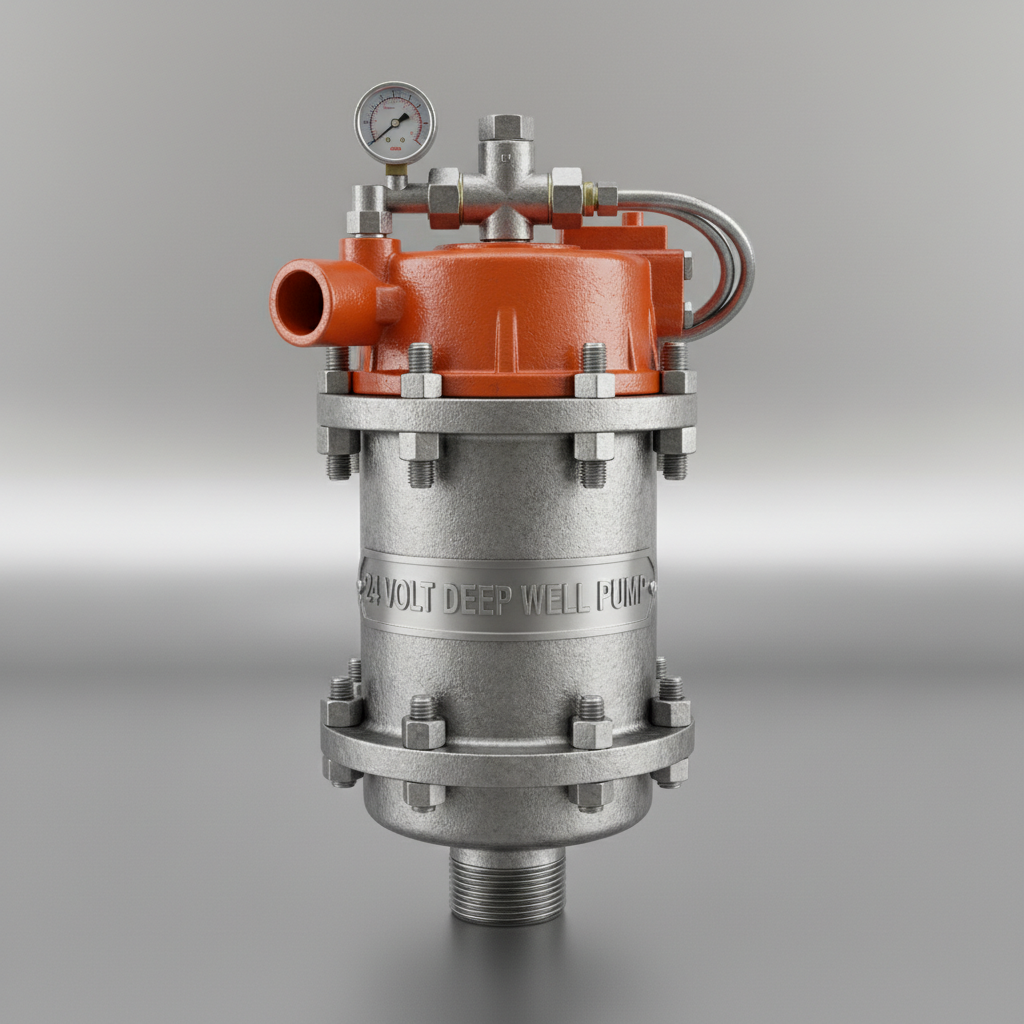
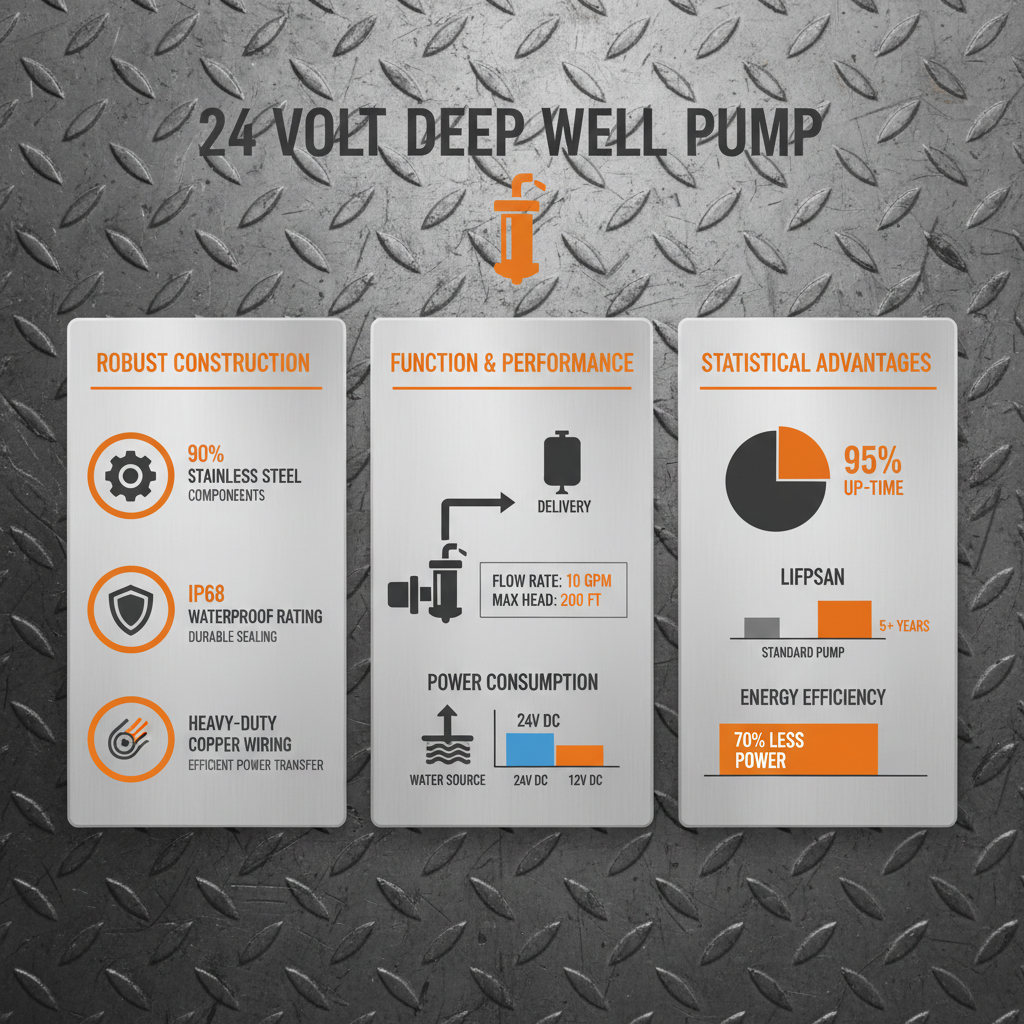
Look, I've seen projects stalled because of water issues more times than I can count. A 24 volt deep well pump can be a lifeline in situations where traditional power sources are unavailable or unreliable. The demand for off-grid solutions is growing, and these pumps fit right in, particularly in areas focused on sustainable living and self-sufficiency.
The UN estimates that billions of people still lack access to clean water. While a single pump isn't going to solve that global problem, it’s a critical step in providing localized solutions, especially in developing nations and disaster-stricken areas. These pumps are often the first step to establishing basic sanitation and public health, and that’s something worth investing in.
A well-maintained 24 volt deep well pump can easily last 8-12 years, and sometimes even longer. The lifespan depends heavily on water quality, well depth, pump usage, and the quality of the components. Regular inspections and cleaning can significantly extend its life. I've seen them go longer with good care.
The required solar panel size depends on the pump’s wattage, your daily water needs, and the amount of sunlight you receive. A general rule of thumb is to have at least 1.5 to 2 times the pump’s wattage in solar panel capacity. It's best to consult with a solar energy professional to get an accurate assessment for your specific location and needs.
Absolutely. A 24-volt DC generator can directly power the pump. You can also use a DC-to-DC converter if you have a generator that produces a different voltage. Just make sure the generator has enough capacity to handle the pump’s starting and running wattage. I’ve used them with everything from small portable generators to larger standby units.
Common causes include sediment buildup, corrosion, electrical issues (like short circuits), and overheating. Using a well screen and performing regular maintenance like flushing the pump and inspecting the wiring can help prevent these issues. Also, make sure the pump isn't being run dry.
You need to know the well depth, the static water level (the water level when the pump is off), and your desired flow rate. You also need to calculate the total dynamic head (TDH), which accounts for well depth, elevation changes, and friction loss in the piping. Online calculators and consulting with a well pump professional can help you determine the appropriate pump size.
Standard 24 volt deep well pumps aren’t ideal for saltwater. Saltwater is highly corrosive. However, pumps specifically designed for saltwater use, constructed with materials like 316 stainless steel and special coatings, are available. These pumps are a must for coastal applications or wells with high salinity.
The 24 volt deep well pump represents a robust, reliable, and versatile solution for a wide range of water access needs. From providing clean water in remote areas to ensuring consistent irrigation for agricultural operations, these pumps offer a compelling combination of efficiency, safety, and affordability. Understanding the key components, performance metrics, and future trends is vital for making informed decisions.
Looking ahead, advancements in materials science, smart technology, and renewable energy integration will continue to enhance the performance and sustainability of these pumps. I encourage anyone considering a water access solution to thoroughly research their options and prioritize quality, reliability, and long-term value. For more information and to explore our range of 24-volt deep well pumps, visit our website: www.wellpumpact.com.

 Afrikaans
 Albanian
 Amharic
 Arabic
 Armenian
 Azerbaijani
 Basque
 Belarusian
 Bengali
 Bosnian
 Bulgarian
 Catalan
 Cebuano
 Corsican
 Croatian
 Czech
Czech
 Danish
 Dutch
Dutch
 Esperanto
 Estonian
 Finnish
 French
 Frisian
 Galician
 Georgian
 German
 Greek
Greek
 Gujarati
 Haitian Creole
 Hausa
Hausa
 Hawaiian
 Hebrew
 Hindi
Hindi
 Miao
Miao
 Hungarian
 Icelandic
 Igbo
Igbo
 Indonesian
 Irish
Irish
 Italian
 Japanese
 Javanese
 Kannada
 Kazakh
 Khmer
Khmer
 Rwandese
 Korean
 Kurdish
 Kyrgyz
 Lao
Lao
 Latin
Latin
 Latvian
 Lithuanian
 Luxembourgish
 Macedonian
 Malgashi
 Malay
Malay
 Malayalam
 Maltese
 Maori
Maori
 Marathi
 Mongolian
 Myanmar
 Nepali
 Norwegian
 Norwegian
 Occitan
 Pashto
 Persian
 Polish
 Portuguese
 Punjabi
 Romanian
 Russian
 Samoan
 Scottish Gaelic
 Serbian
 Sesotho
 Shona
Shona
 Sindhi
 Sinhala
 Slovak
 Slovenian
 Somali
 Spanish
 Sundanese
 Swahili
 Swedish
 Tagalog
 Tajik
Tajik
 Tamil
Tamil
 Tatar
Tatar
 Telugu
 Thai
Thai
 Turkish
 Turkmen
 Ukrainian
 Urdu
Urdu
 Uighur
 Uzbek
Uzbek
 Vietnamese
 Welsh
Welsh
 Bantu
Bantu
 Yiddish
 Yoruba
 Zulu
Zulu
 English