The reliable access to groundwater is crucial for communities and industries worldwide, and the deep well submersible water pump plays a vital role in achieving this. These pumps are engineered to operate efficiently within the confined space of a well casing, delivering water from significant depths. Understanding their design, applications, and future trends is essential for sustainable water management and addressing global water scarcity challenges. They represent a critical technology for both developed and developing nations.
The global demand for fresh water continues to increase due to population growth, industrialization, and climate change. Traditional water sources are often insufficient, making groundwater extraction increasingly important. Deep well submersible water pumps provide a robust and reliable solution for accessing these subterranean reserves, offering a cost-effective and efficient alternative to surface water sources. Investing in and understanding this technology is paramount to securing water resources for future generations.
From agricultural irrigation to municipal water supplies, and even emergency response situations, the versatility of the deep well submersible water pump makes it an indispensable component of modern infrastructure. Its ability to operate continuously and deliver large volumes of water makes it a preferred choice in numerous applications.
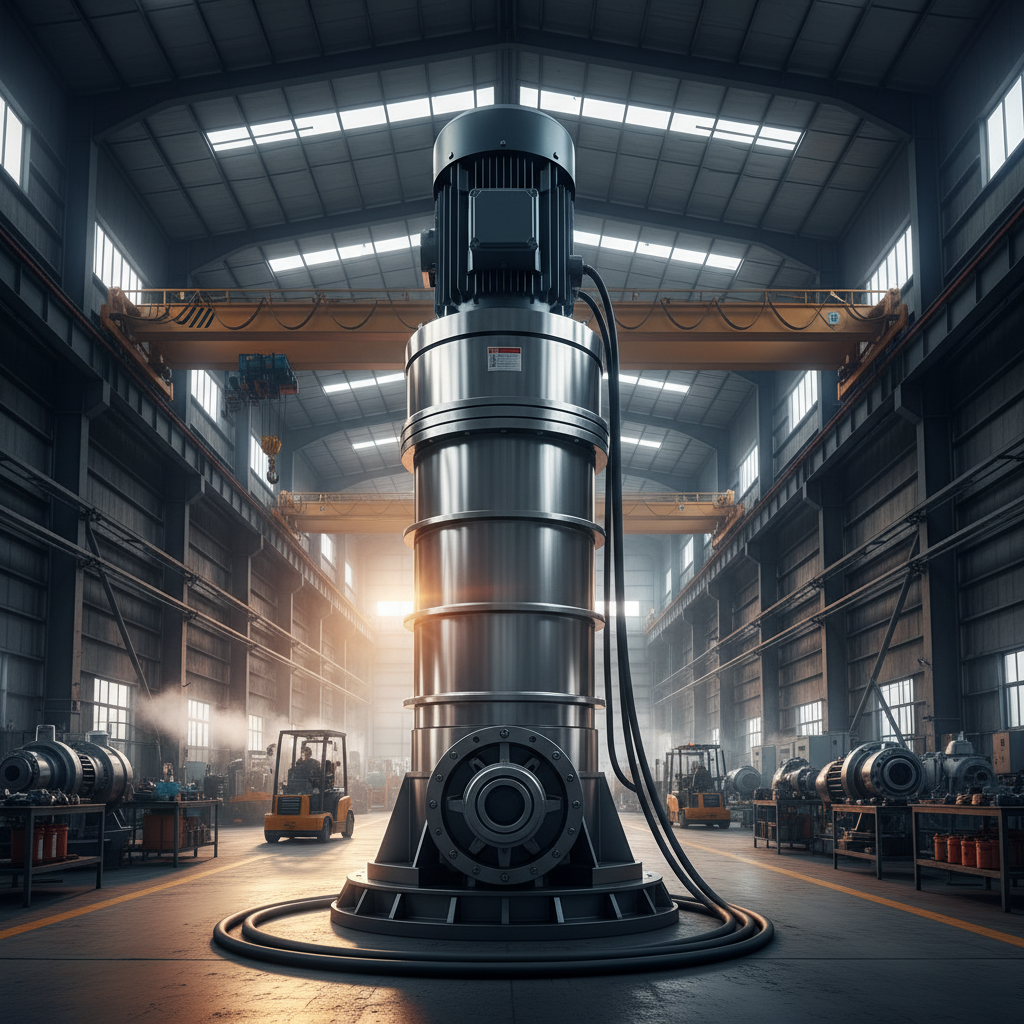
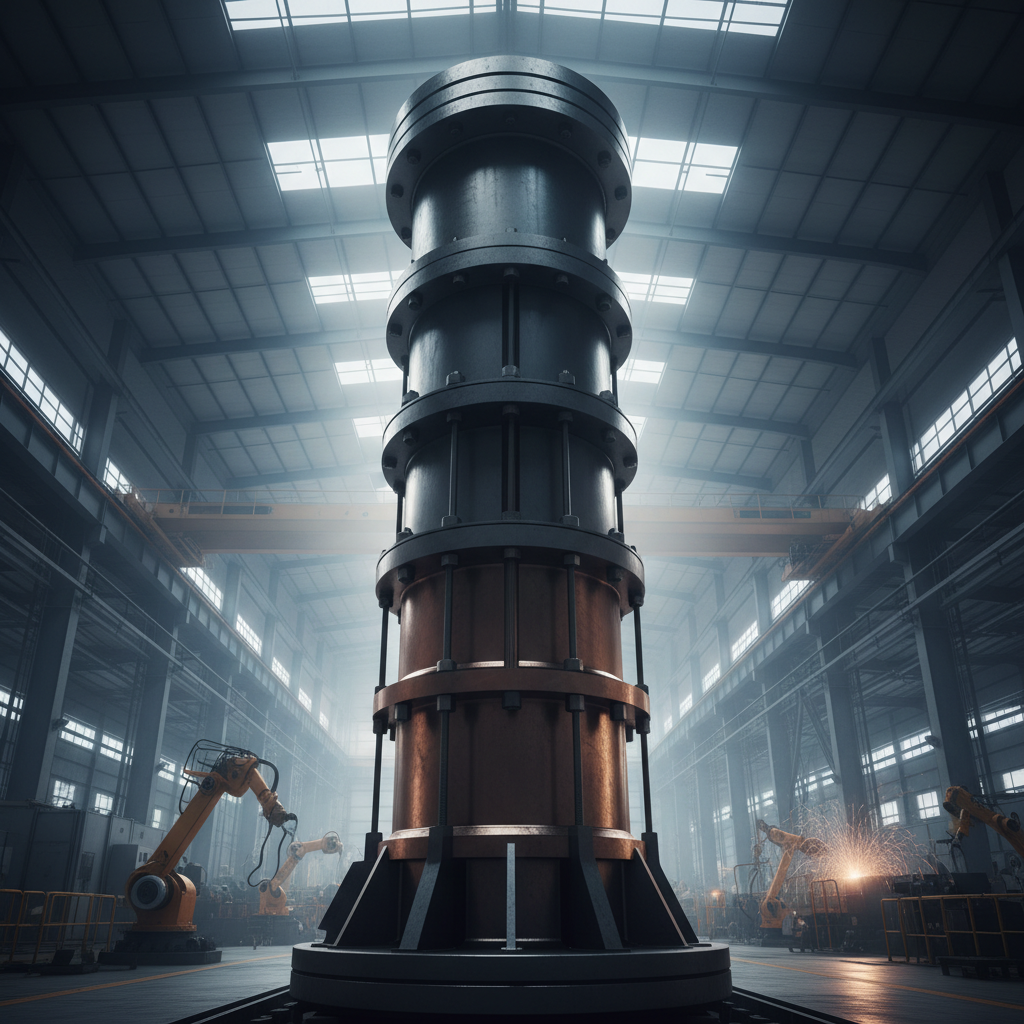
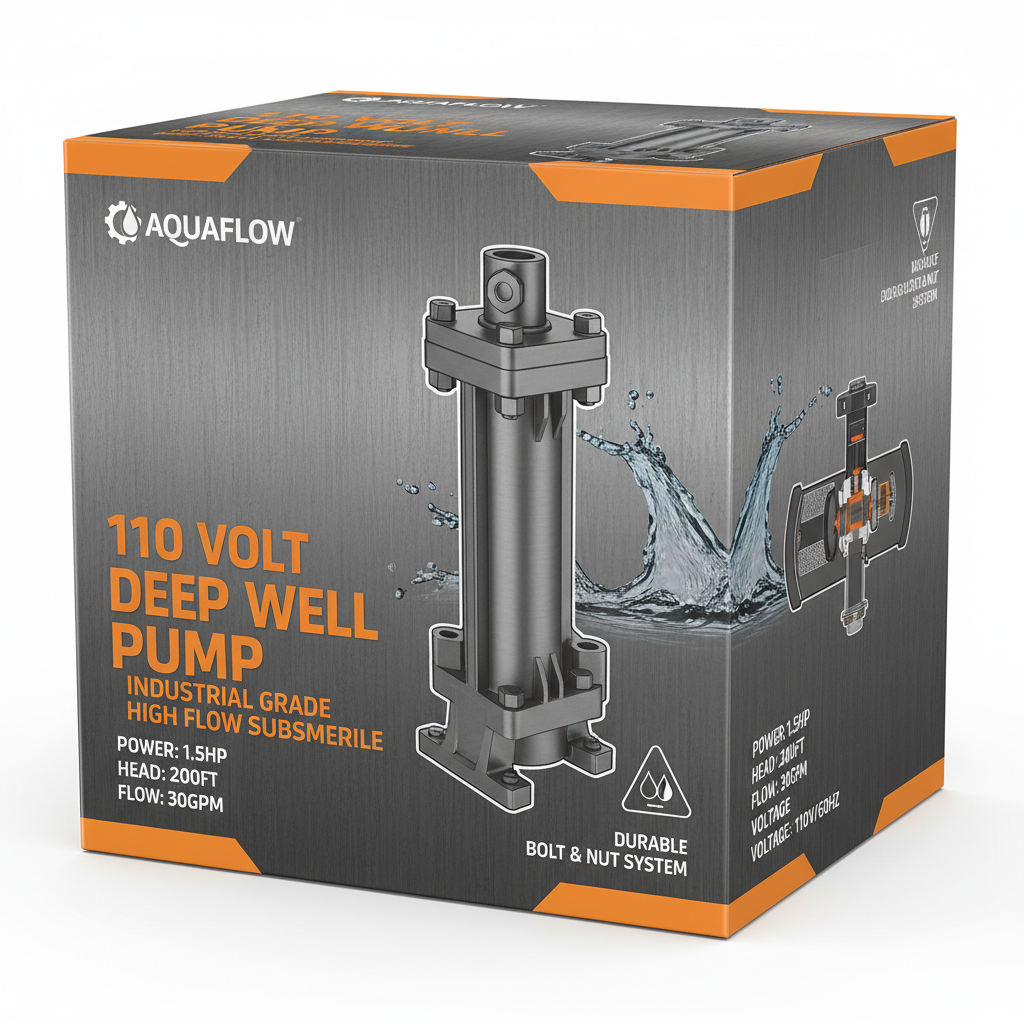
Deep well submersible water pumps are specifically designed to be fully submerged in the water they are pumping. This eliminates the need for priming, a common issue with surface pumps, and allows for efficient operation even with significant suction lift requirements. This design also protects the pump motor from overheating and ensures a consistent water supply.
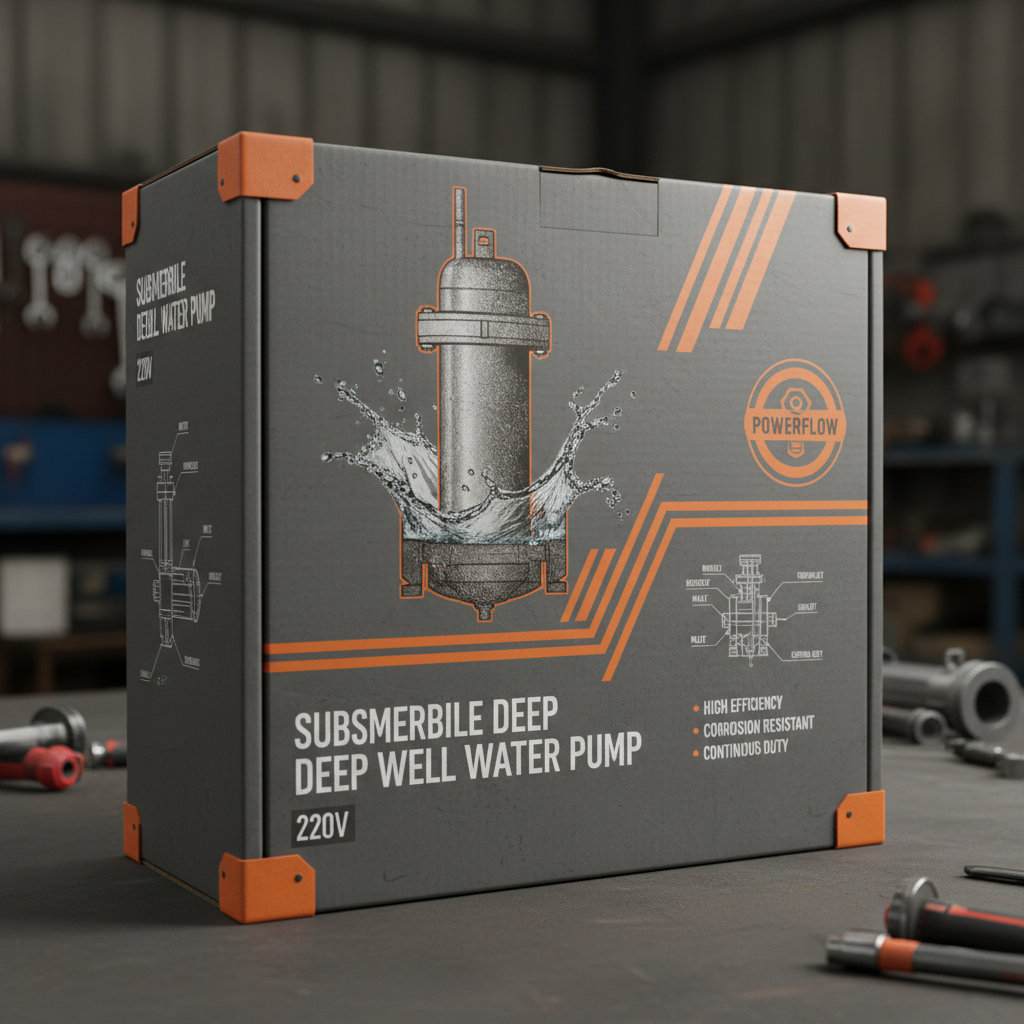
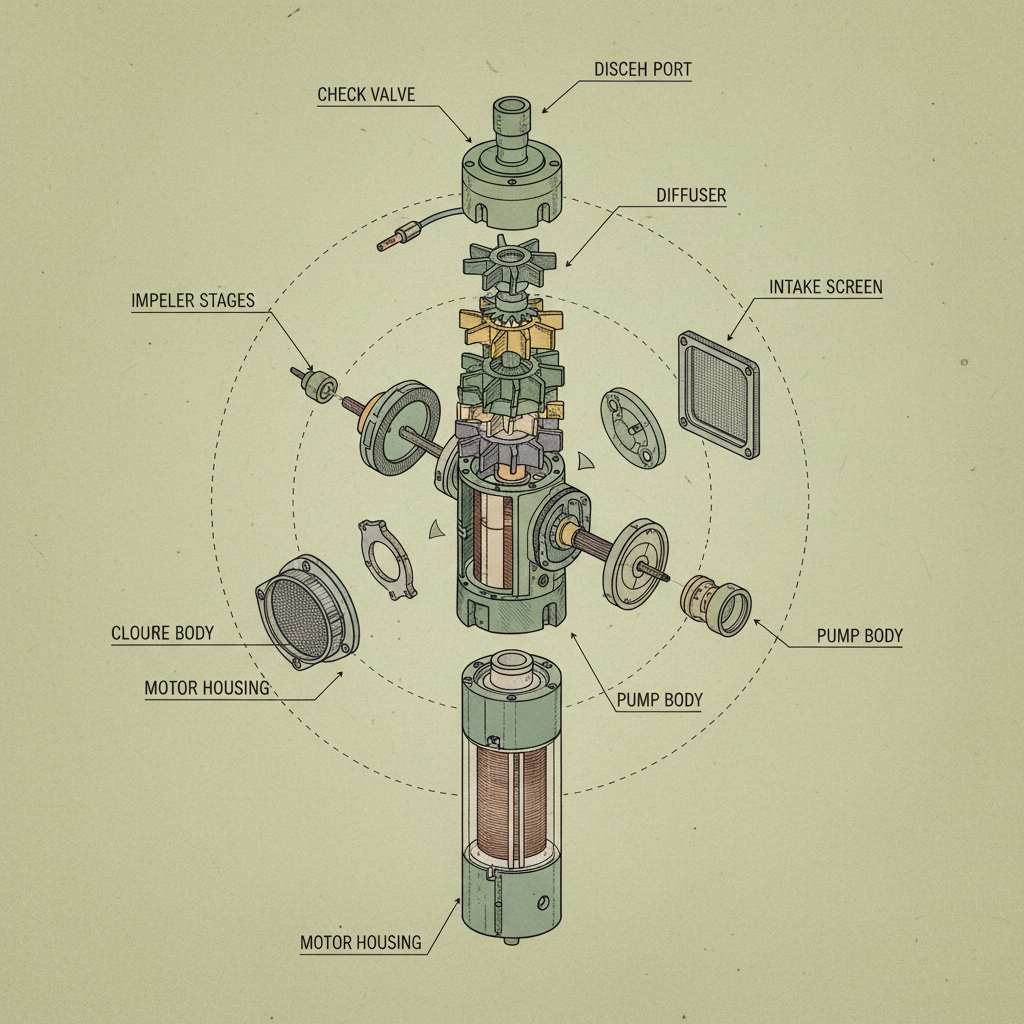
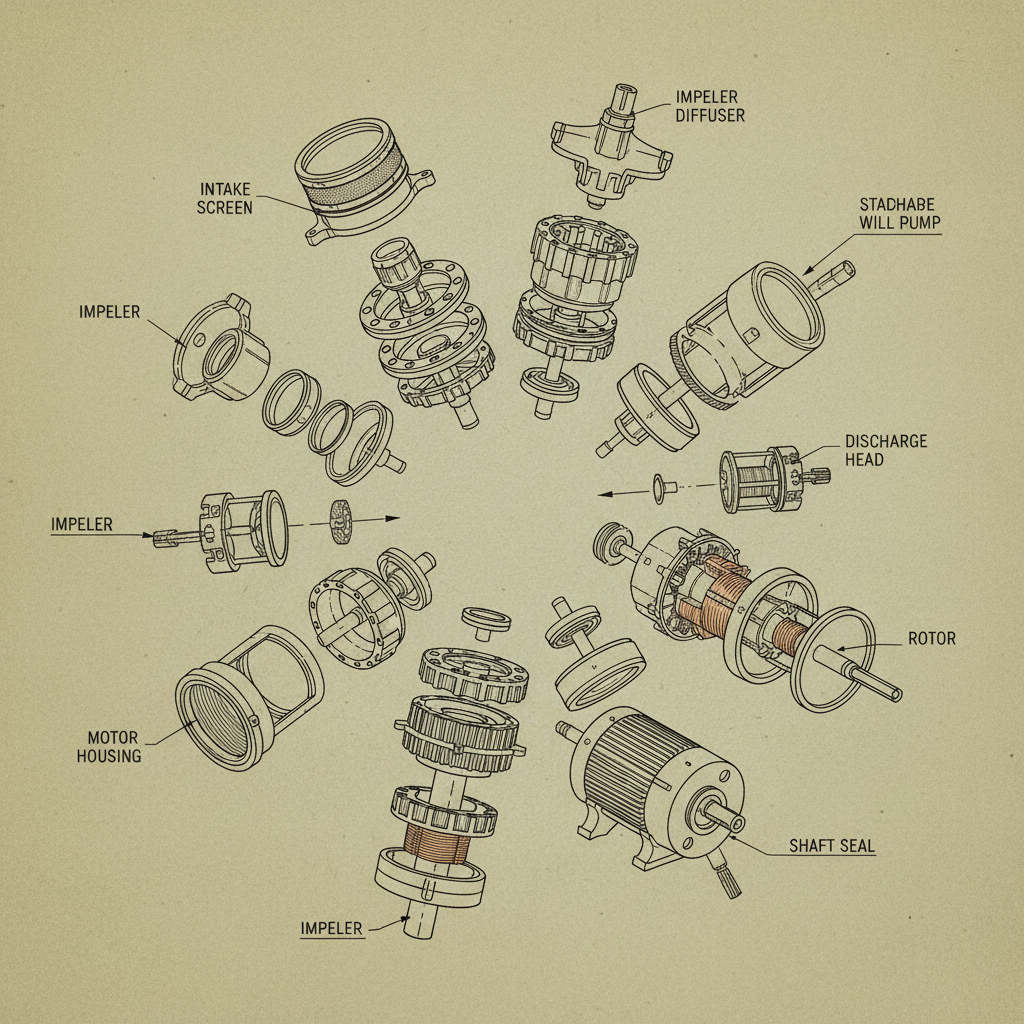
The core principle behind these pumps is the use of a sealed motor directly coupled to a multi-stage impeller. This configuration allows the pump to generate high pressure, enabling it to lift water from considerable depths. The sealed motor prevents water from contacting the electrical components, ensuring safe and reliable operation over extended periods.
The lifespan of a deep well submersible water pump typically ranges from 10 to 25 years, depending on usage, water quality, and maintenance. Regular maintenance, such as checking for leaks and cleaning the intake screen, can significantly extend its life. Factors like abrasive particles in the water or continuous operation can reduce lifespan. Choosing a quality pump with durable materials is also critical for longevity.
Determining the correct pump size requires considering several factors, including the well depth, static water level, required flow rate, and total dynamic head. The static water level is the distance from the top of the well to the water surface at rest. The total dynamic head accounts for the well depth, elevation change, and friction loss in the piping. Consulting a qualified well pump professional is recommended to ensure proper sizing.
Regular maintenance for a deep well submersible water pump includes periodically checking the electrical connections, inspecting the pressure tank, and cleaning the well intake screen. It’s also important to monitor the water flow and pressure to identify any potential issues. Annual inspections by a qualified technician are recommended to ensure optimal performance and prevent costly repairs.
Common causes of submersible pump failure include motor burnout, impeller damage, seal failure, and electrical issues. Motor burnout can occur due to overheating or voltage fluctuations. Impeller damage can be caused by abrasive particles in the water. Seal failures lead to water intrusion, and electrical issues can result from corrosion or faulty wiring. Proper water quality and regular maintenance can help prevent these failures.
Running a deep well submersible water pump dry can cause significant damage to the motor and impeller. The water acts as a coolant for the motor, and without it, the motor can overheat and fail. Some pumps have built-in dry run protection, but it’s crucial to avoid operating the pump without water whenever possible. Installing a low-water cutoff switch can help prevent dry running.
Winterizing a deep well submersible water pump involves draining the water from the piping and pressure tank to prevent freezing. Disconnecting the power supply and insulating exposed pipes are also recommended. In colder climates, it may be necessary to remove the pump from the well and store it indoors to protect it from freezing temperatures. Consult a professional for specific winterization procedures.
Deep well submersible water pumps are indispensable tools for accessing and utilizing groundwater resources. Their reliability, efficiency, and versatility make them a cornerstone of water supply systems across a wide range of applications, from residential and agricultural to industrial and emergency response. Understanding their components, performance factors, and emerging trends is crucial for ensuring sustainable water management.
As global water scarcity continues to be a pressing challenge, investing in and innovating within this technology is paramount. By embracing advancements in energy efficiency, materials science, and digital control, we can unlock the full potential of deep well submersible water pumps and secure a sustainable water future for generations to come. Visit our website at www.wellpumpact.com to learn more.

 Afrikaans
 Albanian
 Amharic
 Arabic
 Armenian
 Azerbaijani
 Basque
 Belarusian
 Bengali
 Bosnian
 Bulgarian
 Catalan
 Cebuano
 Corsican
 Croatian
 Czech
Czech
 Danish
 Dutch
Dutch
 Esperanto
 Estonian
 Finnish
 French
 Frisian
 Galician
 Georgian
 German
 Greek
Greek
 Gujarati
 Haitian Creole
 Hausa
Hausa
 Hawaiian
 Hebrew
 Hindi
Hindi
 Miao
Miao
 Hungarian
 Icelandic
 Igbo
Igbo
 Indonesian
 Irish
Irish
 Italian
 Japanese
 Javanese
 Kannada
 Kazakh
 Khmer
Khmer
 Rwandese
 Korean
 Kurdish
 Kyrgyz
 Lao
Lao
 Latin
Latin
 Latvian
 Lithuanian
 Luxembourgish
 Macedonian
 Malgashi
 Malay
Malay
 Malayalam
 Maltese
 Maori
Maori
 Marathi
 Mongolian
 Myanmar
 Nepali
 Norwegian
 Norwegian
 Occitan
 Pashto
 Persian
 Polish
 Portuguese
 Punjabi
 Romanian
 Russian
 Samoan
 Scottish Gaelic
 Serbian
 Sesotho
 Shona
Shona
 Sindhi
 Sinhala
 Slovak
 Slovenian
 Somali
 Spanish
 Sundanese
 Swahili
 Swedish
 Tagalog
 Tajik
Tajik
 Tamil
Tamil
 Tatar
Tatar
 Telugu
 Thai
Thai
 Turkish
 Turkmen
 Ukrainian
 Urdu
Urdu
 Uighur
 Uzbek
Uzbek
 Vietnamese
 Welsh
Welsh
 Bantu
Bantu
 Yiddish
 Yoruba
 Zulu
Zulu
 English