Look, I’ve spent the last fifteen years crawling around job sites, getting my hands dirty, and talking to the folks actually using this stuff. When it comes to water, and getting it where it needs to be, a reliable 110v deep well pump is absolutely critical. It’s not glamorous, but it’s the backbone of so many projects – construction, irrigation, even emergency services. A good pump means schedules get met, people have access to what they need, and frankly, it means less headache for everyone involved. It’s about dependability in a world that’s increasingly…not.
You hear a lot of talk about fancy tech and innovation, but at the end of the day, a lot of us need a workhorse. A 110v deep well pump, done right, is that workhorse. It’s about getting consistent pressure and flow without constantly babysitting the equipment. We’re not looking for bells and whistles, we’re looking for something that will perform, day in and day out, without fail. That’s why understanding what goes into these pumps, and what separates a good one from a bad one, is so important.
I’ve seen too many projects stalled because of pump failures. Too much time and money wasted on subpar equipment. That's why I'm always looking at the details, the materials, and the engineering behind a 110v deep well pump. It’s the difference between a smooth operation and a complete disaster. Choosing wisely isn’t just about cost upfront; it’s about total cost of ownership and keeping things running.
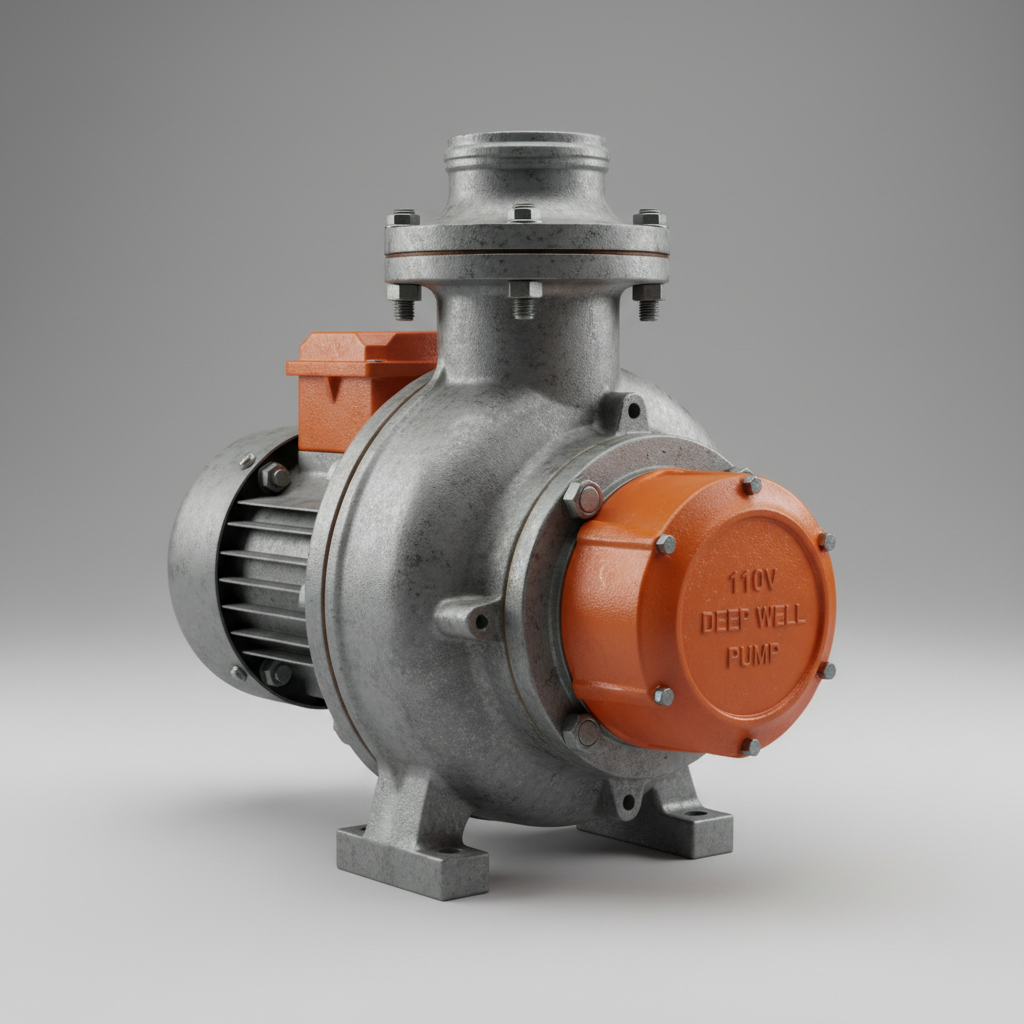
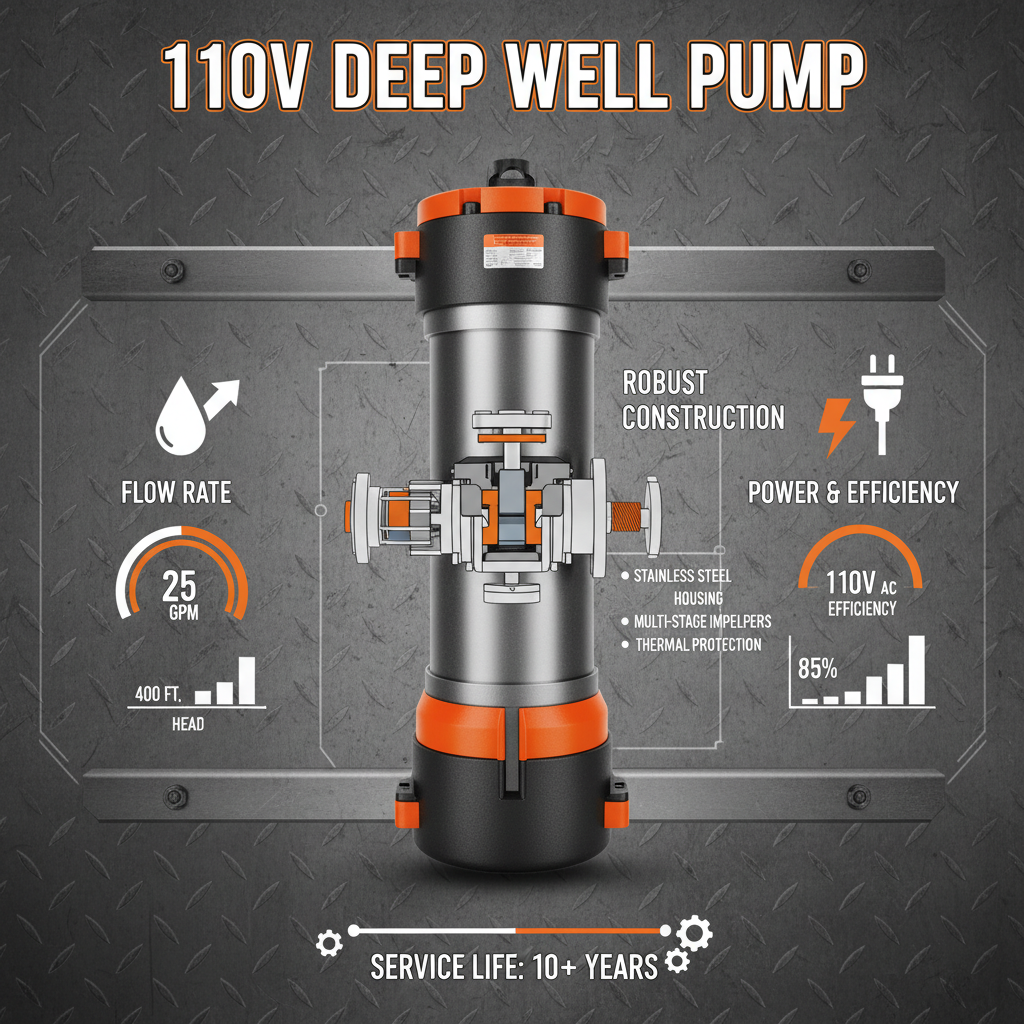
Look, on a construction site, water is life. Not just for drinking, but for concrete mixing, dust suppression, equipment cleaning… the list goes on. A 110v deep well pump that can consistently deliver the pressure and volume you need is the difference between staying on schedule and facing costly delays. It’s simple as that. I've been in situations where a pump gave out mid-pour, ruining a whole batch of concrete. That kind of thing adds up, fast.
And it’s not just construction. Think about agricultural irrigation, rural homesteads, even emergency response teams needing to establish a water source quickly. The 110v aspect is huge too. It means you can often plug it right into a standard outlet – no need for a dedicated electrician or specialized power setup, which saves both time and money. 110v deep well pump makes it accessible and versatile.
Honestly, it’s not sizing the pump correctly for the well. People see a GPM number and think bigger is always better, but that’s not true. If the pump’s too powerful, it can damage the well and shorten its lifespan. You need to consider the well’s capacity, the depth, and the desired flow rate. It's about finding the right size, not necessarily the biggest.
I recommend a visual inspection at least twice a year. Check for any leaks, corrosion, or unusual noises. Listen to the pump while it’s running – a change in sound can be a sign of trouble. Also, check the power cord for damage. Little preventative maintenance goes a long way. And always, always check your well’s water level.
Keep the well clean, use a sediment filter, and make sure the pump is properly grounded. Avoid running the pump dry, as that can quickly damage the motor. Consider installing a low-water cutoff switch to prevent that from happening. And, when possible, use a VFD to regulate the pump’s speed and reduce stress on the components.
Several things could cause excessive noise. It could be a worn bearing, a loose impeller, or cavitation (air bubbles collapsing inside the pump). If you suspect cavitation, it usually means the pump is trying to lift water from too deep or that the water level in the well has dropped. Shut the pump down and investigate before it causes further damage.
If you have aggressive water – high in iron, sulfur, or sand – absolutely. Stainless steel is much more corrosion-resistant and will last significantly longer in those conditions. It’s an upfront investment, but it can save you money in the long run by avoiding frequent replacements.
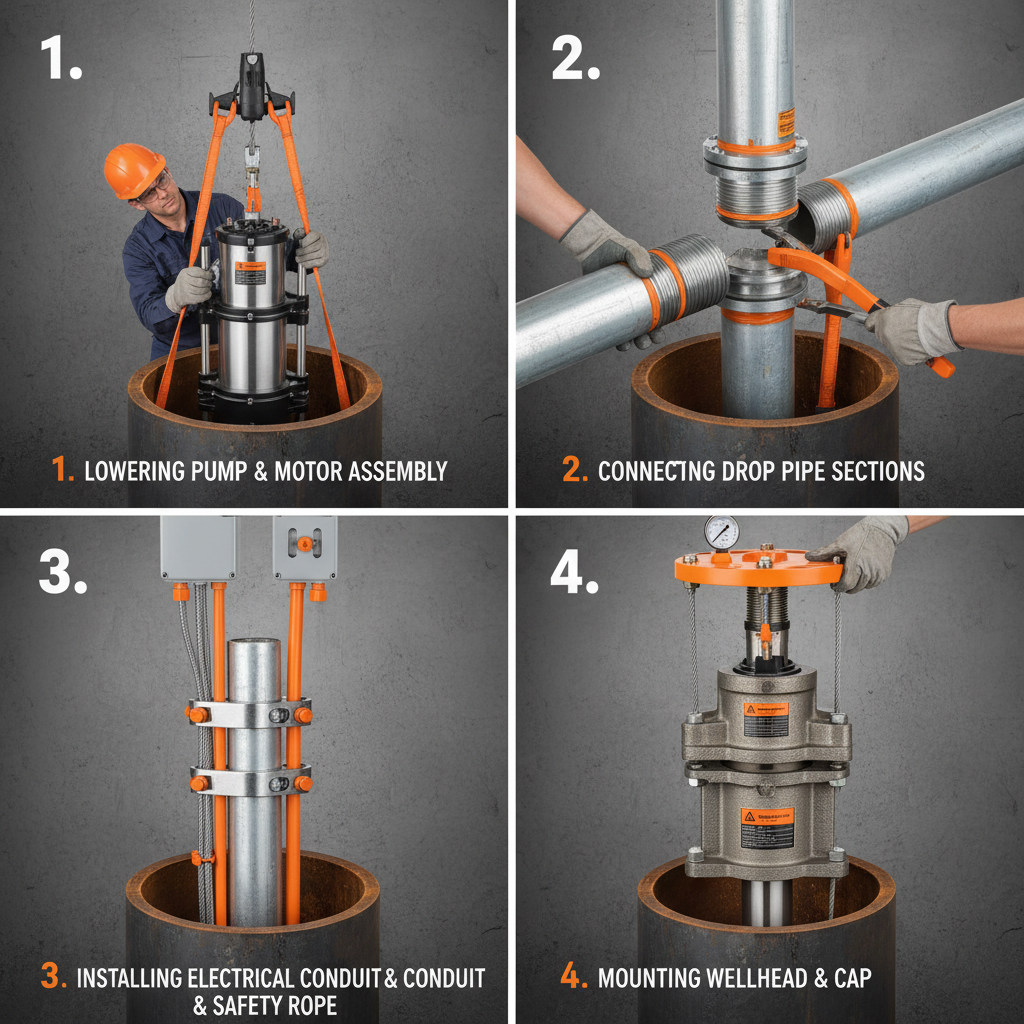
Safety first! Always disconnect the power before working on the pump. Wear appropriate safety gear, including gloves and eye protection. Be careful when lowering the pump into the well – use a proper lifting cable and avoid damaging the power cord. If you're not comfortable with any part of the process, call a qualified electrician.
A reliable 110v deep well pump isn’t just a piece of equipment; it’s a critical component of countless operations, from construction sites to rural homesteads. Understanding its core components, performance metrics, and potential pitfalls is essential for making the right choice and ensuring long-term reliability. It’s about investing in quality, prioritizing proper installation and maintenance, and considering the total cost of ownership.
Looking ahead, advancements in materials, VFD technology, and smart pump features will continue to improve the efficiency and longevity of these systems. Staying informed about these developments and adopting best practices will be key to maximizing the value of your 110v deep well pump. For all your 110v deep well pump needs, visit our website: www.wellpumpact.com
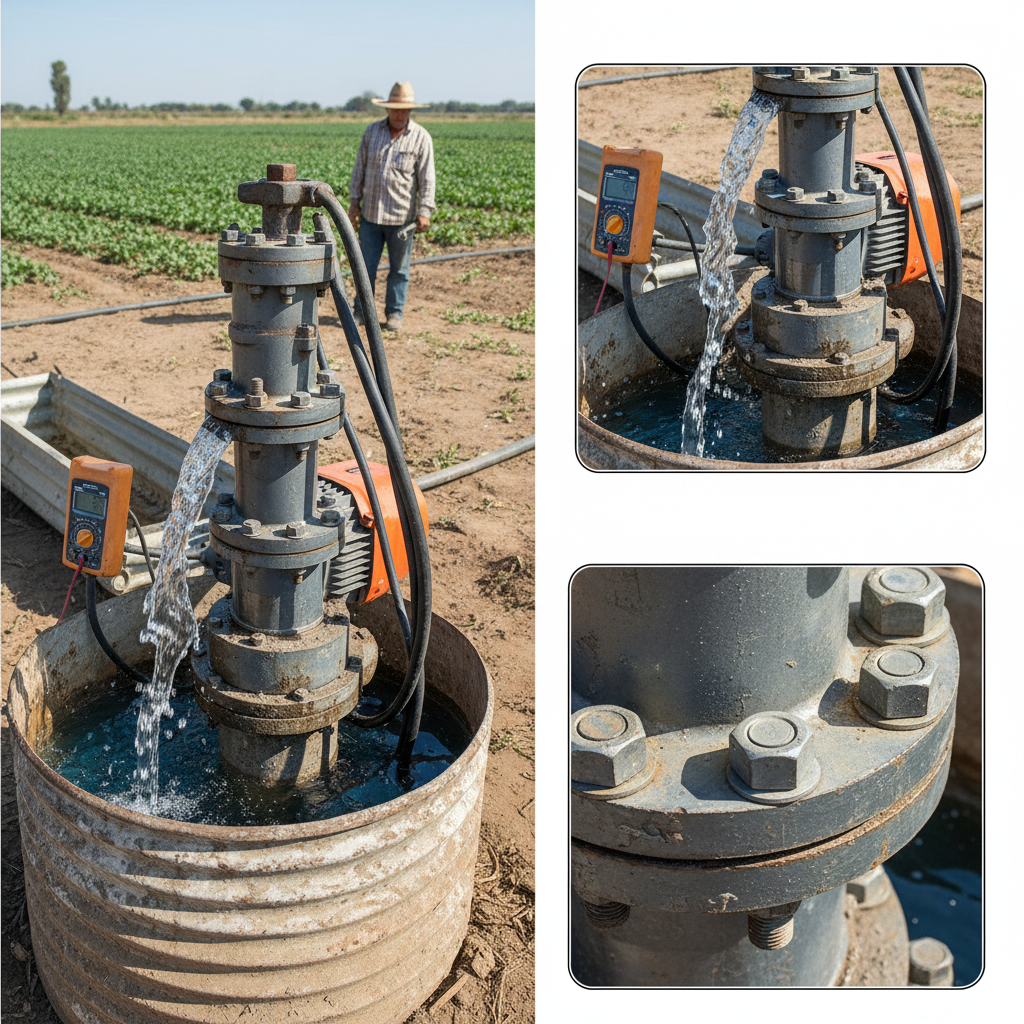
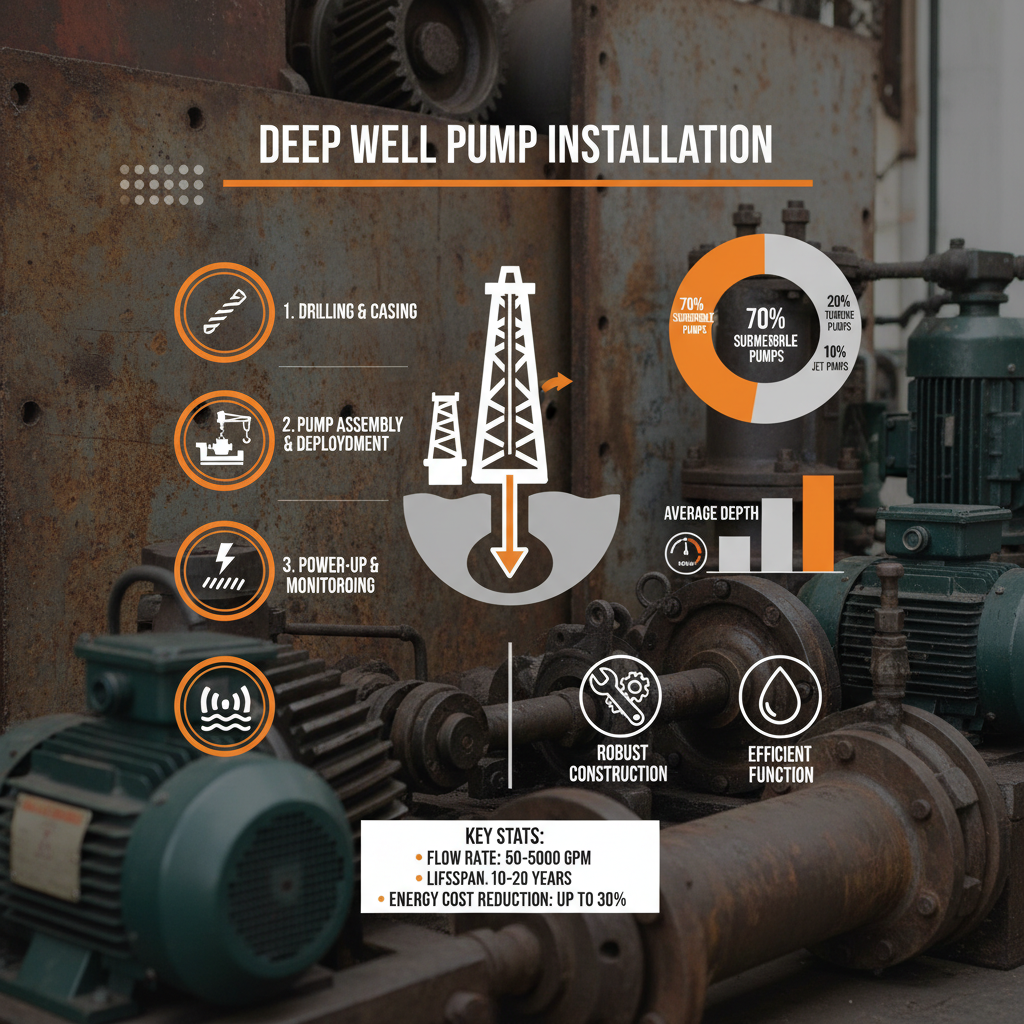

 Afrikaans
 Albanian
 Amharic
 Arabic
 Armenian
 Azerbaijani
 Basque
 Belarusian
 Bengali
 Bosnian
 Bulgarian
 Catalan
 Cebuano
 Corsican
 Croatian
 Czech
Czech
 Danish
 Dutch
Dutch
 Esperanto
 Estonian
 Finnish
 French
 Frisian
 Galician
 Georgian
 German
 Greek
Greek
 Gujarati
 Haitian Creole
 Hausa
Hausa
 Hawaiian
 Hebrew
 Hindi
Hindi
 Miao
Miao
 Hungarian
 Icelandic
 Igbo
Igbo
 Indonesian
 Irish
Irish
 Italian
 Japanese
 Javanese
 Kannada
 Kazakh
 Khmer
Khmer
 Rwandese
 Korean
 Kurdish
 Kyrgyz
 Lao
Lao
 Latin
Latin
 Latvian
 Lithuanian
 Luxembourgish
 Macedonian
 Malgashi
 Malay
Malay
 Malayalam
 Maltese
 Maori
Maori
 Marathi
 Mongolian
 Myanmar
 Nepali
 Norwegian
 Norwegian
 Occitan
 Pashto
 Persian
 Polish
 Portuguese
 Punjabi
 Romanian
 Russian
 Samoan
 Scottish Gaelic
 Serbian
 Sesotho
 Shona
Shona
 Sindhi
 Sinhala
 Slovak
 Slovenian
 Somali
 Spanish
 Sundanese
 Swahili
 Swedish
 Tagalog
 Tajik
Tajik
 Tamil
Tamil
 Tatar
Tatar
 Telugu
 Thai
Thai
 Turkish
 Turkmen
 Ukrainian
 Urdu
Urdu
 Uighur
 Uzbek
Uzbek
 Vietnamese
 Welsh
Welsh
 Bantu
Bantu
 Yiddish
 Yoruba
 Zulu
Zulu
 English