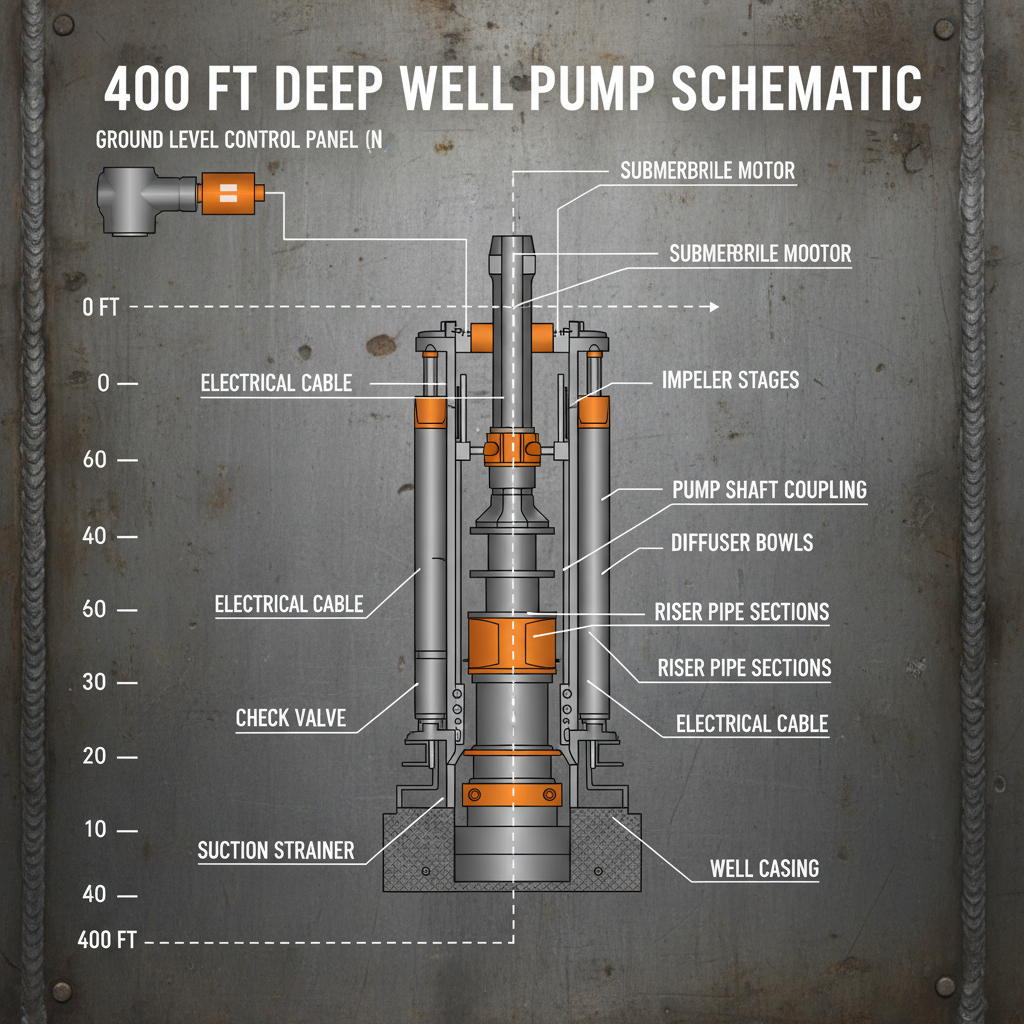
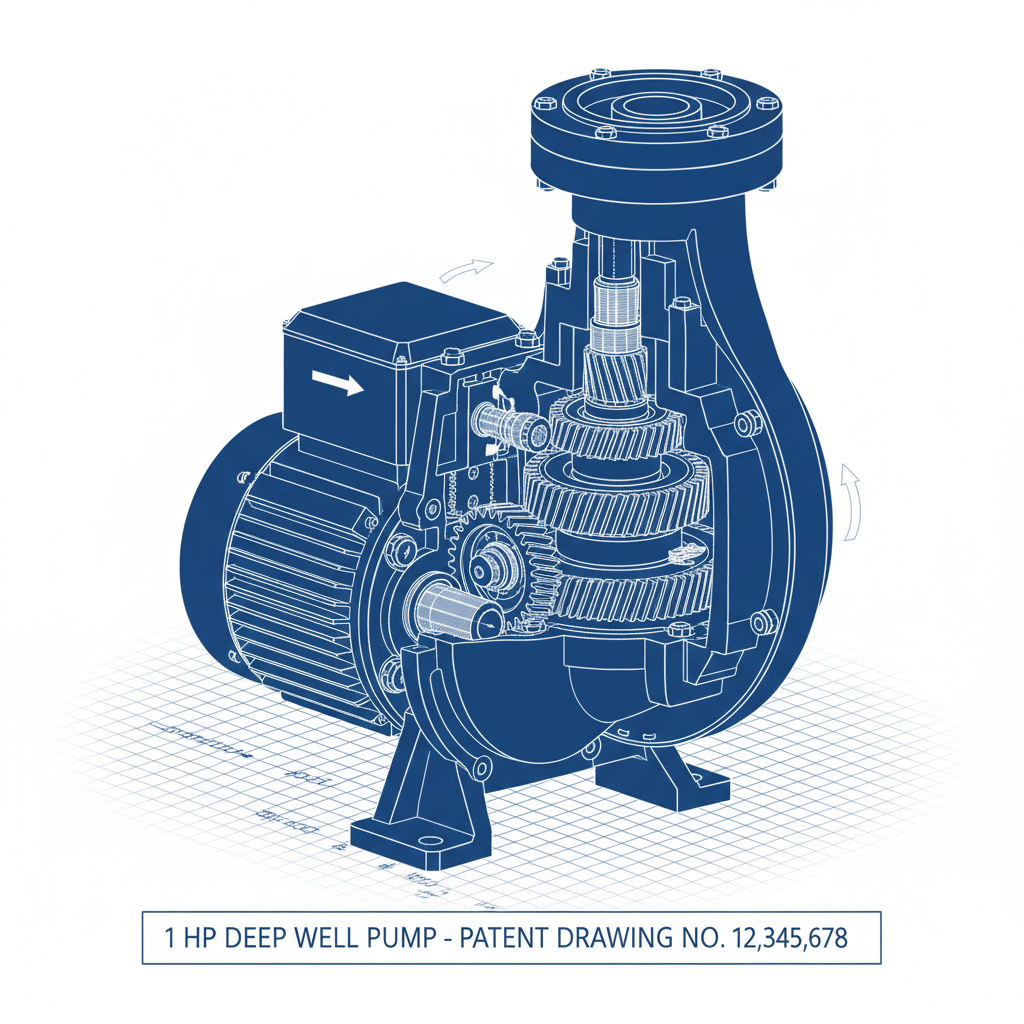
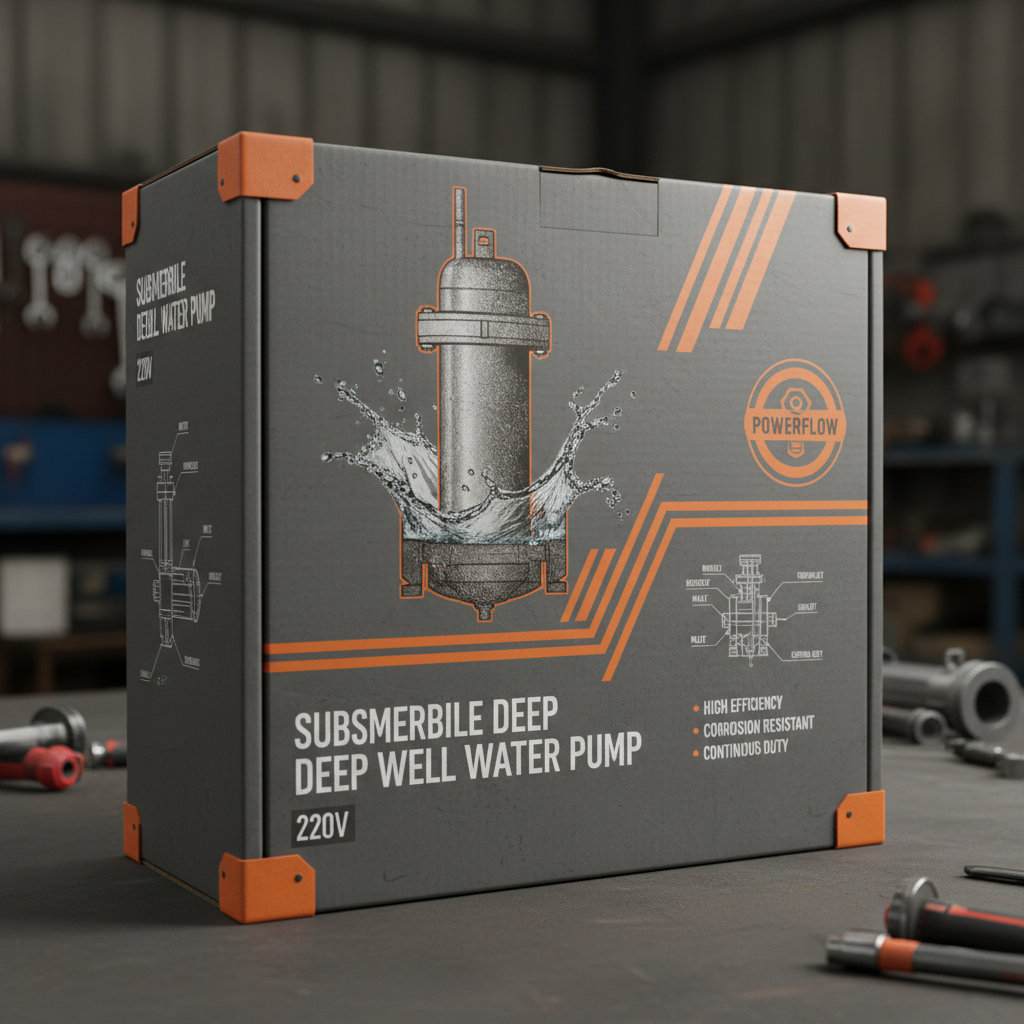
Finding a reliable water source in remote or off-grid locations often presents a significant engineering challenge, which is where the 24 volt dc deep well pump becomes a game-changer. By leveraging direct current power, these systems eliminate the need for expensive grid connections or cumbersome AC-to-DC inverters, allowing users to tap into deep aquifers using solar arrays or battery banks.
The global shift toward sustainable energy and the urgent need for water security in arid regions have pushed the demand for efficient DC-powered pumping solutions. Whether for small-scale agriculture, livestock watering, or humanitarian aid in developing nations, the implementation of a 24 volt dc deep well pump ensures a consistent water supply with minimal carbon footprint.
Understanding the technical nuances of these pumps—from their brushless motor efficiency to their compatibility with photovoltaic systems—is essential for maximizing longevity and flow rates. This comprehensive guide explores how these specialized submersible pumps operate and why they are the preferred choice for modern, sustainable water extraction.
Access to clean groundwater is a fundamental human right, yet millions of people globally still lack reliable water infrastructure. According to data from the World Bank and UN-Water, the energy cost of lifting water from deep aquifers often prohibits the development of rural communities. The 24 volt dc deep well pump addresses this gap by enabling decentralized water access, utilizing solar energy to power the extraction process without requiring a centralized electrical grid.
Beyond humanitarian needs, the industrial sector in remote zones—such as mining or forestry—requires robust water solutions that can operate independently. By integrating 24V systems, operators can reduce operational expenditures and eliminate the logistical nightmare of transporting diesel fuel for generators. This transition not only lowers costs but aligns with global ISO standards for environmental management and sustainable development.
Yes, but it is highly recommended to use a solar pump controller or an MPPT regulator between the panels and the pump. The controller stabilizes the fluctuating voltage from the solar panels to a constant 24V, protecting the motor from voltage spikes and ensuring the pump operates at peak efficiency even during cloudy weather.
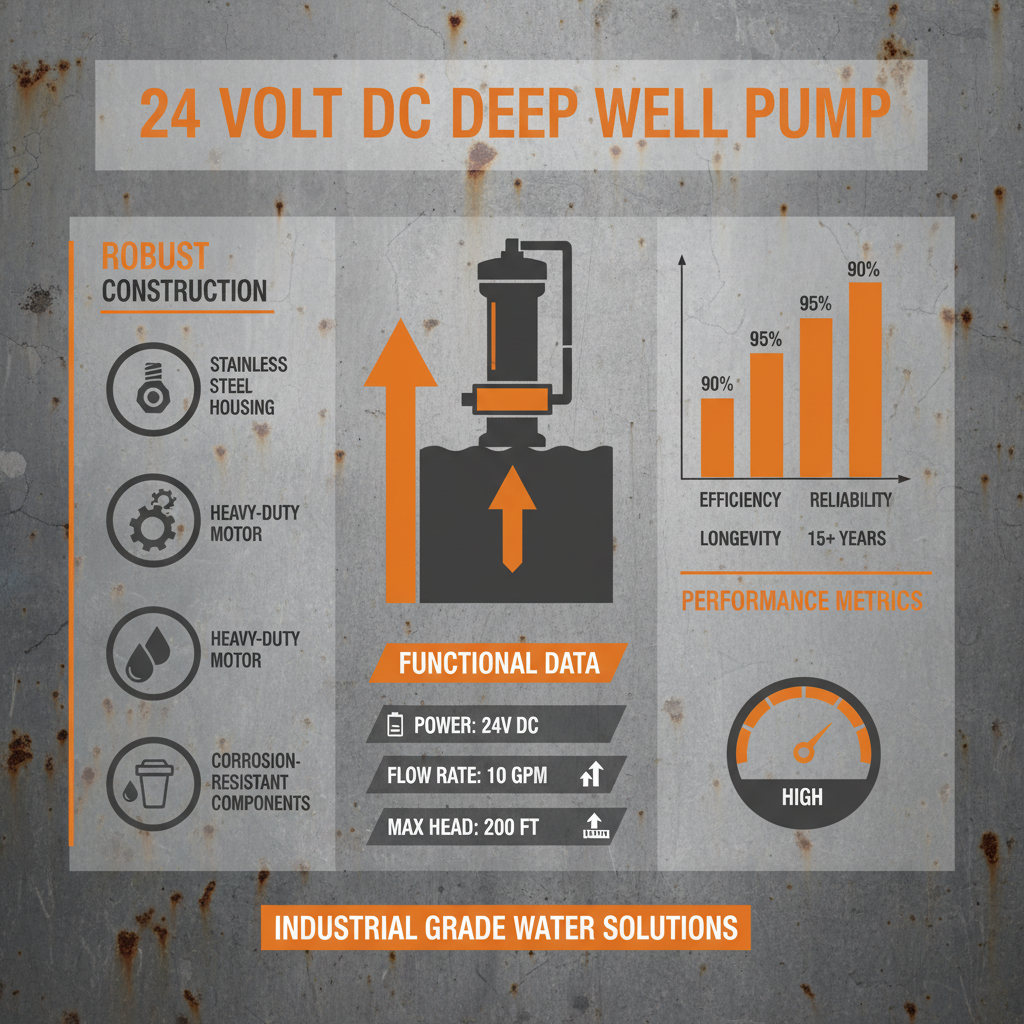
Depending on the model and the number of impeller stages, 24V DC pumps can typically lift water from depths ranging from 30 meters up to 200 meters. For deeper applications, high-head series pumps are required, which focus more on pressure (lift) than on the volume of water delivered per minute.
Running a pump without water (dry running) can quickly damage the impellers and overheat the motor. To prevent this, most professional 24 volt dc deep well pump systems include a low-water sensor or a dry-run protection circuit that automatically shuts off the pump when the water level falls below a safe threshold.
Generally, yes. Higher voltage allows for lower current (amperage) to achieve the same power output. This means you can use thinner wires with less voltage drop over long distances—which is common in deep well installations—making the 24V system significantly more efficient for deep-hole applications than a 12V alternative.
Maintenance is minimal due to the brushless design. However, it is important to periodically check the electrical connections for corrosion and monitor the flow rate. If the flow drops, it may indicate mineral buildup on the impellers, which can sometimes be cleared with a mild descaling solution or by replacing the pump end.
You would need two 12V batteries connected in series to create a 24V circuit. While this works for short-term use, for a permanent installation, deep-cycle AGM or Lithium (LiFePO4) batteries are recommended as they are designed for the deep discharge cycles required by water pumping operations.
The 24 volt dc deep well pump represents a vital intersection of mechanical engineering and environmental stewardship. By eliminating the need for AC power and reducing reliance on fossil fuels, these pumps provide a sustainable, cost-effective, and highly reliable method for accessing the earth's most precious resource. From the technical advantages of brushless motors to the social impact of water autonomy in developing regions, the value proposition of 24V DC technology is undeniable.
As we move toward a future defined by decentralized energy and smart infrastructure, the role of DC-powered water systems will only grow. For landowners, NGOs, and industrial operators, transitioning to these efficient systems is not just an operational upgrade, but a strategic investment in long-term resilience. To explore the best pump configuration for your specific depth and flow requirements, visit our website: www.wellpumpact.com

 Afrikaans
 Albanian
 Amharic
 Arabic
 Armenian
 Azerbaijani
 Basque
 Belarusian
 Bengali
 Bosnian
 Bulgarian
 Catalan
 Cebuano
 Corsican
 Croatian
 Czech
Czech
 Danish
 Dutch
Dutch
 Esperanto
 Estonian
 Finnish
 French
 Frisian
 Galician
 Georgian
 German
 Greek
Greek
 Gujarati
 Haitian Creole
 Hausa
Hausa
 Hawaiian
 Hebrew
 Hindi
Hindi
 Miao
Miao
 Hungarian
 Icelandic
 Igbo
Igbo
 Indonesian
 Irish
Irish
 Italian
 Japanese
 Javanese
 Kannada
 Kazakh
 Khmer
Khmer
 Rwandese
 Korean
 Kurdish
 Kyrgyz
 Lao
Lao
 Latin
Latin
 Latvian
 Lithuanian
 Luxembourgish
 Macedonian
 Malgashi
 Malay
Malay
 Malayalam
 Maltese
 Maori
Maori
 Marathi
 Mongolian
 Myanmar
 Nepali
 Norwegian
 Norwegian
 Occitan
 Pashto
 Persian
 Polish
 Portuguese
 Punjabi
 Romanian
 Russian
 Samoan
 Scottish Gaelic
 Serbian
 Sesotho
 Shona
Shona
 Sindhi
 Sinhala
 Slovak
 Slovenian
 Somali
 Spanish
 Sundanese
 Swahili
 Swedish
 Tagalog
 Tajik
Tajik
 Tamil
Tamil
 Tatar
Tatar
 Telugu
 Thai
Thai
 Turkish
 Turkmen
 Ukrainian
 Urdu
Urdu
 Uighur
 Uzbek
Uzbek
 Vietnamese
 Welsh
Welsh
 Bantu
Bantu
 Yiddish
 Yoruba
 Zulu
Zulu
 English